

Fuel Shortages in Russia Are Country-Wide Due To Drone Strikes: Russia’s gas stations should be playing an old Jackson Browne song over their loudspeakers because they are “Running on Empty.”
Ukraine’s increased attacks on Russian energy facilities in recent months, part of Ukrainian President Zelenskyy’s 40-day influence operation to pressure Moscow to end the war, have also kept Moscow from reaping the benefits of surging gas and oil prices earlier this spring due to the conflict in the Middle East.
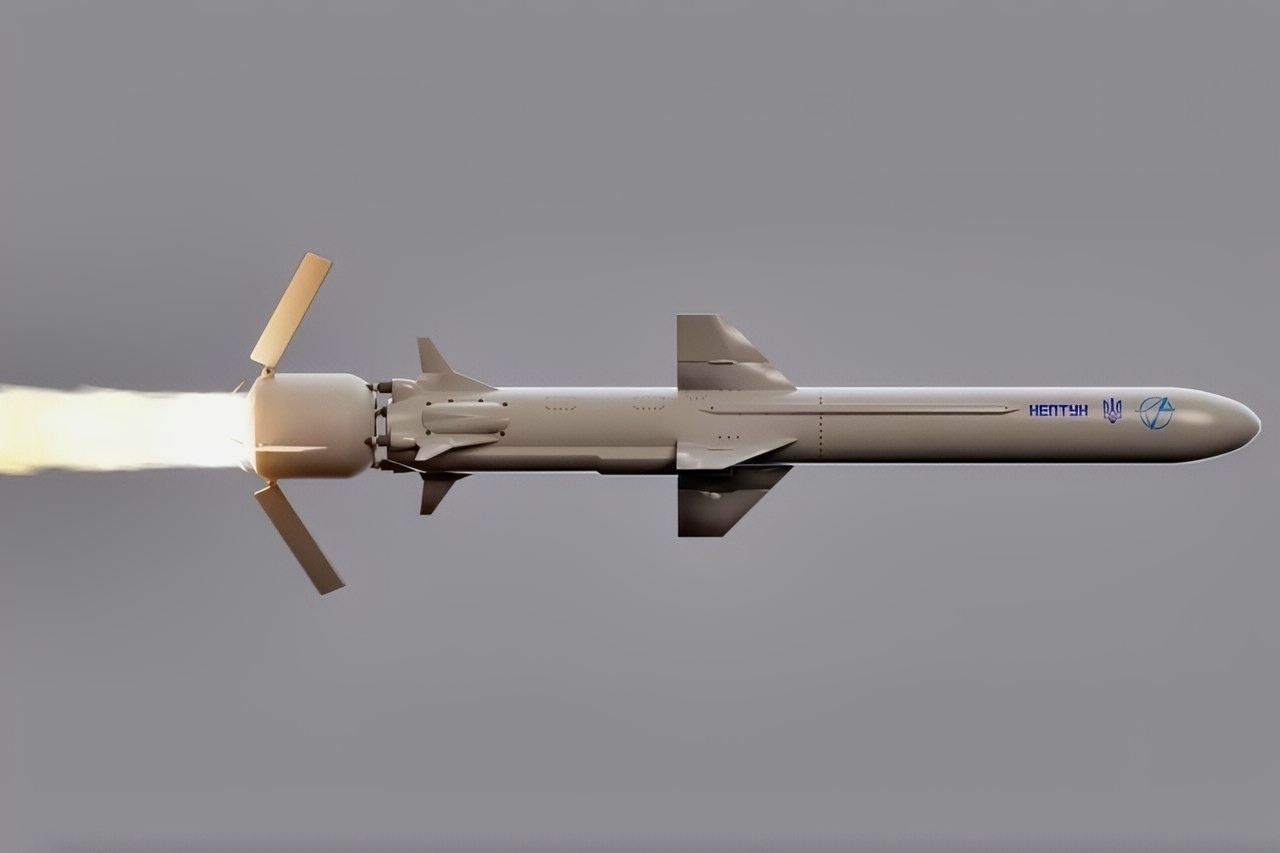
Neptune Missile. Image Credit: Government of Ukraine.
Numerous Russian oblasts, or regions, have implemented gas rationing, including Moscow, a huge blow to Russian prestige. CNN reported that nearly all of Russia’s 83 regions are experiencing gas shortages. Mediazona reported that rationing was taking place in 56 of them.
Eighteen Russian oblasts and Crimea have begun various rationing measures at local gas stations. However, the full scale of the shortages remains unclear, with some local restrictions limiting residents to purchasing only 30 liters of gasoline and prohibiting the filling of extra gas cans, prompting panic buying and hoarding.
One photograph in the CNN piece was quite telling. It showed cars in a long queue for gas at a station in Moscow. And the vehicles in line consisted of many more expensive Western cars, such as Mercedes, Audi, BMW, etc. That means the gas shortages are now hitting Moscow’s elites, not just the people in Russia’s outer regions.

Ukraine War TOS-2. Image Credit: X Screenshot.
Some Russian citizens in Moscow waited in gas lines for up to 18 hours.
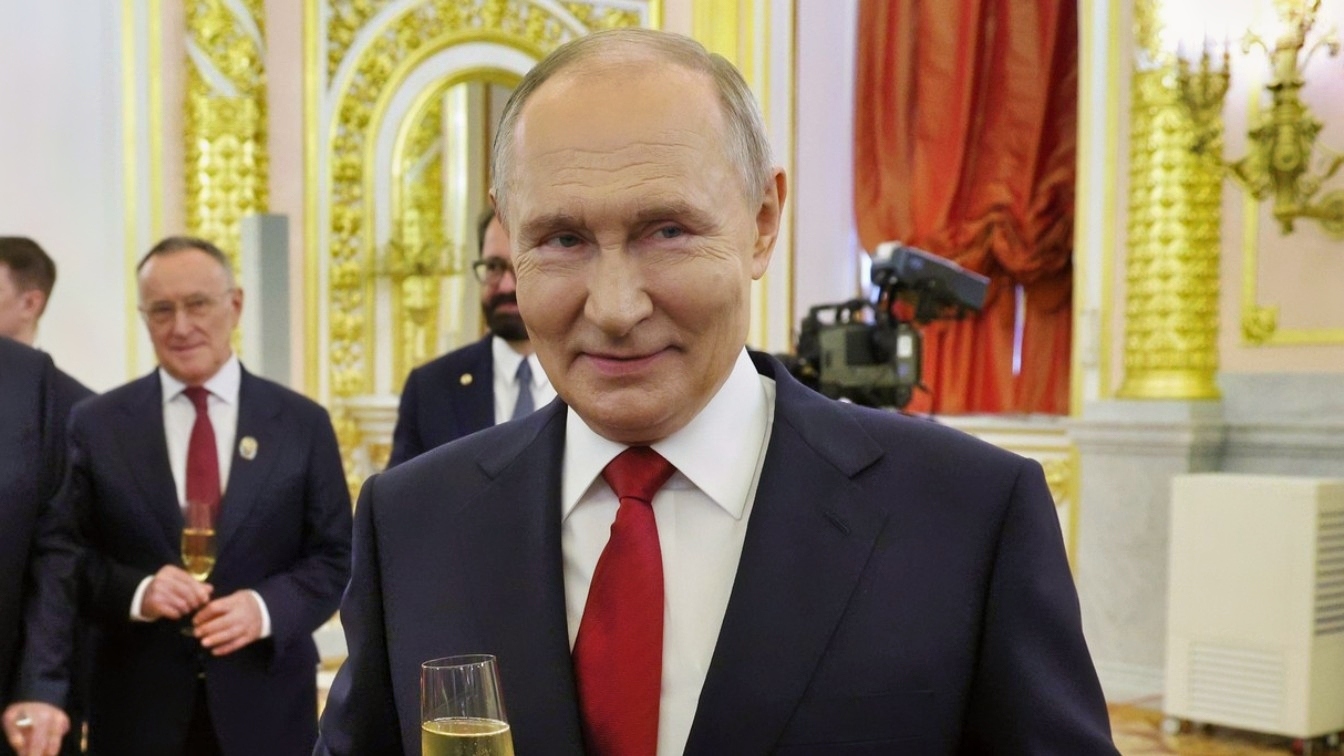
Putin Says Gas Shortage, “Not Of A Critical Nature”
Russian President Putin, however, continues to paint a picture that doesn’t match the reality on the ground. Deputy Prime Minister Alexander Novak claimed last week that the Russian market is “fully supplied” with both diesel and gasoline.
Speaking on Russian state television late last Sunday, Putin acknowledged for the first time that Ukrainian attacks on energy infrastructure were the cause of domestic fuel shortages.
“Of course, they create problems; that’s obvious,” Putin said. “Right now we’re observing a certain shortage, but the problems that have arisen are not of a critical nature.”
In the CNN report, it was correctly mentioned that it is very difficult to measure the public’s unrest in such a closed society; however, Putin was also forced to admit that these drone strikes were designed to “create uncertainty for us, or even better to lead to a schism in Russian society.”
Russia Has Banned Exports And Is Importing Gas
Kremlin spokesman Dmitry Peskov said in May that there were no risks to fuel supplies in Russia, after a Reuters report highlighted a decline in oil refining in the central part of the country following Ukrainian drone attacks in recent days.
Belying those comments, Moscow is implementing a comprehensive ban on gas and diesel exports until July 31 and on aviation fuel exports until November 30 following a devastating wave of Ukrainian long-range drone strikes that have knocked out a sizable portion of the nation’s total oil refining capacity, effectively paralyzing critical energy infrastructure across central Russia.
On July 5, the Ukrainian General Staff reported that they have disabled 42.74 percent of Russia’s oil refining capacity, reporting that they hit eight refineries in the last month, with more than sixty storage tanks destroyed or damaged, and cumulative industry losses of 13.5 billion dollars since August 2025.
Most Western analysts believe that number is inflated and is closer to 33 percent, but still a major blow to Russia’s ability to function normally.
Russia’s energy ministry admitted that Ukrainian drone attacks on oil refineries and energy infrastructure are the cause of fuel shortages that are running about 20 percent below domestic demand.
Ukrainian drones are also hitting fuel trucks on the highway that supplies the illegally annexed Crimea. Gasoline shortages are also being reported in Russian-occupied areas of Luhansk and Donetsk. According to the BBC, Ukraine has conducted more than 300 drone strikes on fuel trucks.
The Ukrainian strategy of integrating long-range, mid-range, and short-range tactical drone strikes is having an effect on Russia’s overall ability to wage the war, as the hits on the economy have been vast. It has also hammered their resupply efforts for the military in Crimea, and southern Ukraine, Donetsk, and Luhansk.
These have caused shortages of food, water, and fuel. And because of the drone attacks and shortages, Russia has been forced to begin seaborne imports of gasoline from India.
Al Jazeera reported that an Indian oil firm, Nayara Energy, has sold 60,000 metric tons of gas, which has been dispatched from India to Russia to help combat shortages.
Ukrainian President Volodymyr Zelenskyy posted on Telegram on Monday that “Putin can go on and on, claiming on TV that he supposedly has everything under control”, but that Russian citizens can see that the war “has reached the point where even an oil state – a gas station, as Russia used to be called – is now facing gas shortages.”
Ukraine’s 40-day influence operation has been hitting Russia’s gas and oil infrastructure hard. Its impossible for Putin to ignore the plight of ordinary citizens, not just in the far-flung regions of Siberia, but in Russia’s major urban areas of Moscow and St. Petersburg.
The Russian military’s operations in the Donbas and Crimea are also suffering due to the resupply issues that haunt it.
About the Author: Stephen Silver
Steve Balestrieri is a National Security Columnist. He served as a US Army Special Forces NCO and Warrant Officer. In addition to writing on defense, he covers the NFL for PatsFans.com and is a member of the Pro Football Writers of America (PFWA). His work was regularly featured in many military publications.


