

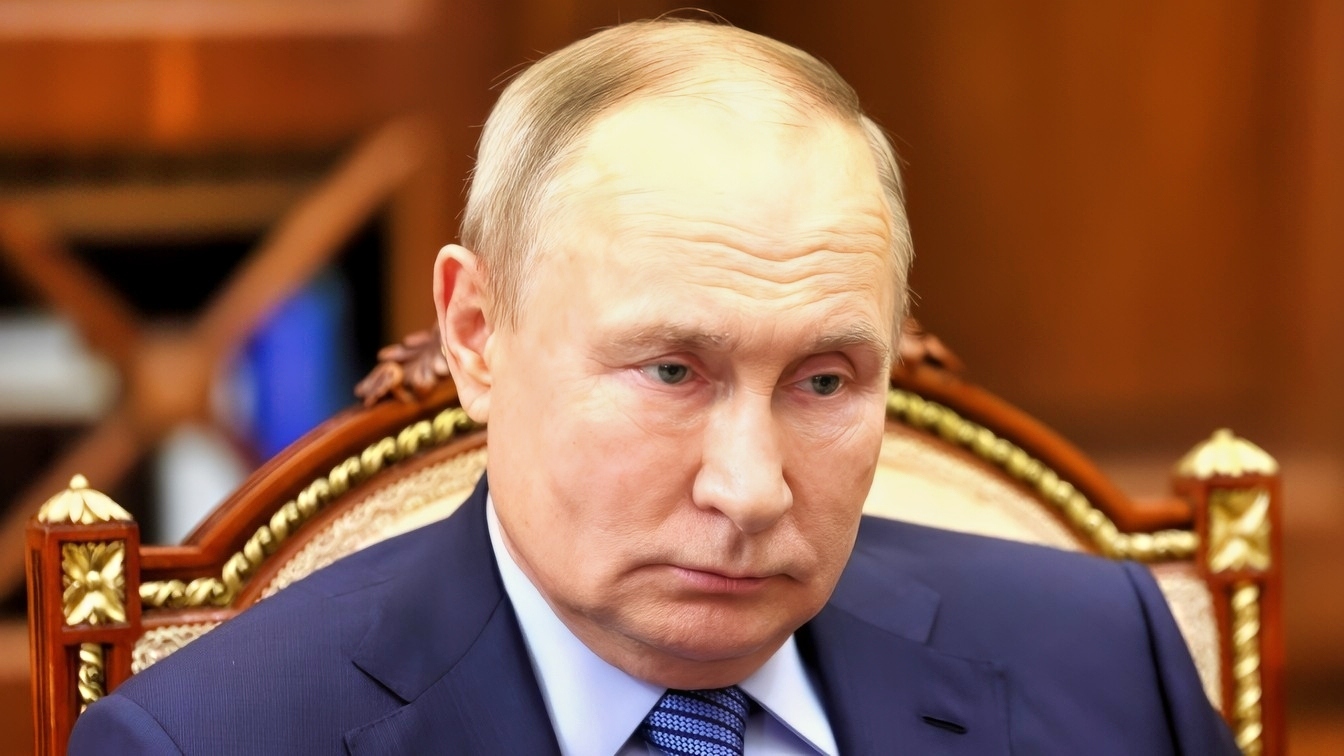
With Ukraine’s recent long-range drone campaign against Russia, many analysts and experts in the West are hoping that Putin will either cave under the economic pressure or be ousted from the Kremlin in a Soviet-esque coup. As fuel shortages persist throughout the country, there is a growing feeling of discontent among ordinary Russians that the Kremlin has mishandled the war.
Unfortunately, neither of these options is all that likely to occur.
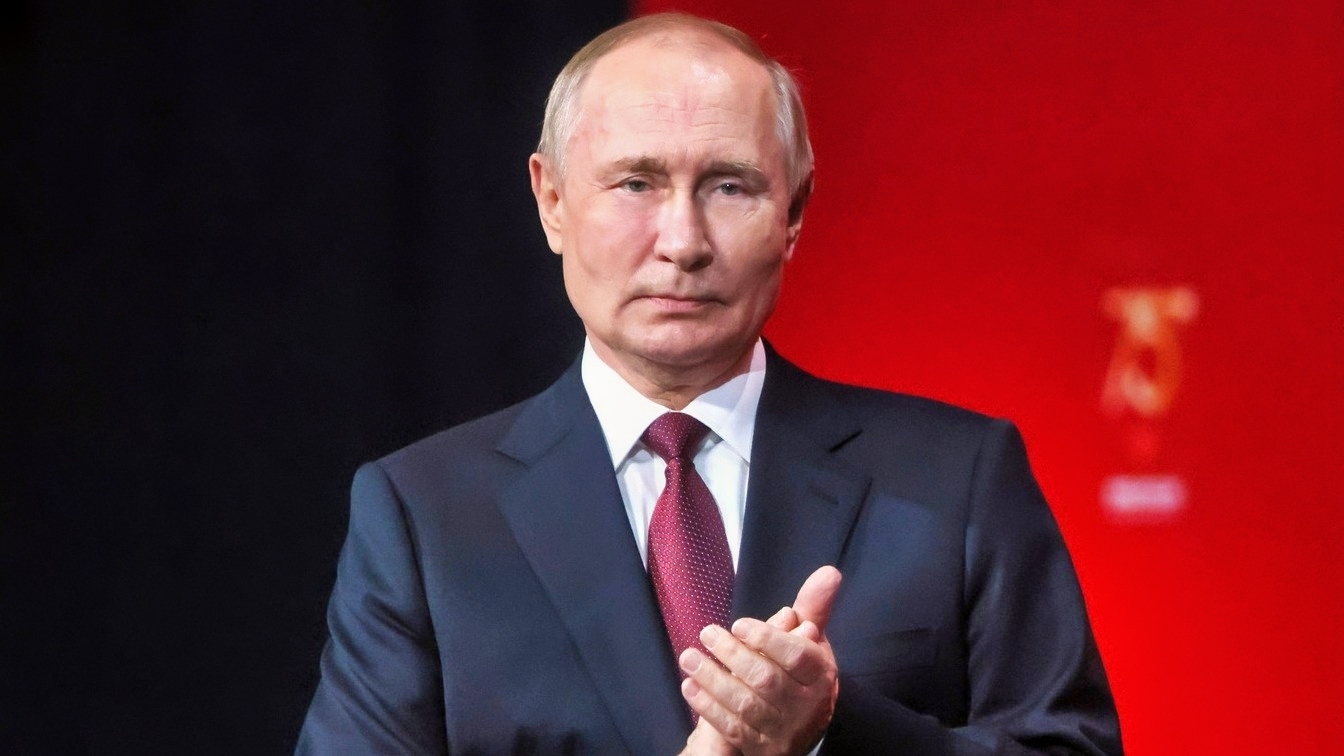
Putin at a Conference 2026. Kremlin Handout Photo.
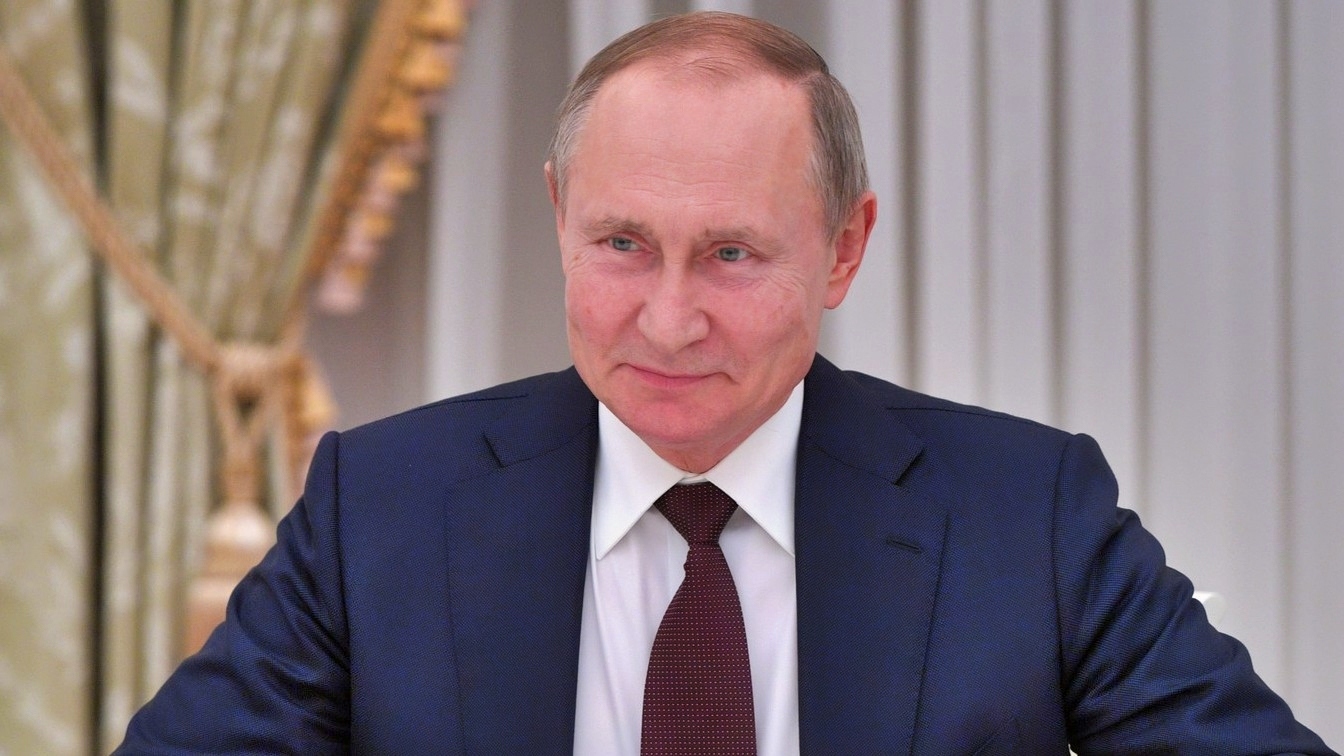
Putin Mach 2020 Russian Federation Photo Handout
According to some Russian experts, the Russian state is far more resilient than many Western observers realize and has spent years consolidating its power to survive moments like this. Despite the very real pressures, the Kremlin is unlikely to back down any time soon.
Russia’s Economy is Weakening, But Not Yet Critical
One such expert is Dr. Alexander Titov, a lecturer at Queen’s University Belfast, who specializes in contemporary Russian politics and Soviet political history.
In an article published in The Independent, Dr. Titov explains why he believes Putin will weather Russia’s current economic storm. He starts off by acknowledging that the war in Ukraine has had detrimental impacts on Russia’s economy.
While the country managed to survive the hardest-hitting waves of sanctions in 2022, cracks are starting to appear after four years of war as interest rates and taxes are raised to curb slowly rising inflation.
The economic troubles under the hood were only exacerbated by Ukrainian drone strikes against oil refineries and other infrastructure. These strikes have caused fuel shortages throughout most of Russia, including the capital, Moscow.
Images and videos of long lines at local fuel stations have spread like wildfire through the West as the country deals with one of its most severe economic crises of the war. Consequently, Moscow has been forced to import usable fuel from other countries, namely Belarus and China, to make up for the gap left after Ukrainian drone strikes. These attacks have had a very noticeable impact on the economy and have definitely soured the mood of many ordinary citizens.
Still Chugging Along
However, as Dr. Titov explains, many of the economic problems in Russia, real as they undoubtedly are, are often overblown in Western news outlets.
“The contemporary Russian economy is still functional,” he writes. “After four years of war and economic sanctions, daily life in most of Russia has hardly changed. The fuel shortages that began in June 2026 were probably the first real crisis to affect the majority of the population since the war started.”
As much as the ongoing fuel shortage is an inconvenience for the average citizen, the overall quality of life for most citizens, aside from hot regions like Crimea, Belgorod, and Kursk, has remained the same.
Russia will adapt to the shortages, and efforts are already underway to repair and expand refining capacity to resolve them.
Moscow also retains a number of tools to prevent the economy from going overboard in an emergency.
They can, as Dr, Titov points out, lower interest rates on state loans, which Putin has done in the past. In 2024, the state interest rate was 21% and has since been lowered to 14.25%, with the potential to be lowered further to attract more investment. Additionally, the Kremlin can devalue the Ruble even further, which would help to increase revenue from energy exports. Despite the ongoing strikes at fuel refineries, Russia remains one of the world’s top exporters of crude oil and natural gas. Revenue from these impacts spiked temporarily, thanks to the U.S. war with Iran.
With the Strait of Hormuz seemingly closed again, oil prices are rising once more, which has no doubt provided a much-needed windfall for Moscow.
Why a Coup in Russia is Unlikely
All this is to say that the economic situation in Russia is nowhere near bad enough to cause a complete collapse. However, suppose that Ukraine ramps up its attacks further and causes even greater damage to the Russian economy.
Would it cause a coup in the Kremlin and finally remove Putin from office? According to Titov, probably not. The political environment in Russia today differs from that of the late Soviet Union, when Gorbachev was deposed in favor of Boris Yeltsin. The reasons for Gorbachev’s deposition and the subsequent fall of the USSR are many and complicated (I therefore recommend everyone read Vladislav M. Zubok’s book Collapse, which covers the topic in great detail). Modern Russia is a different beast.
For the last several decades, the Kremlin has been consolidating its power and weeding out any dissidents who could threaten Putin. What few democratic institutions he inherited from Yeltsin, Putin has since undermined and tightened his grip on the media. Political opponents, such as Alexander Navalny, have likewise been systematically removed from society.
The Kremlin has also seized power from the country’s wealthy oligarchs, who effectively ran the state in the early 2000s. While this was framed by Russian propaganda as a means of returning power to the people, in actuality, it was a means of returning power to the authoritarian state. Since the outbreak of the war, the security apparatus of Russia has only been strengthened, and the military is still wholeheartedly loyal to Putin.
Too Early to Declare Victory
Overall, the current economic crisis is nowhere near severe enough to force a political change in Moscow. Russia’s economy is still alive and well, in stark contrast to Ukraine’s economy, which is only functional thanks to Western support.
The Kremlin still retains a tight grip on Russian politics.
The prospect of a coup from within is unlikely to materialize (nor is it guaranteed that this would be a preferable outcome for Ukraine.
As Titov said: “Images of queues at Russian petrol stations tempt the conclusion of a major economic crisis similar to that which brought down the Soviet Union. But, having witnessed both, I can say this is not the case.”
About the Author: Isaac Seitz
Isaac Seitz, a Defense Columnist, graduated from Patrick Henry College’s Strategic Intelligence and National Security program. He has also studied Russian at Middlebury Language Schools and has worked as an intelligence Analyst in the private sector.


