

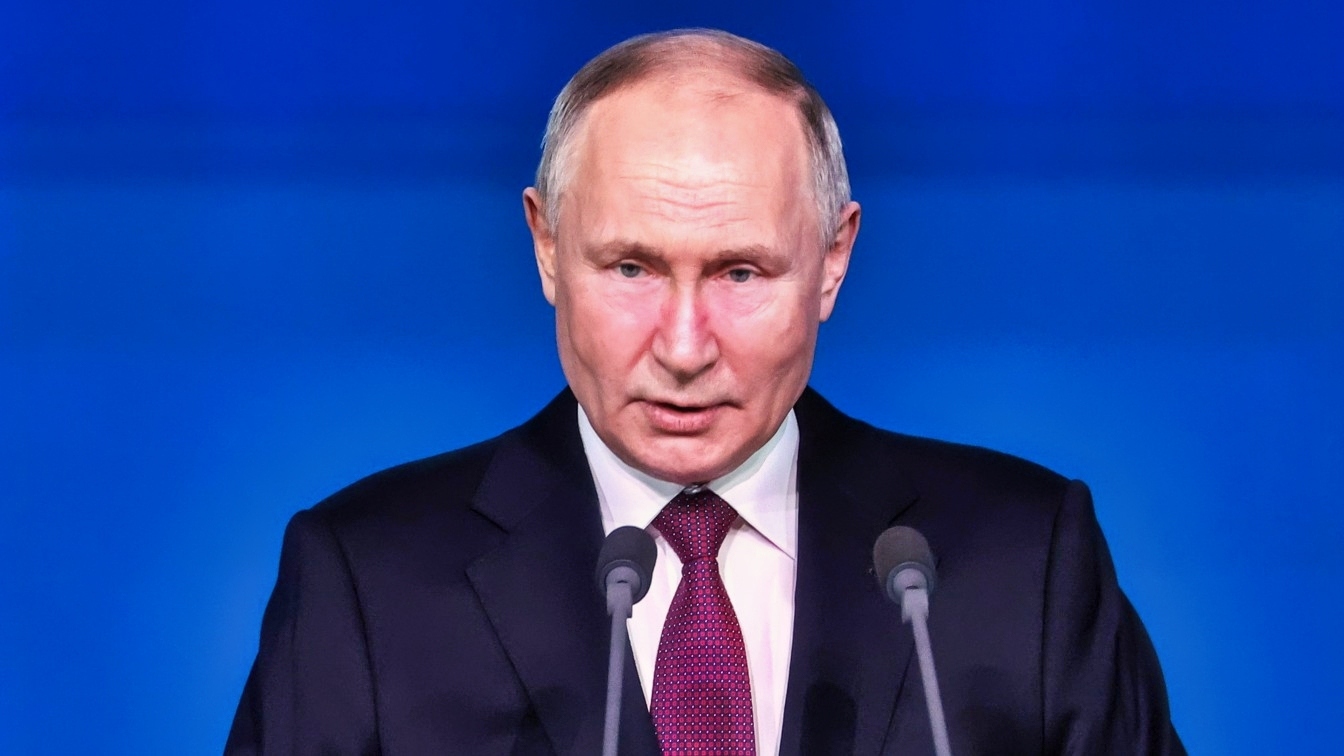
Speaking to the London Daily Telegraph, Czech President Petr Pavel says that a clock of sorts is ticking, with Ukraine having two months to restart peace talks. If no progress is made in this direction, Russia could begin escalating the war, he says.
His calculation is based on the expectation that mid-term elections will take place in Russia on 20 September. Even in Russia’s perennially rigged electoral processes, results for Russian President Vladimir Putin’s United Russia party could be somewhere between lackluster and embarrassing, according to polling numbers.
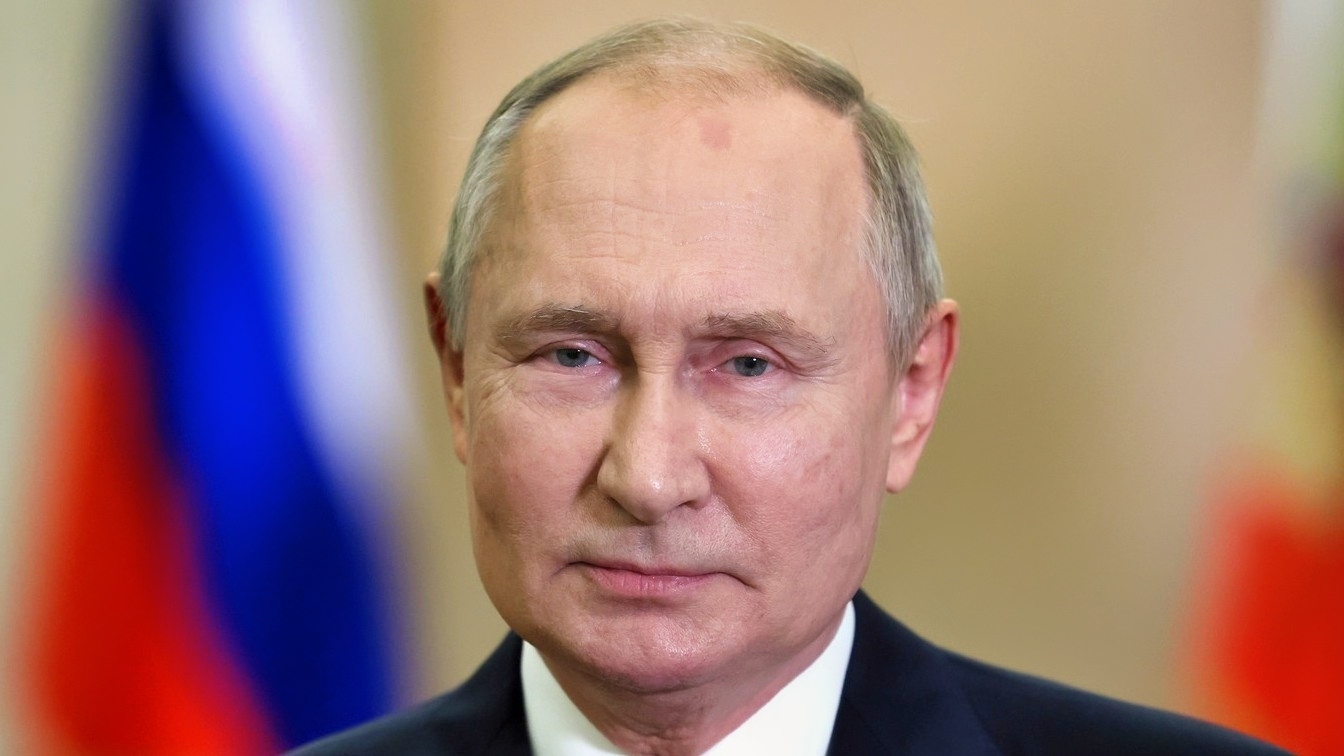
Putin Back in 2023 Creative Commons Image
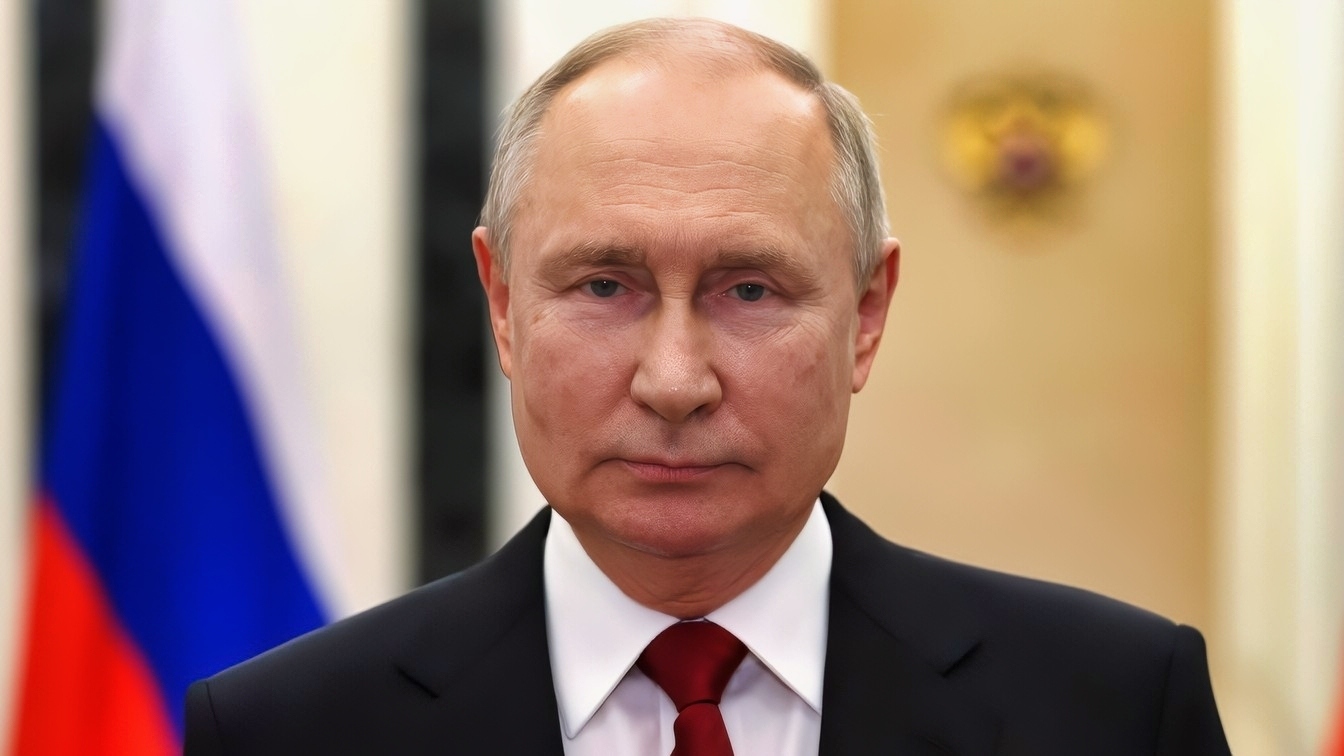
Putin on June 24 2023, Russian Federation Photo
Pavel warns that the former KGB Lt. Col. could agree to peace talks that finally involve realistic negotiating positions, but he says a general mobilization after the elections is perhaps more likely if NATO does not maintain pressure on the Kremlin.
“I believe that the window is there for us to keep pushing and giving Russia a clear message that we are willing to start negotiations,” the retired general and former head of NATO’s military committee told The Telegraph during the 7-9 July NATO summit in Ankara, Turkey.
He also predicted that “Russia will have parliamentary elections in September. President Putin will hardly declare mobilization before, but once the elections are over, the window will shrink.”
Therefore, Pavel said the allies must keep a full-court press on Russia to force peace talks in the coming weeks. “Russia has a lot of internal problems and challenges at this point,” he said at the summit. These mitigate against the mobilization option being Putin’s preferred path forward.
“The Russian public is turning increasingly against the war. President Putin will have difficulties keeping calm at home, and if this pressure continues, if Ukraine continues to be capable and successful in hitting targets deep in Russian territory, it will create conditions where Russia will be more inclined to negotiate.”
Backing Ukraine to the Hilt to Pressure Putin
What that means in the short term is enabling Ukraine to keep up its program of precision strikes on the Russian oil industry and other strategic targets.
Ukrainian drone attacks have hit Moscow and Russian tankers attempting to resupply Crimea with fuel, and in the past week they have set the nation’s largest oil refinery ablaze.
“So I believe that we have to really keep pushing hard, give Ukraine what they need to be successful in their defence, and at the same time to exert all diplomatic skills to convince Russia that they have no other choice than to negotiate… that they can only get something out of negotiation instead of losing by continuing the war.”
Putin’s poll numbers have fallen to 69 percent, which is the lowest level since he invaded Ukraine in 2022. Even these numbers are suspect, as in May the polling agency responsible for gauging Putin’s popularity changed its methodology to boost results in favor of the Russian authoritarian leader.
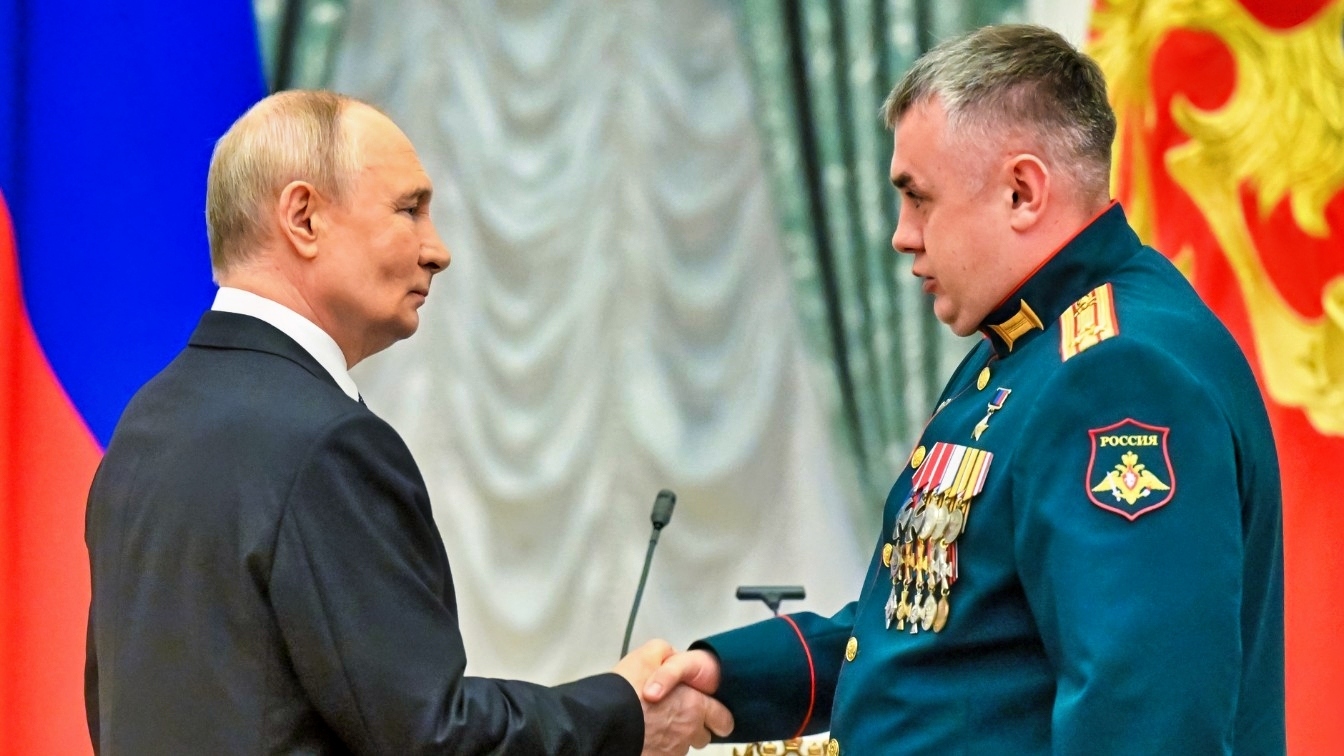
Putin and Russian Military Creative Commons Image
The “dent” in Putin’s image of endless confidence and near-infallibility has been largely caused by Ukraine’s drone strikes that have hit the Russian capital and have been the source of so many problems in the illegally annexed peninsula of Crimea. Russians are now seeing long queues at petrol stations, which have added to a sense of crisis in many parts of the country.
Backing the Patriots
The Czech President was also upbeat about the decision announced by US President Donald Trump to grant Ukraine a license to manufacture its own missiles for the US-made Patriot air and missile defense system.
But more needs to be done to manufacture more air defense missiles, he stated. Pavel said there had been “concrete proposals” on this issue, including a plan from Norway to acquire more surface-to-air missiles for Ukraine.
“What NATO is doing at this moment is aggregating demand from all member states to provide these numbers to the defense industry to have at least a general idea about the scope of production and need over time,” he said. “At this point, what is clear is that demand clearly exceeds production capacity.”
About the Author: Reuben F. Johnson
Reuben F. Johnson has thirty-six years of experience analyzing and reporting on foreign weapons systems, defense technologies, and international arms export policy. Johnson is the Director of Research at the Casimir Pulaski Foundation. He is also a survivor of the Russian invasion of Ukraine in February 2022. He worked for years in the American defense industry as a foreign technology analyst and later as a consultant for the U.S. Department of Defense, the Departments of the Navy and Air Force, and the governments of the United Kingdom and Australia. In 2022-2023, he won two awards in a row for his defense reporting. He holds a bachelor’s degree from DePauw University and a master’s degree from Miami University in Ohio, specializing in Soviet and Russian studies. He lives in Warsaw.


