

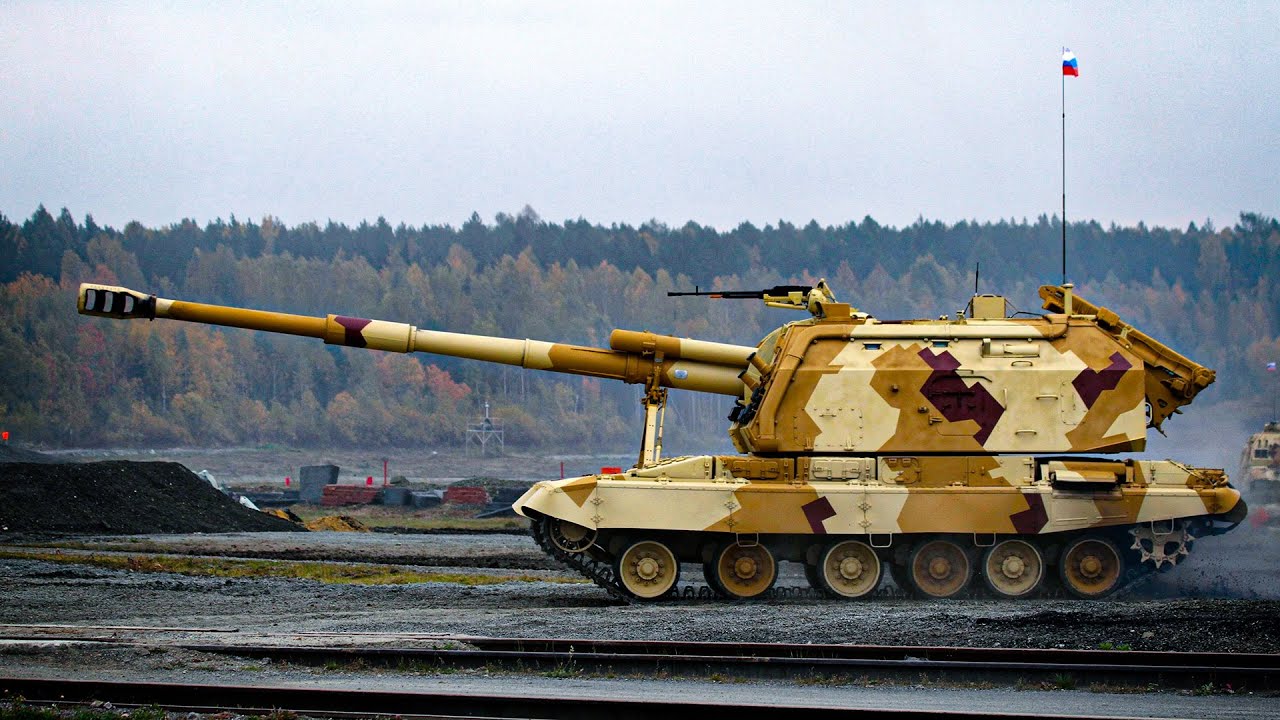
Profits For Russia’s Rostec Arms Export Conglomerate Fall 42 Per Cent: One of Russian President Vladimir Putin’s oldest and closest confidants is seeing his industrial empire crumble. That empire is the Russian state defense-industrial behemoth Rostec, which has a near-monopoly on the production of major weapon systems.
The massive entity has controlling interests in almost all Russian defense enterprises, which combined manufacture 80 percent or more of the military hardware needed for Russian President Vladimir Putin to sustain his war in Ukraine.
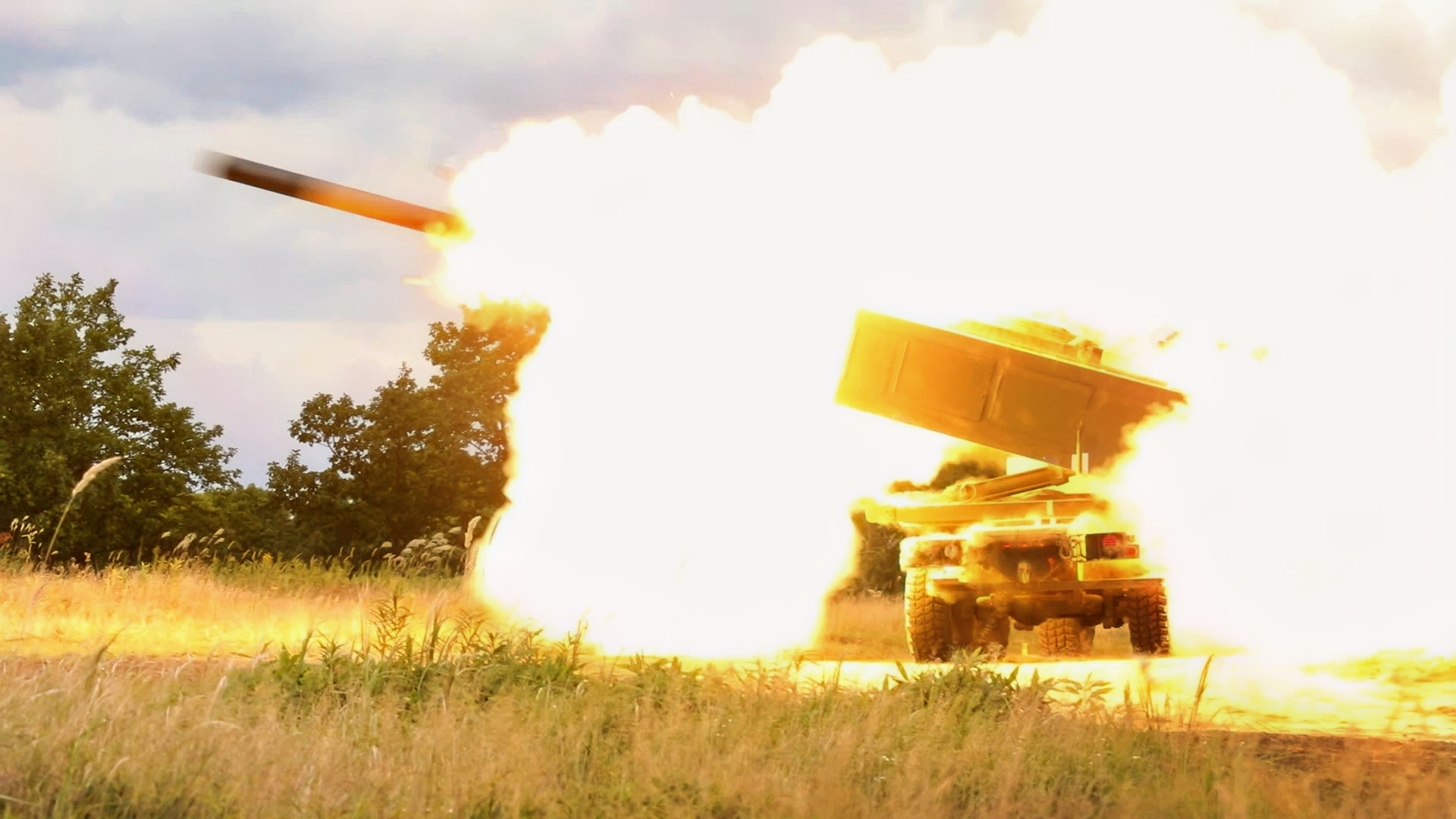
A High Mobility Artillery Rocket System (HIMARS) with the 1st Battalion, 181st Field Artillery Regiment fires toward a designated target at Yausubetsu Training Area, Hokkaido, Japan on Sept. 20, 2023. U.S. Army soldiers and Japan Ground Self-Defense Force (JGSDF) members participated in showcasing their artillery prowess in front of VIPs and dignitaries. (Photo by U.S. Army National Guard Staff Sgt. Ryan S. Gay)
Russia manufactures very little of anything that anyone would want to buy other than weapons, which makes Rostec the country’s largest gunmaker. It is also the largest industrial holding company. It oversees more than 800 organizations across 60 Russian regions and plays a central role in the country’s defense industry. Many in Russia would say it is the defense industry – that defense enterprises in Russia and Rostec are the same animal.
Rostec’s CEO, Sergei Chemezov, is a long-time associate and ally of Putin. The two served together in the city of Dresden in the former Communist German Democratic Republic – until the collapse of the Berlin Wall and communism in general along with it.
The decades-long partnership with Putin has enabled him to shield the company’s balance sheet from outside scrutiny. Rostec’s portfolio was always opaque at best, but today the company no longer publishes any detailed annual statements, as Putin signed a decree in March allowing it to classify all its financial records.
Profits Dropping
The classification status attached to Rostec’s accounts apparently is not enough to keep Chemezov for calling for help due to the company’s dire financial state. In a meeting this week with Russian Prime Minister Mikhail Mishustin, this well-known “Friends of Vlad” revealed that the company’s revenue increased by 25 percent in 2025 – a windfall created from runaway spending on state defense orders.
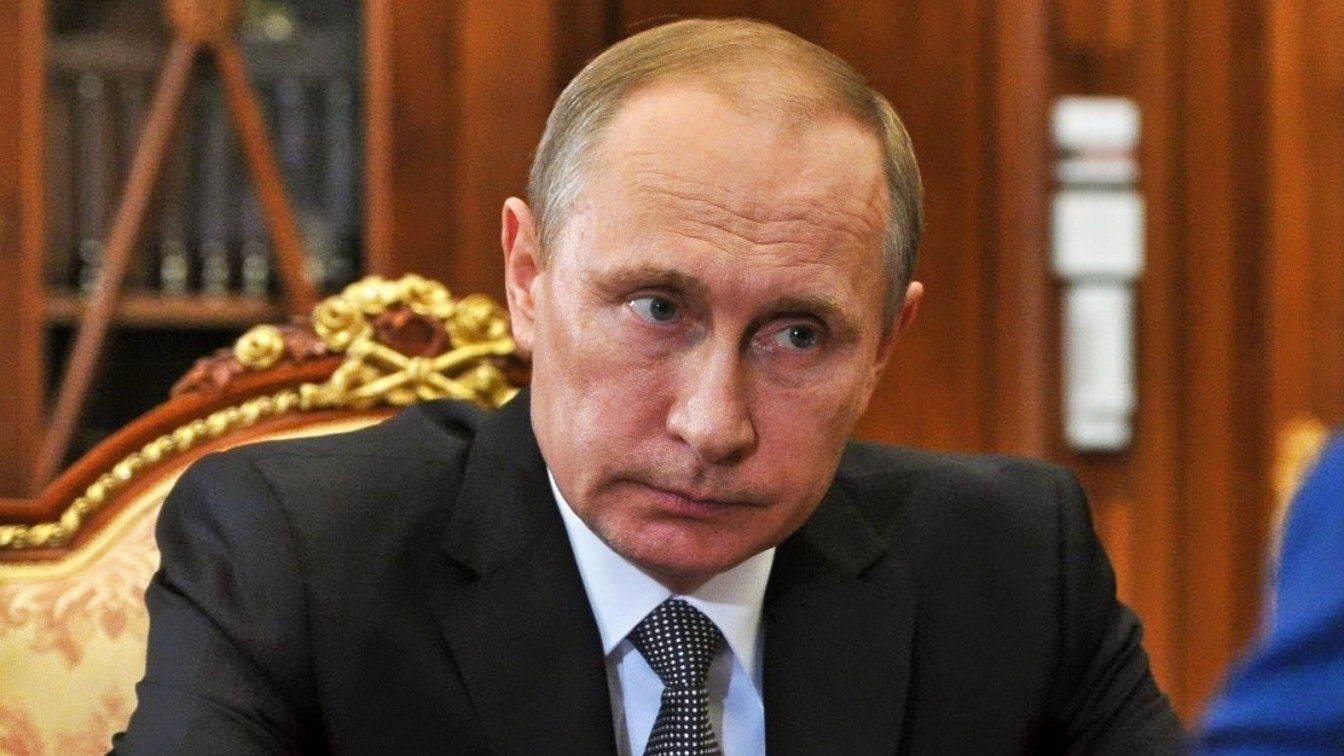
Putin Back in 2016 Image Credit Russian Federation
But despite the seemingly never-ending money flows, Chemezov also stated that the company’s net profits dropped to 76.4 billion roubles (US$ 986 million). This is a 42 percent drop, the company’s largest profit decline since its founding in 2007.
The sudden change of fortune is seen as a consequence of the growing financial pressures on this defense manufacturing group. There is increasing pressure on Russian corporate profitability as high interest rates, rising borrowing costs, wartime economic distortions, and sanctions weigh down many businesses.
This puts the war in Ukraine and Western sanctions as the two major forces now reshaping the economy.
The high operating costs from record interest rates, which Chemezov has been ringing alarm bells about for more than a year and are choking the company’s profits, are also leaving nothing left to fund R&D. Chemezov states as far back as late 2024 that the cost of borrowing was making export sales contracts unprofitable, which is fatal for a company that depends as much on export orders as Rostec historically has.
Coming: Exports Falling and In Need of a Bailout
“Unfortunately, we do not have much of our own money left to launch investment projects,” Chemezov said this past week, describing how much the drop in profits is chipping away at the corporation’s stability and future viability.
Back in 2024, Chemezov told a major business forum in Russia that “with such a key [interest] rate, of course, it is just madness; any [export] contract becomes unprofitable for us.” He also said that exports of products with long production lead times in sectors like aviation, air defense, and shipbuilding may have to be stopped altogether.
“Taking loans at such an interest rate means we will go bankrupt in a short period of time and will again come to the government with an outstretched hand and say, give us money to save our production,” Chemezov said. This need for a bailout, as he is describing, is becoming more likely all the time, according to Moscow-based defense industry specialists who spoke to National Security Journal.
Several of Rostec’s key subsidiaries are now reporting heavy losses and/or worsening financial results.
-The truck maker Kamaz, which is also controlled by Rostec, posted a net loss of 43 billion roubles (US $555 million) in 2025 after its truck sales fell by more than 20 percent.
-Uralvagonzavod, which is Russia’s largest tank manufacturer, cut 10 percent of its workforce and switched its civilian division to a four-day workweek due to financial setbacks.
-The holding company Russian Helicopters saw its profit shrink by a factor of 2.6, while the associated United Engine Corporation (ODK) posted a net loss of 63 billion roubles (US $813 million) and increased its debt to nearly 1 trillion roubles (US $12.90 billion).
Rostec has also suffered a sharp decline in arms exports. Before Russia’s full-scale invasion of Ukraine in 2022, the company generated around $14 billion a year in export revenue from weapons sales. The export revenue numbers have since dropped by 50 percent as the Russian defense industry has had to prioritize supplying Russian military units fighting in Ukraine over any foreign clients.
Chemezov said last year that Western sanctions imposed on Rostec since February 2022 had also complicated operations across both its civilian and defense businesses. According to Russia’s state statistics service, Rosstat, the combined profit of Russian companies, after losses, fell 4% in 2025 to 27.07 trillion roubles (US$ 349.20 billion). In the first four months of 2026, that figure declined by a further 10% to 8.8 trillion roubles (US $113.52 billion).
About the Author: Reuben F. Johnson
Reuben F. Johnson has thirty-six years of experience analyzing and reporting on foreign weapons systems, defense technologies, and international arms export policy. Johnson is the Director of Research at the Casimir Pulaski Foundation. He is also a survivor of the Russian invasion of Ukraine in February 2022. He worked for years in the American defense industry as a foreign technology analyst and later as a consultant for the U.S. Department of Defense, the Departments of the Navy and Air Force, and the governments of the United Kingdom and Australia. In 2022-2023, he won two awards in a row for his defense reporting. He holds a bachelor’s degree from DePauw University and a master’s degree from Miami University in Ohio, specializing in Soviet and Russian studies. He lives in Warsaw.


