

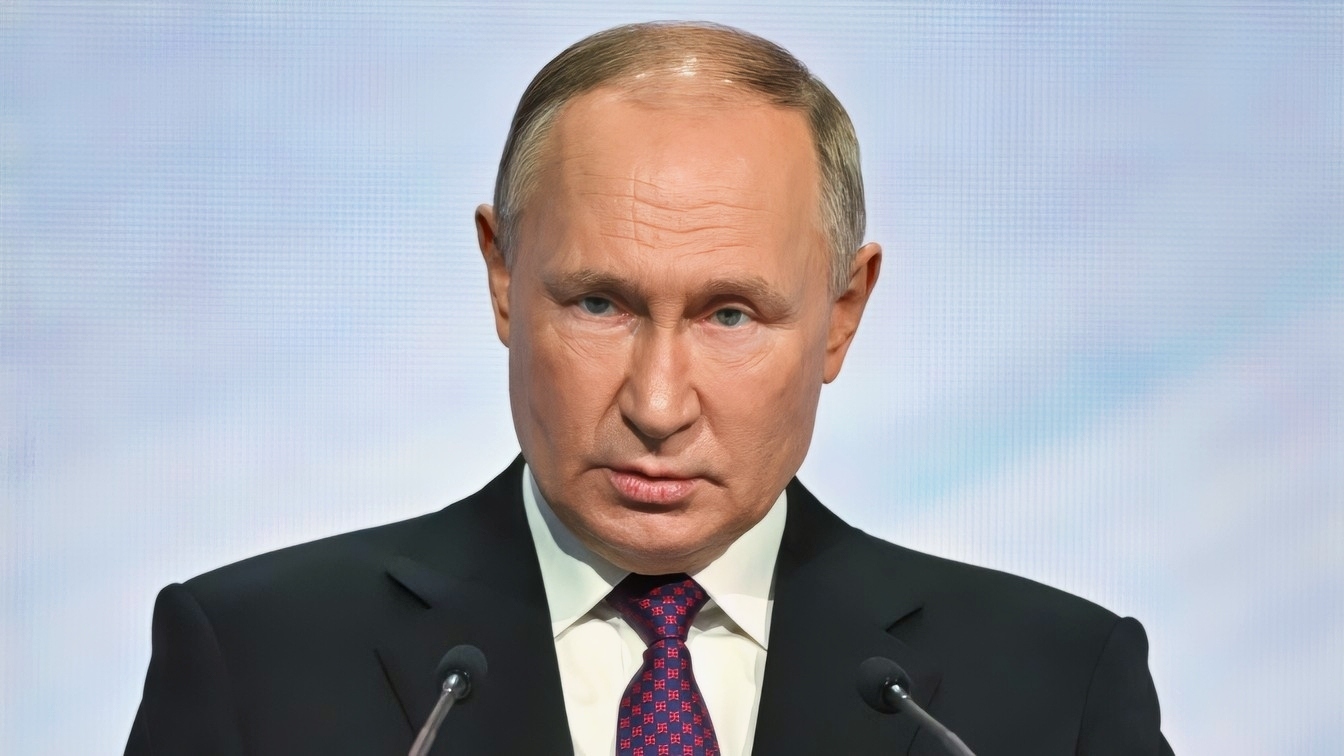
In March 2022, a week after the Russian President and former KGB Lt. Col. who sits in the Kremlin decided to invade Ukraine, then-US President Joe Biden used the occasion of his annual State of the Union address to declare that Russia’s Vladimir “Putin is now isolated from the world more than ever.”
The prediction for a few scant days was that Russia had transitioned from being a state of concern to an aggressive, rogue nuclear power bent on imperial conquest.
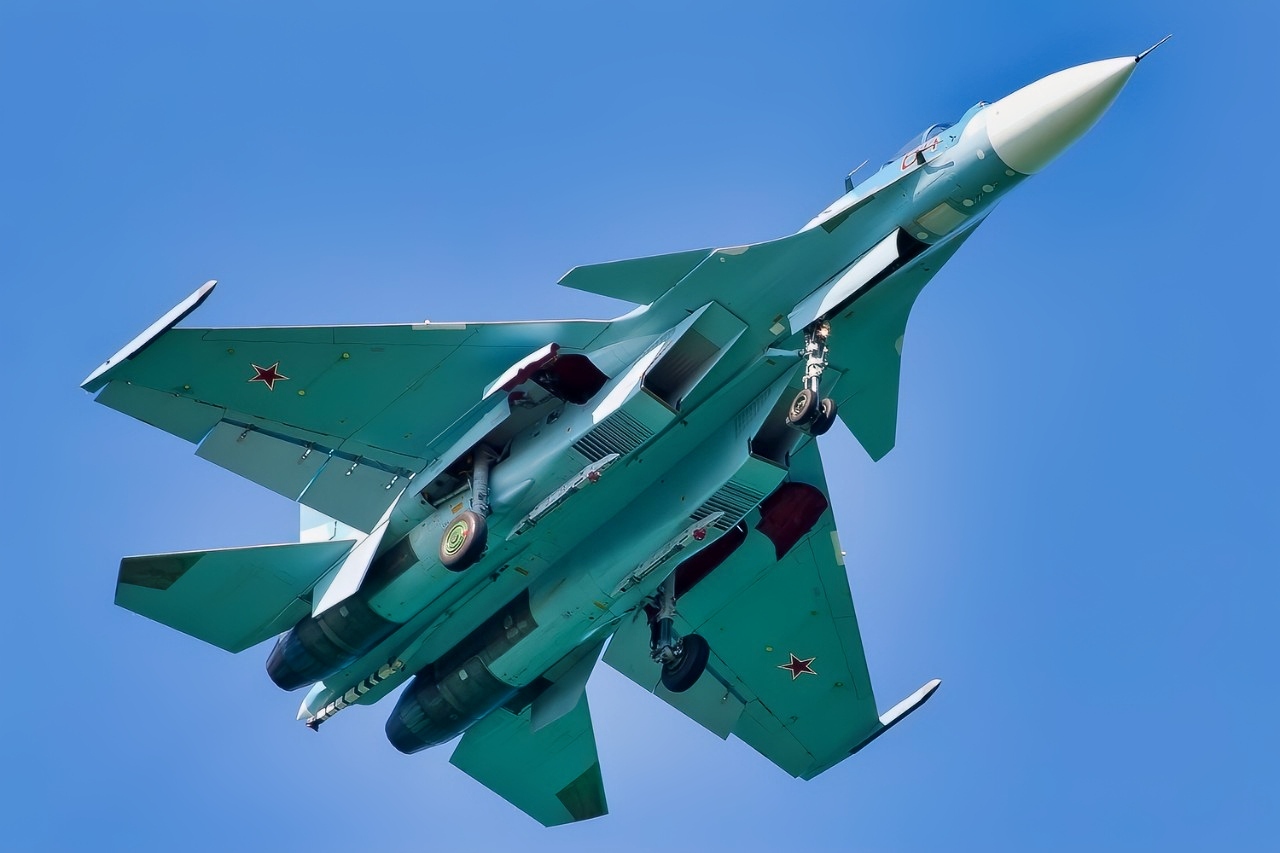
Su-33 Flanker from Russia. Image Credit: Creative Commons.
Lucky for the international community and even more so for the Ukrainians, the Russian military turned out on the whole to be a hapless, undisciplined force.
Putin finally received an education on – among other failures of his dictatorship – just how pervasive and debilitating corruption had become in the country he has so progressively mismanaged for more than two decades.
In what could only perhaps be described as the culmination of having negative trends finally intersect, Russia increasingly failing in its war – incurring rising casualties, losing military hardware at accelerating speed, suffering embarrassing battlefield defeats – all of this has coincided with it becoming one of the world’s most-sanctioned nations ever.
This sent Putin and his surrogates off on a crusade to cobble together some collective of nations that would refuse to make the choice between either standing with Russia as a stalwart ally – the People’s Republic of China (PRC) and the Democratic People’s Republic of Korea (DPRK) being two of these standout examples – or taking the opposite tack of becoming one of the members of the “coalition of the willing” that supports Ukraine to the hilt.
Doubling Down Does Not Work for Forever
In the nearly four-and-a-half years of war, this dichotomy has paradoxically increased with the passage of time. Some of those nations friendly to Russia resisted pulling back and trying to cut their losses with Putin.
Others of his allies stuck by him or even doubled down even as his military faltered and failed in achieving almost every one of its initial operational objectives.
But nothing lasts forever.
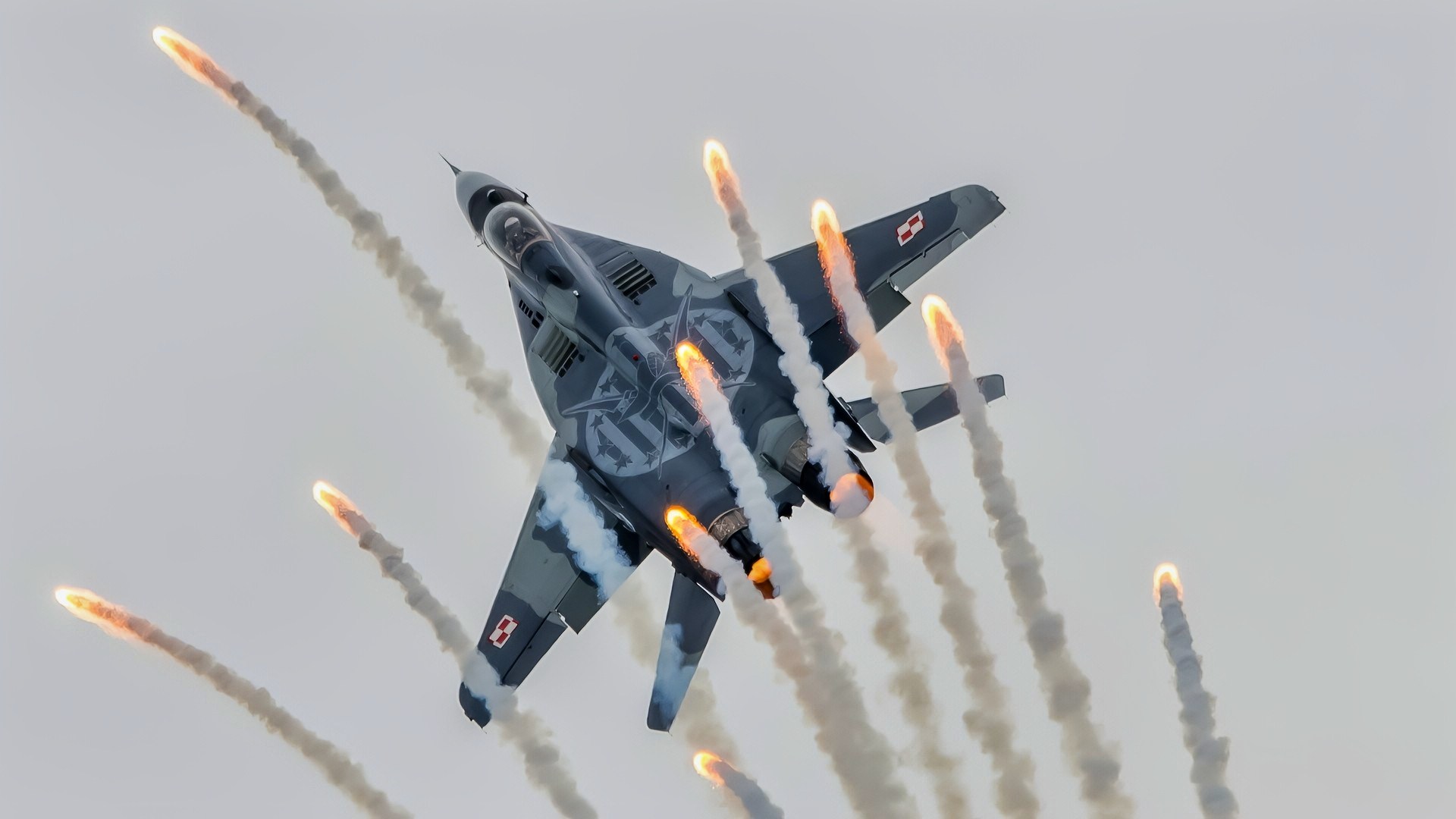
MiG-29 Flair Drop Creative Commons Image.
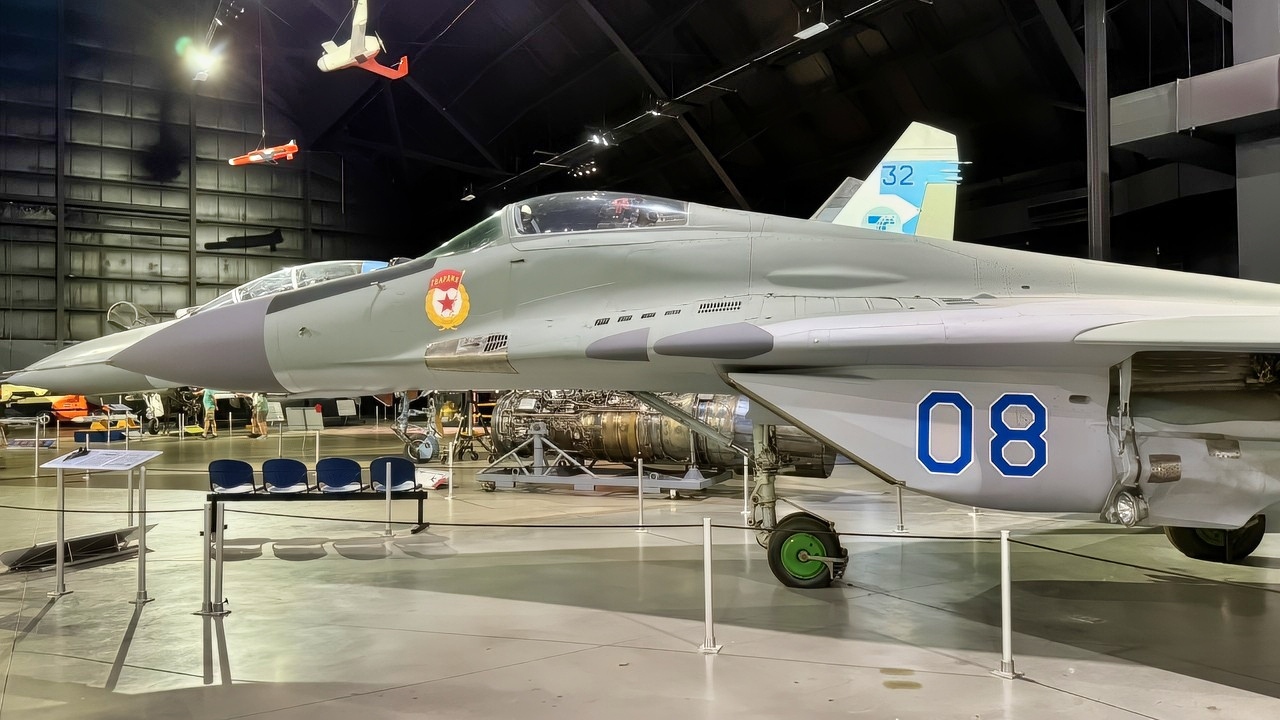
Real MiG-29 at USAF Museum in Dayton. Image Credit: National Security Journal.
In January 2026, Politico.eu published a piece stating that this patchwork quilt of allies and friendly nations that Putin had managed to cobble together was beginning to fray.
Putin’s long-standing project to return Russia to its “rightful place in the world” as a great power was instead facing the realities that he was standing on the precipice of “the end of an era.”
Nothing demonstrates how the doubling down by the Kremlin in its “great power” program had failed more than how the war has played out, writes the author.
When he launched his invasion, Putin had expected to overrun most of Ukraine in three days.
Instead, Putin finds himself mired in a conflict that has today lasted longer than the Soviet Union’s campaign against Nazi Germany during World War II.
Russian forces have moved forward at a snail’s pace, capturing only a small portion of Ukrainian territory at enormous human cost. And as of late, even those small territorial gains are beginning to be won back by Ukraine.
Shrinking Alliance and Unrealistic Demands
When Donald J. Trump re-took the US presidency in 2024, there was a sense of relief that swept through the Kremlin.
It was expected that a second Trump term would usher in an agenda of less support for Ukraine combined with more friendly ties with Russia due to the lure of the economic benefits of increased trade ties.
But these hopes turned out to be in vain. Putin’s fortunes have turned progressively downward.
Trump entered office with the impression of him being opposed to what are referred to as “optional” wars, particularly if they take place in the Middle East.
In reality, the US has increased its intervention abroad. US military operations have taken down the regime in Venezuela, have the Cuban regime wobbling and potentially headed for collapse, and are now in a near all-out war against Iran – all Putin allies that, if they were ever able to do him much good at all, are far less capable of doing so now.
But no one could ever accuse Putin of learning from his mistakes. Rather, he seems to follow that classic model that “the definition of a fanatic is one who redoubles his effort having lost sight of his goal.”
In a rational world, Putin would be trying to regroup his forces, rebuild his battered energy industry and try to negotiate some settlement with the West to gain some breathing space.
However, as Bloomberg reports, on 22 July the Kremlin announced that it is no longer willing to discuss returning any Ukrainian territory and now is committed to capturing all of the Donetsk Oblast in the Donbas region.
Putin’s generals generally tell him more of what he wants to hear than what is actually transpiring on the ground.
So, they have predictably assured him that Donetsk could be taken by the end of the year.
However, one source that spoke to the US outlet and is close to the Russian Defense Ministry has said many military officials privately consider that timeline unrealistic – perhaps achievable only sometime in 2027.
The problem with this for Lt. Col. Putin is that hardly anyone believes the war will last that long.
Most of those you speak to in Ukraine and across Europe believe it will end far sooner and with Russia finding itself in an even worse position than it is in now.
Moscow will have even fewer friends and allies across the world than it does now.
In the end, Putin will be even more isolated than he was when Biden declared him such – and with little if any prospects for a better future.
About the Author: Reuben F. Johnson
Reuben F. Johnson has thirty-six years of experience analyzing and reporting on foreign weapons systems, defense technologies, and international arms export policy. Johnson is the Director of Research at the Casimir Pulaski Foundation. He is also a survivor of the Russian invasion of Ukraine in February 2022. He worked for years in the American defense industry as a foreign technology analyst and later as a consultant for the U.S. Department of Defense, the Departments of the Navy and Air Force, and the governments of the United Kingdom and Australia. In 2022-2023, he won two awards in a row for his defense reporting. He holds a bachelor’s degree from DePauw University and a master’s degree from Miami University in Ohio, specializing in Soviet and Russian studies. He lives in Warsaw.


