
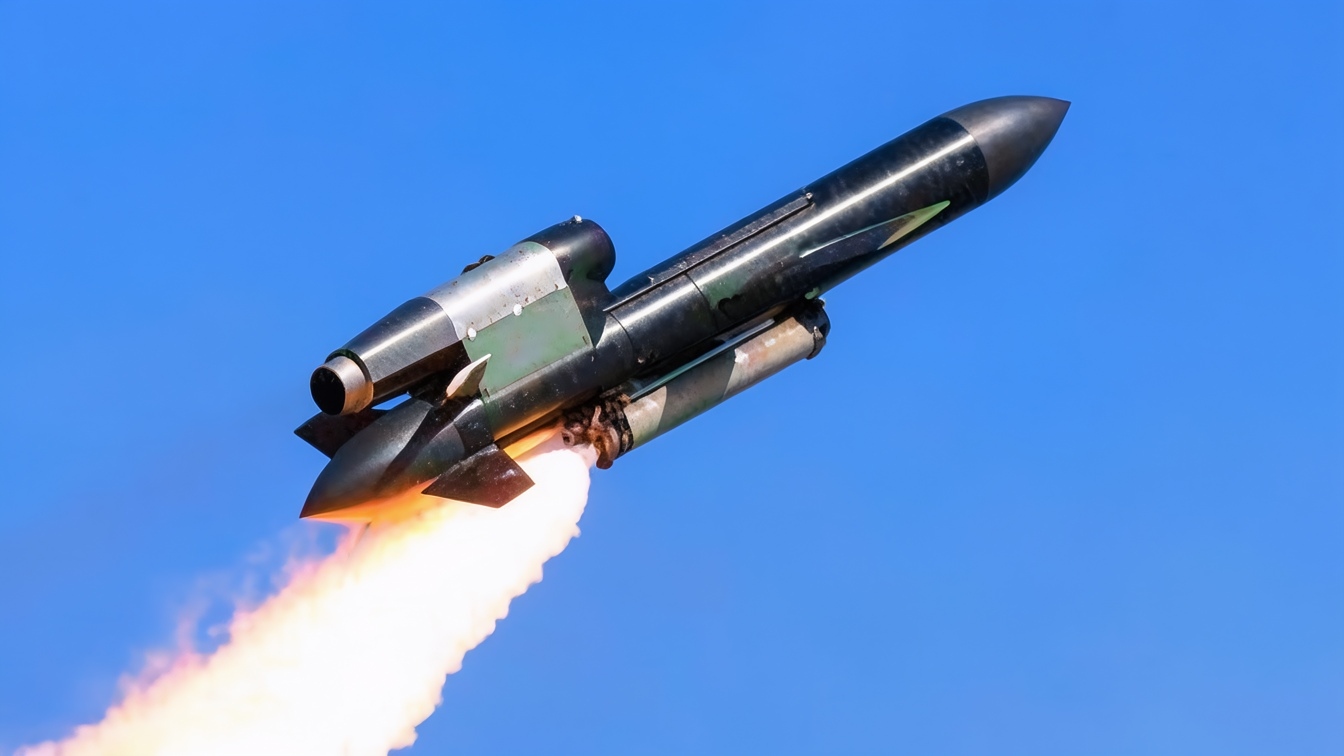
Ukraine launched another wave of strikes against Russian oil infrastructure, targeting two refineries and an oil pumping station in just one night.
The strikes, which took place overnight into Monday, November 23, caused fires at facilities in Russia’s Rostov and Perm regions.
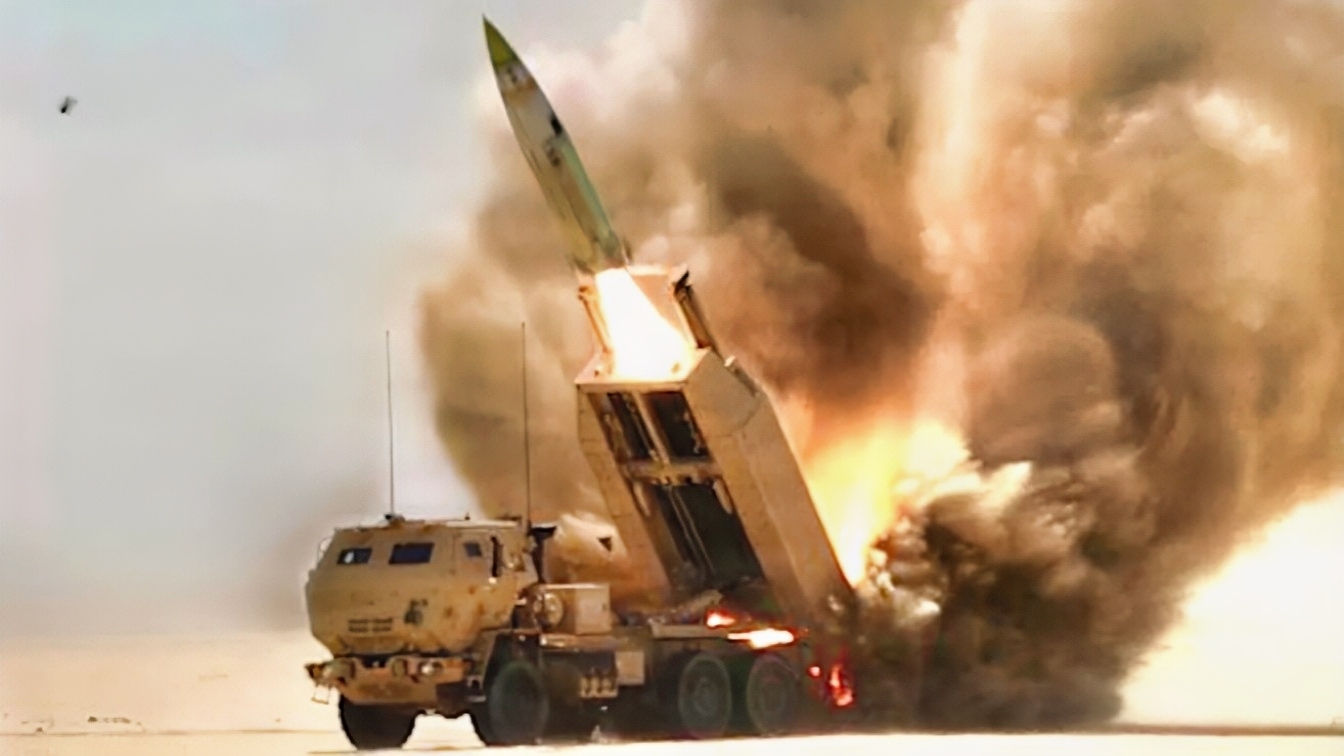
ATACMS Like Used in Ukraine Creative Commons
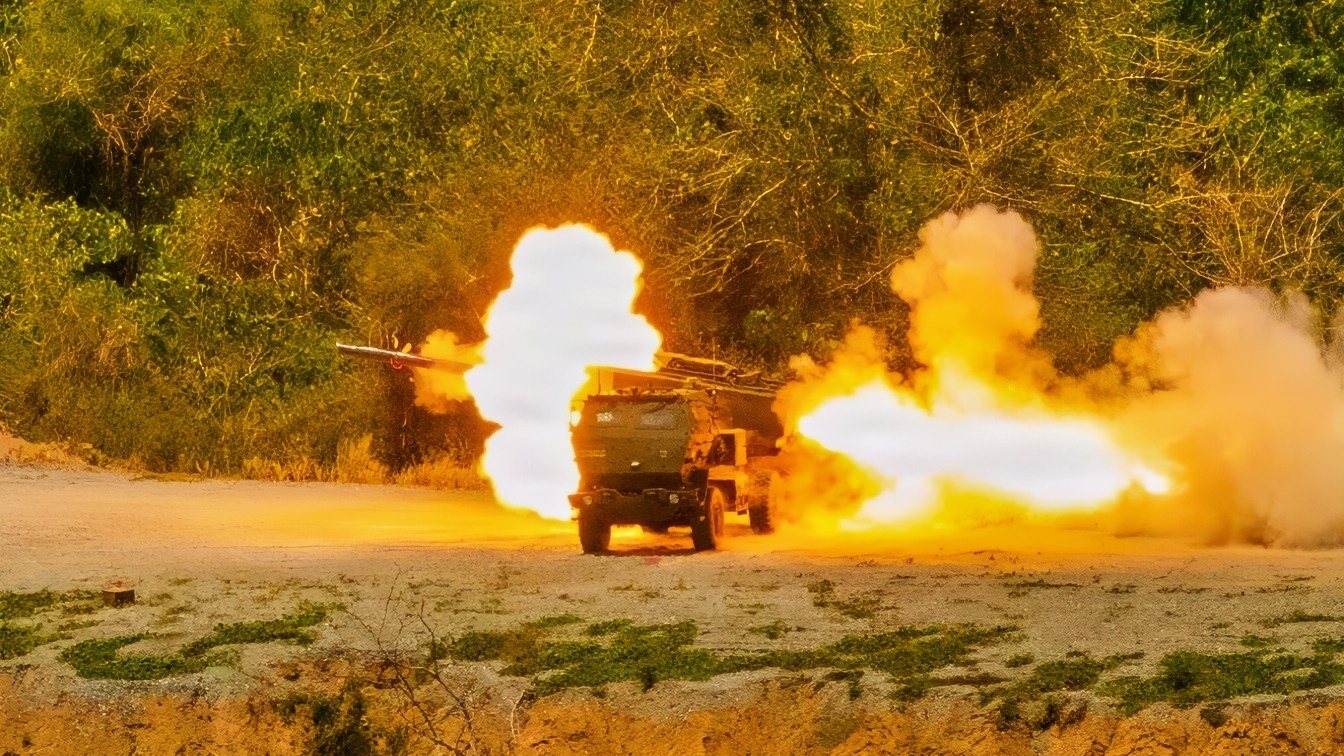
HIMARS Like Used in Ukraine Image Credit Creative Commons
The Novoshakhtinsk refinery was also forced to suspend operations.
The latest attacks come as new estimates suggest that Ukraine’s ongoing long-range strike campaign against Russian energy targets has significantly reduced the country’s daily oil refining output, with the latest data suggesting volumes have been reduced by almost half since the end of October.
On Monday, November 23, Russian authorities confirmed the damage at the industrial sites following strikes in the Perm region, where one person was killed, and two others were injured.
Bloomberg also reported that operations at Novoshakhtinsk were suspended after strikes that lasted more than six hours.
Refinery Forced to Shut Down
The Novoshakhtinsk Oil Products Plant in Russia’s Rostov region suspended operations after drone and missile strikes, with Rostov Governor Yury Slyusar confirming the shutdown on November 23. Slyusar reported that Russian defenses had engaged over 90 drones during the attack.
The Kyiv Independent also reported that Ukraine’s General Staff and Security Service confirmed that Ukrainian forces had targeted the refinery.
Ukrainian authorities say the operation damaged processing equipment and storage infrastructure. A nearby fuel logistics facility operated by TATA-GAZ was also impacted.
The General Staff also said that a Russian Pantsir air defense system and Pole-21 electronic warfare system were destroyed in the strikes, though those claims have not been independently verified.
“Overnight into November 23, Ukraine’s Defense Forces struck the Novoshakhtinsk Oil Products Plant in the Rostov region. Explosions were heard at the facility, and a fire broke out, visible even from satellite imagery,” the General Staff wrote in a statement.
Footage shared by Russian monitoring channels appeared to show large fires and smoke plumes billowing over the facility.
The strikes are a big problem for Russia, as the refinery is an important supplier of petroleum products in southern Russia.
It has also been targeted by Ukraine before.
Ukraine Strikes Major LUKOIL Refinery
The overnight strikes also targeted Russia’s LUKOIL-Permnefteorgsintez refinery in the Perm region. It is more than 1,000 miles from the nearest Ukrainian-held territory.
On November 23, reports revealed that the Ukrainian military confirmed striking the facility and claimed to have damaged three processing units.
Perm Governor Dmitry Makhonin confirmed that several industrial facilities were damaged in an attack involving 56 drones.
Independent Russian outlet ASTRA examined footage of the aftermath of the strikes, which appeared to show fires around the crude-processing infrastructure.
The facility processes over 13 million metric tons of crude oil every year and produces gasoline, diesel, aviation fuel, and several other petroleum products.
Pumping Station Hit
Meduza also reported on November 23 that Ukrainian drones targeted the Kaleykino oil pumping facility near Almetyevsk in the Tatarstan Republic.
The facility plays an important role in the Russian oil transportation network, handling crude oil from several regions before it is distributed to refineries and pipelines.
In a November 23 statement, Ukraine’s General Staff said four storage tanks at the Kaleykino facility were struck.
This came just four days after a separate strike at the same pumping station, during which three oil storage tanks, each of which was capable of holding up to 50,000 cubic meters of oil, were damaged.
Ukraine’s Security Service (SBU) also confirmed its involvement in the November 23 strikes, stating that long-range drones operated by its Alpha Special Operations Center had carried out the strike.
Russian Oil Exports Face More Disruption
The latest strikes come as no surprise. Russian oil exports through the Baltic and Black Seas are already facing major disruption caused by a combination of severe weather and ongoing Ukrainian drone strikes.
Oil refining capacity has also been significantly diminished in recent months by a long-range strike campaign that Ukrainian President Volodymyr Zelenskyy has characterized as “long-range sanctions.”
On Monday, Reuters reported that more than ten oil tankers had experienced delays while loading at Russian Baltic Sea ports during the first half of November.
The delays have further disrupted export schedules. Storms have been responsible for many of those delays, but Ukrainian drone strikes continue to disrupt operations at terminals also.
The problems became particularly severe at Ust-Luga, one of the most important Russian Baltic export hubs, after Ukrainian drone strikes hit the facility earlier in November. The Black Sea port of Novorossiysk has also experienced major disruptions caused by frequent drone warnings and storms.
The disruptions could push shipping costs even higher for Russian Urals crude destined for Asian markets.
About the Author: Jack Buckby
Jack Buckby is a British researcher and analyst specializing in defense and national security, based in New York. His work focuses on military capability, procurement, and strategic competition, and he produces and edits analysis for policy and defense audiences. He brings extensive editorial experience, with a career output spanning over 1,000 articles at National Security Journal, and has previously authored books and papers on extremism and deradicalization.


