

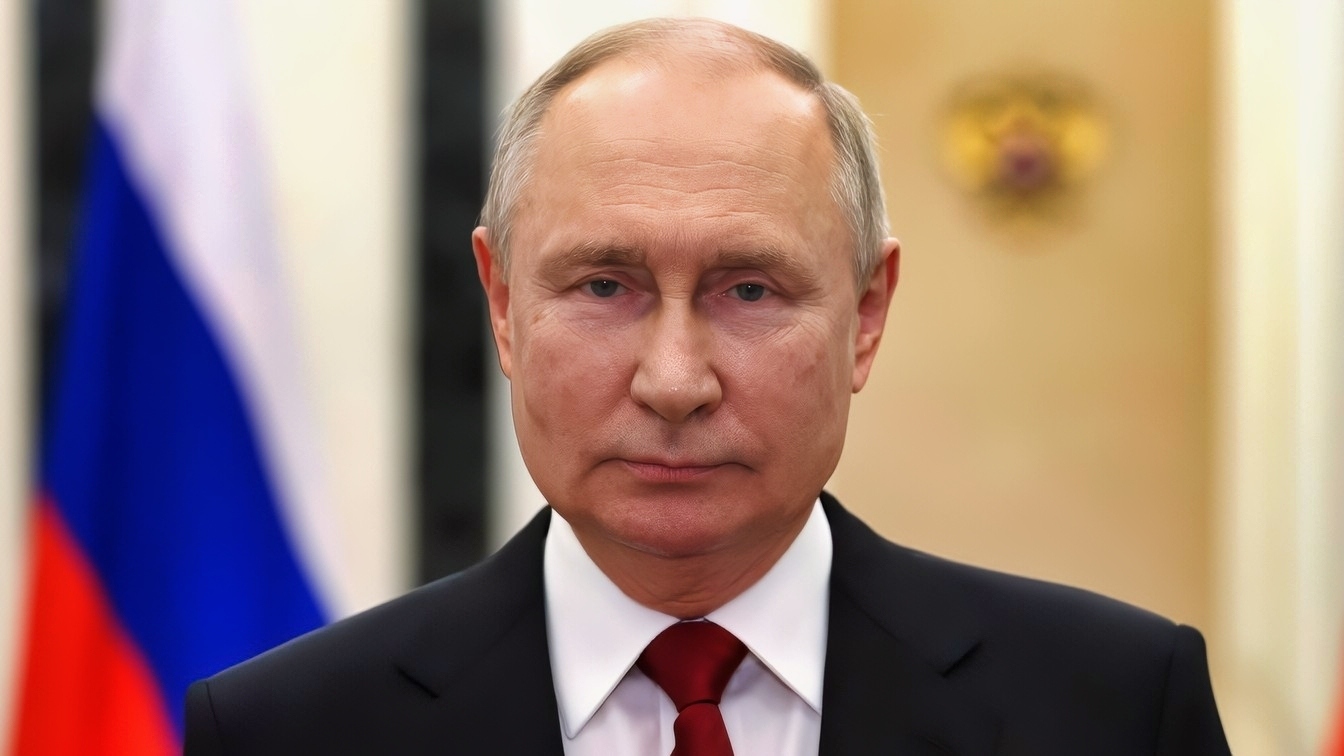
Russia Is Rerouting Siberian Fuel to Protect Moscow From Shortages: Russia is diverting gasoline from Siberia and the Urals toward Moscow and increasing imports from Belarus after Ukrainian drone strikes disrupted refineries across the country. A Reuters investigation into the emergency supply plan found that the capital region had stabilized by mid-July after shortages and long lines appeared following an attack on the Moscow Oil Refinery.
The underlying production gap remains serious. Russian gasoline output fell to the equivalent of about 65 percent of normal seasonal demand in early July, according to industry data reviewed by Reuters. Major facilities including NORSI, Omsk, and Saratov halted or reduced operations, creating a daily shortfall estimated at 40,000 to 45,000 metric tons.
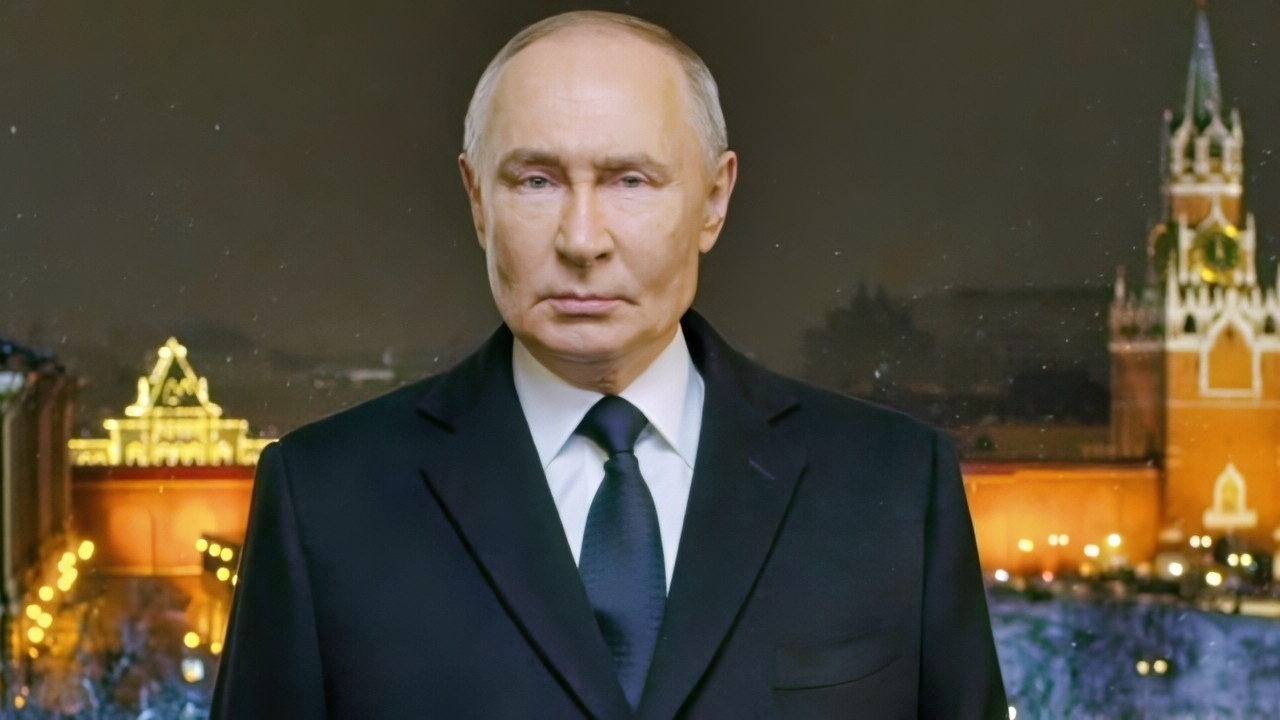
Putin Is Speaking Image from Russian Federation Government End of 2024
The June strike on the Moscow refinery damaged a primary unit responsible for 53 percent of the plant’s capacity. Reuters reported that operations stopped despite local emergency services initially saying production had not been affected. The Moscow region, home to roughly 22 million people, consumes about 6 million tons of gasoline each year.
Russia is also seeking fuel abroad. Russian energy companies approached Indian refiners after the attacks removed a large share of domestic capacity, and at least one Indian gasoline cargo sailed toward Russia through traders. The reversal in the Russia-India fuel trade shows how far the disruption has spread.
Russia Is Protecting Moscow by Moving the Shortage
Traders estimate that several hundred thousand additional tons have been redirected toward Moscow from other Russian regions, including supplies from the Achinsk refinery in Siberia. The move protects the country’s political and economic center, but it leaves less fuel available elsewhere. Crimea remains the most severely affected region, where Russian-installed authorities declared an economic emergency after rationing fuel and restricting public activity.
The distribution choice reflects the broader pressure created when Russia must divide protection between military operations and domestic energy infrastructure. Moscow can receive priority rail deliveries and imports. Smaller cities, agricultural regions, and occupied territories have fewer alternatives when local supplies tighten.
Keeping Moscow supplied also protects the Kremlin from the most visible political effect of the campaign. Fuel lines in the capital place the consequences of the war before millions of residents, government employees, and business leaders. Redirecting supply reduces that pressure in Moscow while transferring transportation costs and scarcity to regions with less political influence.
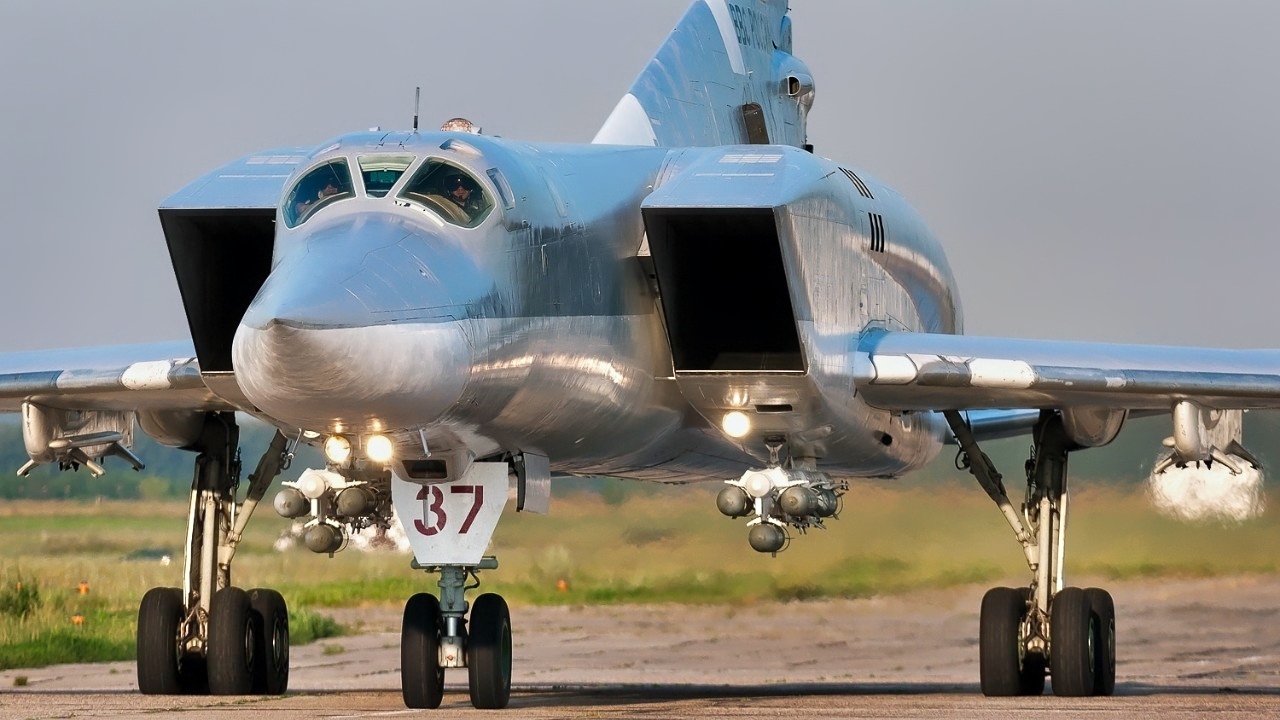
Russia Tu-22M Bomber. Image Credit: Creative Commons.
Ukraine Has Turned Refining Into a Logistics Problem
Ukraine has attacked refineries, depots, terminals, and related infrastructure more than 50 times since March, according to an Associated Press count. The campaign has reached facilities once considered protected by distance, including an attack that sent Ukrainian drones approximately 1,500 miles into Siberia.
Russia still has fuel stocks and functioning refineries. The difficulty is getting the right product to the right region while plants are shut, rail capacity is reassigned, and summer demand remains high. The strike on Omsk showed how damage at one major refinery can affect supply far beyond the facility.
Every additional route, import cargo, and emergency transfer raises cost and consumes transport capacity. Ukraine’s campaign is increasingly aimed at the commercial system supporting Russia’s war effort, while repeated attacks force Moscow to spread air defenses across a growing number of fixed targets.
Imports Buy Time Without Repairing Refineries
Belarusian gasoline and diesel deliveries reached record levels in June, while Russia began importing Indian-origin gasoline despite normally supplying India with crude. These measures can reduce queues in priority areas. They do not restore damaged processing units or remove the risk of another strike after repairs begin. Specialized refinery equipment can also take months to replace when sanctions complicate access to foreign components.
President Vladimir Putin acknowledged the shortages in late June and said a task force was working around the clock to secure supplies. Military formations and essential services are likely to remain high priorities, but civilian shortages still affect agriculture, transport companies, local budgets, and public confidence.
The next test will be whether Moscow can keep the capital fully supplied through the harvest and summer travel season without deepening rationing elsewhere. Russia has stabilized its most important market by moving fuel across enormous distances. The nationwide refining and distribution problem remains unresolved.
About the Author: Harry J. Kazianis
Harry J. Kazianis (@Grecianformula) is the former Senior Director of National Security Affairs at the Center for the National Interest (CFTNI), a foreign policy think tank founded by Richard Nixon based in Washington, DC. Harry has over a decade of experience in think tanks and national security publishing. His ideas have been published in the NY Times, The Washington Post, The Wall Street Journal, CNN, and many other outlets worldwide. He has held positions at CSIS, the Heritage Foundation, the University of Nottingham, and several other institutions related to national security research and studies. He is the former Executive Editor of the National Interest and the Diplomat. He holds a Master’s degree focusing on international affairs from Harvard University.


