

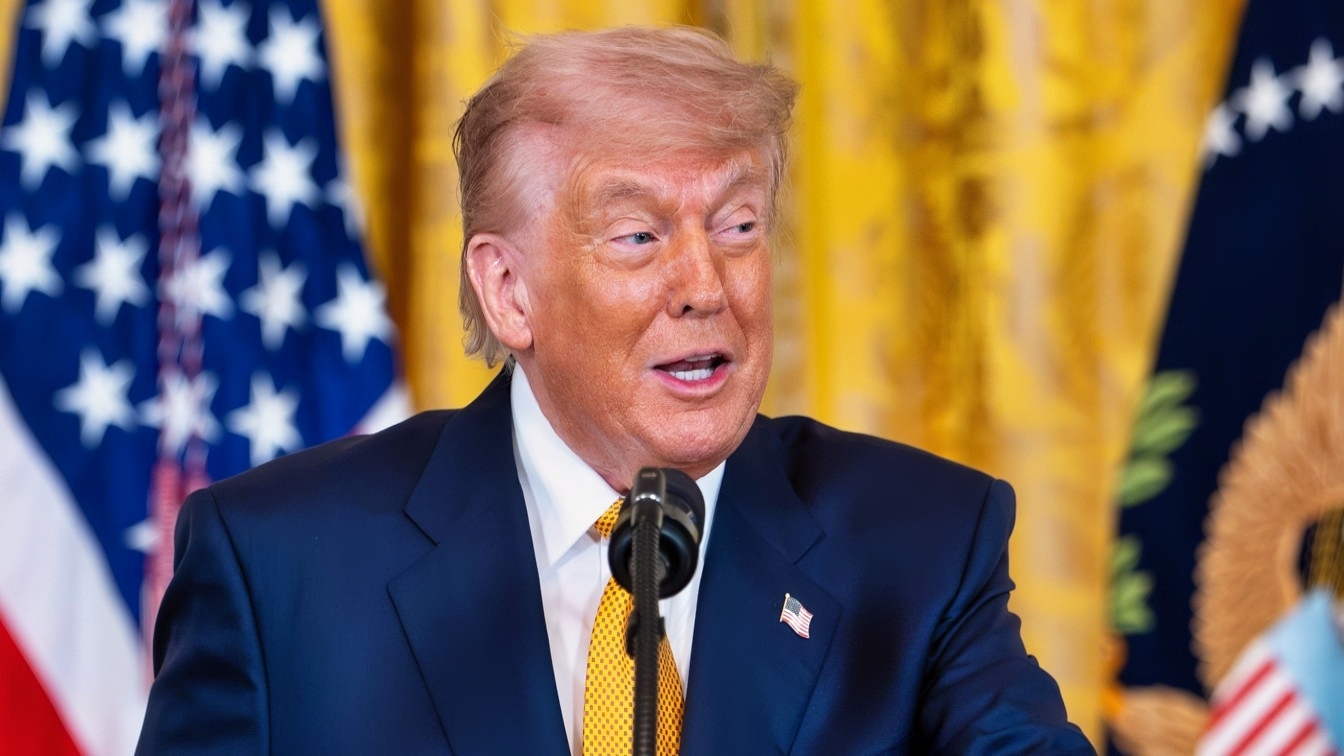
Trump Has a Problem: He Warned Oil Reserves Could Run Out in Four Weeks. Then He Restarted the Iran War – President Donald Trump explained at the Group of Seven summit in France on June 17 why he had signed a memorandum of understanding with Iran. If the fighting continued and the Strait of Hormuz stayed restricted, he said the world could “run out of reserves in about four weeks.” The remark came at the G7 meeting, several weeks before NATO leaders met in Ankara.
The memorandum was designed to halt attacks, reopen Hormuz and permit Iranian oil exports while Washington and Tehran negotiated a broader settlement. Oil prices fell sharply after the announcement because traders expected Gulf supply to return. Trump presented the agreement as a strategic success, but it also bought time for emergency stockpiles covering the lost barrels.

241204-N-VW723-2064 PACIFIC OCEAN (Dec. 4, 2024) The Los Angeles-class fast-attack submarine USS Greeneville (SSN 772) transits the Pacific Ocean while supporting a distinguished visitor embark, Dec. 4, 2024. Greeneville is one of four Los Angeles-class fast-attack submarines assigned to Commander, Submarine Squadron 11. These submarines are capable of supporting various missions, including: anti-submarine warfare; anti-ship warfare; strike warfare; and intelligence, surveillance, and reconnaissance. (U.S. Navy photo by Mass Communication Specialist 1st Class Keenan Daniels)
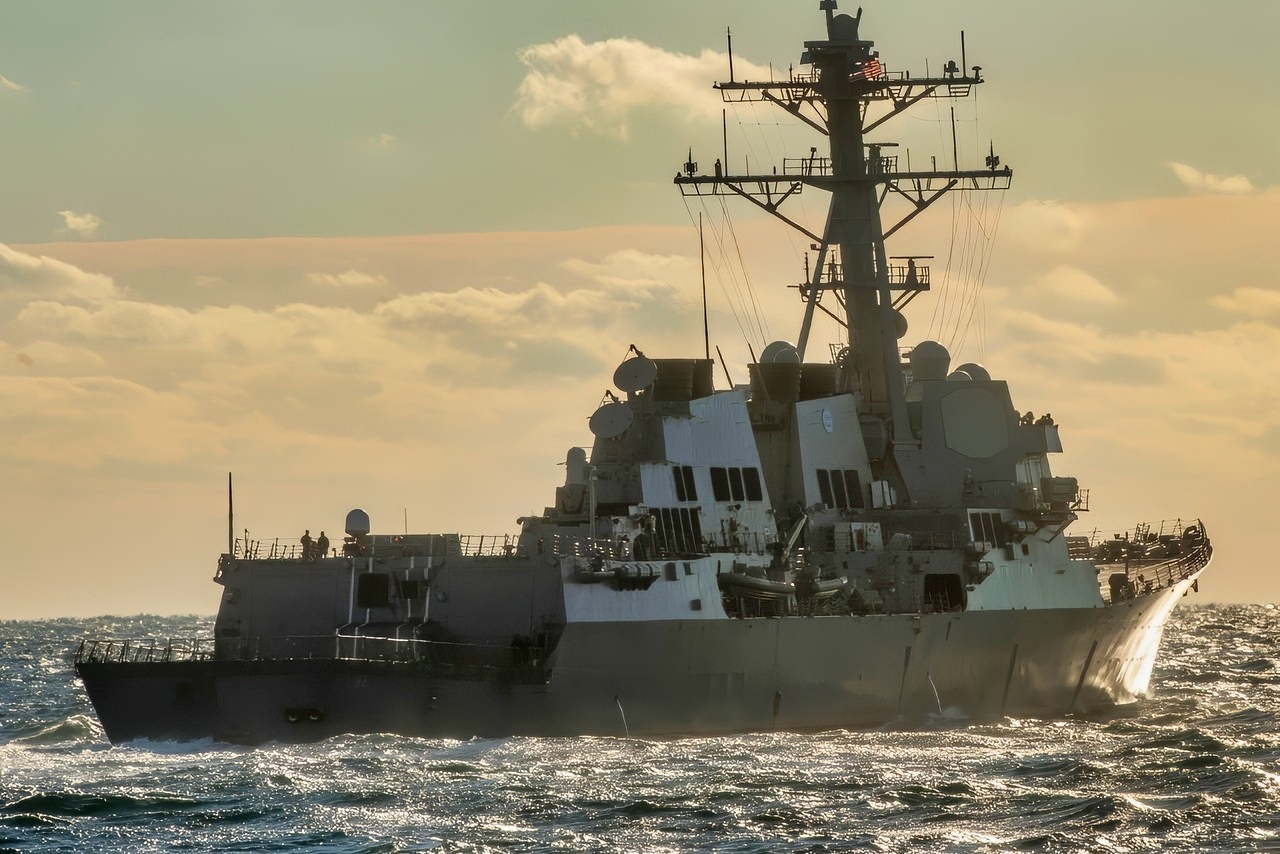
The Arleigh Burke-class guided-missile destroyer USS Lassen (DDG 82) moves into position for an underway exercise with the British Royal Navy aircraft carrier HMS Queen Elizabeth (R08) and Pre-Commissioning Unit (PCU) Michael Monsoor (DDG 1001). The future USS Michael Monsoor is the second ship in the Zumwalt-class of guided-missile destroyers. (Photo by Mass Communication Specialist 1st Class John Philip Wagner, Jr./Released)
That time has been spent. The United States resumed strikes after new Iranian attacks on shipping, restored its blockade of Iranian ports and returned to the conflict Trump had declared temporarily settled. Washington now faces the same supply calculation that helped produce the June agreement.
Only three vessels crossed Hormuz on each day from July 22 through July 24. Normal large-scale crude and liquefied natural gas traffic had not returned. The Red Sea route also became less dependable after the Houthis attacked Saudi tankers and threatened ships using Saudi ports.
Trump’s Four-Week Warning Described a Shrinking Energy Buffer
Oil would remain in fields, storage tanks and pipelines after four weeks. The immediate concern involved the emergency cushion available to replace interrupted Gulf exports. International Energy Agency members approved a record release of 400 million barrels in March. Reuters calculated that the entire amount would cover only about 20 days of supply lost during the worst Hormuz disruption.
The global system was surviving by drawing down inventories while normal trade remained impaired. The earlier warning helps explain why Trump accepted the Iran agreement, and the oil safety net has weakened further since then.
Hormuz and the Red Sea Are Now Part of the Same Supply Problem
Saudi Arabia increased shipments through its East-West Pipeline to Yanbu so crude could avoid Hormuz. Asia-bound cargoes from Yanbu normally pass through Bab el-Mandeb, where Houthi attacks have raised insurance costs and altered routes. Saudi Aramco has started offering more cargoes from Egypt’s Mediterranean coast because its direct Red Sea route has become less reliable.
Hormuz is moving only a fraction of normal traffic. Red Sea diversions can make some voyages to Asian customers nearly three times longer. The tanker fleet then spends more time completing each delivery, reducing the number of cargoes it can move. Saudi Arabia’s main alternative to Hormuz now faces its own security problem.
Iran gains leverage from pressure at Hormuz and Houthi action near Yemen. The Red Sea threat increases the economic cost of continued American strikes without requiring the Iranian navy to operate there. The Houthis have effectively become another source of pressure on global energy shipping.
American Inventories Leave Less Room for a Long Disruption
U.S. commercial inventories remain below normal seasonal levels. The Energy Information Administration reported that crude stocks were 6 percent below the five-year average in mid-July, gasoline was 7 percent below and distillates were 10 percent below. Those figures reduce the margin available when imports are disrupted and refineries are operating near full capacity.
Physical crude prices approached $110 per barrel on July 24 as buyers searched for alternatives. The price increase reflected competition for available barrels from the North Sea, West Africa and other suppliers. A prolonged crisis could first produce regional shortages of particular fuels, delayed deliveries and much higher prices.
Diesel, jet fuel and gasoline would tighten at different rates across individual markets. The wider problem is that emergency inventories have already absorbed months of disruption and cannot be released indefinitely.
Trump Recreated the Emergency That Drove Him to the MOU
The June memorandum acknowledged a practical limit on the campaign. The United States could continue striking Iran, while emergency stocks could replace lost oil flows only for a limited period. Washington returned to military pressure before the agreement produced durable rules for Hormuz, mine clearance or tanker passage.
The administration had previously considered delaying renewed military action because the energy and military costs favored continued negotiation. The return to strikes reversed that calculation before the oil system had fully recovered.
Trump’s warning may still prove too severe if diplomacy resumes quickly, demand weakens, or more supply reaches the market. The current direction makes the risk more credible. Hormuz traffic remains near zero, Saudi Arabia’s bypass faces Houthi pressure and physical crude is trading above $100.
The administration needs an agreement that restores regular tanker schedules through both waterways before reserve releases and rerouting reach their limits. Trump said in June that another month of blocked oil could produce severe economic disruption. The four-week calculation he cited then is again relevant to the decisions he makes now.
About the Author: Harry J. Kazianis
Harry J. Kazianis (@Grecianformula) was the former Senior Director of National Security Affairs at the Center for the National Interest (CFTNI), a foreign policy think tank founded by Richard Nixon based in Washington, DC. Harry has over a decade of experience in think tanks and national security publishing. His ideas have been published in the NY Times, The Washington Post, The Wall Street Journal, CNN, and many other outlets worldwide. He has held positions at CSIS, the Heritage Foundation, the University of Nottingham, and several other institutions related to national security research and studies. He is the former Executive Editor of the National Interest and the Diplomat. He holds a Master’s degree focusing on international affairs from Harvard University.


