

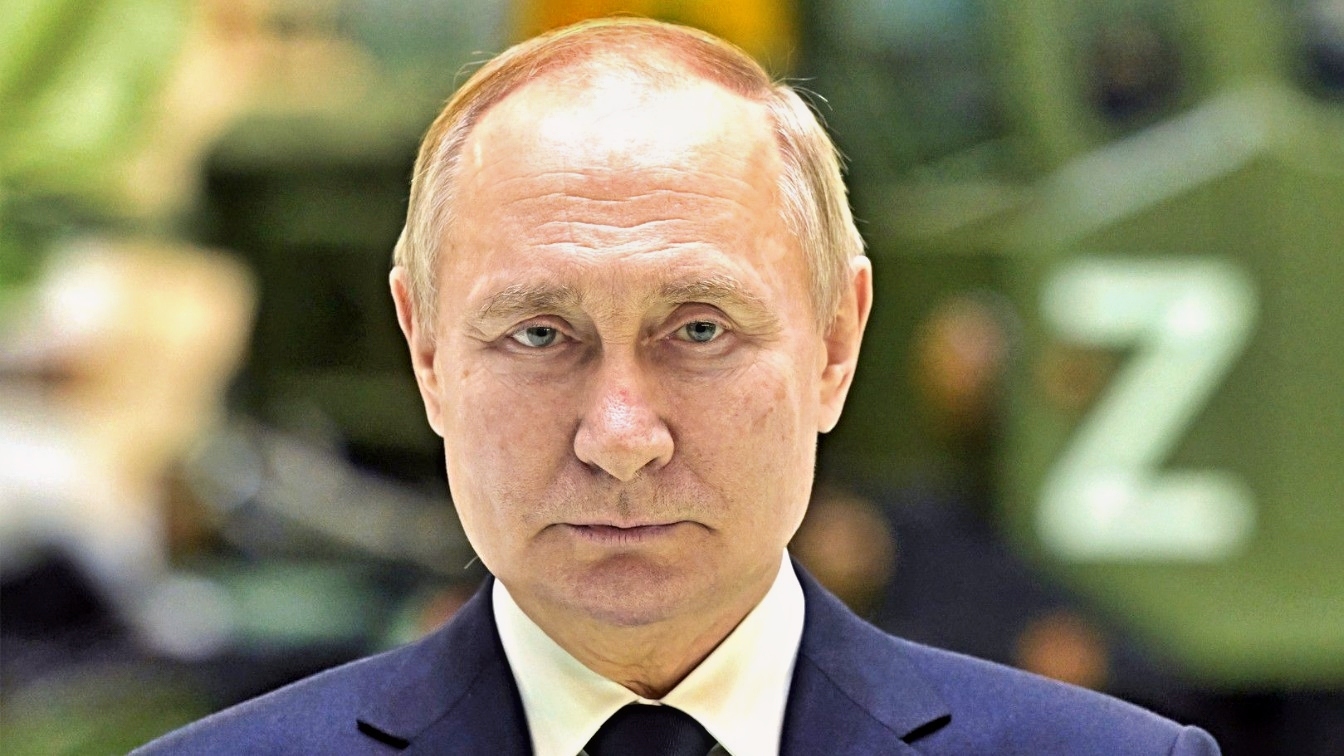
Russian President Vladimir Putin has finally acknowledged a monumental miscalculation on the part of his government with regard to the Ukraine war. Speaking at last week’s Eastern Economic Forum in the Pacific coast city of Vladivostok, the former mid-level KGB officer admitted that he and his military were fundamentally unprepared for the scale and intensity of Ukraine’s attacks on Russia’s oil refineries.
The net effect of the Ukrainian campaign, which its president Volodymyr Zelenskiy has referred to as “long-range sanctions”. In late July, the Ukrainian leader declared, “Today we approved the continuation of our operations and updated the list of priority targets in line with their real impact on Russia and its ability to continue and prolong this war.”

Putin Meeting with Indian Leaders Creative Commons Photo 2021
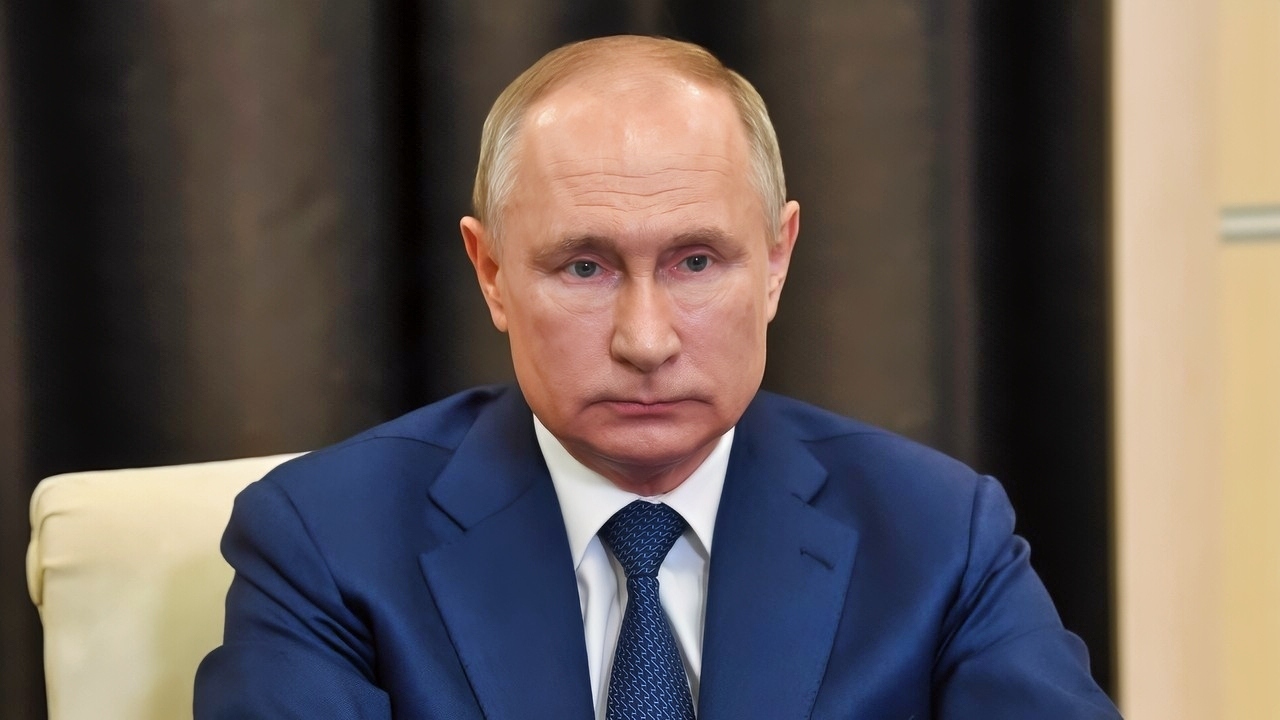
Vladimir Putin in Dec of 2020 Creative Commons Image
Zelenskiy continued by saying that what he called a “pressure campaign” was intended to increase the strains caused by the war on Russia by disrupting weapons component production, degrading the production capacity in the country’s oil industry – as well as in other sectors of its economy.
In the end, he said, Ukraine’s drone warfare would bring the consequences of the war back to Russian territory and its population.
Zelenskiy added in the same set of statements that Ukraine had launched more than 1,000 long-range drone strikes since the “long-range sanctions” had begun earlier in the year.
The attacks on Russia’s oil sector have had the desired effect. Fuel production has been significantly reduced, and the drone campaign has created what The Moscow Times described as Russia’s worst fuel crisis in its modern history.
What Happens When You Assume
In the vein of that famous saying about what happens when you assume something, Putin told the Forum that the Kremlin had been operating on the basis that these refineries would remain untouched by any airborne strikes.
This assumption was made because Russia considered them civilian facilities and not legitimate military strikes. (Apparently, whether or not Ukraine considered them to be strictly civilian targets was not a consideration in the Kremlin.)
“We proceeded from the assumption that these were purely civilian facilities and that they could not be targets of any attacks, even in an armed conflict,” Putin said. “But in that sense, we were mistaken. Unfortunately, our opponent thinks differently.”
The Russian president-for-life was then asked directly whether or not the population should become accustomed to fuel shortages.
Putin did not answer directly but intimated that the fuel crisis could continue for some time.
“We must be prepared for anything,” he said. “Only our preparedness will make it clear to everyone who wants to harm us that it is better not to do so.” Putin also said Russia was “forced to respond in kind” to attacks on refineries and characterized Moscow’s planned response as “significant.”
“It is the height of barbarity for Putin to accuse the Ukrainians of having wantonly attacked ‘civilian’ targets,” said an exec from one of the leading anti-drone system companies in Ukraine.
“This is coming from a man whose bombers launch cruise missiles into areas of Kyiv where there are no military facilities of any kind. And what do the missiles hit? The largest children’s hospital in all of Ukraine. Or they send four missiles to hit the same apartment block – but they send them in two double-tap style waves so that the second pair make sure to kill the emergency workers trying to dig survivors out of the rubble.”
Air Defense Deficit
Ukrainian drones have struck Russian oil refineries at least 70 times since the beginning of 2026, degrading Russia’s refining output to its lowest level in two decades. Ukraine carried out at least 21 attacks on Russian oil refineries in August alone, a record number for a single month, as Bloomberg has previously reported.
“As long as the special military operation continues, there is only one response — strengthening the air defense system,” said Putin.
But the reality is that Russia’s armed forces lack enough air-defense batteries to even guard all its own facilities, bases, and depots – let alone industrial facilities.
In response, Russian oil companies are independently (with their own money) strengthening air defenses around their facilities and gradually restoring damaged plants, Putin explained.
He also claimed that the remaining 10 percent of damaged production capacity was expected to be restored soon.
Meanwhile, Putin’s popularity does not remain unaffected by the fuel crisis and the impression that Ukraine can strike wherever it wants to in Russia.
The former KGB Lt. Col.’s domestic approval rating fell by a record 5 percentage points to an “official” 66 percent, its lowest level in nearly four years, since the autumn of 2022.
About the Author: Reuben F. Johnson
Reuben F. Johnson has thirty-six years of experience analyzing and reporting on foreign weapons systems, defense technologies, and international arms export policy. Johnson is the Korea Fellow at the Casimir Pulaski Foundation. He is also a survivor of the Russian invasion of Ukraine in February 2022. He worked for years in the American defense industry as a foreign technology analyst and later as a consultant for the U.S. Department of Defense, the Departments of the Navy and Air Force, and the governments of the United Kingdom and Australia. In 2022-2023, he won two awards in a row for his defense reporting. He holds a bachelor’s degree from DePauw University and a master’s degree from Miami University in Ohio, specializing in Soviet and Russian studies. He lives in Warsaw.


