

The conflict in Iran caused what has been characterized as the largest energy disruption in world history, according to the International Energy Agency (IEA).
The IEA’s Executive Director has said the combined impacts amount to “the greatest threat to global energy security in history.”
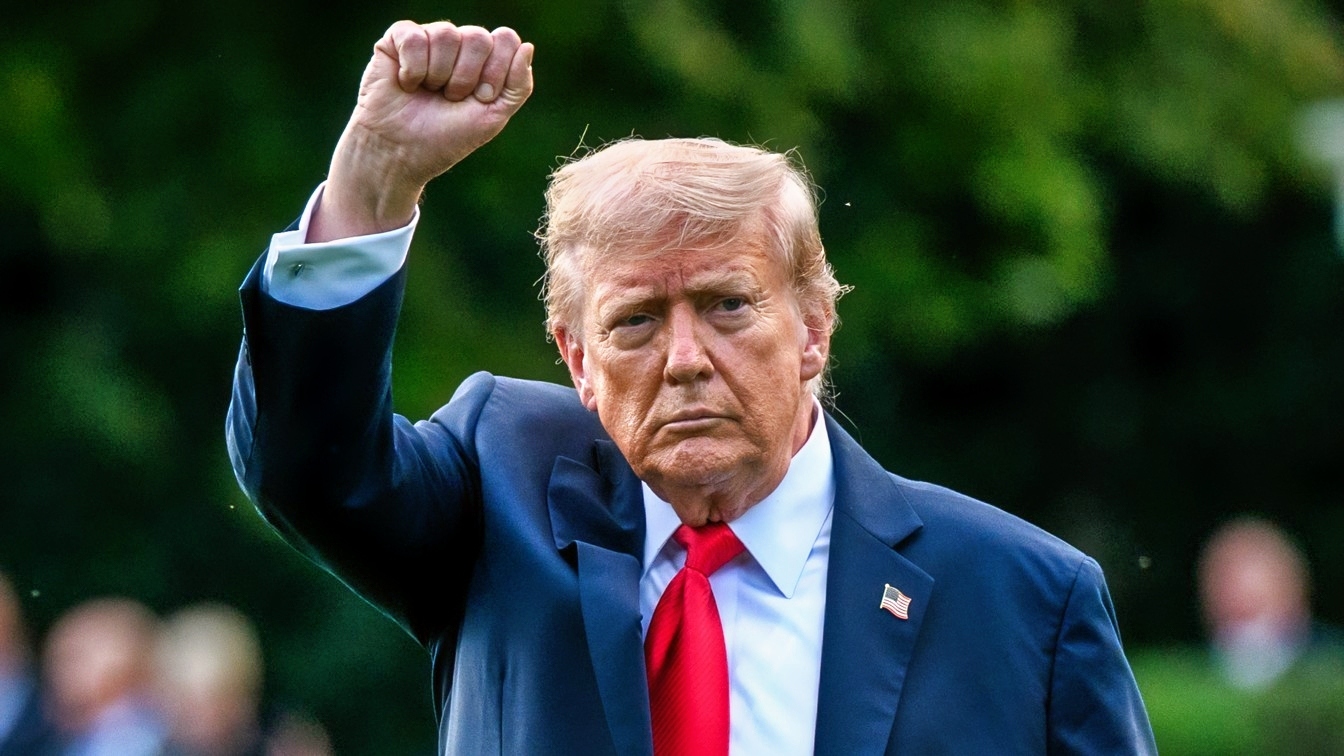
President Donald Trump boards Marine One on the South Lawn of the White House en route to Joint Base Andrews, Maryland on Thursday, September 11, 2025, for a trip to New York. (Official White House Photo by Molly Riley)
At its peak, the crisis resulted in the loss of up to 14 million barrels per day, with roughly 20 percent of global oil flows and liquefied natural gas (LNG) stopped due to the closure of the Strait of Hormuz to tanker traffic.
However, the world has absorbed the loss of over a billion barrels of oil supply since the Iran war began, surprisingly easily, but with strategic oil reserves now drained, any further disruption could cause prices to rise dramatically again.
Oil Prices Have Dropped To Pre-Conflict Levels
Some energy analysts panicked early in the conflict, fearing that large areas of the world, specifically Asia and parts of Europe, would run out of gasoline, oil, diesel, and jet fuel.
This caused oil prices to spike to a high of $126 a barrel in April. However, that was still about $20 per barrel below the 2008 record, largely due to countries drawing on their strategic reserves.
With traffic resuming in the Strait of Hormuz (for now), benchmark Brent oil prices are lower than they were when the conflict began in late February. At 11:00 a.m. on Monday, oil was trading at $68.67.
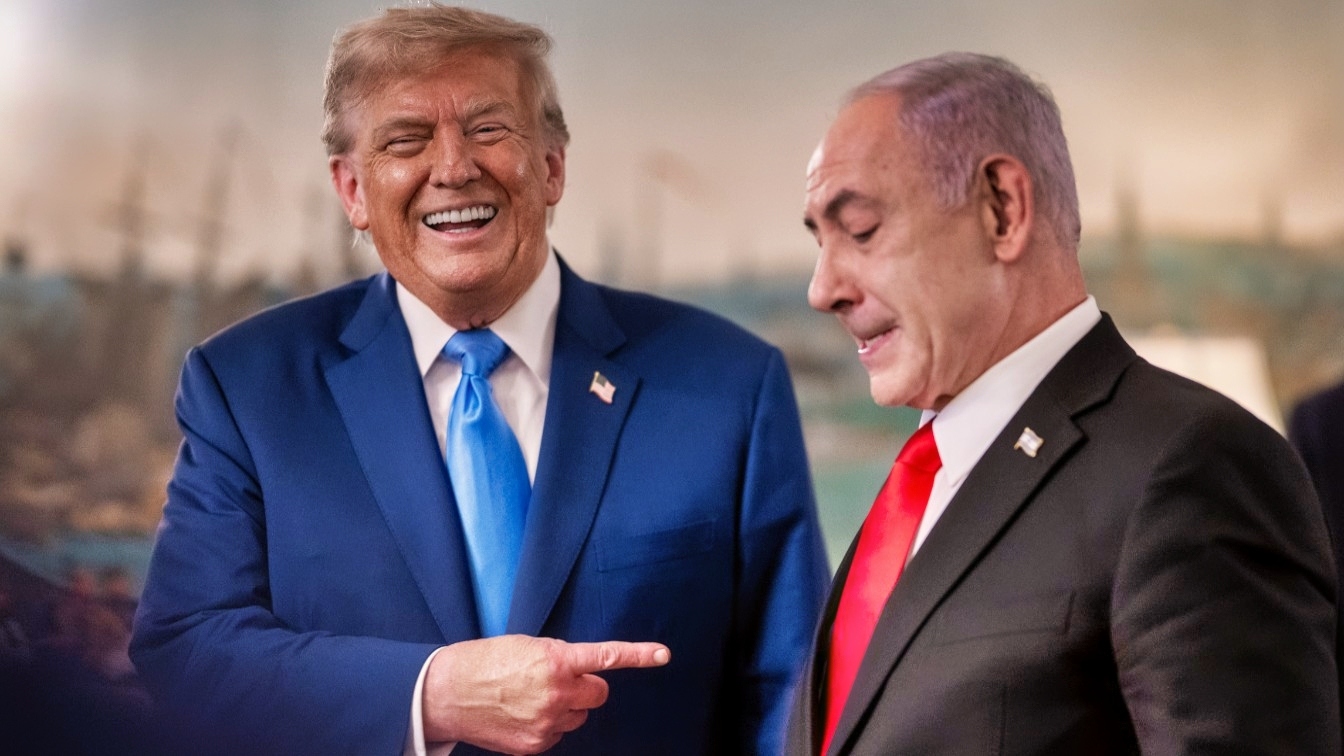
President Donald Trump and Israeli Prime Minister Benjamin Netanyahu speak privately in the Vermeil Room before a dinner, Monday, July 7, 2025, at the White House. (Official White House Photo by Daniel Torok)
John Baffes, senior economist at the World Bank, said, “This suggests traders viewed the disruption as serious but manageable, reflecting confidence in today’s more resilient energy and economic systems.”
Factors That Helped Weather The Crisis
Three of the biggest factors that helped weather the crisis and prevent it from reaching the worst-case scenario predicted by some analysts.
The aforementioned release of one billion barrels of oil from countries’ strategic reserves definitely eased the pinch of oil shortages.
Large oil producers, Saudi Arabia and the UAE, found alternative export routes via the already existing pipelines that bypass the Strait of Hormuz. Both countries are also beginning construction of expanded pipelines that will allow them to further bypass the Strait if Iran tries to close it.
China curtailed its oil purchasing during this period. The Chinese had about 1.4 billion barrels of oil in their strategic reserves, which is more than all 32 members of the IEA combined, according to the US Energy Information Administration. The United States has 413 million barrels of strategic oil reserves.
The Chinese began rapidly increasing their oil reserves in 2025, precisely in anticipation of the kind of supply disruption that occurred. And while they were seemingly better prepared than everyone else, it should be noted that China is the world’s largest oil importer, with no oil production of its own. The US is now the world’s largest oil producer.
Many analysts argue that the US SPR is too small and should be returned to its peak of 700 million barrels. That argument has merit considering what has transpired. But the US can stock its reserves with oil from its own production.
The Chinese have been concerned for decades about the country’s dependence on narrow shipping chokepoints such as the Strait of Hormuz, where it gets much of its oil, and the Strait of Malacca
Other oil producers, including the United States, Venezuela, Canada, and Kazakhstan, increased oil production to offset the loss of traffic through the Strait.
With the current prices below the pre-conflict levels,many analysts believe that the peace initiative via the Memorandum of Understanding (MOU) is real and will hold up, despite the continuing rhetoric on both sides.
Still, The Lost Buffers Of Oil Reserves Concern Analysts
Following the ongoing conflicts in the Middle East and the closure of the Strait of Hormuz, over a billion barrels of oil were lost to the global market.
Aggressive drawdowns from the U.S. Strategic Petroleum Reserve (SPR) have left reserves at half their normal capacity—their lowest levels since 1983.
With global commercial inventories and national reserves at historic lows, the world has lost its physical safety net of strategic oil reserves. And analysts are concerned that any new geopolitical disruption could trigger massive, sudden price spikes.
Some analysts are concerned that an overly optimistic market isn’t taking into consideration the risk of continuing supply challenges, not least of which was the fresh fighting in the Gulf, resulting in Iran striking Bahrain and Qatar, while the US hit targets in Iran.
In addition, most analysts believe that traffic in the Strait of Hormuz is unlikely to return to pre-conflict levels anytime soon, due to Iran’s insistence on asserting control over the waterway and charging tolls or fees for ships passing through.
Business Times posted that although Saudi Arabia, Kuwait, Qatar, Iraq, and Bahrain have resumed production and exports, it will take time, in some cases years, before they fully repair the damage to their energy infrastructure caused by Iranian missile and drone attacks.
“The markets may be underestimating the risk of further oil flow disruptions,” said Saul Kavonic, head of research at MST Marquee. “Iran is likely to continue to find pretexts to stymie flows through the strait.”
Will Tankers Return To The Strait After Delivering Their Oil
Nikos Petrakakos, managing director of investments at Tufton Investment Management, said that, while tankers are streaming through the Strait for now, many shipping companies are rightfully wary about sending vessels back through the waterway in the future, citing obvious concerns over whether the peace deal will hold, the dangers of remaining sea mines and elevated war-risk insurance premiums.
With Iran almost daily threatening shipping in the Strait, in trying to blackmail the rest of the world for fees in passing through in the future, they see a $40 billion cash cow. However, alternatives are already being sought.
“Even though there is some more motion going on, in general, we’re nowhere near being back to where it was,” Petrakakos said in an interview with CNBC’s “Europe Early Edition” on Monday.
Irina Slav wrote in Oilprice.com. The falling prices are tied to stranded tankers exiting the Strait, but there aren’t new tankers streaming in to refill them.
“The market is largely focused on the resumption of oil flows through the Strait of Hormuz, which continues to increase,” IMG, the Dutch bank’s commodity team, wrote today. “However, much of the increase reflects previously stranded vessels leaving the Persian Gulf. Vessel flows into the Gulf remain much more modest.”
The Wall Street Journal quoted Phillips 66’s chief executive, Mark Lashier, as estimating some 90 to 100 million barrels set to leave the strait and adding, “Then the question is: Who will be brave enough to send ships back in?
Will they be able to get insurance? How does that all play out?”
So, while oil is flowing out of the Strait of Hormuz, as stranded tankers are streaming out as quickly as possible before any other disruptions occur, and prices fall because of that influx of oil to the markets, what happens after oil is sold, and will companies seek to return or find supplies elsewhere?
And how will reduced traffic through the Strait affect the strategic oil reserves of countries worldwide?
About the Author: Steve Balestrieri
Steve Balestrieri is a National Security Columnist. He served as a US Army Special Forces NCO and Warrant Officer. In addition to writing on defense, he covers the NFL for PatsFans.com and is a member of the Pro Football Writers of America (PFWA). His work was regularly featured in many military publications


