

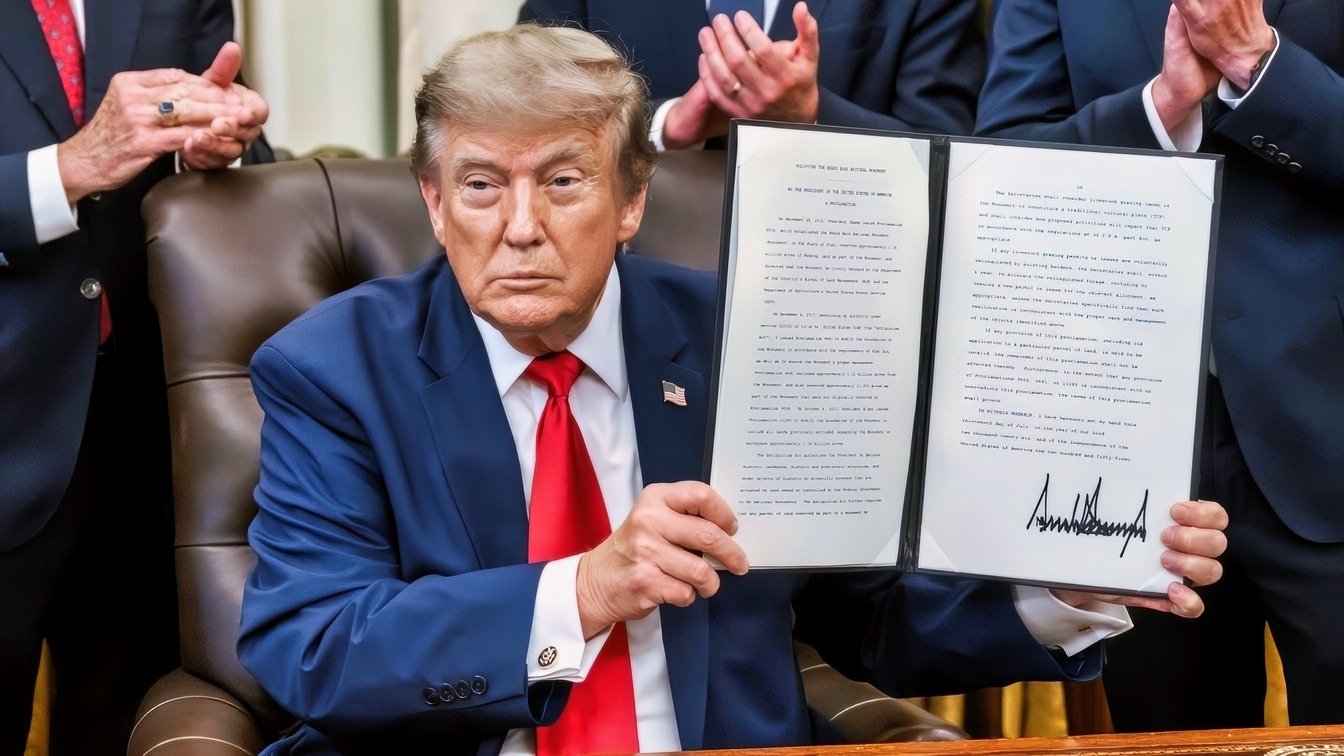
Trump Paused Iran Strikes as Patriot Stocks Became a Strategic Limit: President Donald Trump delayed a larger offensive against Iran after senior advisers raised two problems: the bombing campaign had reached the limits of its most useful target set, and another escalation would place greater pressure on shrinking American air-defense inventories. A Wall Street Journal report said the postponed operation could have continued for up to two weeks.
The decision followed 13 consecutive nights of U.S. strikes. Reuters reported that Iran also suspended retaliatory operations while the American pause held. Gen. Dan Caine, chairman of the Joint Chiefs of Staff, reportedly warned that renewed major combat would carry added risk because of the effect on interceptor stocks.
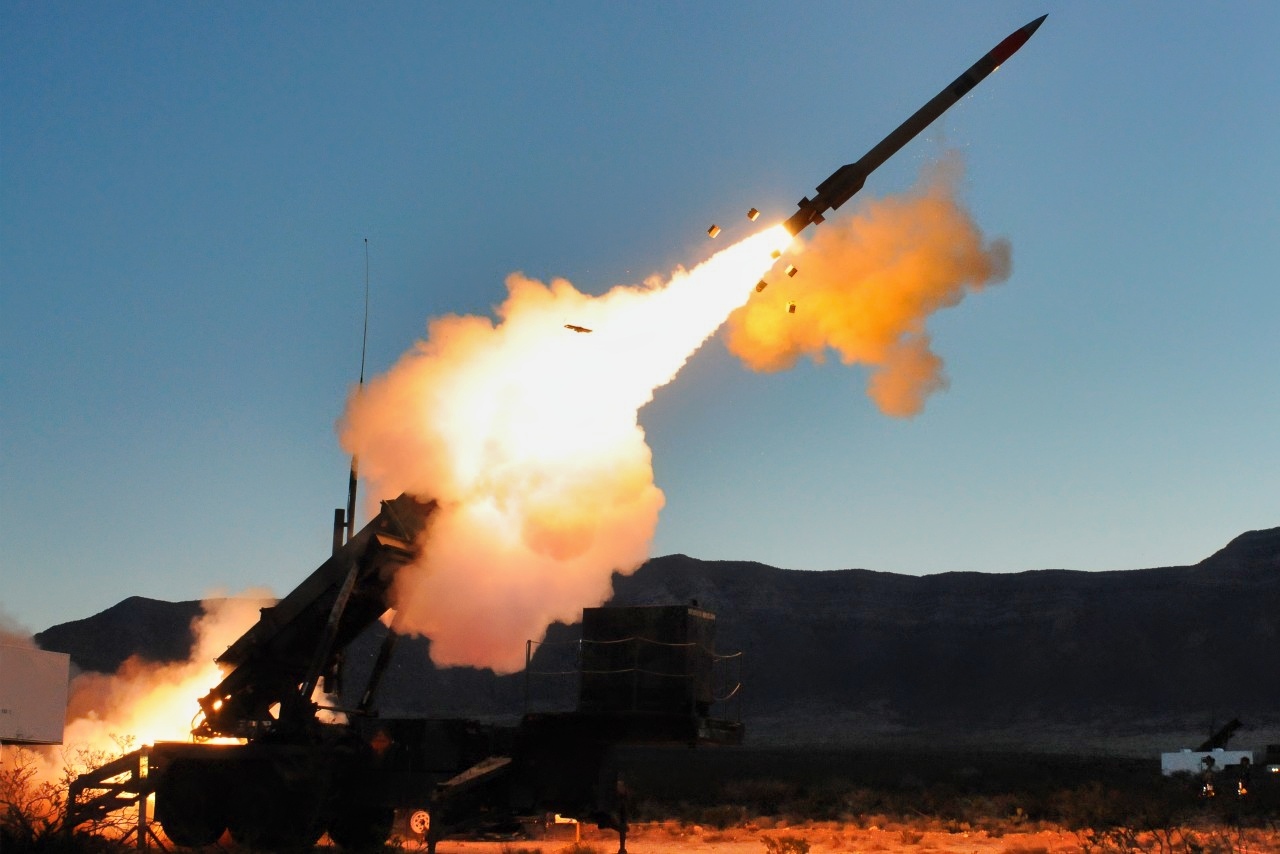
The PAC-3 MSE is a highly sought-after air defense munition due to its advanced capabilities and versatility. As a next-generation interceptor, it offers improved range, speed, and maneuverability, making it an effective counter to a wide range of threats, including tactical ballistic missiles, cruise missiles, and aircraft. (Official U.S. Army photo)
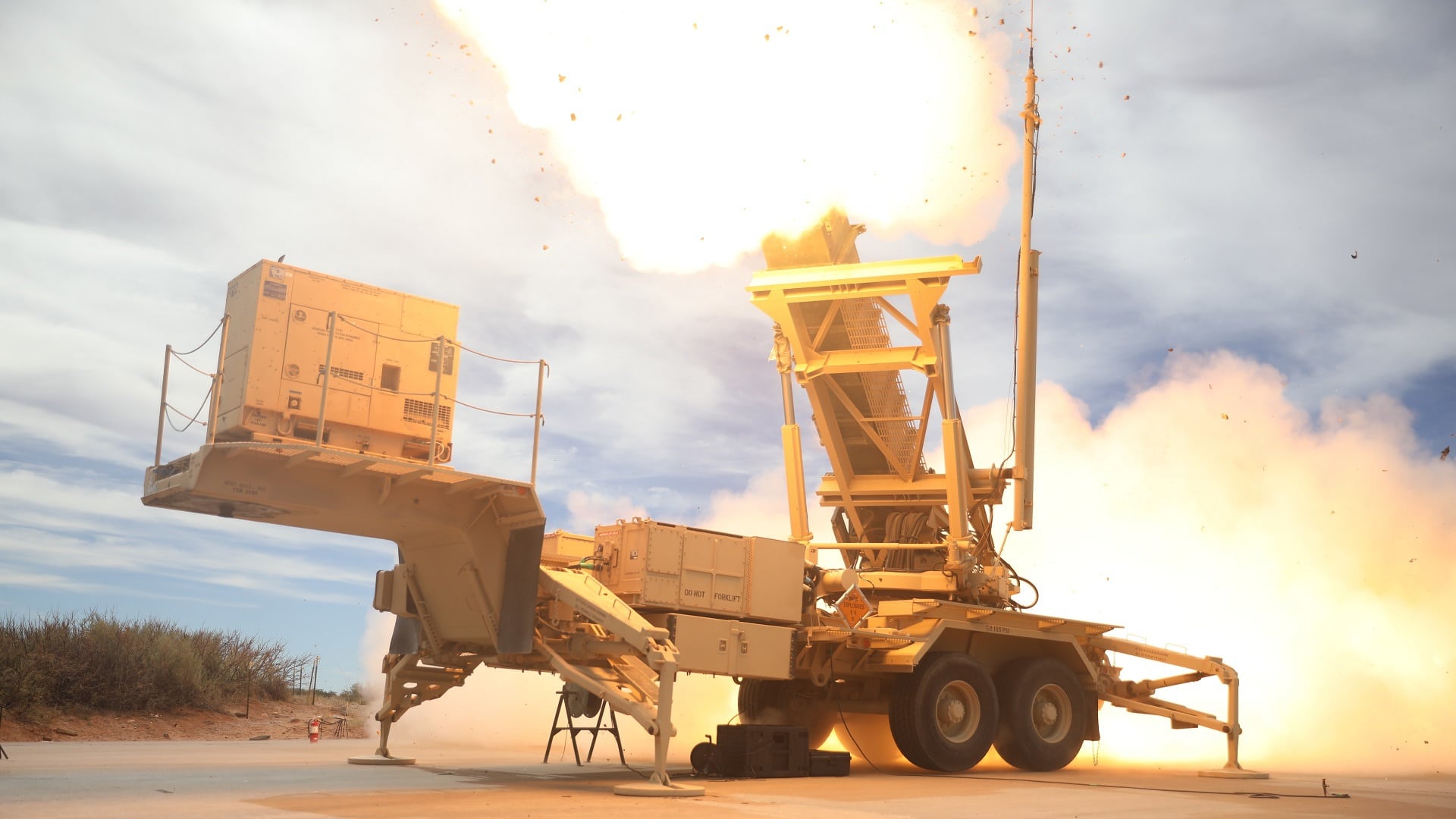
Patriot Missile. Image Credit: Creative Commons.
The Journal reported that at least 1,500 Patriot interceptors had been used since the war began and that fewer than 1,000 remained. The Pentagon has not publicly confirmed those classified estimates, and the number may include different Patriot variants used across several defensive operations. The direction of the problem is clearer than the exact count.
U.S. Central Command’s last announced operation was the 13th night of strikes, which targeted command centers, drone facilities, communications networks and maritime capabilities. The pause stops new bombing for the moment. It does not end the naval blockade or resolve the dispute over the Strait of Hormuz.
The Pentagon Needs Patriot Missiles to Defend U.S. Bases
Air-defense interceptors protect American personnel, airfields, ports and allied cities from Iranian ballistic missiles and drones. A larger U.S. attack would invite another Iranian response and increase demand for the same weapons advisers are trying to preserve.
Iran has shown that missile salvos measured in the hundreds can strain the American system. A conflict with China could involve a much larger volume across the Pacific. That is why the Iran campaign has become a readiness test for another theater, not only a Middle Eastern stockpile problem.
Demand also includes Gulf allies, European customers and Ukraine. Earlier warnings of a missile-defense inventory crisis became more serious after another 13 nights of combat.
Lockheed Martin Cannot Replace Interceptors as Fast as War Uses Them
A CSIS production analysis estimates that Patriot, THAAD and Tomahawk inventories will require at least three years to return to prewar levels under current delivery schedules. Money can expand orders, but rocket motors, electronics, workers and testing determine when completed weapons arrive.
Lockheed Martin says PAC-3 MSE production capacity is rising from approximately 600 interceptors a year toward 2,000 annually under a seven-year agreement. A separate plan would increase THAAD capacity from 96 to 400 interceptors per year. Those expansions cannot replace a large wartime expenditure during the current pause.
The United States still has enough munitions for plausible operations in the current war, but rebuilding the defensive magazine will take years. Every additional Iranian salvo lengthens that schedule.
The Iran Pause Gives Washington Time, Not New Missiles
Iran has described the current arrangement as attack for attack: if the United States remains quiet, Tehran says it will also hold fire. Oman-mediated talks over Hormuz continue while Trump keeps the option of renewed strikes open. The pause gives diplomats room to work and prevents another immediate exchange of missiles and interceptors.
That breathing space will not solve the industrial problem. The contest has become a race between economic pressure on Iran and depletion inside the American arsenal. Trump’s next decision will arrive long before expanded Patriot and THAAD production lines deliver their promised annual output.
About the Author: Harry J. Kazianis
Harry J. Kazianis (@Grecianformula) is the former Senior Director of National Security Affairs at the Center for the National Interest (CFTNI), a foreign policy think tank founded by Richard Nixon based in Washington, DC. Harry has over a decade of experience in think tanks and national security publishing. His ideas have been published in the NY Times, The Washington Post, The Wall Street Journal, CNN, and many other outlets worldwide. He has held positions at CSIS, the Heritage Foundation, the University of Nottingham, and several other institutions related to national security research and studies. He is the former Executive Editor of the National Interest and the Diplomat. He holds a Master’s degree focusing on international affairs from Harvard University.


