

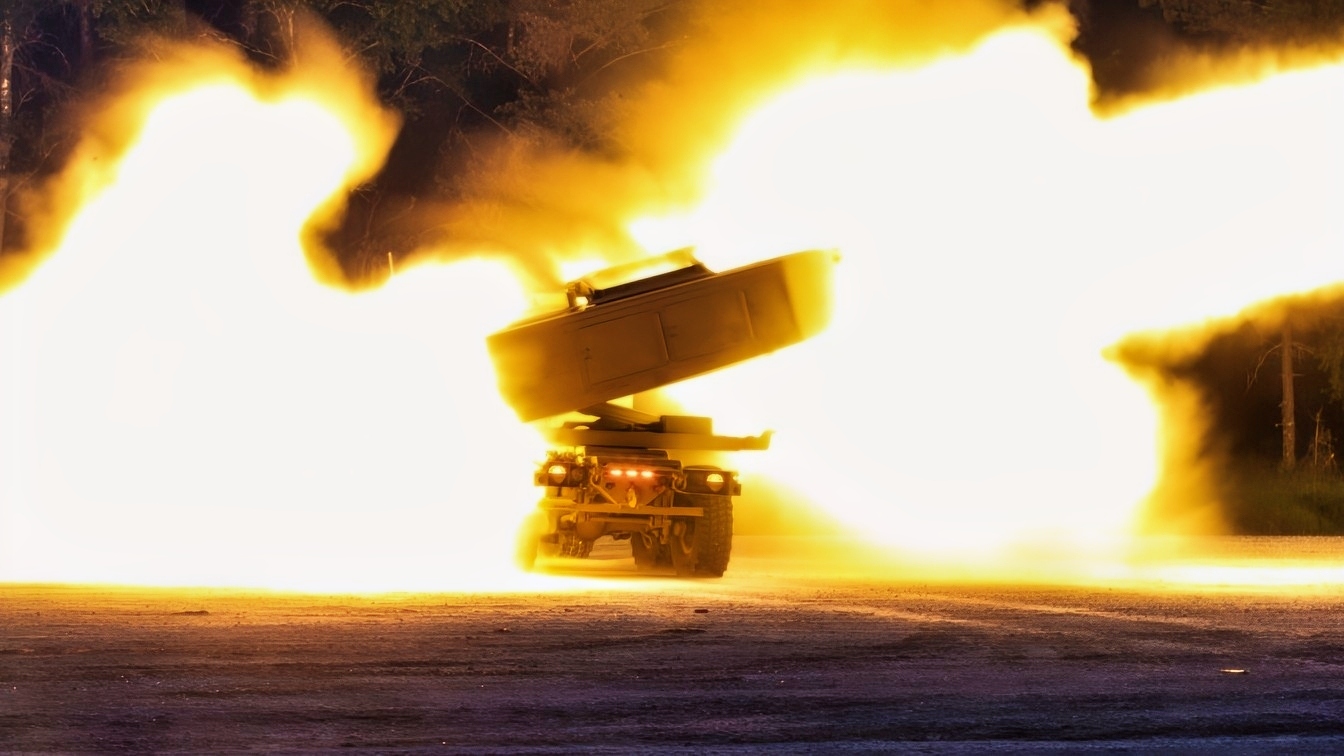
The Crimean peninsula has been under Russian occupation for more than 12 years, since the Russian invasion in 2014. But of late, Ukraine has been launching attacks on the territory, including some overnight that knocked out power in several towns there.
According to the New York Times, Ukraine has launched a drone campaign aimed at targeting the power grid in Crimea, which has succeeded in knocking out electricity for hundreds of thousands of people, sometimes for days at a time.
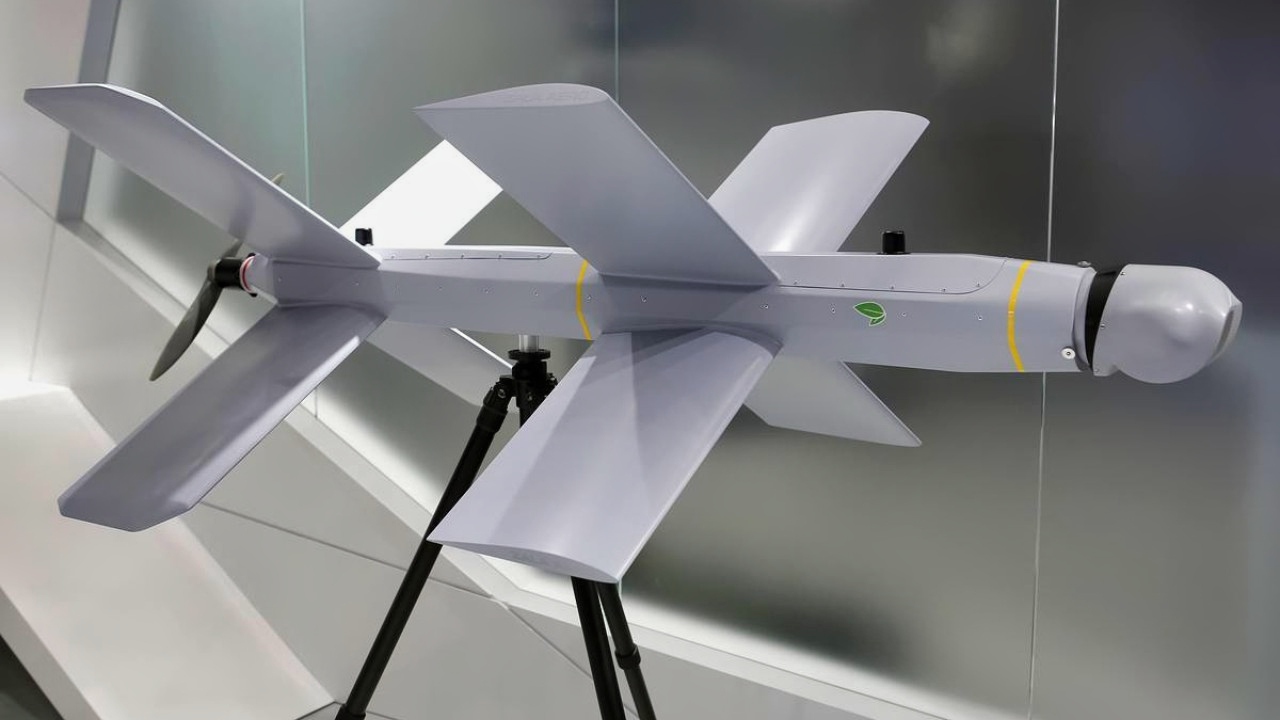
Lancet Drone. Image Credit: Russian State Media.
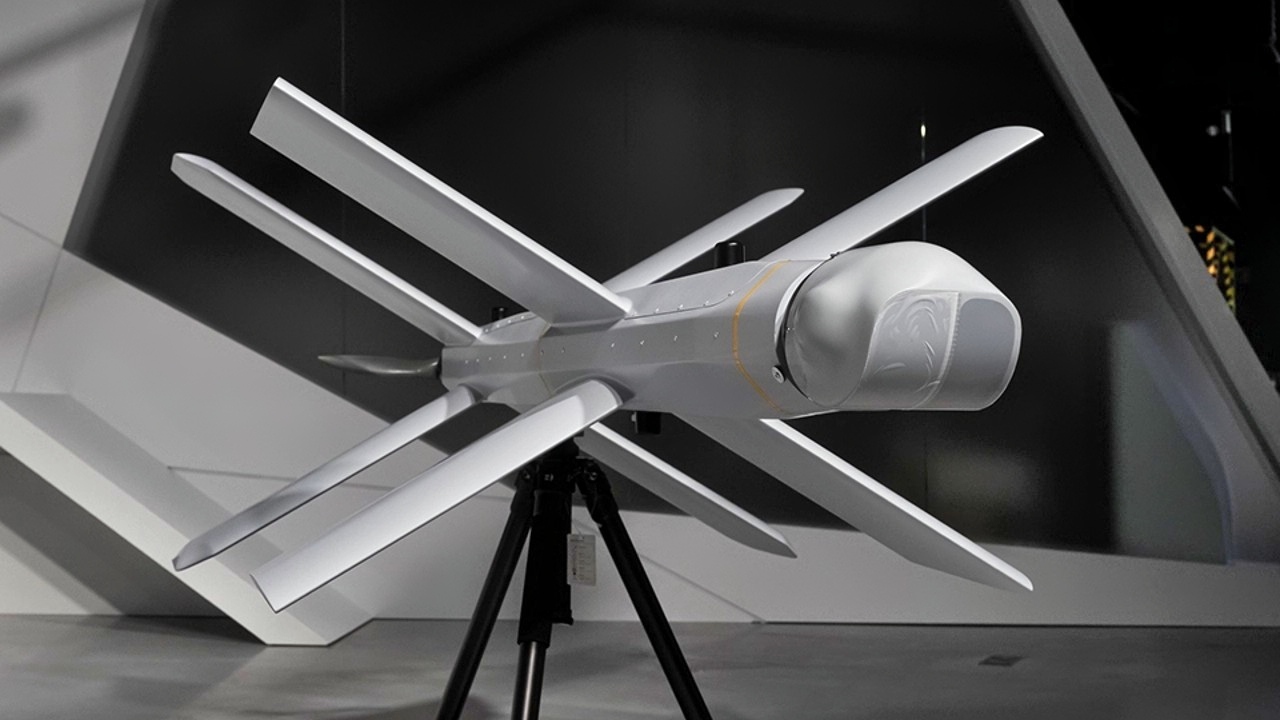
Lancet Drone from Russia. Image Credit: Creative Commons.
The newspaper interviewed several people who lost power for significant stretches.
“Power went off and didn’t come back on, even for an hour,” a woman named Olga told the newspaper. “Authorities have forgotten about us, that’s clear to see.”
Striking Back
Such targeting, the Times said, “mirrors the much larger, yearslong Russian aerial assault on Ukraine’s civilian energy systems, which leaves millions of Ukrainians without light or heat each winter.”
The idea is to put pressure on Russia to force a peace deal, although the newspaper noted that Russian President Vladimir Putin “has not publicly acknowledged the blackouts.”
Why Attack Crimea?
“The intensive Ukrainian campaign began in June, mostly aimed at infrastructure near Russian military bases in northern Crimea, which borders Ukrainian lands occupied by Russia since its 2022 full-scale invasion,” the Times report said. “By late July, every major town and village in the north of the peninsula had suffered full blackouts.”
One Russian diplomat told Tass that in one single-week period, a majority of Crimea residents lost power- “Ukrainian strikes had cut power to the homes of 1.4 million Crimeans, out of a prewar population of 2.5 million.”
In late June, Ukraine’s President Volodymyr Zelensky had announced a new push, centered on Crimea.
“Today, no one on Earth can say that we are not fighting for Crimea or that we have forgotten about Crimea. Every day proves that Ukraine remembers every part of its land, every one of its people, and is truly fighting to ensure justice for our entire state and every integral part of it,” the president said in a social media post on June 26.
“Today, as we honor the blue banner with the golden tamğa – this proud flag that unites the entire Crimean Tatar people – we affirm that Ukraine is fighting for itself and all its lands, defending justice for itself and all its people – for everyone who calls Ukraine and our Crimea their home. We must stop Russian aggression. We must bring freedom back to all those who are currently in Russian captivity. We must guarantee security and a reliable peace for the entirety of our state and all our people.”
A Hit to Tourism
The strikes on Crimea have hit the region’s tourism business in a huge way. Moscow Times reported in mid-July that the Kremlin has allocated funds to prop it up.
The Russian government has set aside 4.3 billion rubles ($56.3 million) from its reserve fund to “support the tourism sector in the annexed Crimean peninsula and the city of Sevastopol,” the Moscow Times report said. The report also cited the Russian Tour Operators Association (ATOR), stating that around a million trips to Crimea and Sevastopol had been canceled.
Will Crimea Be Ukraine Again?
In 2023, about a year into the war, Zelensky declared that he wanted Ukraine to recapture Crimea. Doing that is certainly easier said than done.
However, Jason Corcoran wrote for the Moscow Times in mid-July that Ukraine has succeeded in damaging Russian credibility, even if it can’t get Crimea back.
“This summer, none of our friends or relatives still in Russia will holiday in Crimea. Many continued doing so after Russia’s full-scale invasion, when Europe closed to Russian travelers, and President Vladimir Putin’s prized peninsula became a popular beach destination despite the occasional drone attack,” Corcoran wrote.
“Twelve years later, Putin’s Crimean fairy tale is colliding with reality. The peninsula is no longer the carefree Black Sea Riviera promised by the Kremlin,” the analyst added.
“Sustained Ukrainian drone strikes have disrupted fuel supplies, electricity and transport links, driving up prices and exposing Crimea’s logistical fragility.”
About the Author: Stephen Silver
Stephen Silver is an award-winning journalist, essayist, and film critic, and contributor to the Philadelphia Inquirer, the Jewish Telegraphic Agency, Broad Street Review, and Splice Today. The co-founder of the Philadelphia Film Critics Circle, Stephen lives in suburban Philadelphia with his wife and two sons. For over a decade, Stephen has authored thousands of articles that focus on politics, national security, technology, and the economy. Follow him on X (formerly Twitter) at @StephenSilver, and subscribe to his Substack newsletter.


