
Oil exports from major Middle Eastern producers appear to be recovering, even as the war with Iran continues, as Gulf countries try to move as much crude as possible through the Strait of Hormuz and restart shipments along routes that bypass it entirely.
Preliminary data from shipping tracker Kpler put September crude exports from key regional producers at 16.328 million barrels per day — their highest monthly level since the U.S.-Israeli war began in February.
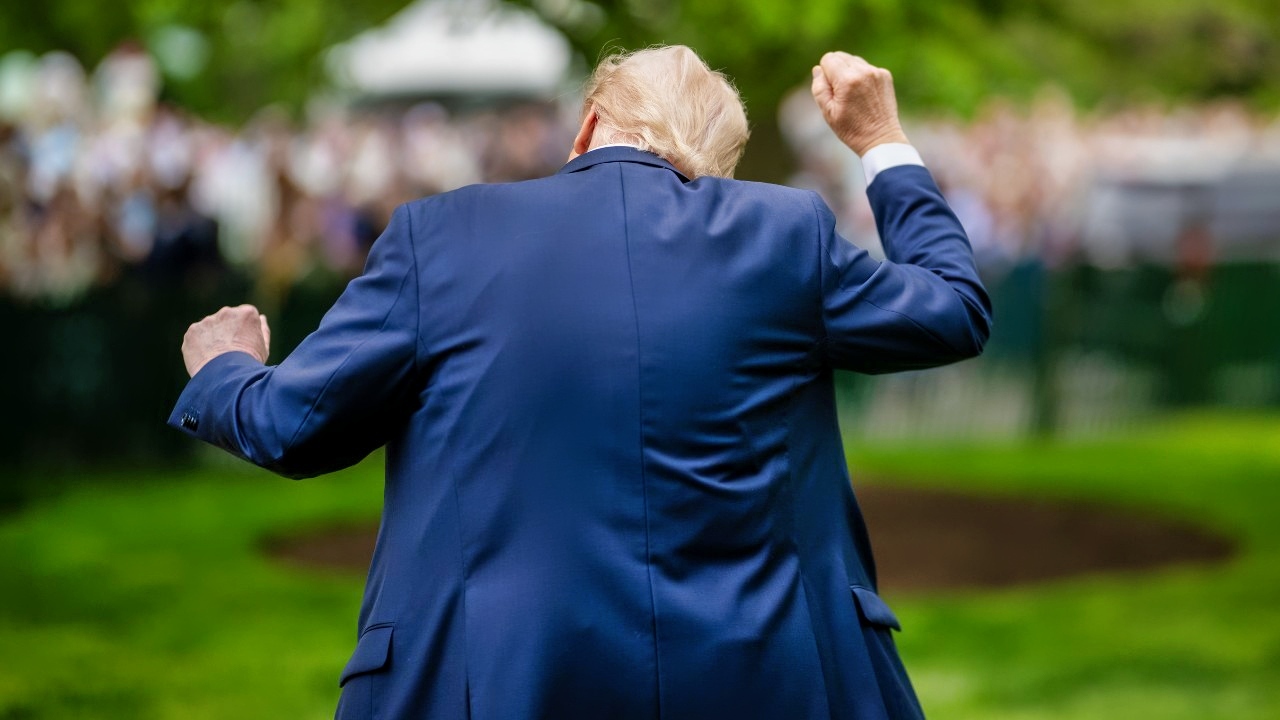
President Donald Trump departs the White House Easter Egg Roll on the South Lawn, Monday, April 21, 2025. (Official White House Photo by Daniel Torok)
Saudi Arabia and the United Arab Emirates were the primary drivers of the rebound — which may still prove temporary.
The recovery, after all, is not necessarily permanent.
Iran’s own exports are constrained by the American naval blockade, which technically restricts supply, but the main problem for the world is the lost capacity for refining, caused by waves of Iranian missile strikes, and the likelihood of continued disruption through the Strait of Hormuz.
Why the Strait Matters
The Strait of Hormuz is the narrow waterway between Iran and Oman that connects the Persian Gulf with the Gulf of Oman and international waters.
Tankers use the waterway to carry oil from export terminals in the Gulf to customers around the world — and when Iran began attacking shipping in the waterway following U.S. and Israeli strikes, it restricted the amount of oil moving through the waterway every day.
Those attacks have led neighboring producers to cut output dramatically, and the cost of moving oil through the waterway is also dramatically higher.
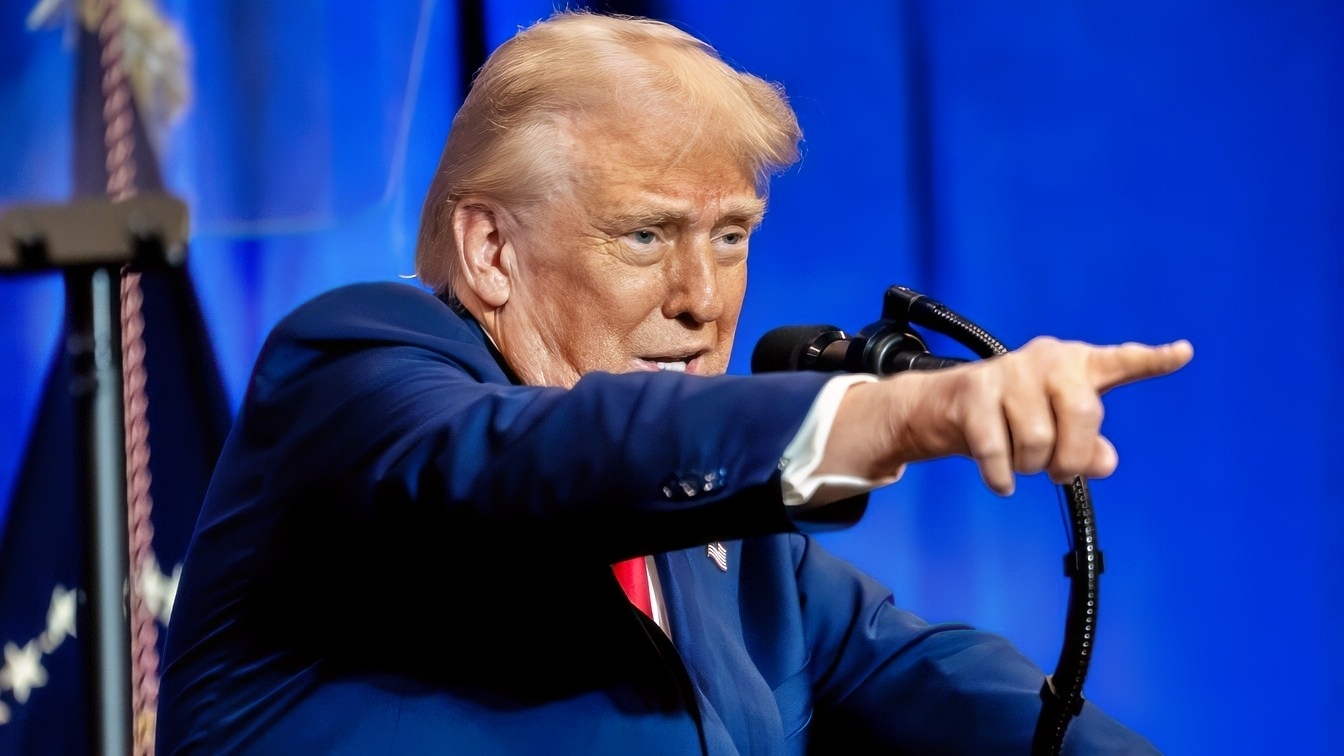
President Donald Trump delivers remarks at the Department of Justice in Washington, D.C., Friday, March 14, 2025. (Official White House Photo by Joyce N. Boghosian)
That means that, even when the volume of oil moving through the strait increases, the cost of doing so remains elevated.
Pressure on fuel supplies gives Tehran its main leverage in the conflict, raising the cost of maintaining the war for Washington and, indeed, the world.
As Washington waits it out and the world endures the economic consequences, Tehran is demanding concessions that would lift sanctions and unfreeze funds.
The problem persists; Washington still lacks a long-term solution, and the fighting could escalate at any moment.
But More Oil Is Reaching Buyers
Even so, more oil is reaching buyers. Kpler’s latest figures referenced oil moving out of Saudi Arabia, the UAE, Iraq, Oman, Qatar, and Kuwait.
Their combined crude exports remained roughly 3.2 million barrels per day below the February average of about 19.5 million barrels per day.
The tally included shipments through the Strait of Hormuz, transfers of oil between tankers in the Gulf of Oman, exports from terminals outside of the strait, and cargoes leaving through the Red Sea.
Saudi exports were also predicted to reach around 5.4 million barrels per day in September — an increase from 2.4 million in August.
The figures, then, refer to crude exports from several routes, not just oil leaving through Hormuz.
Changing Routes
Some of the recovery reflects changes in how exporters are moving their oil.
Gulf producers are now loading crude at terminals in the Persian Gulf, shuttling it through Hormuz, absorbing the risk, and then transferring it to other tankers off Oman for delivery.
Those crossings, though still risky, are being facilitated with U.S. naval assistance.
Some operators are also making nighttime crossings with their vessels’ location transmitters switched off, before unloading into tankers waiting outside the strait.
That arrangement, however, adds expense – because receiving tankers can still wait at least a day and a half for transfers, while charter rates for Hormuz voyages are increasing.
The latest figures show that Hormuz voyages reached $1 million per day in September.
Washington Turns to Emergency Oil Stocks
On September 29, the United States announced it would offer energy companies up to 40 million barrels of crude from its Strategic Petroleum Reserve in its latest attempt to ease supply pressure caused by the Iran War.
The reserve is the government’s emergency oil stockpile stored in underground salt caverns along the Gulf Coast.
Releasing barrels allows refiners to obtain supplies without waiting for disrupted overseas shipments to recover – but every time the U.S. releases oil from those supplies, it loses some of its emergency stockpile.
And those reserves are now lower than at any time since 1982.
Washington’s offer is part of its March commitment to provide 172 million barrels to an International Energy Agency initiative that approved the release of 400 million barrels from participating countries’ reserves.
Companies have until October 6 to submit borrowing proposals.
They must return the oil; however, they must pay a premium for additional barrels rather than purchase it outright.
A similar offer in June attracted agreements for only around 500,000 barrels; however, meaning that the latest announcement does not mean the full 40 million barrels will be released.
About the Author: Jack Buckby
Jack Buckby is a British researcher and analyst specializing in defense and national security, based in New York. His work focuses on military capability, procurement, and strategic competition, and he produces and edits analysis for policy and defense audiences. He brings extensive editorial experience, with a career output spanning over 1,000 articles at National Security Journal, and has previously authored books and papers on extremism and deradicalization.


