

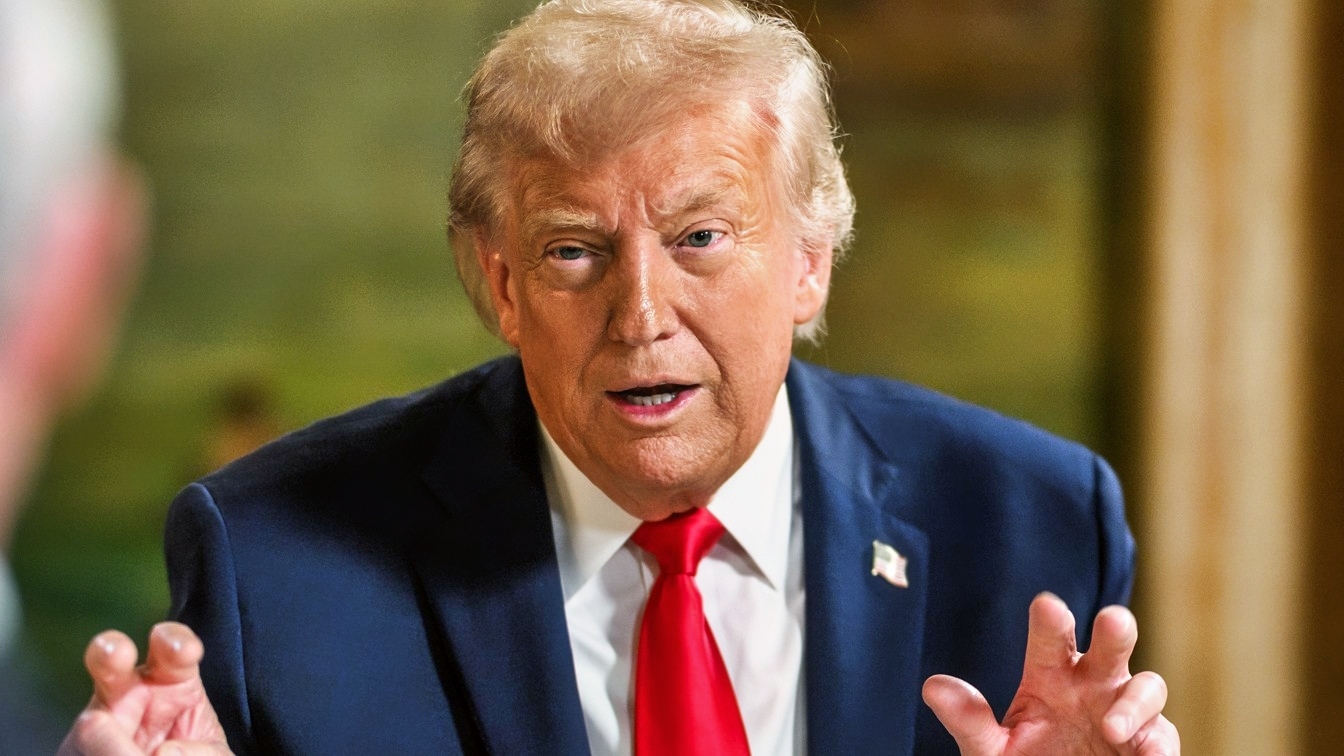
Trump Says Iran Agreed to Reopen Hormuz and End Its Nuclear Threat. Tehran Hasn’t Confirmed Any of It: Late on Saturday night, August 1, President Trump announced in a Truth Social post that he had canceled the planned American attack on Iran, writing that Iran and other Middle Eastern countries asked him to hold off because “the perimeters of a deal have been agreed to.”
The claimed agreement, as the president described it, consists of the immediate and total reopening of the Strait of Hormuz and an end to Iran’s nuclear threat, and he conditioned the cancellation on rapidly concluding the deal, said Israel joins the commitment, and closed by telling negotiators to get it done.
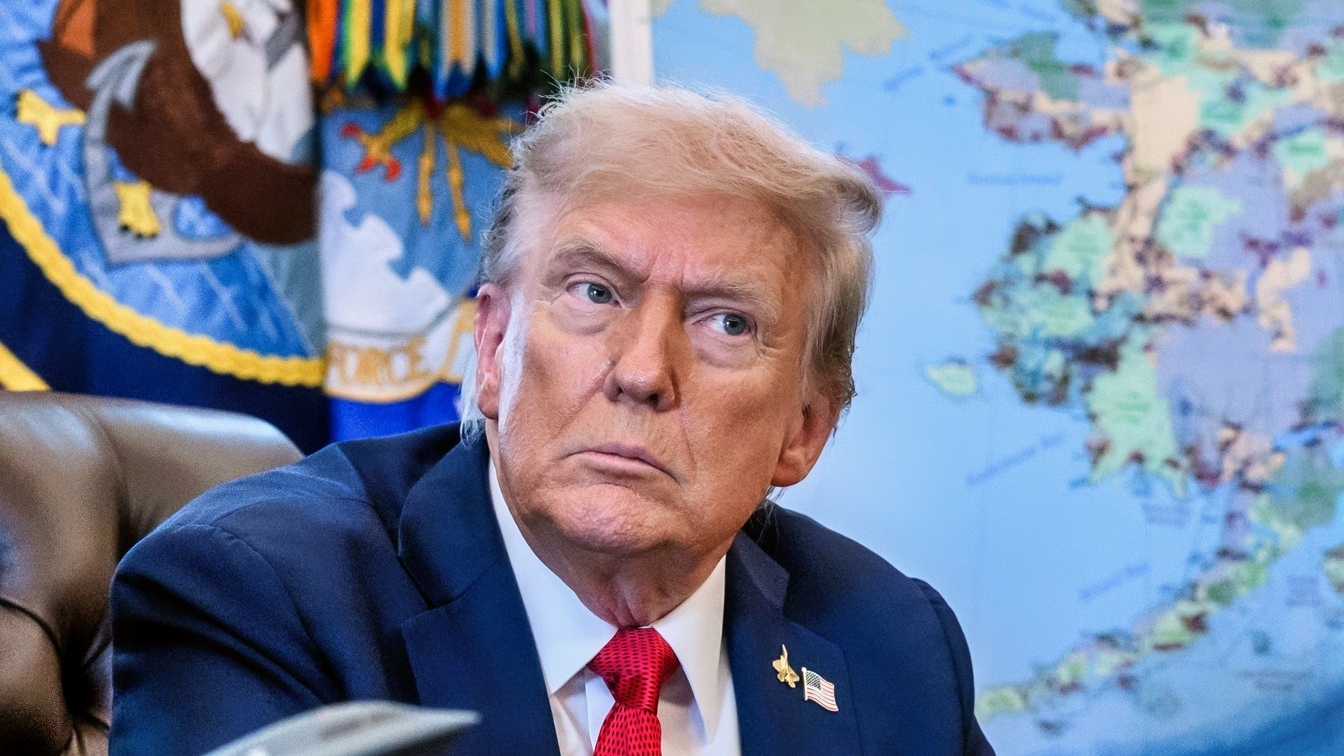
President Donald Trump, flanked by Secretary of Energy Chris Wright and Secretary of the Interior Doug Burgum, signs an Executive Order approving the Ambler Road Project in Alaska, Monday, October 6, 2025, in the Oval Office. (Official White House Photo by Joyce N. Boghosian)
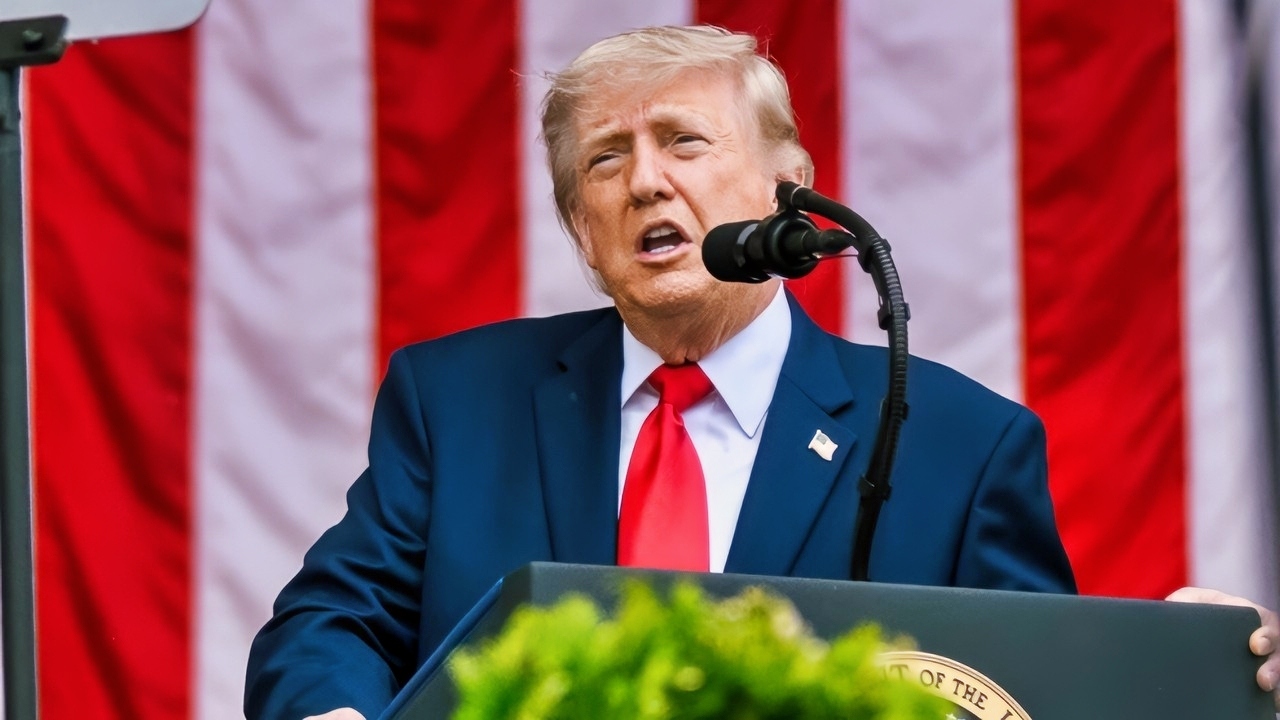
President Donald J. Trump delivers remarks during a Memorial Day ceremony at Arlington National Cemetery Amphitheater, Monday, May 25, 2026, in Arlington, Virginia. (Official White House Photo by Daniel Torok)
The same post declared American forces ready to strike at a level of power he compared to that of the Second World War.
The announcement reversed a war footing hours old. Multiple sources had told CBS News that the United States and Israel were preparing one of the harshest bombing campaigns of the war against Iranian energy infrastructure, and American embassies in Amman, Jerusalem, and Baghdad spent Saturday warning citizens to prepare for unforeseen escalation.
Iran Deal: What Was Announced, and What Was Not
The post contains a pause, two conditions, and a demand for speed.
It does not contain a text, an Iranian signature, a venue, a mediator, a timetable, or any term beyond the president’s own stated demands, and the word “perimeters” appears as he wrote it.
The diplomacy that preceded it is better documented on the Gulf side than the Iranian one: Saudi Crown Prince Mohammed bin Salman called Trump on Saturday to caution against the strikes, Axios reported, with Qatar, the UAE, Turkey, and Pakistan also pressing both capitals to de-escalate.
A Familiar Announcement
The war’s own record explains the skepticism.
A June memorandum and ceasefire held for roughly a week before an Iranian drone struck a cargo ship, and the chain of attacks resumed.
On July 7 the president declared the truce over, and softened the declaration the next day. On July 25, he halted strikes in what he described as a response to Tehran’s request, contingent on a new ceasefire deal; Iran stated on July 27 that no negotiations were underway, and none were announced.
On Friday, August 1, at a televised Camp David cabinet meeting, the Associated Press quoted him promising, “We will be hitting them very hard.”
The cancellation came the following night. Axios framed the pattern directly: the president has repeatedly pressed pause on this war to negotiate, and the strikes have resumed each time diplomacy stalled.
Tehran’s Answer So Far
As of Sunday morning, August 2, Iran’s government has issued no official response to the claimed deal.
Its semi-official organs have. The Mehr news agency, citing unnamed Iranian military officials, dismissed the president’s claim as “simply a new lie”, and the Fars agency called his stated terms a “wish list”.
Hours before the post, Foreign Minister Abbas Araghchi told his Saudi counterpart that any American or Israeli attack would meet a “proportionate response”.
Iran maintains that its nuclear program is peaceful and that its declared closure of the strait answers the American blockade of Iranian ports.
A deal that one party announces and the other derides is, so far, an announcement.
The Tests That Would Prove It
The claim is checkable on short clocks. An Iranian official confirming any parameter would be the first test. The second is traffic: the Strait of Hormuz carried roughly 130 ships on a prewar day and carries a handful now, and a real reopening shows up in ship counts, not posts. The third is paper; terms both governments describe the same way. The domestic pressure for a result is measurable too: an Associated Press poll this week found nearly two-thirds of Americans say the war is not worth fighting.
As of Sunday morning, the strait remained closed, the forces remained postured, and the deal existed in one government’s account of it.
About the Author: Harry J. Kazianis
Harry J. Kazianis (@Grecianformula) was the former Senior Director of National Security Affairs at the Center for the National Interest (CFTNI), a foreign policy think tank founded by Richard Nixon based in Washington, DC. Harry has over a decade of experience in think tanks and national security publishing. His ideas have been published in the NY Times, The Washington Post, The Wall Street Journal, CNN, and many other outlets worldwide. He has held positions at CSIS, the Heritage Foundation, the University of Nottingham, and several other institutions related to national security research and studies. He is the former Executive Editor of the National Interest and the Diplomat. He holds a Master’s degree focusing on international affairs from Harvard University.


