

Iran and Oman Are Redesigning the Strait of Hormuz, and the Deal Looks Nothing Like the Ones That Failed: Iran and Oman are close to an agreement on the Strait of Hormuz, and it is unlike anything tried in five months of war.
While nothing is final, progress looks clear.
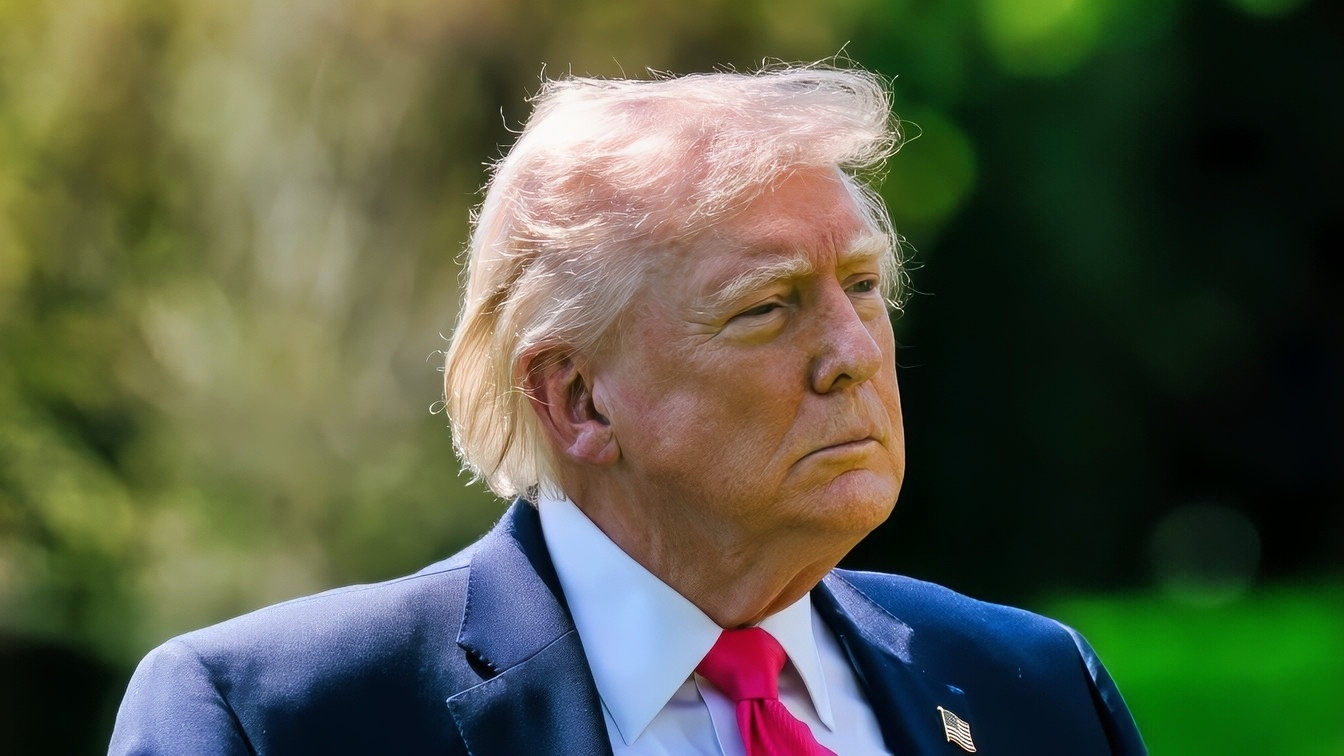
President Donald J. Trump speaks with members of the media before boarding Marine One on the South Lawn of the White House, Thursday, April 16, 2026, en route Joint Base Andrews for a trip to Las Vegas. (Official White House Photo by Molly Riley)
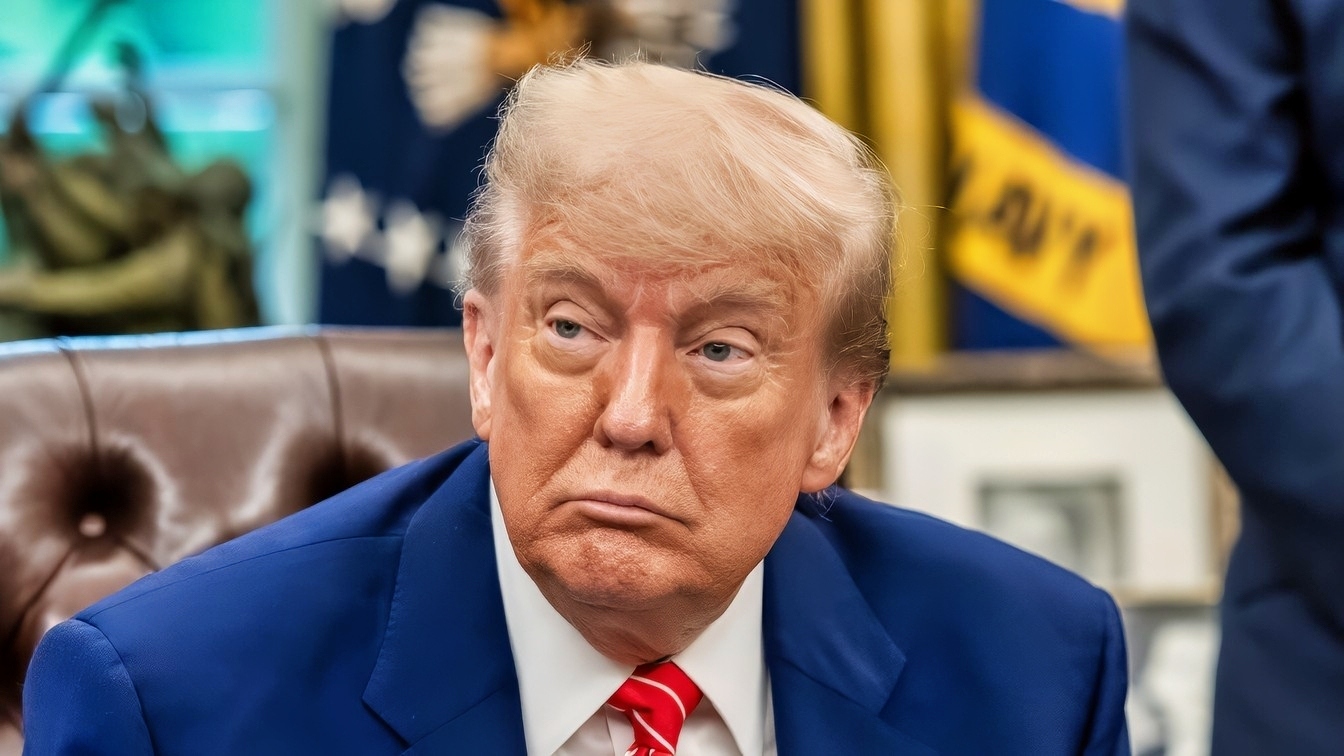
President Donald Trump is joined by Secretary of Commerce Howard Lutnick, Vice President JD Vance, British Ambassador Peter Mandelson, U.S. Trade Representative Jamieson Greer, and Secretary of Agriculture Brooke Rollins, while announcing a trade agreement with the U.K., Thursday, May 8, 2025, in the Oval Office. (Official White House Photo by Molly Riley)
This mirrors what Donald Trump was hinting at over the weekend.
Foreign Minister Abbas Araghchi told Iran’s cabinet on Sunday, August 2, that negotiations with Muscat had reached their final stages, and by Monday, August 3, shipping sources reported some movement in the lane along the Omani coast.
Talks between the United States and Iran are set to resume on Monday, with President Donald Trump calling a deal imminent after canceling weekend strikes at the request of Gulf states.
What the Strait of Hormuz Deal Might Look Like
What Tehran and Muscat are negotiating is not a ceasefire. It is a new physical and administrative design for the waterway itself.
Foreign Ministry spokesman Esmail Baghaei said the two countries were converging on a shipping route that is “neither the northern route nor the southern route,” a corridor drawn to respect the sovereign rights of both coastal states, which Iran describes as temporary.
Tehran has been explicit about the premise: the strait will not return to its pre-war status.
Why This Won’t Be Easy
The past week showed how hard it is to settle on the design.
Oman opened with a Gulf-backed plan for joint management of the strait, funded by voluntary fees and modeled on the cooperative arrangement Indonesia, Malaysia, and Singapore run in the Strait of Malacca.
Iran rejected it as giving Tehran too little control and countered with proposals of its own, including routing one full direction of traffic through Iranian territorial waters.
Still unsettled, by the accounts of officials on both sides: the exact trajectories, the fee structure, who defines the rules, and responsibility for clearing mines.
What Is Different
Here is what makes this negotiation structurally different from everything that preceded it.
The April truce and the June memorandum were American-Iranian documents in which the strait appeared as a clause, and both collapsed over how that clause was read.
This is a negotiation between the two states whose territorial waters form the strait, backed by the Gulf Cooperation Council, with Washington not at the table; Iran insists it is not negotiating with the United States at all.
The paradox is that the American agreement created this track: the memorandum’s own text obligated Iran to “define the future administration and maritime services” of Hormuz in dialogue with Oman and the littoral states. The deal Washington signed set up the negotiation that now excludes it.
A Strait Managed, Not Restored
The bigger difference is the goal. Before February 28, Hormuz worked as a free international transit route, its traffic lanes running largely through Omani waters under a decades-old separation scheme, a history that ranks among Tehran’s stated grievances.
Every previous diplomatic effort tried to restore that world. This one is designing its replacement: designated corridors through both states’ waters, funded navigation and safety services, and some form of fee, borrowed from Malacca, the only major strait administered cooperatively by its coastal states. The fight inside that design has been public.
Oman told the United Nations it opposes charging ships simply for passage; Washington insists navigation must remain free, and Iran has threatened unilateral tolls if no joint arrangement is reached.
Whatever text emerges, the outcome is an administered strait, run by its littoral states, in place of the open seaway the world shipped through for decades.
Why Both Capitals Are Racing
The sequencing explains the urgency.
Officials familiar with the talks say an Iran-Oman arrangement is the key to unlocking the war-ending negotiations between Washington and Tehran, which resume Monday.
Iran’s leverage has a shelf life: Gulf producers are expanding pipelines to route oil entirely around Hormuz, and months of blockade-running battles have shown that reopening the strait by force would require operations no one wants to mount. Oil markets have already voted, with crude sliding since the bombing stopped in late July.
As of Monday, August 3, there is no signed text. The unresolved items are the concrete ones, lanes, fees, authority, and mines, and the talks now run in two capitals at once.
The first tanker that transits a jointly drawn corridor, whenever it sails, will pass through a strait that no longer functions as it did on February 27, precisely the outcome Tehran set out to make permanent and the price everyone else is deciding whether to pay.
About the Author: Harry J. Kazianis
Harry J. Kazianis (@Grecianformula) was the former Senior Director of National Security Affairs at the Center for the National Interest (CFTNI), a foreign policy think tank founded by Richard Nixon based in Washington, DC. Harry has over a decade of experience in think tanks and national security publishing. His ideas have been published in the NY Times, The Washington Post, The Wall Street Journal, CNN, and many other outlets. He has held positions at CSIS, the Heritage Foundation, the University of Nottingham, and several other institutions related to national security research and studies. He is the former Executive Editor of the National Interest and the Diplomat. He holds a Master’s degree focusing on international affairs from Harvard University.


