


Moscow Rejects Black Sea Truce Offer – Ukraine’s call for a ceasefire in the Black Sea was rejected by Russia on Friday.
The news comes as tit-for-tat attacks on ports and commercial shipping are plunging both countries’ grain exports into crisis, putting worldwide food prices under strain.
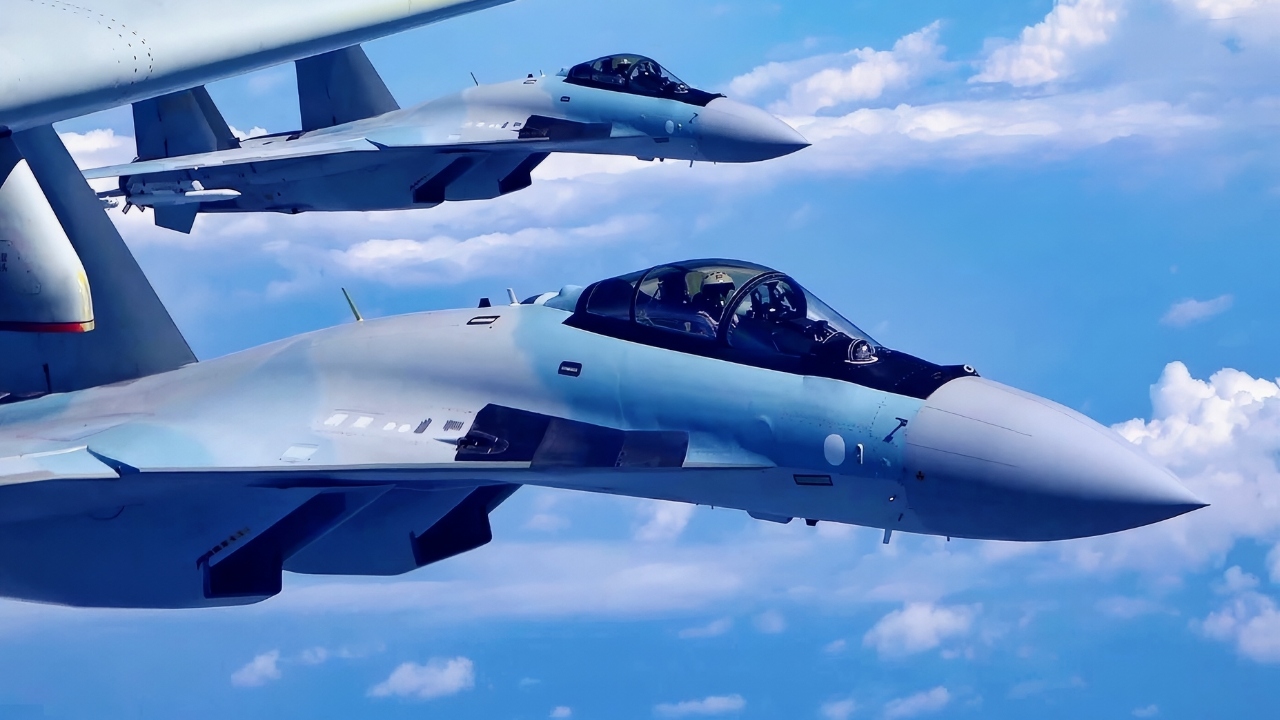
Su-35 from China. Image Credit: Chinese Air Force PLAAF.

Sukhoi Su-35 Fighter. Image Credit: Creative Commons.
Moscow Wants No ‘Half-Measures’
Earlier today, Russian Foreign Ministry spokeswoman Maria Zakharova said Moscow refused to entertain “half-measures” that would offer Ukrainian forces time to regroup.
“We see no signs of improvement in the situation and, consequently, no grounds for half-measures that merely grant the Kyiv regime temporary breathing space,” Zakharova said in a statement.
The announcement followed Turkish Foreign Minister Hakan Fidan’s revelation that Ankara had been keen to oversee a moratorium on military action at sea, where Turkey also has a coastline. Zakharova claimed Moscow had not received any official proposal from Turkey.
Offer Sent Via Third Party
Earlier this week, Ukraine reportedly sent an offer to Moscow via an intermediary, calling on it to observe a truce on attacks on commercial vessels.
On Thursday, Kyiv said it was awaiting a response on the matter.
Turkey’s alleged idea covered any kind of military targeting in the Black Sea, while Ukraine was only concerned with civilian ships.
Attacks on ships and port infrastructure in both Ukraine and Russia have soared this month.
The Guardian estimates that Ukrainian drones have struck almost 220 vessels in the Black Sea and Sea of Azov since July. These included oil tankers, grain ships, and ferries. An oil refinery and grain terminal were damaged in Novorossiysk earlier this week.
Russia is also ramping up attacks on Ukraine’s commercial vessels and southern ports. In late July, the constant barrages prompted many shipowners to stop calling at ports in Ukraine’s Odesa region.
Grain Exports Plunge
This has left Kyiv reliant on more expensive and cumbersome routes, such as roads and railways.
This disruption occurs during Ukraine’s peak wheat harvest.
The country’s grain exports are down around three-quarters so far in August, compared to last year. About 90% of the country’s grain and sunflower exports normally leave through Black Sea ports, making continued access to Odesa, Chornomorsk, and Pivdenne critical to the wartime economy.
Ukrainian farmer Serhiy Rybalko recently told Reuters that the situation was “a complete disaster for farmers.” Domestic grain prices have fallen below production costs, while storage facilities are filling up ahead of the corn harvest, which begins in September.
Ukraine is expected to harvest around 60 million metric tons of grain this year, close to its 2025 crop. But farmers need export revenue now to finance next year’s sowing. Also, while grain can be preserved for years under the right conditions, Ukraine currently has a severe lack of storage given how much grain is simply not getting shipped out of the country.
Agriculture Minister Taras Vysotskyi warns that global food prices could increase by 25% to 30% if the issue is not resolved.
No Return to 2023 Deal
Alongside quashing talk of a fresh deal, Moscow has also poured cold water on the idea of reviving the Black Sea Grain Initiative. The United Nations and Turkey brokered the agreement between July 2022 and July 2023.
It ensured Ukrainian grain exports could continue during the conflict, but Russia ditched it in 2023 after complaining the West had not met its demands.
Kyiv later launched a maritime corridor, bypassing Russian approval. Ukraine has used a series of sea-drone and missile attacks to force the bulk of Russia’s Black Sea Fleet east. It was previously centered on Sevastopol, a major port in Russian-occupied Crimea.
Prior to Russia’s February 2022 invasion, Ukraine had minimal conventional naval power, but its operations in the sea have since been revolutionized by drone warfare.
Intensifying attacks on the waterway are threatening this critical route.
Kyiv also recently responded to U.S. pressure to limit its own attacks in the sea. This week the Financial Times reported that Ukraine had stopped strikes on tankers carrying Kazakh oil through the Caspian Pipeline Consortium terminal close to Novorossiysk. The move allegedly came after Vice President J.D. Vance requested the shift from Ukrainian President Volodymyr Zelenskyy during a July 31 phone call. As it stands, any talk of a truce seems to be just that: talk.
About the Author: Georgia Gilholy
Georgia Gilholy is a journalist based in the United Kingdom who has been published in Newsweek, The Times of Israel, and the Spectator. Gilholy writes about international politics, culture, and education.


