

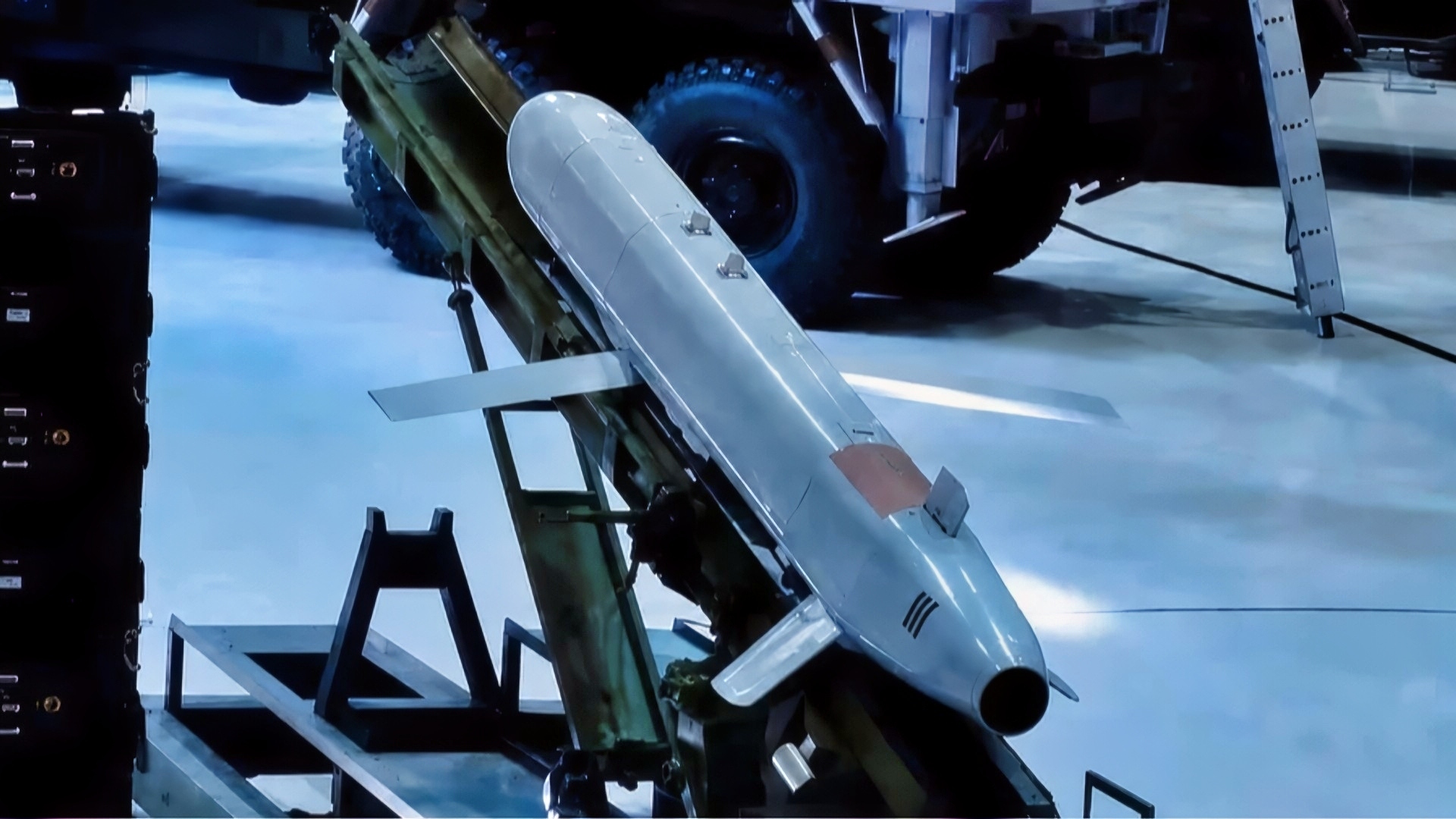
What do you get when you cross a Russian drone with a cruise missile? Answer: A new hybrid and more difficult-to-shoot-down weapon called the S8000, or more commonly known as the “Banderol.” The weapon not only presents a considerable new challenge to Ukraine’s air defense forces (PPO), but it also has become an additional method for Moscow to terrorize Ukrainian civilians.
Meet the Banderol Cruise Missile
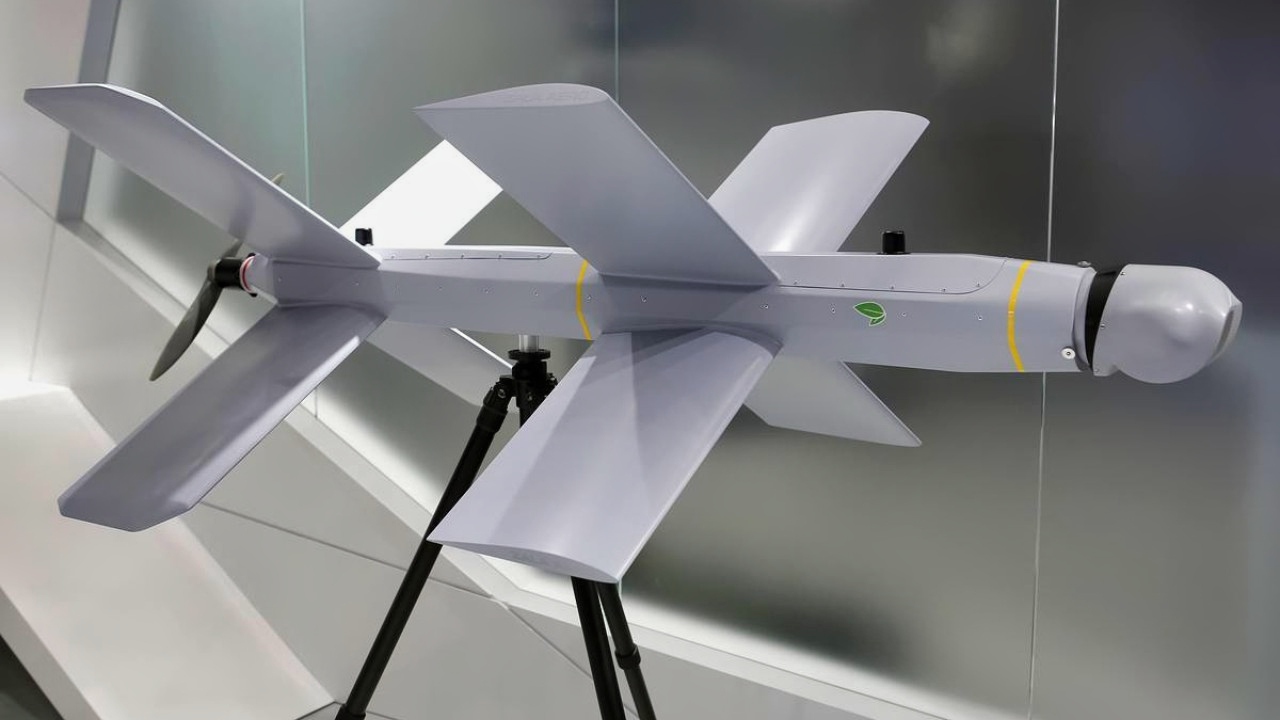
Lancet Drone. Image Credit: Russian State Media.
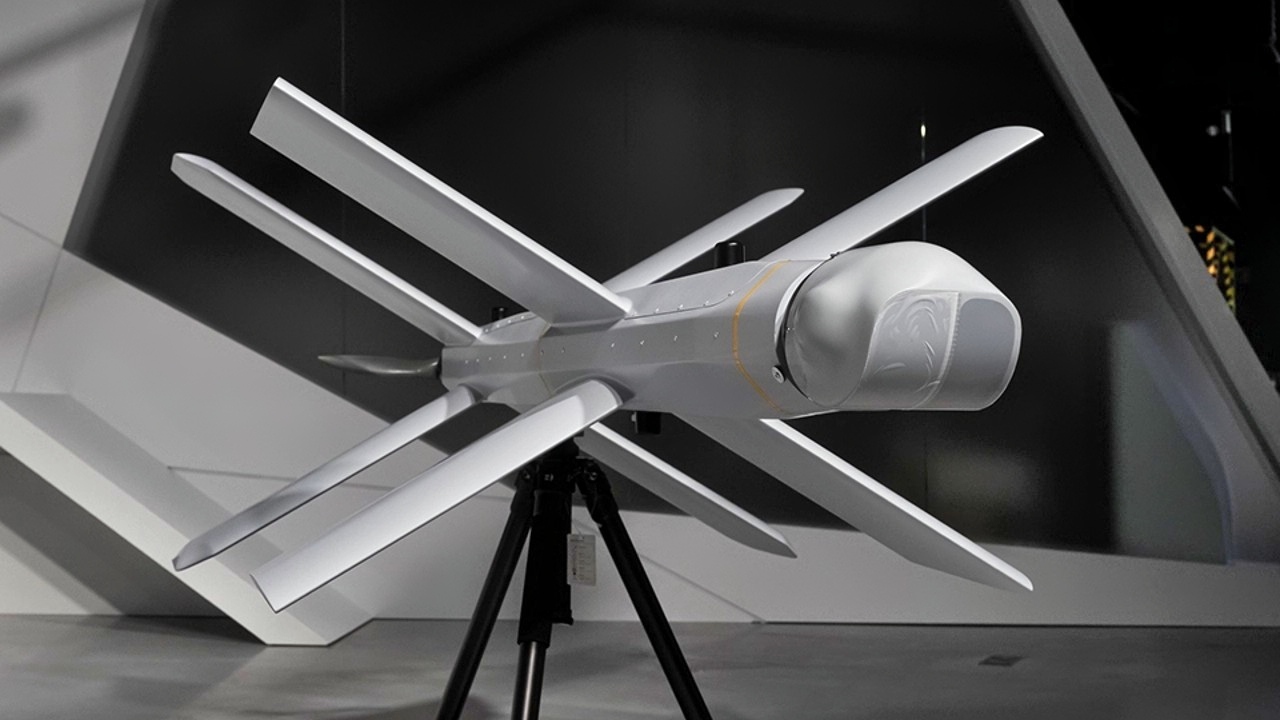
Lancet Drone from Russia. Image Credit: Creative Commons.
In addition to being one of the remaining ports on the Black Sea that Ukraine still controls, Odesa is also one of the most popular summer holiday destinations.
But both local residents and those visiting to enjoy their days at the beach have spent almost as much time hearing the trivoga, the network of air raid sirens now active in almost every Ukrainian city, as they have to the sounds of the waves rolling ashore and children building castles in the sand nearby.
A resident of Odesa speaking to the Ukrainian Kyiv Independent told the daily that “You don’t hear the air raid siren because you’re in a deep sleep. You just wake up at some point to the sound of something with a jet engine flying overhead.”
“That engine is the scariest part because it sounds like a cruise missile,” he added. And it’s a noise you hear more frequently every day.
The Banderol is part loitering munition, part cruise missile, and part jet-propelled drone. From the Russian perspective, this weapon has several positive attributes.
One is that it is as difficult, or more difficult, to shoot down than a cruise missile; another is that it can cause a considerable amount of damage; and lastly, it is also a good deal cheaper to build.
War On the Food Industry
The Banderol was first seen being used against targets in Ukraine in Spring 2025. Sightings were not particularly numerous in that year, but reports from the PPO are that Russia’s armed forces are today using the weapon far more frequently.
Because of the locations from which it is being launched and the lower concentration of Ukraine’s air defense assets, the Bandrol is being used primarily against the country’s southern oblasts.
The Banderol appears to have been the weapon of choice in about 80 percent of Russian attacks on Odesa’s food industry infrastructure in June and July.
This and other details of Russian efforts to make war on the sizeable food industry activity – particularly the massive grain shipments that originate in the port – were reported in a 29 July press conference by Ukraine’s sanctions chief, Vladyslav Vlasiuk.
This weapon is still far less destructive than Russia’s arsenal of ballistic missiles, but it is still deadly effective for the missions it is employed for.
It also requires a commensurate level of air defense batteries to take down Russia’s cruise missiles like the Kh-101.
The growing number of attacks involving this weapon may be a reflection of the fact that the numbers of Kh-101s are assessed to be dropping as Moscow depletes its stockpiles.
One of the Kh-101 cruise missiles that fell on Polish territory in a massive 30 July Russian attack on Ukraine on Thursday showed that it was manufactured only in the second quarter of 2026.
Cheaper to Manufacture but Just as Expensive to Shoot Down
This appears to be evidence that military inventories have very low stocks of the missile.
Apparently, that shortage means Kh-101s rolling off the production lines are being delivered directly to operational bases, skipping the interim stop at a central missile depot.
The Kh-101 carries a warhead 10 times larger, but the Banderol costs orders of magnitude less to build and can be produced in much greater numbers.
But despite that lower cost for the Russians to turn them out, it still costs the Ukrainians just as much to shoot them down.
It is also an aerodynamic nightmare for PPO units.
A HUR officer described the S8000 as being able to “execute tighter turns than typical Russian-made cruise missiles (Kh-101, 3M-14, 9M727, and Kh-69), while maintaining the typical flight profile of a cruise missile.”
The Banderol can fly at speeds exceeding 500 km/h (310 mph), and its range is up to 500 kilometers or 310 miles.
Writing on his Telegram channel on 14 July, Serhii Beskrestnov, the then-advisor to Ukraine’s Defense Minister, stated the Banderol carries a 150-kilogram fragmentation warhead that is packed with up to 50 kilograms of explosives.
Details provided by the Ukraine Defence Intelligence Service (HUR) illustrate the munition’s ease of manufacture. This is made easier of a Chinese-made Swiwin SW800Pro turbojet engine that costs only $16,000 when purchased commercially on AliExpress.
The configuration also includes a Japanese battery and mostly US-made electronic components – the latter of which were supposed to have been long ago prevented from being sold to Russia by sanctions.
“It is another example of this ‘magical combination’ we have become used to in Ukraine, said an executive of a defense enterprise in Kyiv. “Chinese-made components which everyone [in the West] pretends not to see so they do not have to sanction Beijing accordingly.
Then add in US, Japanese, and other components which the Russians are not supposed to be legally able to purchase.”
About the Author: Reuben F. Johnson
Reuben F. Johnson has thirty-six years of experience analyzing and reporting on foreign weapons systems, defense technologies, and international arms export policy. Johnson is the Director of Research at the Casimir Pulaski Foundation. He is also a survivor of the Russian invasion of Ukraine in February 2022. He worked for years in the American defense industry as a foreign technology analyst and later as a consultant for the U.S. Department of Defense, the Departments of the Navy and Air Force, and the governments of the United Kingdom and Australia. In 2022-2023, he won two awards in a row for his defense reporting. He holds a bachelor’s degree from DePauw University and a master’s degree from Miami University in Ohio, specializing in Soviet and Russian studies. He lives in Warsaw.


