

Russia’s oil exports are slumping after Ukrainian attacks have compromised operations at its key Black Sea port of Novorossiysk.
Russia’s Western Port Exports Slump

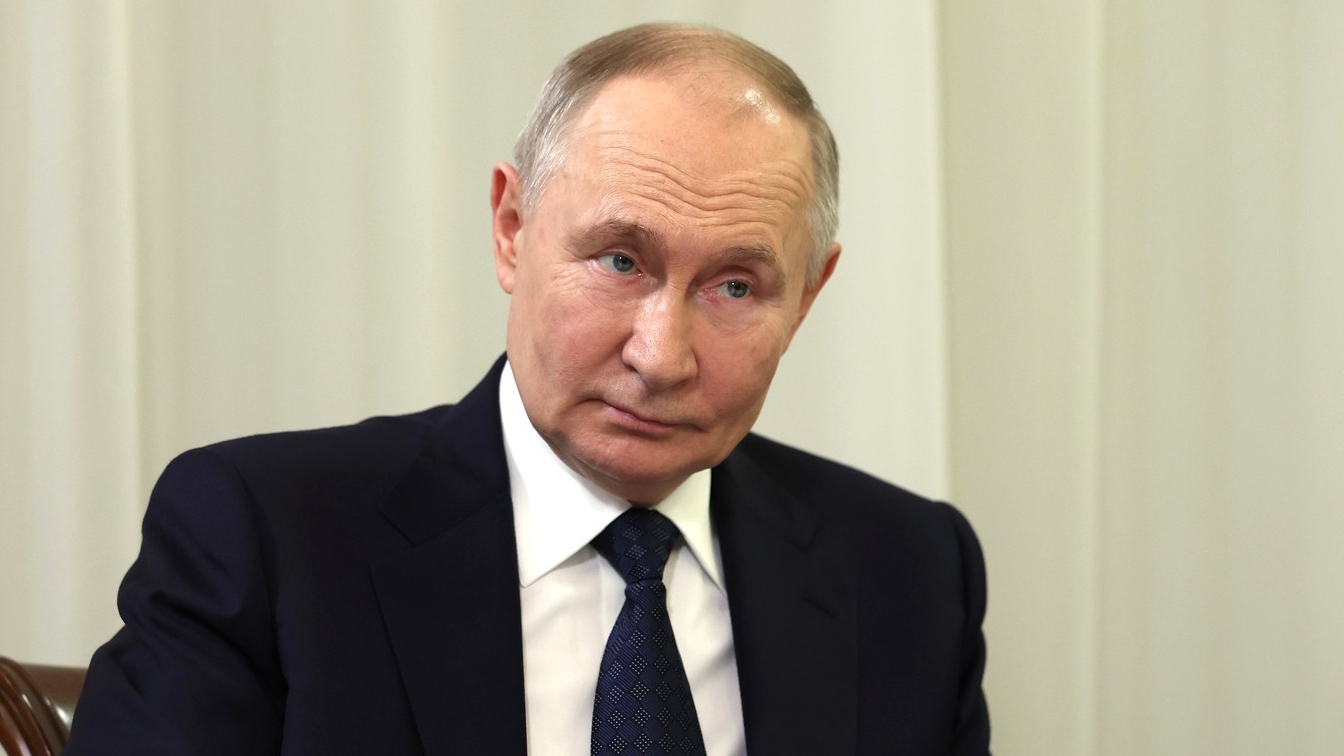
Putin in December of 2023 Creative Commons Image
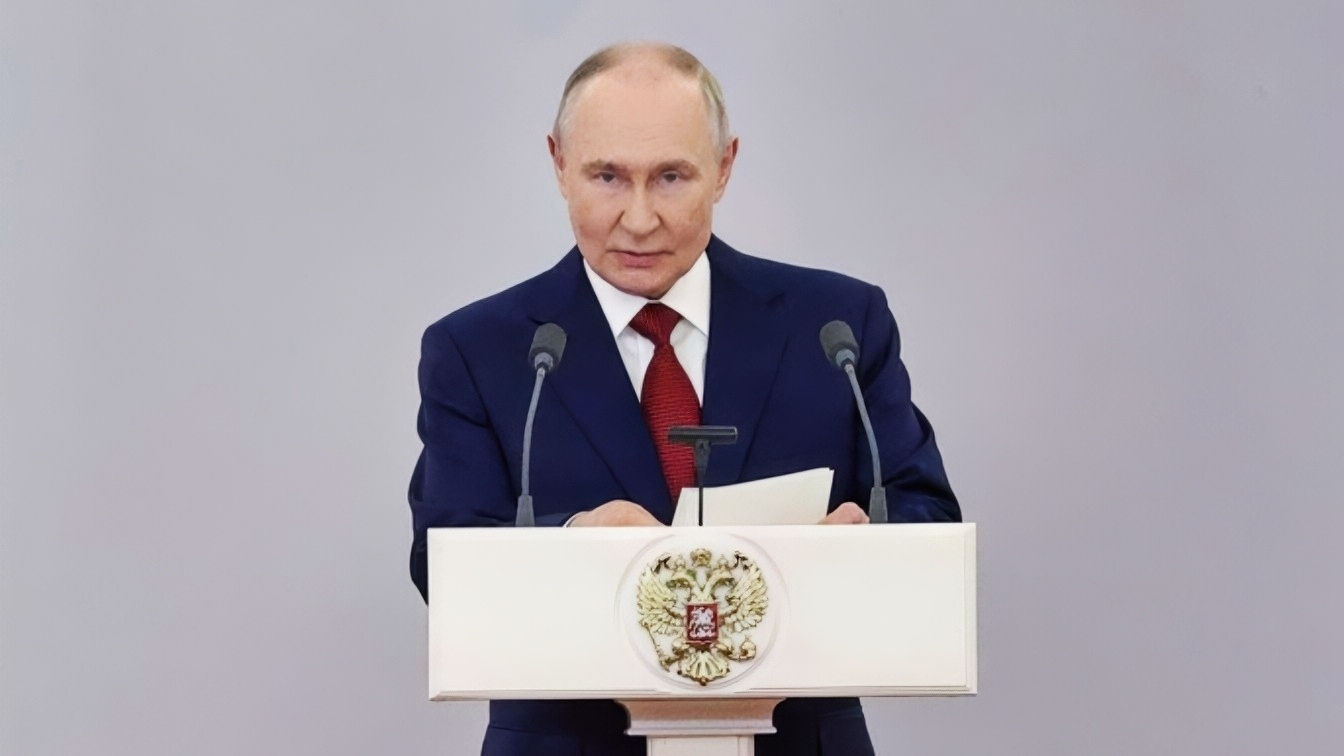
Putin Speaking in July 2026 Creative Commons Photo
Oil shipments from Russia’s western ports fell to around 2.3 million barrels per day in the first half of August, about 15% below Moscow’s initial loading plan, traders told Reuters on Wednesday.
The shortfall was driven primarily by disruption at Novorossiysk, where exports of Russian Urals and Kazakhstan’s KEBCO crude have fallen to around 400,000 barrels per day.
In June and July, the port shipped between 800,000 and 1 million barrels per day.
This issue has been growing over the past few weeks.
On Tuesday, Bloomberg reported that Russia shipped an average of 3.58 million barrels of crude a day by sea in the four weeks to Aug. 16, the lowest level since late April.
Shipments Fell 5 Weeks in a Row
Shipments have now fallen for five consecutive weeks.
Bloomberg noted that the drop over that period was larger than during any comparable five-week stretch since Russia launched its full-scale invasion of Ukraine in February 2022.
It marks a major reversal of what was originally expected to play out this month. On Aug. 3, traders told Reuters that exports from Russia’s western ports were expected to rise by about 4% in August to 2.7 million barrels per day.
Bloomberg’s vessel-tracking data found that no Russian crude cargoes had been loaded at Novorossiysk in the seven days to Aug. 16.
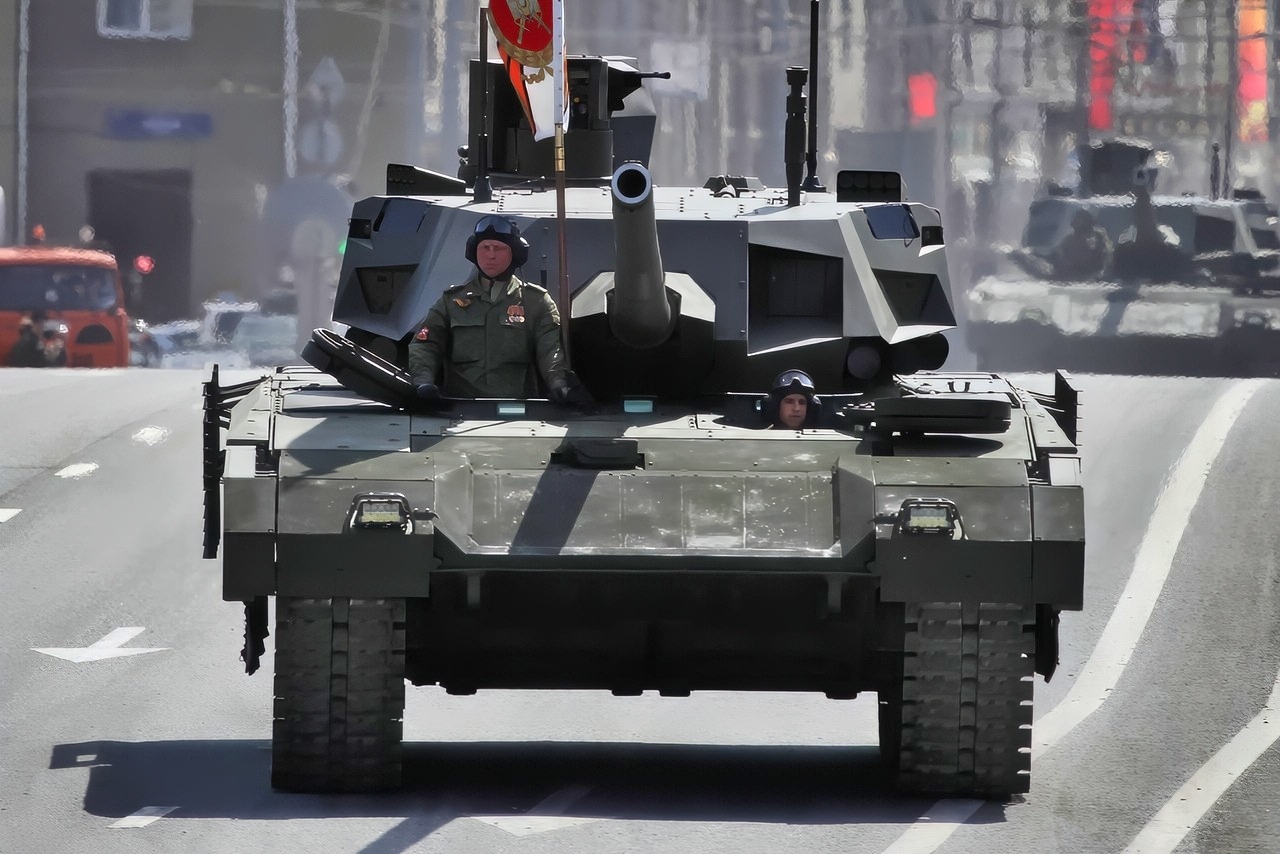
T-14 Armata Tank from Russia. Image Credit: Creative Commons.

T-14 Armata Tank. Image Credit: Creative Commons.
The port’s Sheskharis terminal, which can handle roughly 700,000 barrels per day, halted loadings last Friday following a drone attack.
The disruption reportedly became severe enough that the terminal also stopped accepting incoming crude because its storage tanks were full.
A Crude Awakening
The terminal resumed operations over the weekend, but not to ship Russian goods.
The Suezmax-class tanker that began loading after the shutdown was taking on Kazakh KEBCO crude. Another vessel was due to load 80,000 tons of KEBCO on Tuesday.
Kazakhstan is landlocked and relies heavily on Russian infrastructure to get its oil onto international markets. Novorossiysk handles Russian Urals and Siberian Light crude alongside Astana’s oil exports.
On Sunday, the Greek-managed Suezmax tanker Skiros was attacked near Novorossiysk shortly after loading Russian-origin crude at the Caspian Pipeline Consortium terminal, Bloomberg reported.
The ship can carry about 1 million barrels of oil.
Its manager reported no injuries or pollution, while Ukraine’s General Staff said it had no information to comment on the incident.
Kazakh oil is the main fuel being carried by the CPC. It accounts for approximately 2% of global oil supply.
Reuters said that back in July, drone attacks decreased CPC loadings by over 20%, the equivalent of some 400,000 barrels a day. Oil production in Kazakhstan also dropped by 14% over the same month.
Ukraine has not claimed responsibility for the attacks on facilities, which are now predominantly exporting Kazakh crude.
Reuters reported Wednesday that Russia has redirected some Kazakh crude exports from the Baltic port of Ust-Luga to Novorossiysk.
The move frees up Baltic capacity for Russian oil while relying on Kyiv’s pledge not to target non-Russian cargoes in the Black Sea.
Russian Crude Production Hits 6-year Low
Secondary-source estimates published by the Organization of the Petroleum Exporting Countries (OPEC) have said that Russian crude production fell to 8.89 million barrels per day in July, its lowest level in six years.
Ukrainian drone strikes have also repeatedly hit Russian refineries this summer, contributing to gasoline shortages that are now impacting Moscow.
Fuel stations in the capital have reintroduced purchase limits, while Russian authorities have restricted fuel exports and increased imports of petroleum products.
Earlier in the war, there was concern that Ukrainian attacks on refineries could inadvertently increase Russia’s exports, thus increasing Moscow’s revenue for its war effort.
This buffer seems to be on the rocks; however, pressure is now hitting multiple elements of the supply chain, from refineries to export facilities and shipping.
Still, Russia’s seaborne exports remain close to their 2026 average and are still running above the annual averages recorded in every year since the invasion began. Higher crude prices have also cushioned the financial blow, for now.
About the Author: Georgia Gilholy
Georgia Gilholy is a journalist based in the United Kingdom who has been published in Newsweek, The Times of Israel, and the Spectator. Gilholy writes about international politics, culture, and education.


