
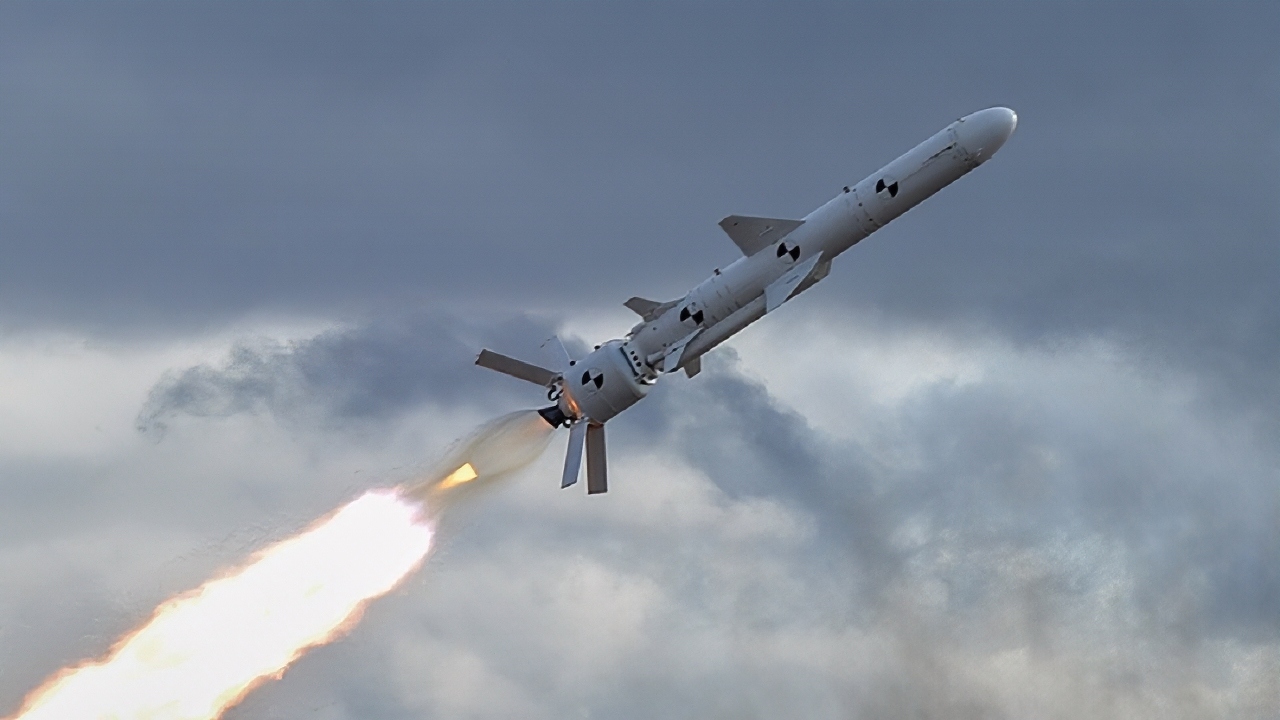
Ukraine has launched three consecutive days of drone attacks against warehouses belonging to Ozon, Russia’s second-largest online retailer, causing the company’s share value to fall by almost a third.
The company says that at least six Ozon logistics facilities have been targeted since Saturday, August 22, amid Ukraine’s ongoing strike campaign against Russian logistics and commercial infrastructure.
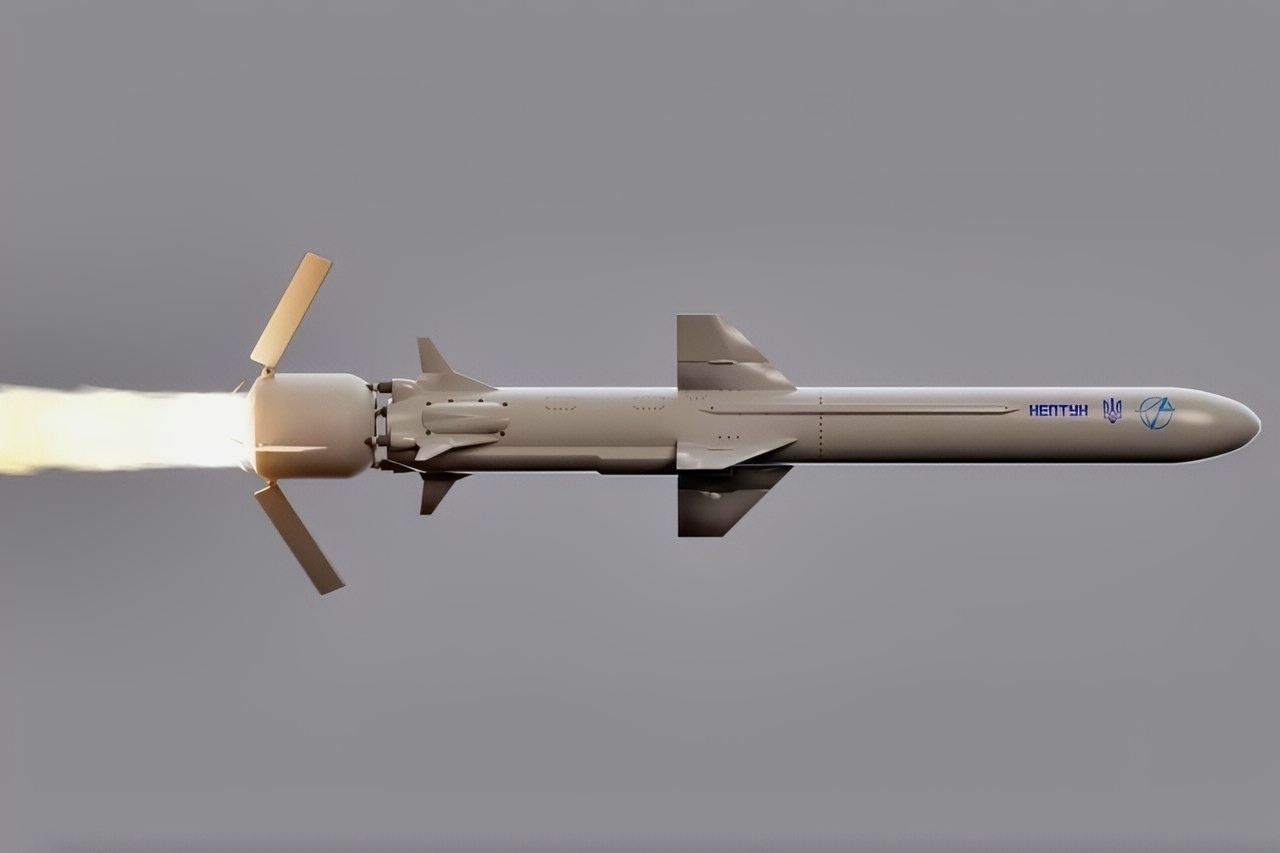
Neptune Missile. Image Credit: Government of Ukraine.
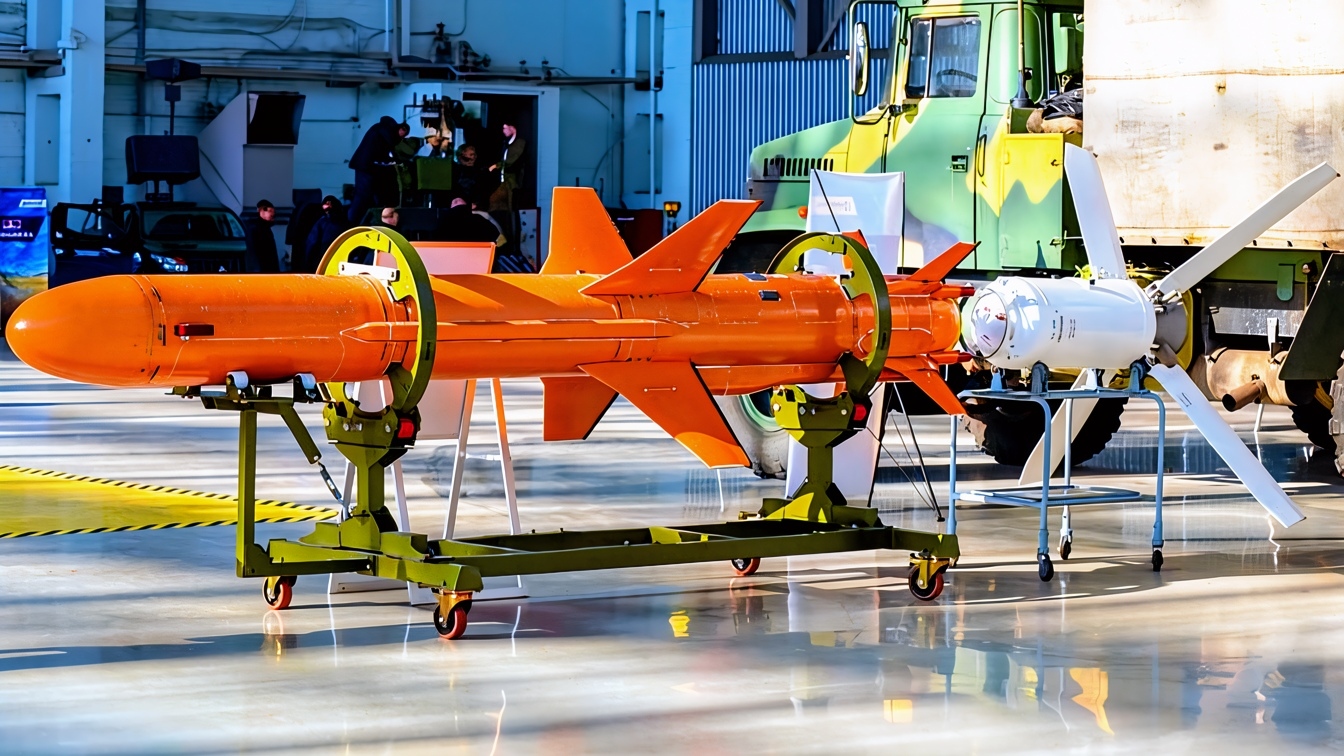
Neptune Cruise Missile Ukraine Government Photo
This follows weeks of attacks on facilities run by Wildberries, the largest Russian e-commerce platform, often described as the country’s version of Amazon.
The strikes are now forcing Moscow to treat civilian logistics networks as a major national security problem, with President Vladimir Putin signing a decree on Monday, August 24, allowing the Russian state to temporarily take control of critical infrastructure when the owners are deemed to have inadequately protected their facilities against drone attacks or failed to repair them quickly enough after the strikes.
Ozon Warehouses Hit Across Southern Russia
The latest strikes occurred overnight into Monday, August 24. Strikes hit facilities across a wide geographical area.
A logistics center in Makhachkala, the capital of Dagestan, caught fire after being hit at around 5 a.m. local time. Ozon said several employees were injured, though their injuries were not life-threatening, and that operations at the facility were suspended.
Another major fire was caused at an Ozon warehouse in Enem, outside Krasnodar. Employees evacuated the site, and the company said no one was injured.
Warehouses in Adygeysk, Adygea, and Nevinnomyssk, in Stavropol Krai, also evacuated workers after drone warnings, although Ozon said the facilities there were not damaged.
The attacks also followed weekend strikes against Ozon facilities in the Samara and Orenburg regions. Over 300 people were evacuated from the Orenburg warehouse before operations were temporarily suspended, although regional authorities later said the facility had reopened.
Ukraine Says It Hit 66 Targets Overnight
Robert Brovdi, the commander of Ukraine’s Unmanned Systems Forces, said that Ukraine struck 66 targets in Russia overnight into Monday. He claimed that the targets included a Russian MiG-29 fighter, four radar systems, and other military sites.
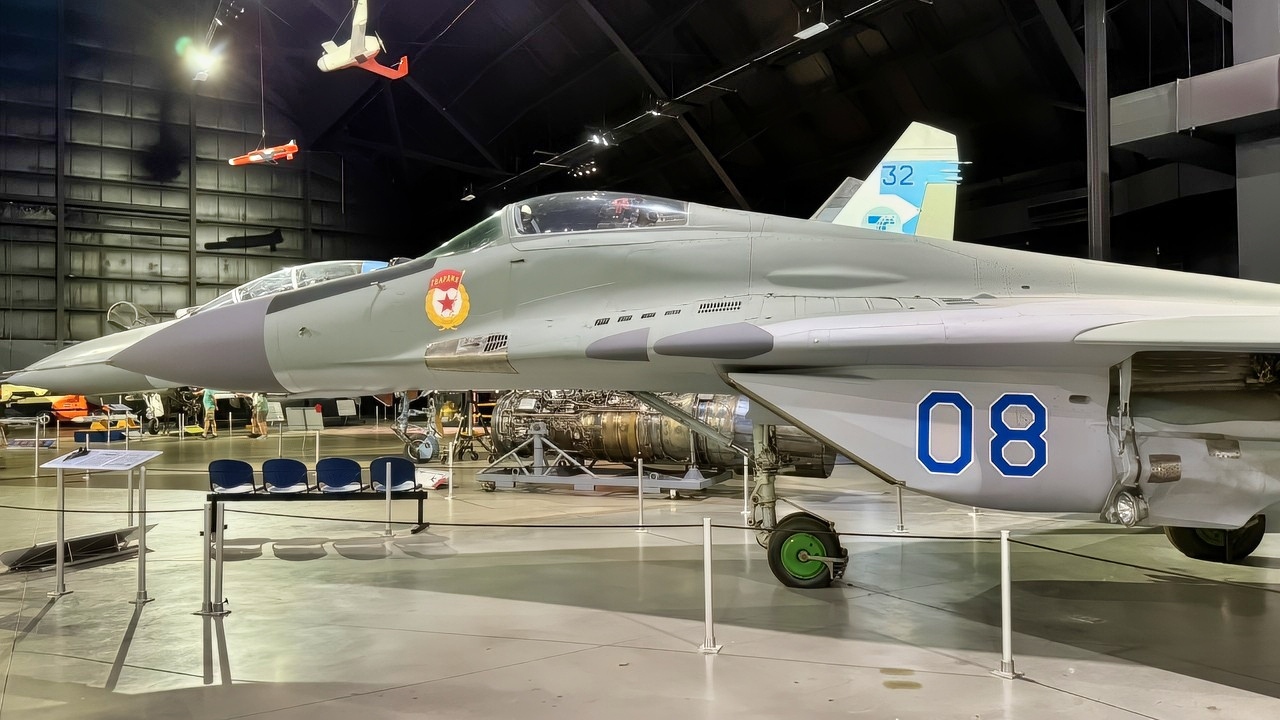
Real MiG-29 at USAF Museum in Dayton. Image Credit: National Security Journal.
Vessels associated with Russia’s shadow fleet were also reportedly struck.
Russia’s Defense Ministry reported intercepting a large number of Ukrainian drones over the previous 24 hours.
The ministry said Russian air defenses had shot down almost 1,000 Ukrainian drones during that period, although the claim could not be independently verified.
Brovdi, who uses the call sign “Madyar,” also said that the strikes extended well beyond the Ozon facilities.
“Birds of the Unmanned Systems Forces successfully struck 66 enemy targets in the operational depth of the enemy rear on the night of August 24,” Brovdi said.
“Among the sensitive targets was another MiG-29 [Dolotinka, Rostov region, Russia] and four radar systems: two Kasta-2E2 units, a Nebo-SV radar [all in Russia’s Rostov region] and an ST-68 radar [Rozdolne, Crimea],” he continued.
Ukraine also claimed to have hit 11 temporary Russian military deployment sites across occupied parts of the Zaporizhzhia, Donetsk and Luhansk regions, as well as a base used by Russia’s SOBR special police forces in occupied Strilkove in the Kherson region. Energy infrastructure in Russian-occupied Ukrainian territory was also targeted.
Ozon Shares Plummet
Ozon shares fell by almost 30% on the Moscow Exchange on Monday after the attacks.
The exchange initiated a discretionary auction after the stock breached its volatility threshold.
The strikes show that Ukraine has now expanded its campaign against Russian commercial infrastructure and logistics operations beyond the original target, Wildberries.
At least two dozen Wildberries warehouses have now been targeted since July 18, as Kyiv works to destroy Russian logistics networks that it claims are supporting military operations.
Moscow’s New Powers
The scale of the strikes has prompted Vladimir Putin to give the Russian government sweeping new powers over privately operated infrastructure.
On Monday, August 24, Putin signed a presidential decree in Moscow allowing the government to impose temporary administration over critical infrastructure when its owners fail to protect it from attacks or restore operations quickly enough afterward.
The Kremlin published the decree Monday afternoon, saying it was necessary because of growing threats to critical infrastructure during the war.
The new rules mean Moscow can take over businesses that prove incapable of protecting their sites from drone strikes, and they apply to everything from fuel and energy sites to industrial facilities and logistics infrastructure.
Under the decree, Moscow can now assume temporary control of a company’s physical and financial assets as well as their formal ownership rights.
The move comes after Putin also instructed the government last week to establish a program to rebuild commercial warehouses damaged or destroyed by Ukrainian drone and missile strikes.
And while the Russian president continues to insist that the Russian economy is stable, there is still no sign that Ukrainian strikes are about to slow down – or that Russia is becoming more capable of intercepting long-range strikes against critical infrastructure.
About the Author: Jack Buckby
Jack Buckby is a British researcher and analyst specializing in defense and national security, based in New York. His work focuses on military capability, procurement, and strategic competition, producing and editing analysis for policy and defense audiences. He brings extensive editorial experience, with a career output spanning over 1,000 articles at 19FortyFive and National Security Journal, and has previously authored books and papers on extremism and deradicalization.


