
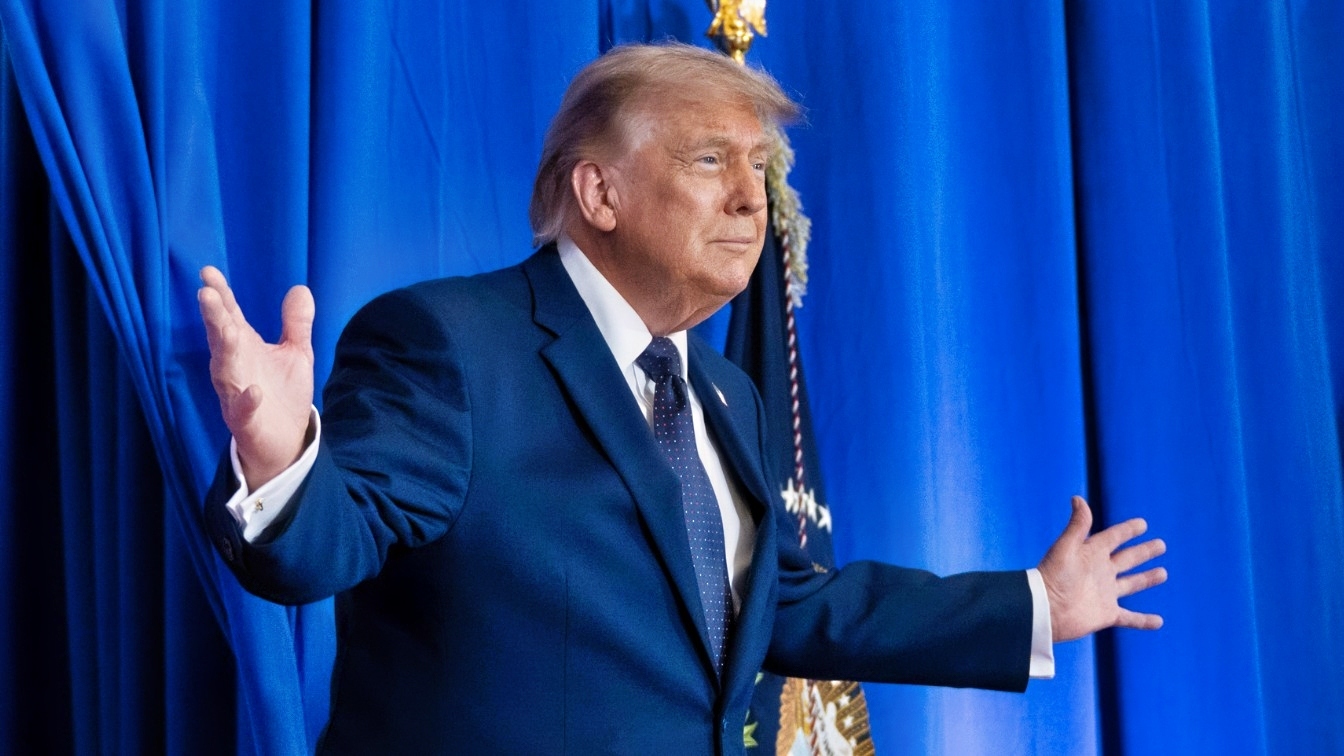
American farmers are on track for another potentially disastrous year, and Congress is considering spending $12 billion to help them weather the storm.
But the scale of the projected agricultural losses suggests that even an enormous bailout may provide only temporary relief.
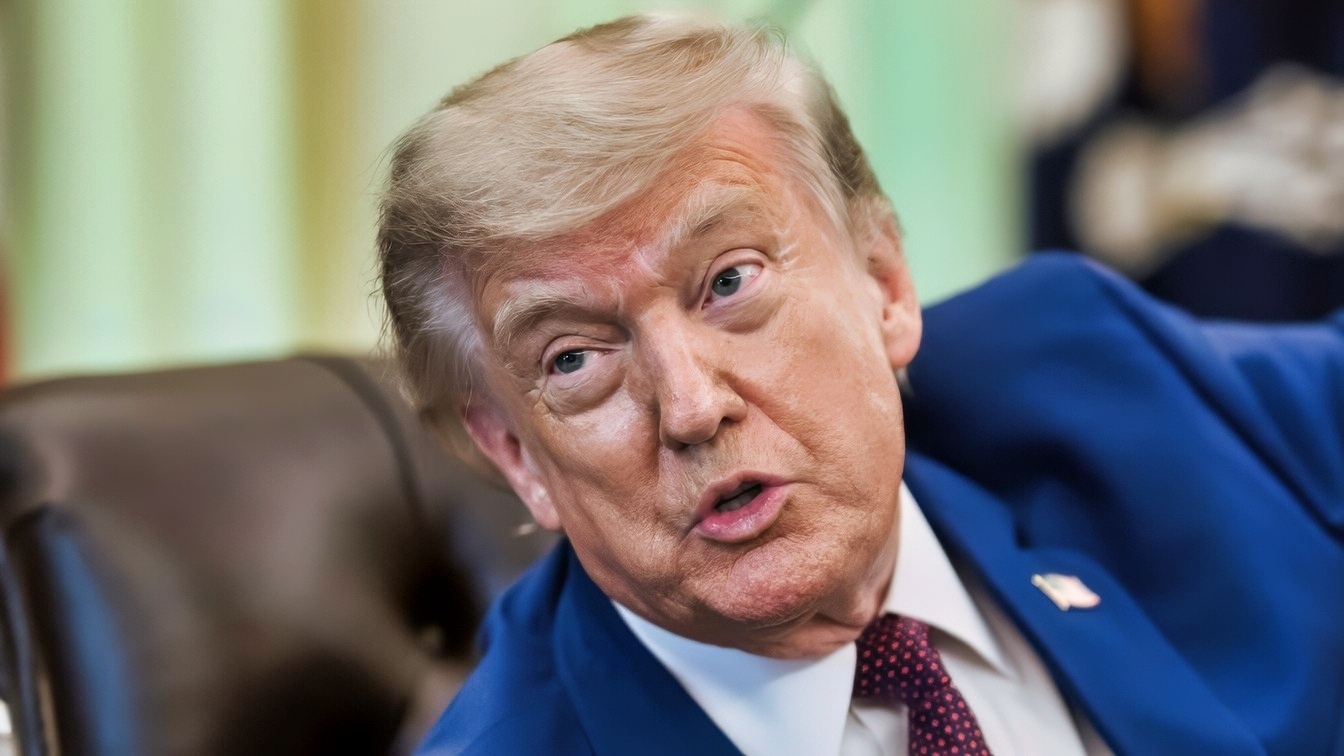
President Donald J. Trump signs Executive Orders in the Oval Office, Wednesday, June 3, 2026. (Official White House Photo by Molly Riley)
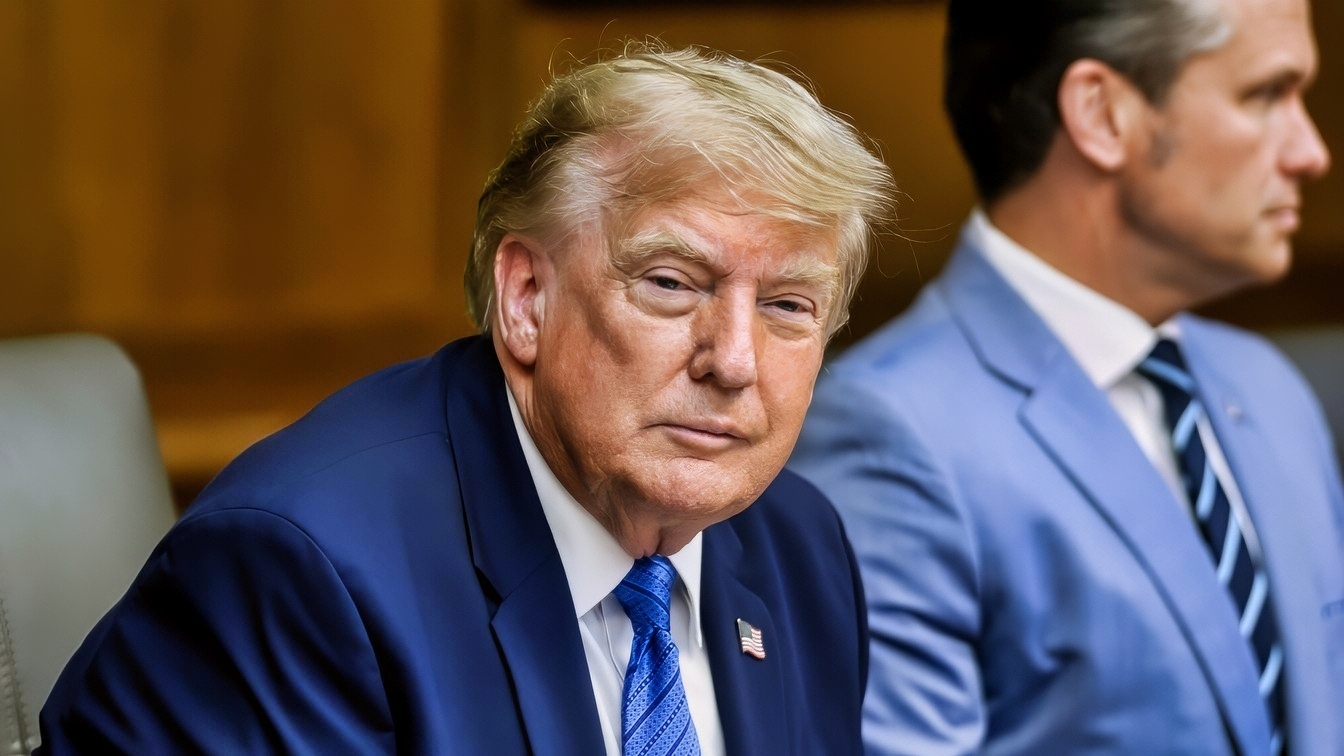
President Donald J. Trump meets with his cabinet at Camp David, Maryland on Friday, July 31, 2026. (Official White House Photo by Daniel Torok)
Farmers are currently being squeezed by a combination of weak crop prices and rising production costs, partly because the Iran war is pushing up fuel and fertilizer prices.
Trade disputes, meanwhile, threaten to make machinery more expensive and complicate access to foreign markets.
The result is bad news for Washington: the federal government is preparing to compensate farmers for the economic pressures they are currently enduring, caused by its own foreign and trade policies.
Washington Prepares Another Farm Rescue Package
Reports this week show that Republican lawmakers are preparing to approve $12 billion in emergency agricultural support when Congress returns, intended to provide immediate financial relief as lawmakers struggle to agree on a new farm bill.
Speaking to the Washington Post, Senate Agriculture Committee Chairman John Boozman said that farmers are losing money.
“Right now, if you’re growing something in the ground, you’re losing money,” Boozman said. “And it’s not just a crop, it’s virtually every crop, and it’s virtually every region of the country.”
The proposed package, however, is complicated. Republicans have included it in a bigger package that also contains additional funding for the Iran war – which is part of the reason why energy and agricultural input costs are rising in the first place.
It means that for legislators to pass the support farmers are looking for, they must also support the continuation of a conflict that put farmers in this position in the first place.
The National Farmers Union has publicly questioned the logic of combining the two funding measures. In a July letter to House Speaker Mike Johnson and House Minority Leader Hakeem Jeffries, the organization said that it supported providing immediate financial relief to farmers but opposed pairing it with billions more dollars for the Iran war, warning that continuing to finance the conflict will further disrupt global markets and make agricultural input costs rise even higher.
“We are troubled by funding that perpetuates a costly military conflict that risks further disrupting global markets, increasing input costs, and contributing to the economic pressures already weighing on farm operations,” the letter reads. “Farmers should not have to bear the financial consequences of policies that further erode their bottom lines,” it continued.
Will the Losses Dwarf the Bailout?
The $12 billion package is welcome, but it may not come close to covering the losses farmers are facing.
According to the American Farm Bureau Federation, producers of nine major crops could collectively lose roughly $31 billion in 2026 without any government assistance, and another $32 billion next year.
Corn producers are expected to lose around $131 per acre this year, and that figure could rise to $167 next year, while soybean farmers face estimated losses of $80 per acre this year and $138 next year.
Individual farmers are also already reporting substantial losses.
Iowa farmer Wendy Johnson, who grows crops and raises livestock across a diversified 1,200-acre operation, told the Washington Post that her profits have fallen by as much as 50%.
The Problems Are Spilling Into Next Year
The increasing production costs are expected to spill over into the new year and impact next year’s harvest.
Higher diesel prices, for example, are increasing the cost of operating tractors and combines during the fall harvest, and fertilizer purchased or applied in the coming months will contribute to the cost of producing next year’s crops.
That means farmers must make decisions about next year while still absorbing 2026 losses.
Another Check Won’t Fix the Problem
Relying on borrowed money and government support to keep operating is not a sustainable way to run and support America’s farms. But that’s where we are.
USDA’s latest forecast puts total U.S. farm-sector debt at $624.7 billion in 2026, an increase of $30.8 billion, or 5.2%, in a single year. Non-real-estate debt, which includes borrowing used to finance farm operations, is expected to rise 6% to $220.4 billion. At the same time, farm working capital is projected to fall by 9.2%.
With government assistance already deeply embedded in the U.S. agricultural system, it’s hard to imagine farmers getting excited about yet another bailout – and it’s also difficult to see the system being reformed or improved dramatically any time soon.
USDA estimates that farmers received $40.5 billion in direct government payments in 2025, including $28.9 billion authorized through economic and disaster-relief programs.
And beyond the proposed new bailout, another $16 billion remains available for farmers who suffered qualifying disaster losses between 2023 and 2024. Another emergency payment, then, cannot fix the problems that exist – but it might at least keep them operational for another year.
If production remains unprofitable while debt rises and cash reserves continue to shrink, Washington could ultimately find itself facing the very same demands for assistance again in 2027 – but the cash needed may be much higher next time, too.
About the Author: Jack Buckby
Jack Buckby is a British researcher and analyst specializing in defense and national security, based in New York. His work focuses on military capability, procurement, and strategic competition, producing and editing analysis for policy and defense audiences. He brings extensive editorial experience, with a career output spanning over 1,000 articles at 19FortyFive and National Security Journal, and has previously authored books and papers on extremism and deradicalization.


