


Ukraine’s President Volodymyr Zelenskyy has announced that his country, along with the US and its European partners, has drafted a new framework for a possible end to the war with Russia.
However willing these parties are to participate in a solution that ends the conflict, it is the Russian set of demands that could still kill the entire proposed agreement.
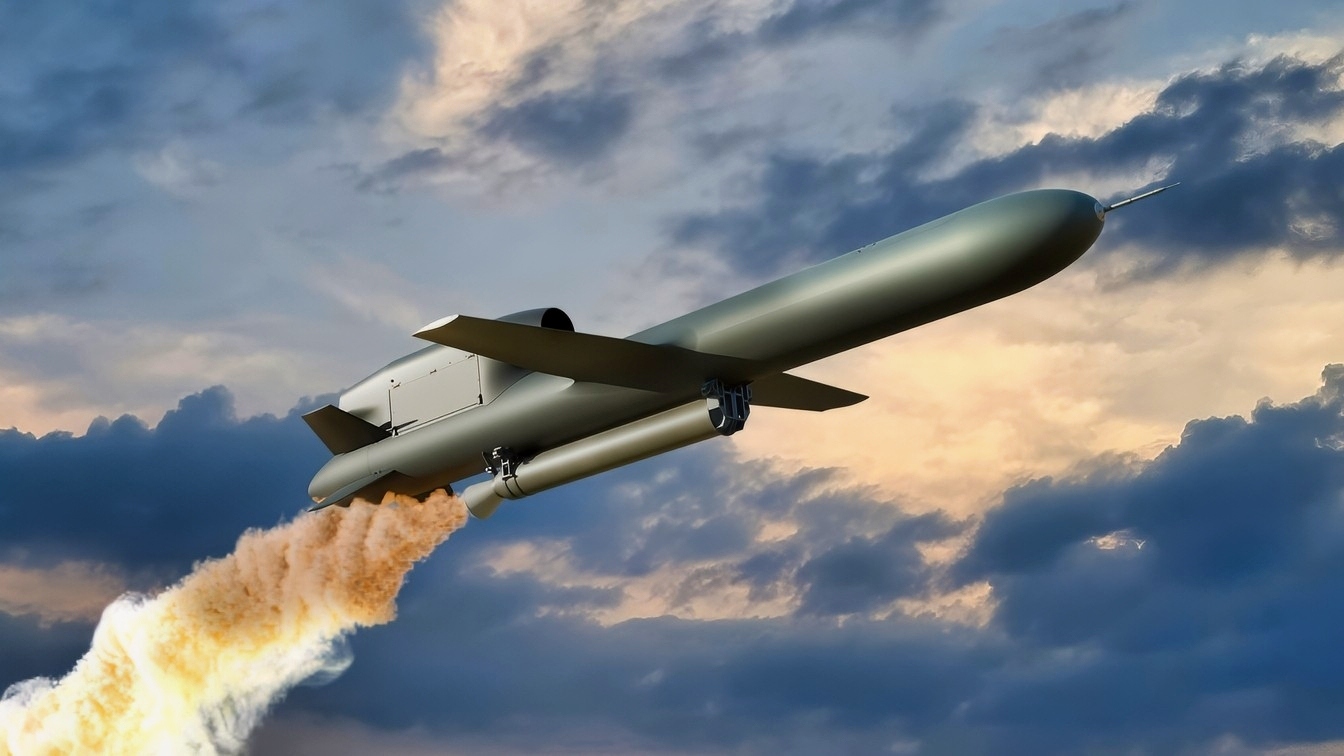
FP-5 Missile From Ukraine Creative Commons Image
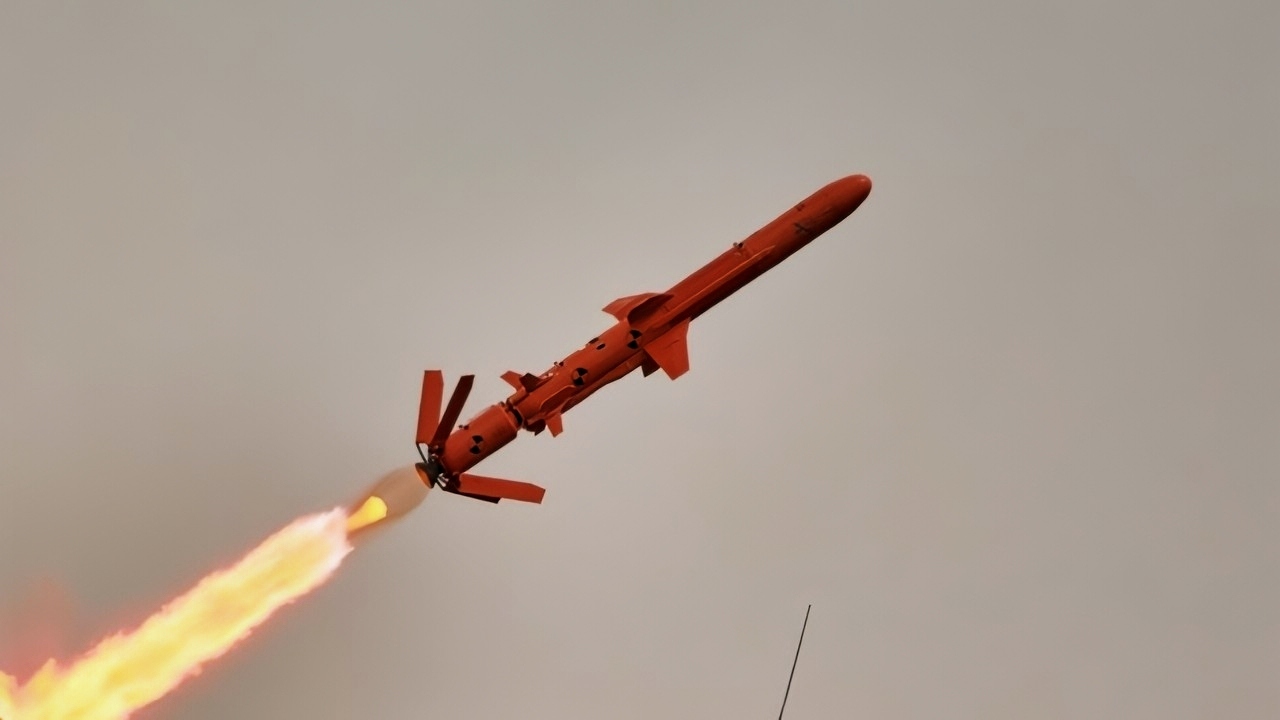
Neptune Missile from Ukraine Creative Commons Image
The plan calls for a series of steps, beginning with a ceasefire.
This would be followed by the mutual withdrawal of Ukrainian and Russian troops from specific parts of the front line.
Then a buffer “free economic zone” would be established and administered by a third party.
The Times of London reported these details today, but Zelenskyy himself previously briefed a group of journalists on certain points of the proposed settlement.
According to Zelenskyy, negotiations with the American side narrowed to three key steps.
A representative of the US also participated in consultations that included Steve Witkoff and US President Donald Trump’s son-in-law, Jared Kushner.
These proposals will now reportedly become the central points for further negotiations with Russian representatives.
The Initial Step
The first and most critical point of this plan is the one that has more than one expert unwilling to believe that it is possible to begin the process. Specifically, it would require Russia to agree to an unconditional ceasefire.
Writing last October in the Journal of Democracy, in an article entitled “How to Negotiate with Putin,” foreign policy expert and member of the Council on Foreign Relations member Robert Person articulates the skepticism many others share.
“I remain doubtful that there will ever be a signing ceremony for a Russian-Ukrainian ceasefire agreement, let alone a long-term peace agreement.
But at least a tougher, uncompromising strategy will severely degrade Russia’s capacity to wage war, enhance Ukrainian survival, and more likely produce the battlefield stalemate necessary to force a frozen conflict,” he writes.
He also sees Putin as having no interest in an amicable settlement.
“A negotiating strategy of alternating carrots and sticks might work on a leader who is genuinely looking for a diplomatic exit from war,” writes Person. “But Vladimir Putin is no such leader — nothing in his behavior since Trump initiated his diplomatic outreach suggests that Putin finds it necessary to accept anything but total victory.”
“There is no reason to think carrots will now alter his thinking,” he continues. “Worse, Putin may interpret them as a sign of Western strategic incoherence that reinforces his belief in the weak resolve of Ukraine’s allies.”
Subsequent Actions Required
The second step calls for the creation of what is being called a free economic zone.
At the same time, Ukrainian and Russian troops must withdraw to an equal distance from a designated section of the front line. But Zelenskyy said it is still undecided who would manage this buffer zone.
The third major section would detail the roles of the European Union and NATO, the provision of security guarantees for Ukraine, and the final commitments Kyiv would have to sign.
Zelenskyy emphasized that these three proposals were not drawn up solely by the Ukrainian side but were formulated in cooperation with the United States and Kyiv’s European partners, while the American contingent was in contact with Moscow.
The Times then describes these three proposed actions as the core of the proposal to end the war in Ukraine.
But the plan has a wrinkle: Russia’s position on a settlement remains the main obstacle.
Moscow continues to demand that Ukraine’s forces withdraw from all of the Donbas and has signaled no inclination to abandon its other maximalist territorial claims.
Zelenskiy has also said that the window for negotiations remains extended and that no settlement can be expected for at least a year. All parties involved must agree to the main points sketched above.
Those in intelligence circles who are well aware of Russia’s hybrid warfare tactics tell National Security Journal that they see Moscow deliberately trying to drag out the negotiations until the US begins to see candidates positioning themselves for the 2028 presidential race.
“You can be sure that Putin’s dirty tricks squad will employ every bit of subterfuge that they can and thereby use the election cycle to create some leverage, some advantage for their position,” said one former US intelligence official.
About the Author: Reuben F. Johnson
Reuben F. Johnson has thirty-six years of experience analyzing and reporting on foreign weapons systems, defense technologies, and international arms export policy. Johnson is the Director of Research at the Casimir Pulaski Foundation. He is also a survivor of the Russian invasion of Ukraine in February 2022. He worked for years in the American defense industry as a foreign technology analyst and later as a consultant for the U.S. Department of Defense, the Departments of the Navy and Air Force, and the governments of the United Kingdom and Australia. In 2022-2023, he won two awards in a row for his defense reporting. He holds a bachelor’s degree from DePauw University and a master’s degree from Miami University in Ohio, with a specialization in Soviet and Russian studies. He lives in Warsaw.


