

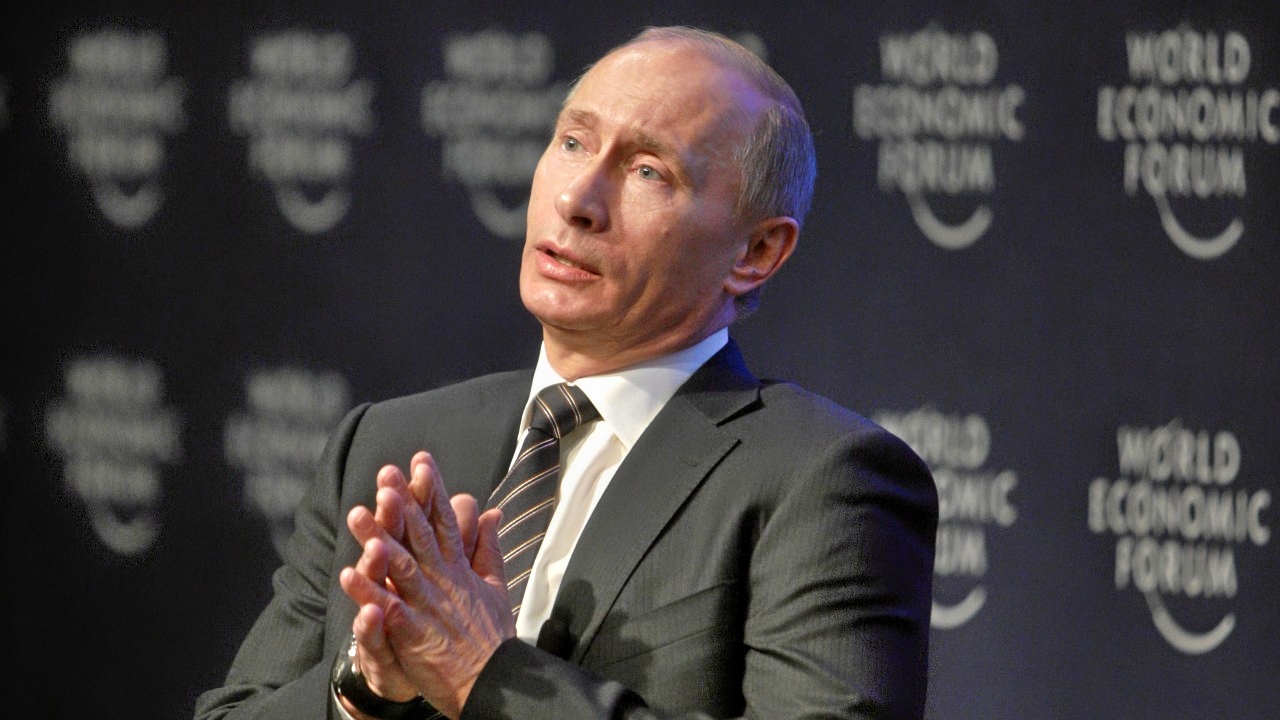
After four and a half years of war in Ukraine, has Russia hit a money crunch? That seems to be the case, according to a Bloomberg News story on Friday.
Finance Minister Anton Siluanov, the story said, warned Prime Minister Mikhail Mishustin that Russia might not have enough money to meet its payment obligations on time.
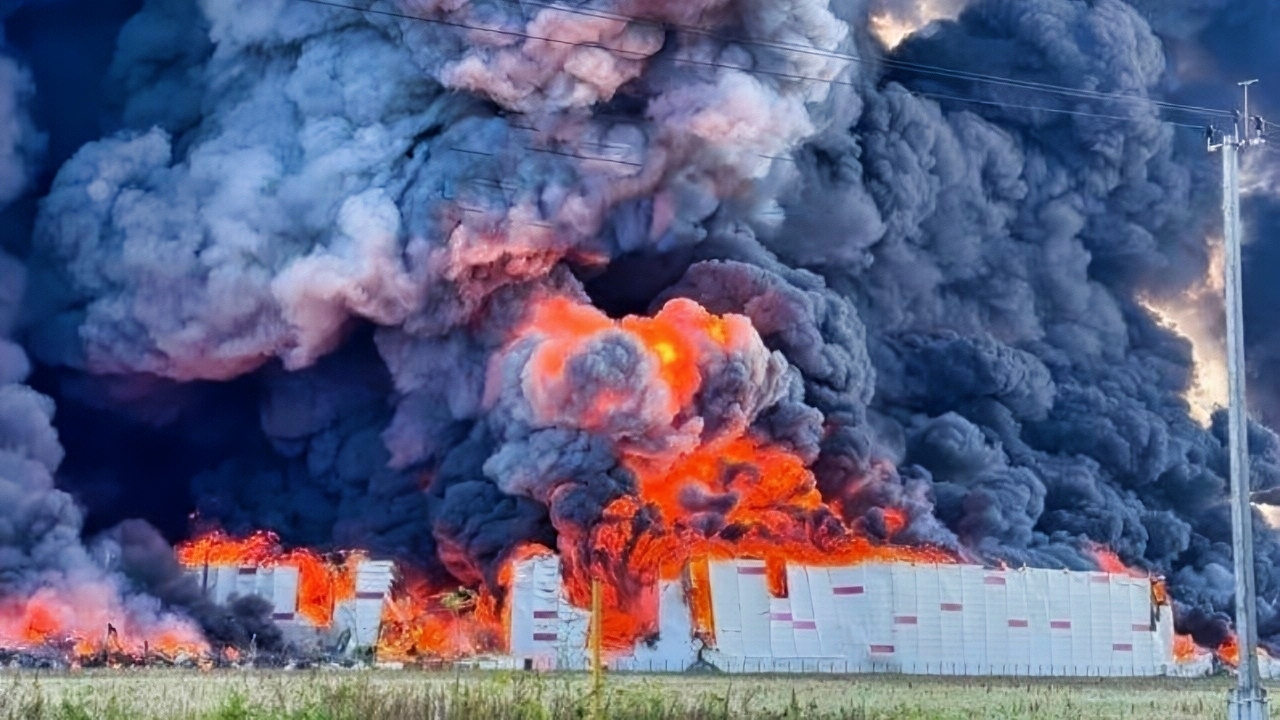
Moscow Warehouse Fire X Screenshot
Russia: Economic Crisis Thanks to Ukraine War?
Per the report, as cited by Defense News, the balance on Russia’s treasury account “fell to roughly minus 5.5 trillion rubles, or about $65.3 billion in the red,” prompting Russia to adopt a new austerity regime that included a sharp 35 percent cut to non-military spending. These have not, however, been accompanied by military cuts, or any indication that Russia is backing off from the war effort.
Forbes Russia had reported earlier this year that Russia ran a budget deficit of 6 trillion rubles in the first three months of 2026.
Reuters had reported in July that Russia’s budget deficit for the year was likely to exceed forecasts by as much as $13 billion.
The Defense News story noted that the Russian government has neither corroborated nor denied these reports.
Siluanov told a Russian-language outlet this week that the budget “has no problems whatsoever” and is “fully backed by resources.”
This comes amid a report by the New York Times that the director of the CIA, John Ratcliffe, recently visited Moscow, met with his Russian counterpart, and delivered a bleak assessment of the state of the war effort.
The CIA chief also addressed Russia’s economic woes, as he went on to “urge the Russians to cut a deal before their military and economic situation gets worse.”
The Moscow Times reported that Putin has ordered the government to stabilize finances in Russia’s “debt-laden regions.” That story listed Russia’s current shortfall as 6.5 trillion rubles ($77.4 billion).
“The stability of regional finances is also the direct responsibility of the federal government and the Finance Ministry,” Putin told regional officials, per the official transcript of a Kremlin meeting, as cited by the Moscow Times.
A “Slow Motion Bank Run”
A Fortune report earlier this week pointed to more money troubles for Russia.
“A financial crisis that has long been predicted by Russia experts and Kremlin insiders appears to have finally arrived as banks see depositors scramble to pull out their money amid fears it may be seized,” that report said.
The Moscow Times examined whether the Russian government should worry about this. Russian citizens, the report said, have been pulling cash out, with Russian businesses and individuals adding 2.1 trillion rubles ($25.3 billion) to their holdings this year.
There are a few reasons for this, the Moscow Times said, with citizens taking cash out at times when Russia was jamming mobile signals to interfere with Ukraine’s drone attacks.
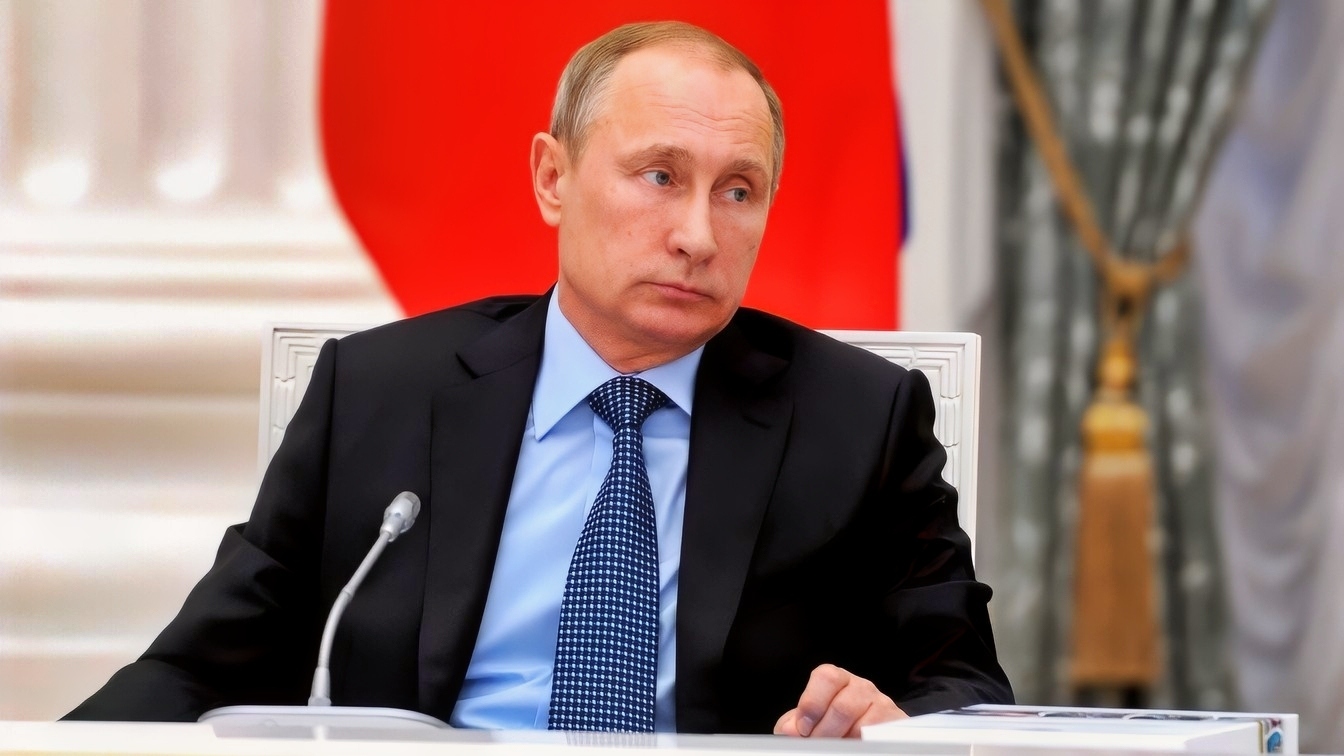
Putin Back in 2025 Creative Commons Photo
The report also said there are fears that, while the government has promised not to touch personal savings to fund the war, Communist Party leader Gennady Zyuganov has proposed doing just that. Plus, fears of another military mobilization have led many Russians to consider leaving the country, which requires cash. Meanwhile, businesses are seeking to avoid taxes.
Here Comes the Digital Ruble
Reports of financial woes come as Russia prepares a cryptocurrency push, with the planned September 1 major rollout of the digital ruble.
According to a report by biggo.com, the state-controlled digital currency will enter “everyday commerce” at the start of September, with the country’s leading retailers and telecom companies on board. Decentralized crypto, however, will remain prohibited.
Wildberries and Ozon, the two Russian e-commerce giants whose facilities have been targets of regular Ukrainian attacks, are among the retailers that will accept digital ruble payments.
“The coordinated rollout coincides with a legal deadline established by Russian law passed in July 2025. The regulation mandates that all major retailers — defined as companies with gross revenues above 120 million rubles, or approximately $1.5 million — that work with significant banks must accept digital ruble payments starting September 1, 2026,” the biggo.com report said.
“Medium-sized firms with revenues above 30 million rubles must comply by September 2027, with all remaining businesses required to follow by September 2028.”
About the Author: Stephen Silver
Stephen Silver is an award-winning journalist, essayist, and film critic, and contributor to the Philadelphia Inquirer, the Jewish Telegraphic Agency, Broad Street Review, and Splice Today. The co-founder of the Philadelphia Film Critics Circle, Stephen lives in suburban Philadelphia with his wife and two sons. For over a decade, Stephen has authored thousands of articles that focus on politics, national security, technology, and the economy. Follow him on X (formerly Twitter) at @StephenSilver, and subscribe to his Substack newsletter.


