
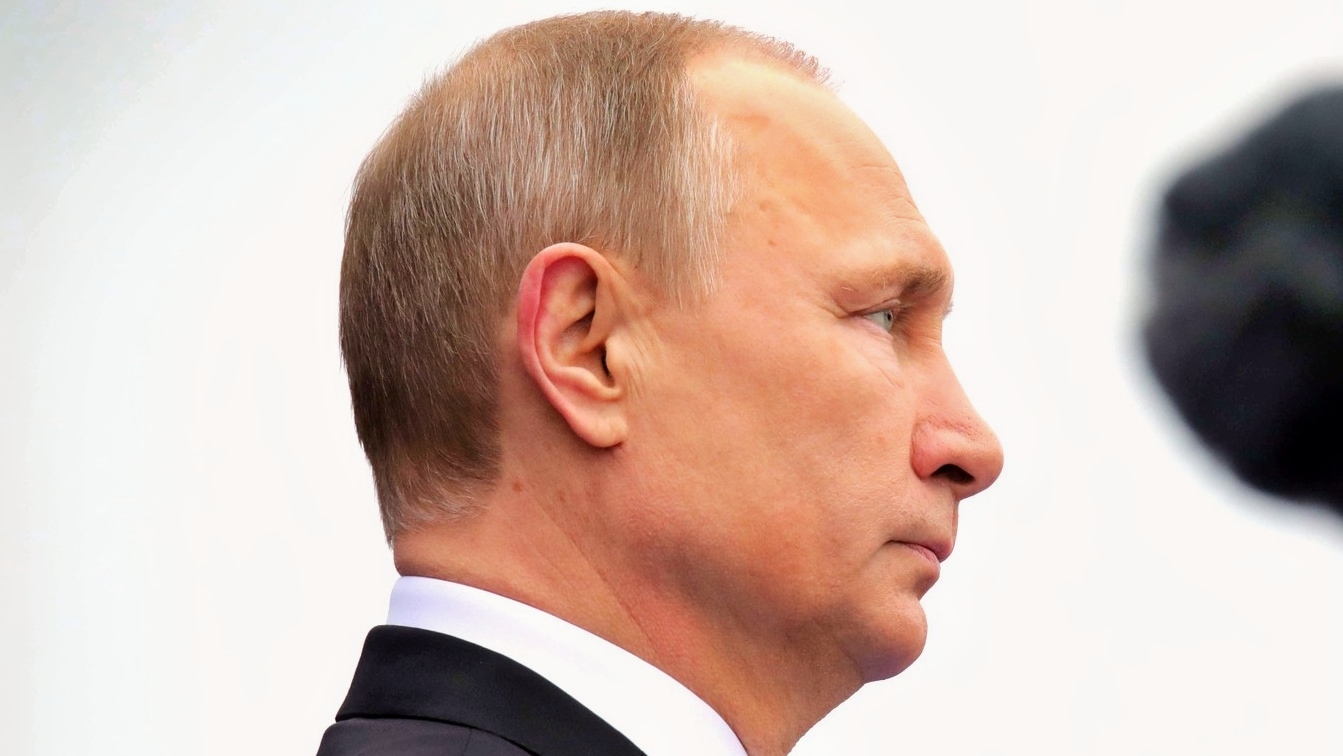
The story behind CIA Director John Ratcliffe’s mysterious trip to Moscow appears to be unraveling, with reports now suggesting that the U.S. intelligence official warned Russia against escalating its confrontation with NATO and pressured the Kremlin to reduce its support for Iran.
The Kremlin has since confirmed that Ratcliffe, who was spotted traveling to Moscow on public flight trackers, met with Russia’s foreign intelligence chief during his eight-hour-long visit.
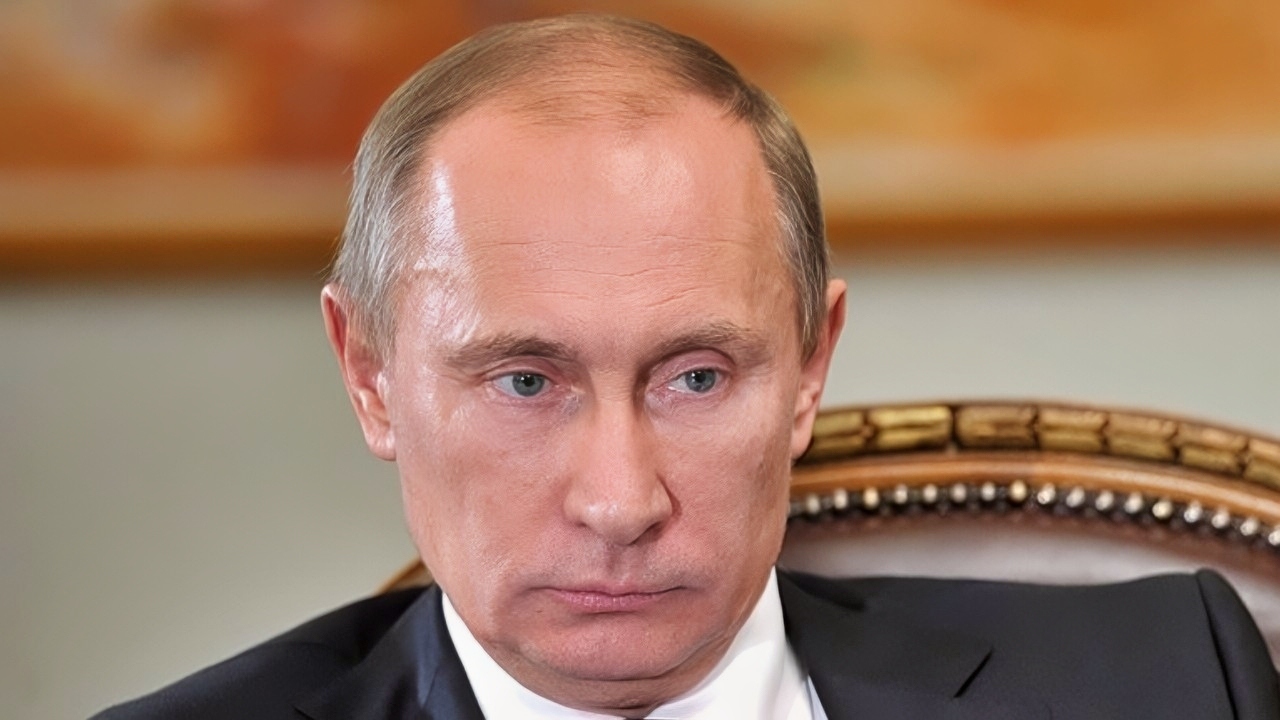
Putin in 2012 Creative Commons Photo
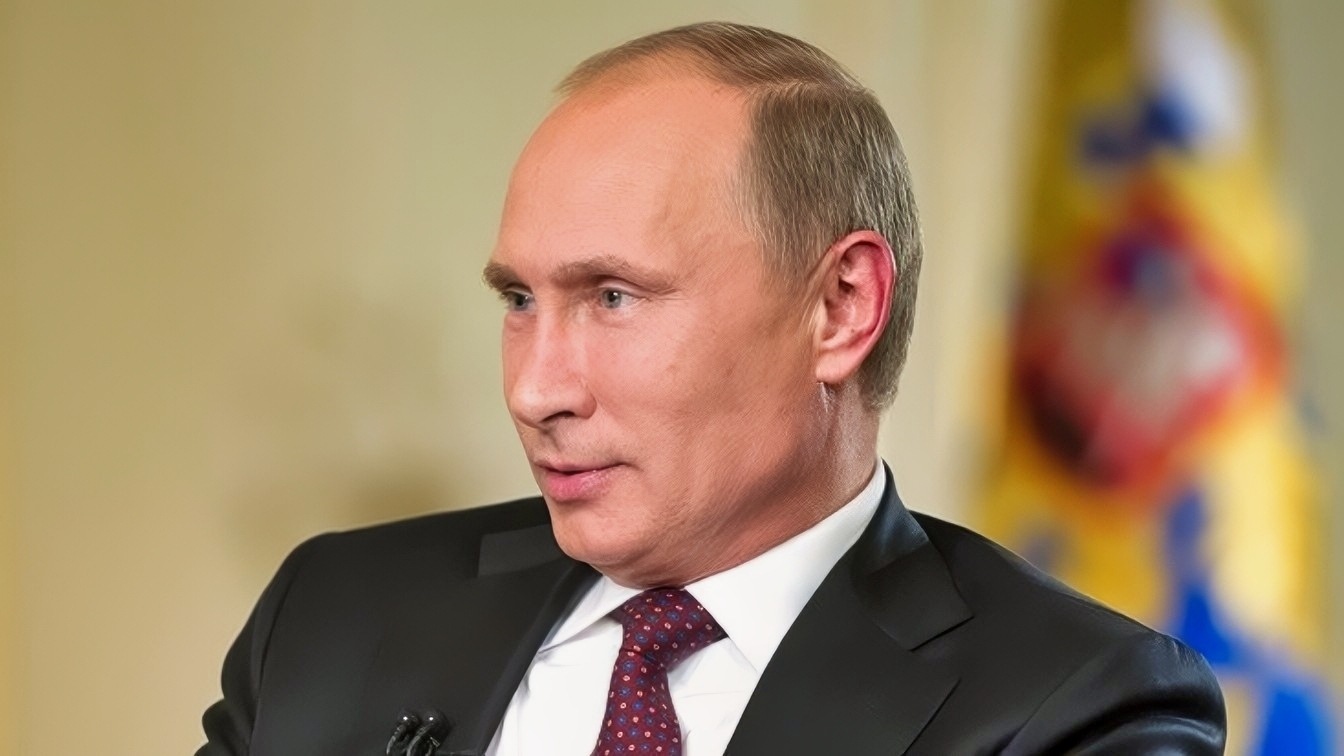
Putin Interview from Back in 2012 Image Credit Creative Commons
And, according to the latest assessments, the CIA director delivered a series of warnings relating to the Baltic states, Iran, and the possibility of further escalation.
The reports also come amid new U.S. intelligence assessments suggesting that Moscow could attempt to test NATO with a limited incursion into the territory of an alliance member without launching a full-scale invasion of an alliance member.
Ratcliffe Warned Russia Against Testing NATO
On Wednesday evening, multiple outlets reported that the CIA director had traveled to Moscow to warn the Kremlin against attacking NATO members, following intelligence assessments that Russia was preparing to escalate in the hopes of making new advances in the war in Ukraine.
According to The Wall Street Journal, POLITICO, and others, Ratcliffe’s mission focused largely on Estonia, Latvia, and Lithuania, the three Baltic NATO members bordering Russia or Belarus, which is one of its closest allies.
On Thursday, CBS reported that U.S. intelligence assessments now indicate that Russian President Vladimir Putin could be preparing to authorize provocative new operations on NATO territory, which could include cyberattacks or hybrid operations.
The general consensus is that, should Russia launch an assault against a NATO member, it would take the form of asymmetric warfare.
The objective could be to test NATO’s resolve and determine whether the Trump administration would actually defend an alliance member.
It follows years of threats from the U.S. president that Washington would withdraw from NATO in response to what he sees as member states not paying their way.
Russia Confirms the Meeting – and Rejects the Reports
Sergei Naryshkin, the director of Russia’s Foreign Intelligence Service, confirmed on Thursday that he personally met Ratcliffe during the visit.
He described the discussion as a “working-level meeting” that covered sensitive issues within the responsibilities of the two intelligence agencies, but he did not reveal exactly what was discussed.
He also said nothing unusual happened during the meeting.
Kremlin spokesman Dmitry Peskov, however, was dismissive of reports that the meeting was related to a possible Russian move against NATO.
Also on Thursday, Peskov said that the reports of a Russian incursion into NATO territory were “scare-story material.”
“A lot of such scare stories are being published right now. Of course, they have nothing to do with reality,” Peskov said during his daily briefing.
There is also evidence that NATO governments knew something unusual was happening before the Ratcliffe visit was confirmed, with a Baltic diplomat telling RFE/RL that officials in the region had been warned in advance about the visit.
Similarly, U.S. officials told the same outlet that Washington now plans to brief its allies during talks next week.
Pentagon policy chief Elbridge Colby is also due to meet NATO Secretary-General Mark Rutte in Brussels on August 29 before meeting with ambassadors from allied states.
Also speaking to RFE/RL, the Estonian Foreign Minister suggested the visit should not be viewed as “pivotal,” but as an opportunity to send a message to the Kremlin in hopes of preventing dramatic escalation.
“The best deterrent is a united and strong NATO and the clear understanding in Moscow that the alliance is prepared to defend every inch of allied territory,” Margus Tsahkna said.
“It is in the interests of Estonia and NATO as a whole that Russia does not miscalculate when it comes to NATO’s collective defense.
The more clearly the allies make it understood in Moscow that NATO’s collective defense remains rock-solid, the better,” he continued.
Ratcliffe Pressed Moscow Over Iran
Ratcliffe also reportedly pressed Russia to reduce its support for Iran, with POLITICO reporting that he specifically raised Moscow’s transfers of weapons and defense technology to Tehran during the trip.
Other reports described how Ratcliffe may have urged Moscow to encourage Tehran to open the Strait of Hormuz.
One British official also said that Ratcliffe warned Russia against “overreacting” if it is affected by Washington’s new economic sanctions campaign against countries that do business with Iran.
Could Britain Be Putin’s Next Target?
The United Kingdom is even among Russia’s potential next targets.
On Thursday, Russian Foreign Ministry spokeswoman Maria Zakharova warned that Moscow could strike British military assets in Ukraine or elsewhere in response to Ukrainian attacks using British-supplied Storm Shadow missiles.
Earlier in the week, former Russian deputy foreign minister Andrei Fedorov said that Putin was facing increasing pressure to retaliate against London, potentially in the form of cyberattacks on British arms manufacturers or “semi-military” operations.
About the Author: Jack Buckby
Jack Buckby is a British researcher and analyst specializing in defense and national security, based in New York. His work focuses on military capability, procurement, and strategic competition, producing and editing analysis for policy and defense audiences. He brings extensive editorial experience, with a career output spanning over 1,000 articles at 19FortyFive and National Security Journal, and has previously authored books and papers on extremism and deradicalization.


