

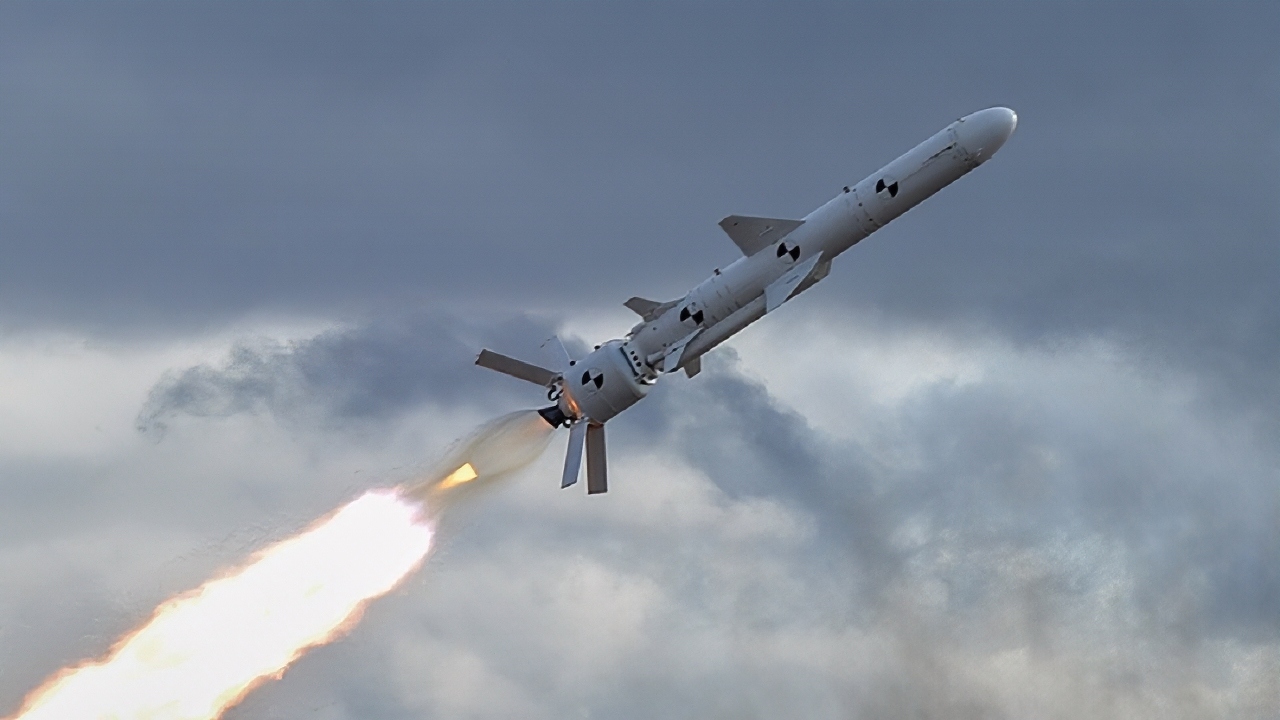
The Ukrainian military’s ability to hit targets anywhere in Russia — no matter how far away from the border that might be —has reached the point where it has even spooked visiting Chinese dignitaries. Reports yesterday note that during the recent 1-4 September Eastern Economic Forum, headlined by Russian President Vladimir Putin, the senior official present from the People’s Republic of China (PRC) made a special request of – all countries – Ukraine.
According to unnamed sources cited by Japan’s Kyodo News Service, the PRC Vice Premier Ding Xuexiang requested that Kyiv not launch any drone strikes on Vladivostok during the forum.
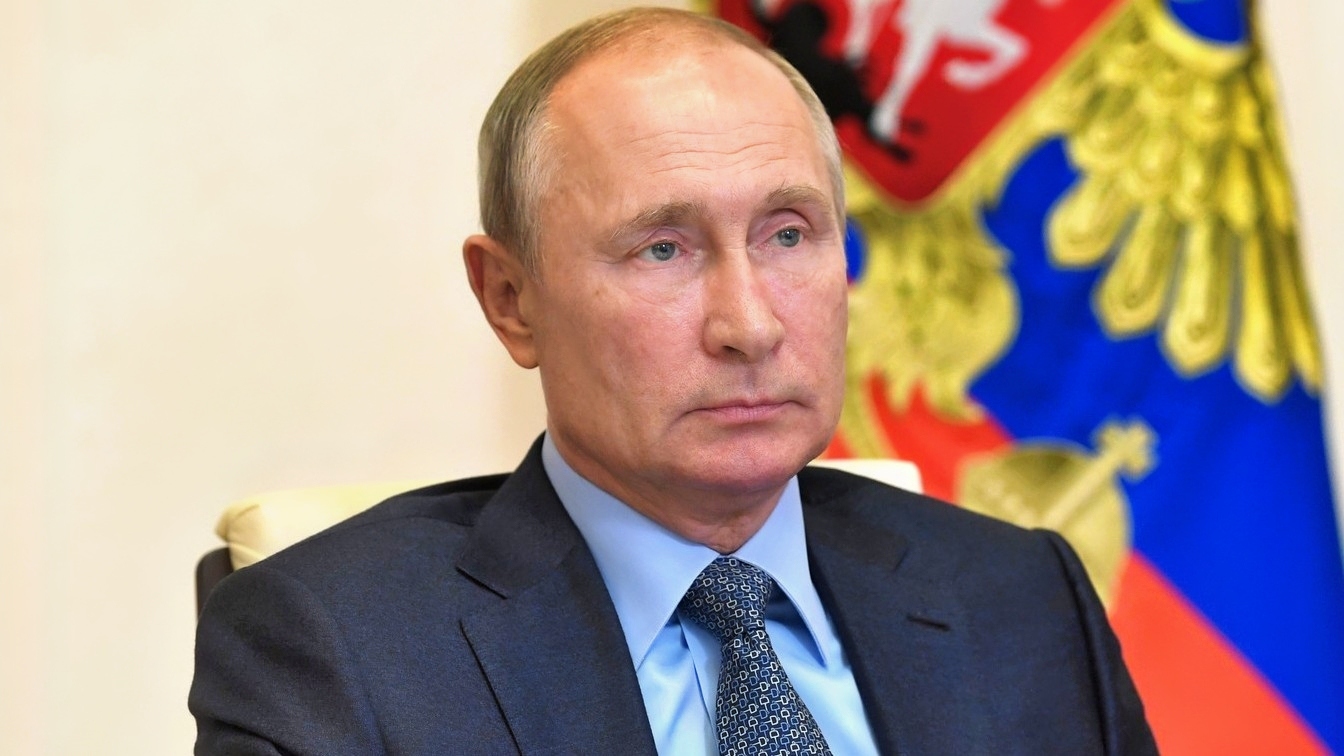
Putin in June 2020 Russian Federation Photo
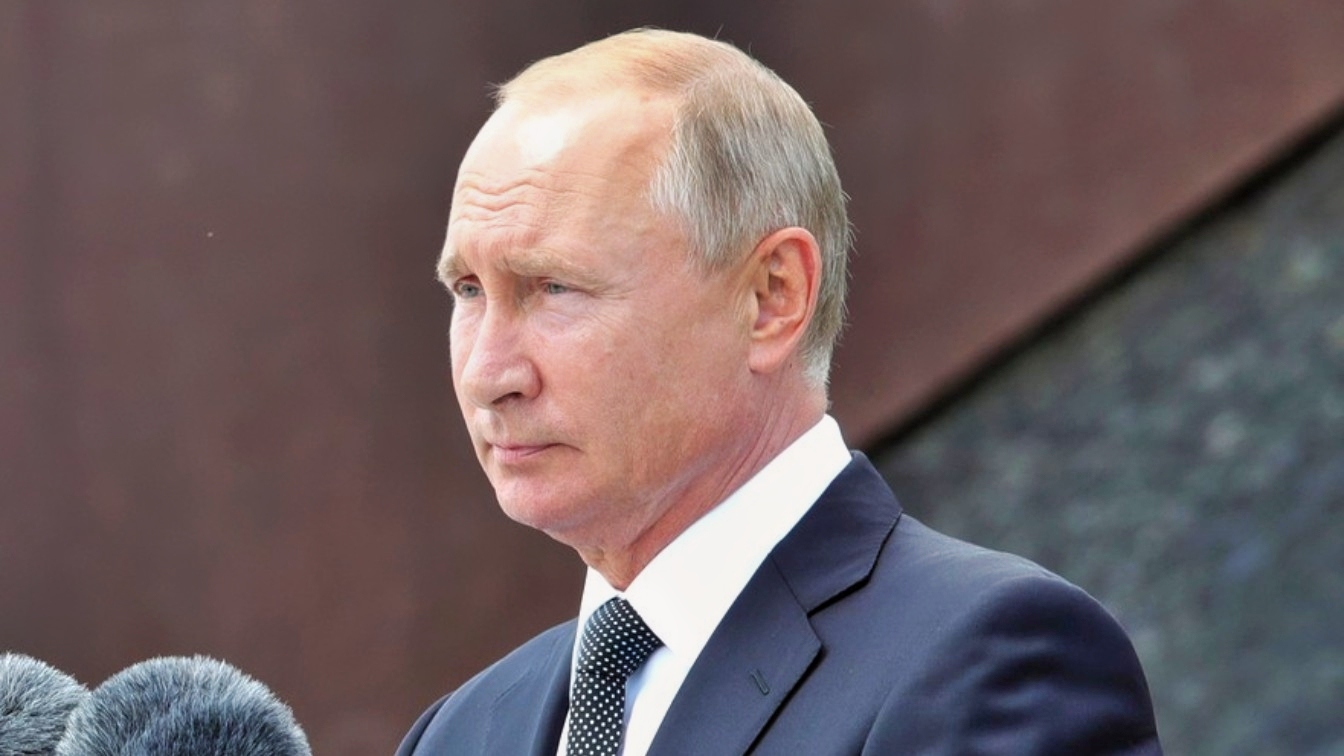
Putin Speaking With Leader of Belarus Russian Federation Photo.
After the Ukraine attacks on St. Petersburg during that city’s economic forum in June 2026, Ding was reported to have been concerned for the safety of the PRC delegation he was leading on this official trip to Russia.
Ding himself is a member of the Politburo Standing Committee (PSC) of the Communist Party of China (CCP), which is the most powerful decision-making body in the country. “These are the seven people who run the country,” said a retired NATO-member state intelligence officer who had covered the PRC as a first-order responsibility during his tenure.
Ding holds a seat on this body, whose members regularly interact with the all-powerful CCP General Secretary Xi Jinping. In the Party’s pecking order, he is considered the 6th highest-ranking leader in all of the PRC.
Ukraine answered the Chinese leader through its own channels and acceded to his request. There were, however, no reports or confirmation that Ukraine was actually planning a strike on Vladivostok during the event.
No official statement was made along these lines, but the Japanese news report also speculated that Kyiv agreed to the request, expecting the quid pro quo to be that Beijing might help push Putin towards a peace agreement.
Nervous About Operation Spiderweb
Ding was in Russia from 2-4 September for the forum, but the Japanese news service did not report Beijing’s request to Ukraine until yesterday.
The Kyodo service report also appeared to confirm statements by Ukrainian President Volodymyr Zelenskiy made on the eve of the CCP delegation’s departure from the PRC.
The Ukrainian President said that Kyiv had been approached by “another global power” that asked Kyiv to suspend any attacks toward Vladivostok for a specified period. According to Zelenskiy, Ukraine had agreed to comply with this nation’s request.
The Pacific coast port city of Vladivostok is located over 4000 miles from the Ukrainian border, which is at a range that very few of Ukraine’s long-range drones would be capable of hitting.
But the CCP delegation seems to have been nervous nonetheless due to the famous 1 June 2025 Operation Spiderweb. On this occasion, Ukrainian drones attacked Russian military airfields at great distances from the Ukrainian border.
Ukraine’s Security Service (SBU) smuggled more than 100 drones deep into Russian territory and was able to launch them from concealed mobile platforms that had been pre-positioned near remote military airfields.
Ukraine has also intensified attacks on Russian oil refineries, fuel depots, and logistics facilities. These attacks are part of what Ukraine President Zelenskiy had announced as “long-range sanctions” to deprive Moscow of the ability to finance its war.
The story of that operation – combined with the spectacle of delegates leaving the St. Petersburg forum in June with huge columns of black smoke rising into the sky – appeared to have been cause for alarm in Beijing.
Reports are that from this day forward Chinese VIPs regard the possibility of Ukraine strikes on distant targets as now being a factor that must be taken into account during any international events in Russia that they might attend.
Media footage from the forum showed a pickup truck equipped with an anti-aircraft battery mounted on its bed as part of the Russian president’s motorcade in Vladivostok. This added air defense appeared to be a precaution against Ukraine’s expanding drone operations inside Russia.
Far East Cooperation: What a Former Intel Officer Told Us
The Chinese Vice-Premier also met with Putin to discuss potential agreements between the two nations. During his meeting with Putin, Ding said the prospects for expanding PRC-Russia cooperation in the Far East were “broad and promising,” as reported by the Chinese state news agency Xinhua.
The PRC also remains one of Russia’s major buyers of crude oil. This is one of the main options for Putin to earn revenue that provides Moscow with the resources it needs to sustain its war effort in Ukraine.
“Looking at this story in the broader picture,” said the NATO intelligence officer, “this is another humiliation for Putin. Here are the Chinese attending this rather high-level event, and by their actions they are saying to Putin that they now do not feel safe when traveling to Russia.”
About the Author: Reuben F. Johnson
Reuben F. Johnson has thirty-six years of experience analyzing and reporting on foreign weapons systems, defense technologies, and international arms export policy. Johnson is the Korea Fellow at the Casimir Pulaski Foundation. He is also a survivor of the Russian invasion of Ukraine in February 2022. He worked for years in the American defense industry as a foreign technology analyst and later as a consultant for the U.S. Department of Defense, the Departments of the Navy and Air Force, and the governments of the United Kingdom and Australia. In 2022-2023, he won two awards in a row for his defense reporting. He holds a bachelor’s degree from DePauw University and a master’s degree from Miami University in Ohio, specializing in Soviet and Russian studies. He lives in Warsaw.


