
Houthi rebels have launched a fresh wave of attacks on southern Saudi Arabia as part of a renewed offensive in Yemen.
The Houthis, who are closely aligned with the authoritarian regime in Iran, have renewed hostilities in recent weeks in their long-running war against the Yemeni government.
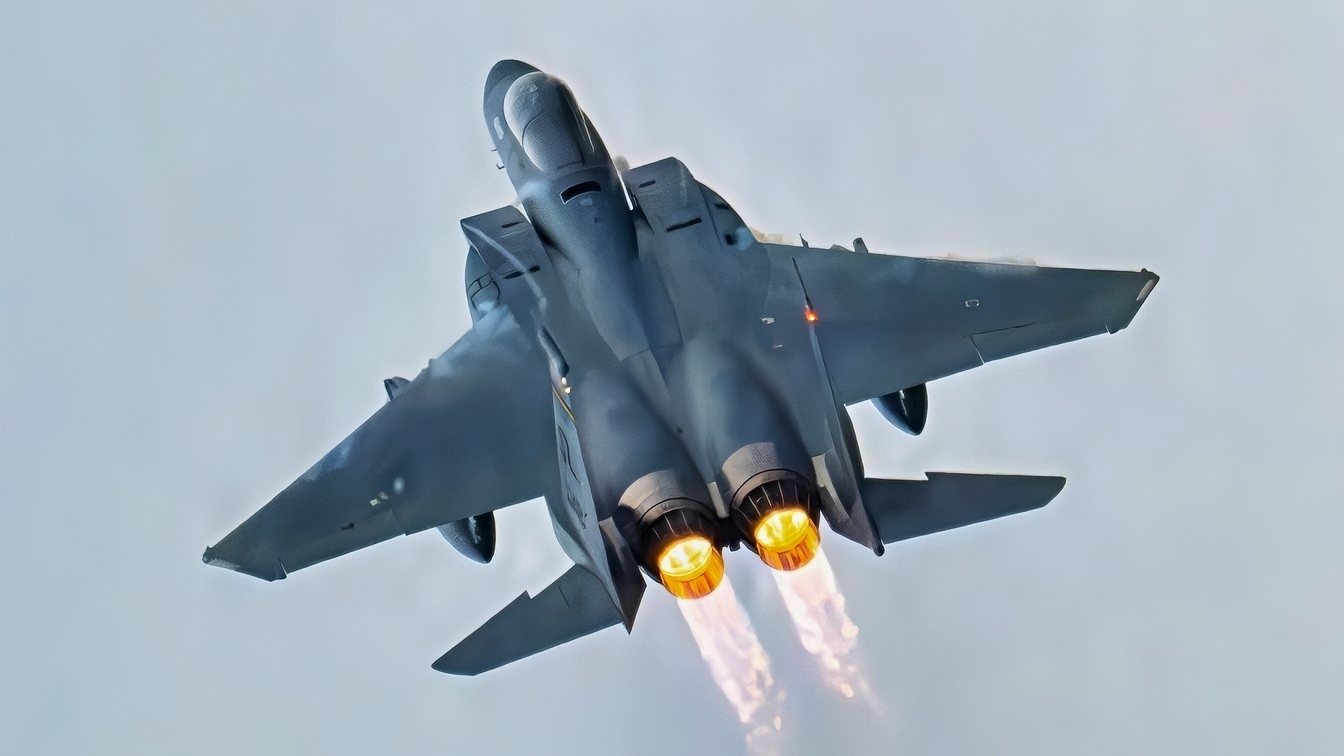
A Louisiana Air National Guard F-15C Eagle streaks above the Ohio River during the Thunder Over Louisville air show in Louisville, Ky., April 18, 2026. More than a dozen military aircraft performed during the show, including four Kentucky Air National Guard C-130J Super Hercules from the Louisville-based 123rd Airlift Wing and two UH-60 Black Hawks from the Kentucky Army National Guard’s Frankfort-based 63rd Theater Aviation Brigade. (U.S. Air National Guard photo by Dale Greer)
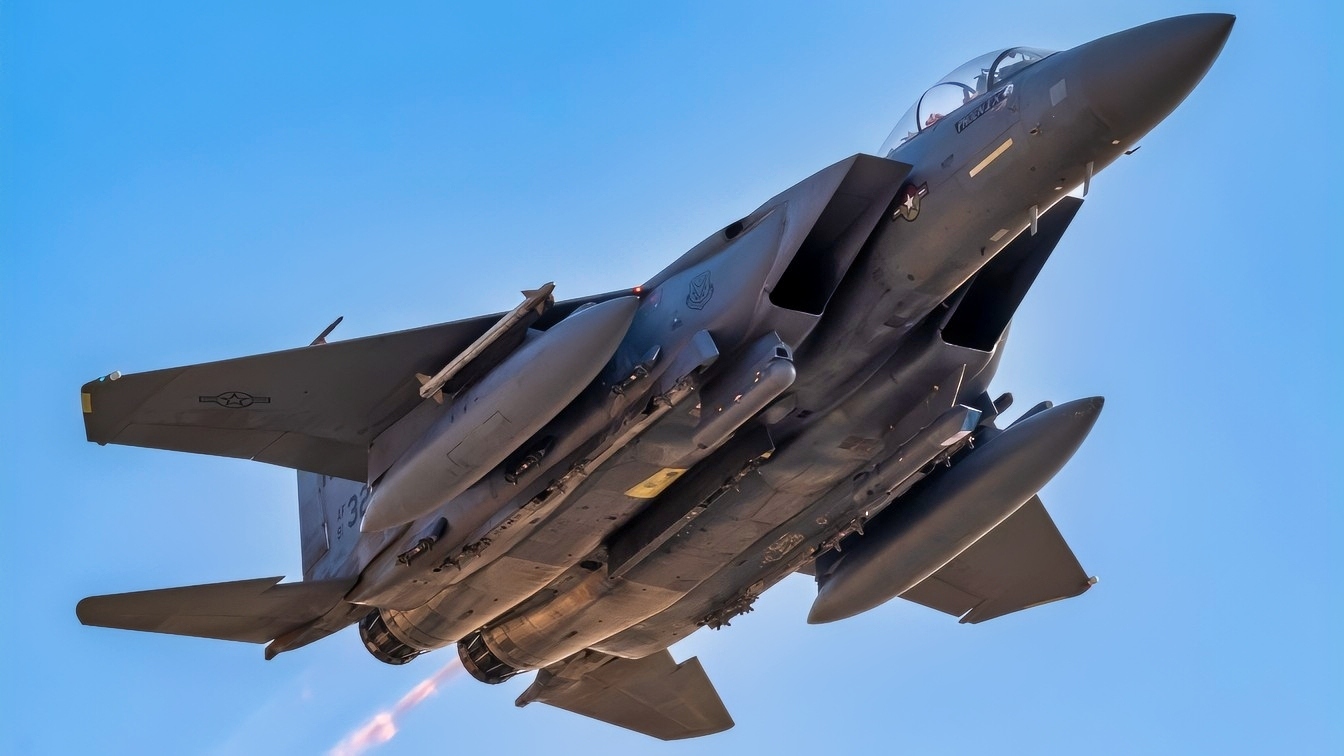
A U.S. Air Force F-15E Strike Eagle aircraft soars through the air during exercise Marauder Shield 26.1 within the U.S. Central Command area of responsibility, Nov. 11, 2025. Marauder Shield 26.1 emphasized a coordinated response to the growing threat of unmanned aerial systems. The exercise featured advanced counter-Unmanned Aircraft Systems integration between the U.S. and Kuwaiti forces, bolstering regional security and demonstrating a commitment to collaborative defense.
(U.S. Air Force photo by Staff Sgt. Tylin Rust)
In the past few days, the rebels have consolidated territorial gains along Yemen’s Red Sea coast.
Tensions are rising amid global concerns about the impact of Saudi oil exports on the Kingdom’s eastern and western coasts.
Renewed Strikes
On Monday, 14th September, the Houthis said they fired dozens of missiles and drones towards a military airbase in Khamis Mushait.
The group targeted aircraft hangars, radar systems, runways and ammunition depots at the base in southern Saudi Arabia, citing retaliation for Saudi airstrikes against the group in Yemen.
Emergency alerts were issued in Khamis Mushait and three other cities, warning residents of a “potential danger” without further detail.
The alert, which was also issued in Abha in the Kingdom’s southwest, was lifted shortly afterward.
13 people were reportedly wounded in the attacks, which involved drones and ballistic missiles.
After four years of relative peace, the Houthis reignited hostilities with Saudi Arabia at the start of the month.
A renewed offensive has seen the group capture territory close to the Bab al-Mandeb Strait – widely seen as Saudi Arabia’s alternative seaborne export route amid the ongoing closure of the Strait of Hormuz.
In recent days, the Houthis have captured the port of Mokha, Perim Island and the Greater and Lesser Hanish islands, sparking further fears for the world’s oil supply.
Widespread Condemnation of Houthi Attack
Neighboring Gulf states condemned the attacks, with Qatar’s Foreign Ministry describing the Houthi strikes as “disgraceful acts of aggression and an unacceptable disregard for civilian lives, stressing that they constitute a blatant violation of the sovereignty of the Kingdom of Saudi Arabia and a clear breach of international law.”
“The Ministry emphasizes the State of Qatar’s categorical rejection of attacks targeting civilian objects and civilians, stressing the need for an immediate end to such irresponsible acts,” it said in a statement.
“The Ministry reaffirms the State of Qatar’s full solidarity with the sisterly Kingdom of Saudi Arabia and its support for all legitimate measures it takes to preserve its sovereignty, security, territorial integrity, and interests.”
Gulf Cooperation Council Secretary General Jasem Mohamed Alubdaiwi also condemned the strikes, specifically the repeated targeting of civilians and civilian infrastructure.
He added that the attacks amount to a violation of international law.
Oil Concerns Growing
Amid the ongoing closure of the Strait of Hormuz, concerns have been growing about further cuts to the supply of global oil following the renewed Houthi offensive.
On Thursday, 10th September, Iranian-backed militias in Iraq struck a vital East-West oil pipeline in Saudi Arabia.
The 745-mile pipeline had been seen as an alternative export route to the Strait of Hormuz, but, following last week’s drone strike, it’s now expected to be closed for up to five weeks.
Oil prices are continuing to rise, with Brent crude reaching $108 per barrel on Tuesday morning. Furthermore, talks to reopen the Strait of Hormuz have been postponed after Saudi Arabia requested a pause amid ongoing tensions in Yemen, crushing hopes of a reopening in the near future.
The Saudi Situation
The ongoing re-escalation marks a critical point for Saudi Arabia.
The Kingdom has enjoyed a relatively peaceful half-decade following a ceasefire with the Houthis in 2022, but tensions have reignited since the beginning of the Iran war in February this year.
A fresh conflict with the Houthis drags Saudi Arabia into another war, potentially risking full-scale fighting in Yemen.
Taking decisive action sooner rather than later may ease concerns over oil supply, particularly if Riyadh can limit the impact of Houthi control on its Red Sea export route.
The country has already promised a “firm” response to the recent strikes, pledging to take “all necessary operational measures to deter this… hostile and extremist approach.”
However, the Kingdom is yet to receive military support from Western allies.
Last Thursday, Crown Prince Mohammed bin Salman spoke with U.S. President Donald Trump twice over the phone requesting military action against the Houthis, but Trump reportedly refused on both occasions.
Trump administration officials have since confirmed that direct contact with the Houthis remains ongoing.
About the Author: Shay Bottomley
Shay Bottomley is a British journalist. He has written for the Western Standard, Business Insider, Maidenhead Advertiser, Slough Express, Windsor Express, Berkshire Live and Southend Echo.