

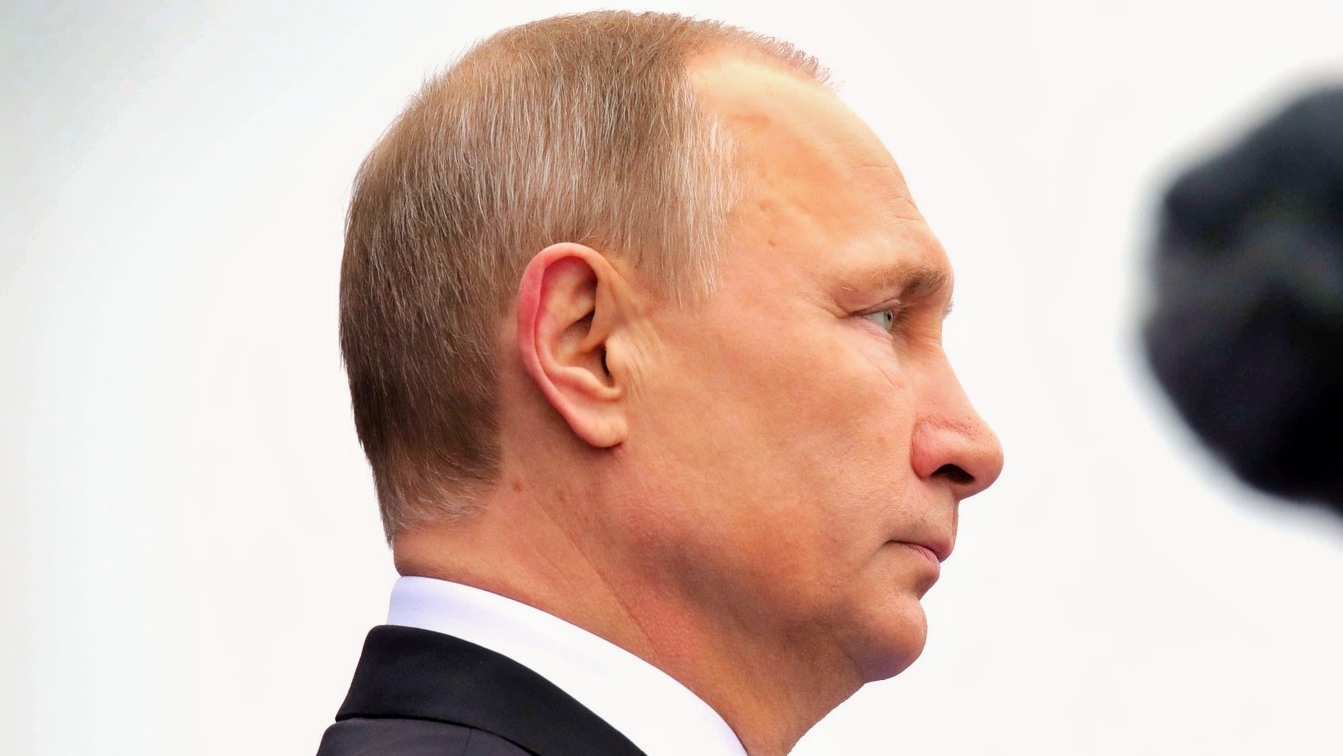
Poland has accused Russia of violating its airspace with three objects overnight on November 19–20, including at least one identified cruise missile.
Polish Defense Minister Wladyslaw Kosiniak-Kamysz identified one weapon as a Russian Kh-101, a long-range air-launched cruise missile.
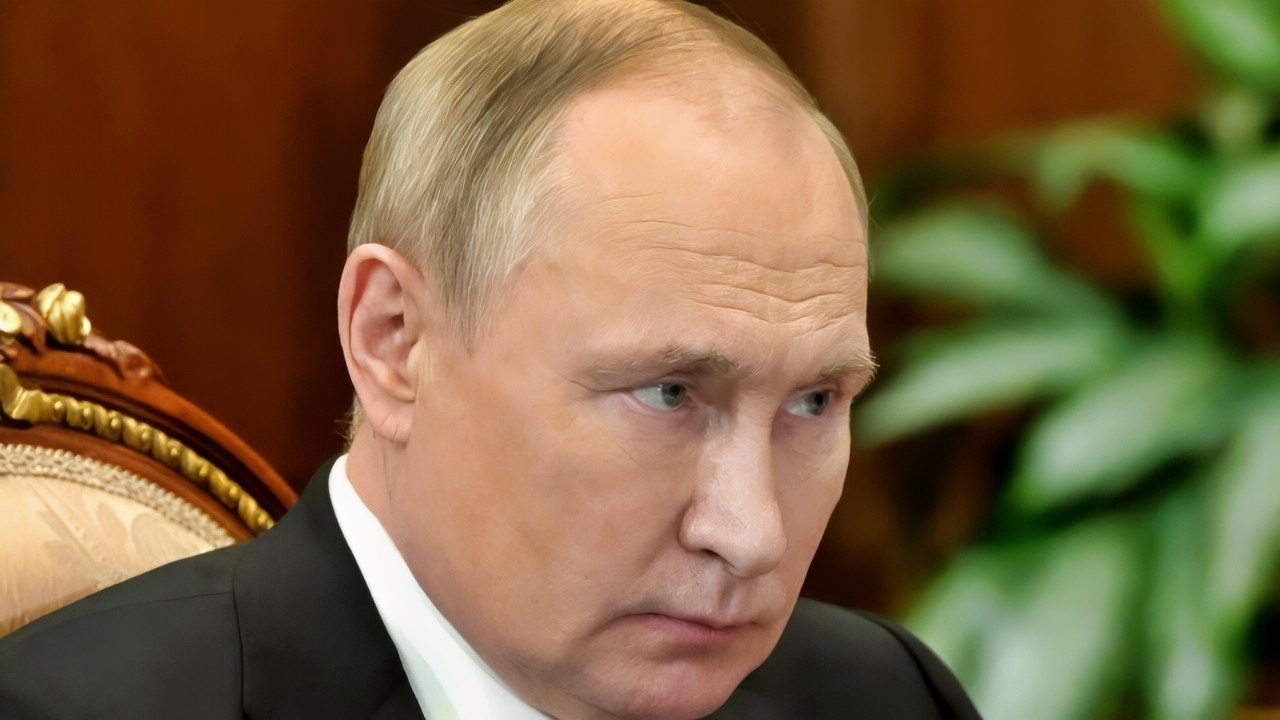
Putin in Meeting In January 2023 Creative Commons Photo
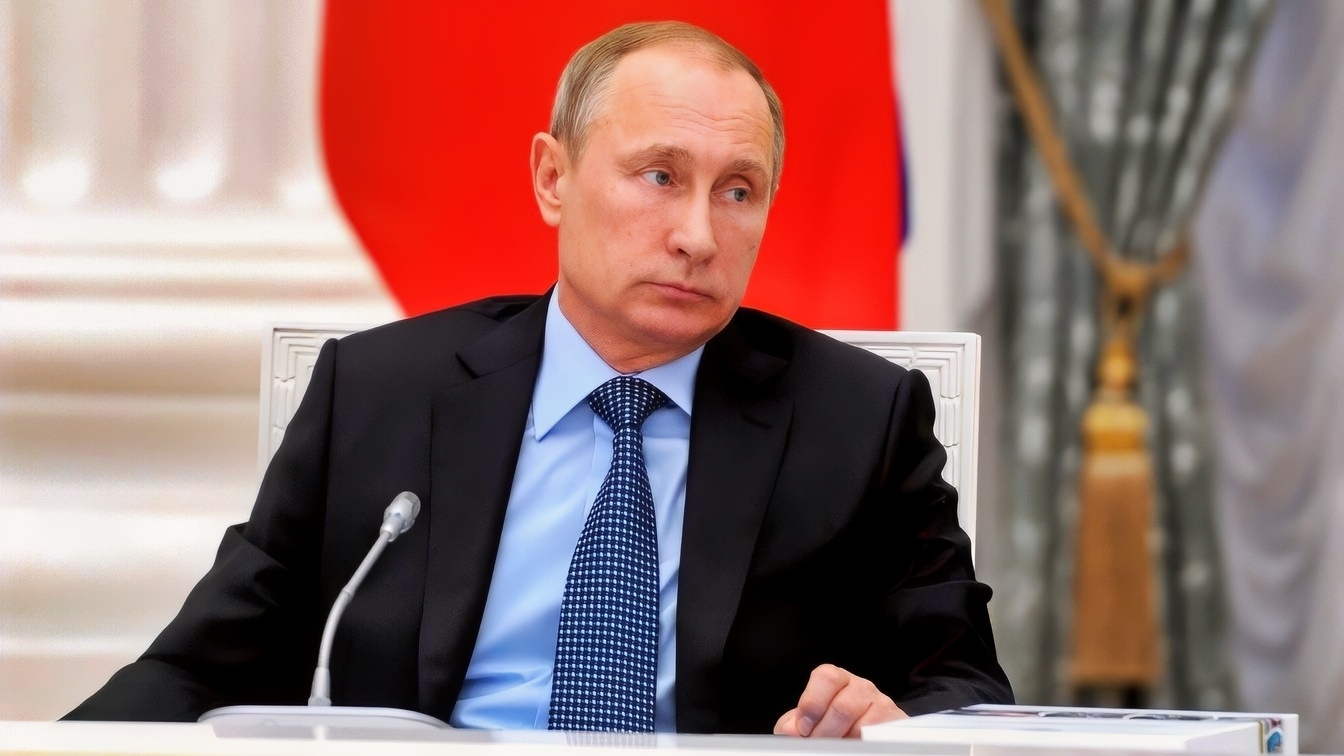
Putin Back in 2025 Creative Commons Photo
Another object was believed to be a missile, while the third was likely a jet-powered drone.
Objects reportedly fell at several locations in southeastern Poland, prompting emergency responses and investigations.
Prime Minister Donald Tusk characterized the incident as an apparent, deliberate Russian provocation. The incident raises far-reaching concerns, including questions about the safety of Polish citizens.
On Alert
Polish authorities investigated three locations: Nowy Lipowiec, near the Ukrainian border; Molodycz, approximately 31 miles south; and Rudnik nad Sanem, approximately 31 miles west.
A local official reported that an object measuring approximately 23 feet long fell around 05:40 GMT. Residents described hearing a whistling sound followed by an explosion.
Video circulating online appeared to show an explosion near Nowy Lipowiec.
Debris was also discovered across agricultural land in Molodycz.
Authorities also investigated a loud explosion near railway infrastructure in Rudnik nad Sanem, though no visible railway damage was reported.
Air traffic controllers were evacuated from Rzeszow airport as a precaution. Reuters did not report any fatalities.
The Kh-101
The Kh-101 is one of Russia’s principal air-launched cruise missiles and has been used extensively against Ukraine since the 2022 invasion.
The missile is designed to strike targets from long distances while flying at relatively low altitude.
Its terrain-following flight profile can complicate radar detection and interception.
The Kh-101’s key specifications include a length of 24–25 feet, an estimated range of roughly 1,550–3,100 miles, a subsonic speed of 430–560 miles per hour, and a conventional high-explosive payload believed to be about 880 pounds.
The Kh-101 is launched from aircraft like the Tu-95MS and Tu-160 strategic bombers.

Tu-95 Bomber Russian Air Force. Image Credit: Creative Commons.
If the Kh-101 were ever to strike a populated building in Poland, the damage could be extensive, as could the casualties.
Deliberate Provocation?
Poland has called the incident a deliberate provocation, suggesting the incursions were unlikely to have been a coincidence.
The incident occurred as Poland hosted military exercises involving the Coalition of the Willing—a grouping of countries that supports Ukraine.
Defense officials from France, Britain, and the Baltic states were reportedly present alongside senior military officers from allied countries. Kosiniak-Kamysz argued that the timing suggested intentional Russian signaling.
Tusk likewise said the evidence pointed toward a deliberate provocation. Russia had not immediately responded to Reuters’ request for comment.
However, the presence of Russian weapons in Polish territory does not independently establish that Moscow intentionally targeted Poland. Investigators must first determine the weapons’ trajectories and specifics before making any conclusions.
What About Article 5?
Poland is a member of NATO, which means an armed attack against the country could implicate the alliance’s collective defense commitments.
Article 5 of the North Atlantic Treaty establishes that an armed attack against one member is considered an attack against all.
But Article 5 does not automatically trigger war with Russia.
Rather, NATO members would assess the circumstances and determine what assistance they consider necessary.
The treaty permits measures including armed force but does not require every ally to launch a military strike as a rote response.
Intent would need to be established first, to assess what happened exactly: an accidental missile incursion or a deliberate Russian attack.
If a Kh-101 struck an apartment building and killed Polish civilians, pressure for a stronger NATO response would increase dramatically.
Naturally, one can assume that NATO wants to avoid open conflict with Russia, just as Russia wants to avoid open conflict with NATO.
Russia’s continued missile and drone operations against Ukraine have created a persistent risk for neighboring NATO countries.
Poland is particularly exposed because of its geography and its role as a major logistical hub for Western military assistance to Ukraine.
Warsaw has invested in modern air defenses, including American Patriot systems, but protecting an entire national airspace against low-flying missiles and drones is a difficult proposition.
While the latest incident appears not to have resulted in fatalities, Poland’s proximity to the Ukraine war creates a continuing danger and a continuing risk of escalation between Russia and the NATO coalition.
About the Author: Harrison Kass
Harrison Kass is a writer and attorney focused on national security, technology, and political culture. His work has appeared in Tablet, City Journal, The Hill, The Spectator, and The Cipher Brief. He holds a JD from the University of Oregon and a master’s in Global & Joint Program Studies from NYU. More at harrisonkass.com.


