
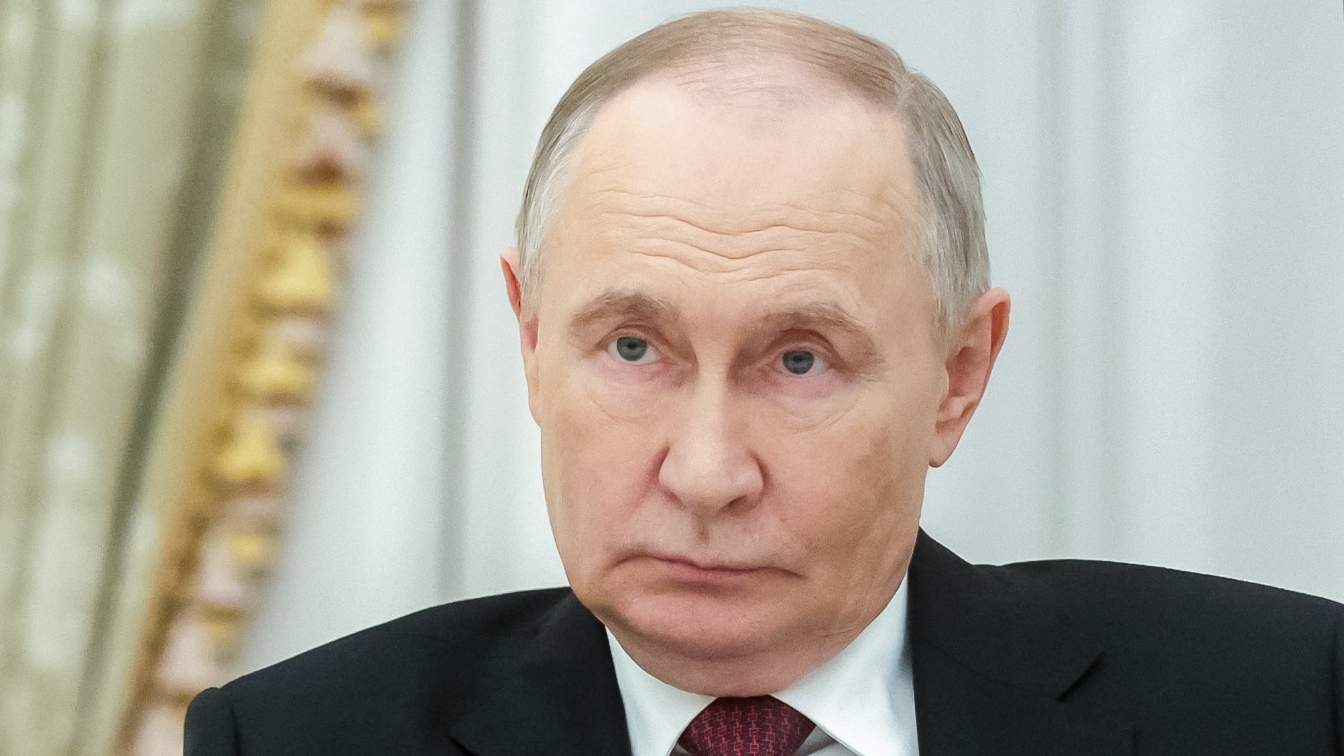
Russian President Vladimir Putin has become “increasingly cavalier, dangerous and risk-accepting,” according to a senior NATO official.
Air Chief Marshal Sir John Stringer, NATO’s deputy commander in Europe, made the comments on Tuesday, 22nd September, at a security conference in Estonia.
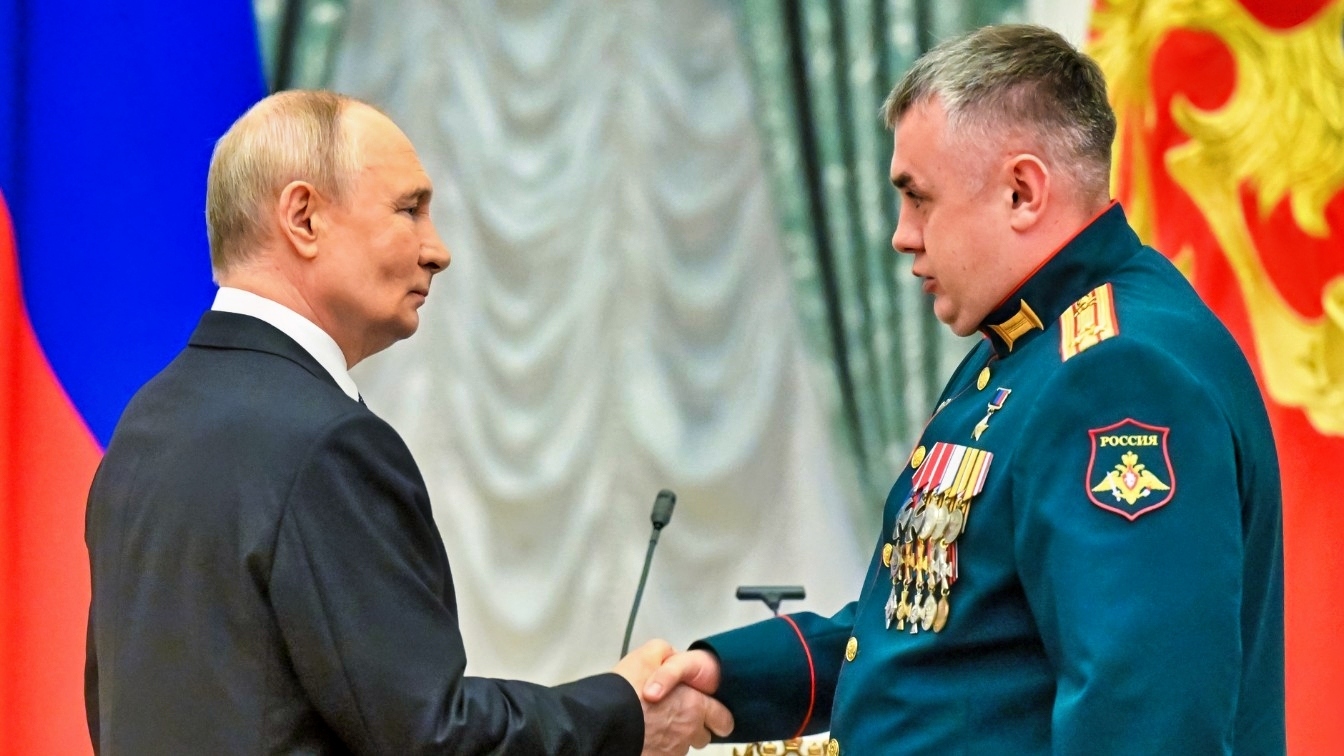
Putin and Russian Military Creative Commons Image
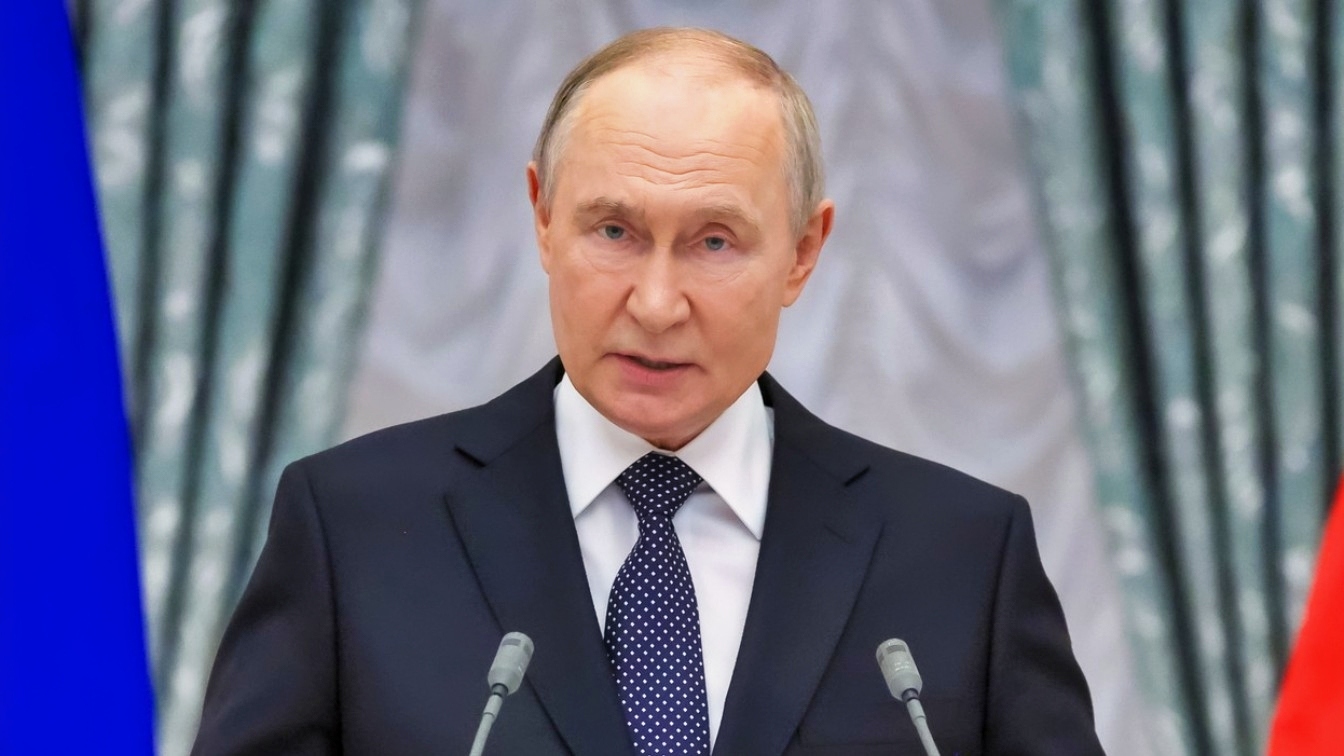
Putin in May of 2026. Image Credit_ Creative Commons
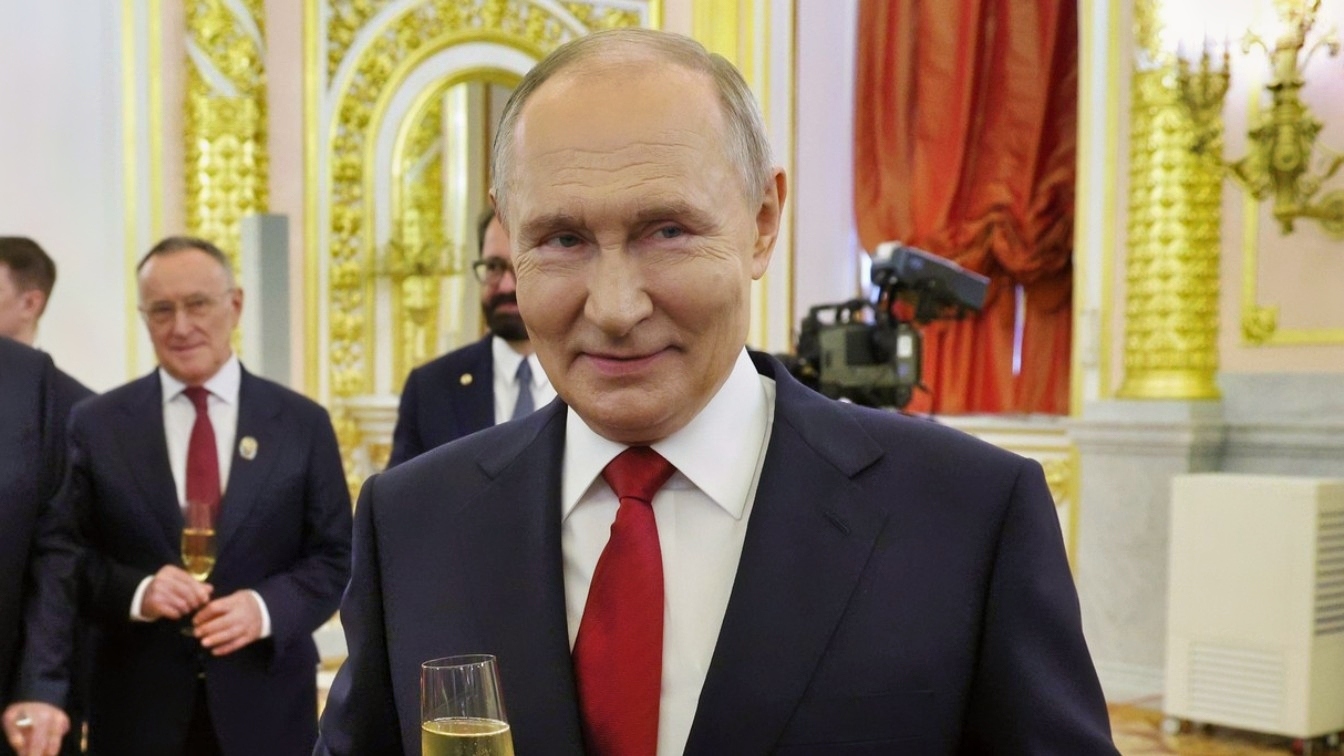
Putin On June 1 2026 Creative Commons Image
His warning comes amid growing tensions in eastern Europe against the backdrop of Russia’s four-and-a-half-year full-scale invasion of Ukraine.
Increasing Risks
On Tuesday, Stringer spoke to The Associated Press amid ongoing warnings from European leaders over Russia’s actions in its conflict with Ukraine.
NATO allies bordering the war-torn country have increasingly witnessed air defenses called into action as Russian drones intrude on neighboring airspace, while strikes have also taken place close to border checkpoints in recent weeks.
Noting that the Russian President is becoming increasingly accepting of risk and dangerous actions, Stringer warned that NATO members need to be aware of the “febrile environment” and take care in any response, as Putin, according to the NATO official, would like to provoke the alliance into an “overreaction.”
Leaders’ Conflicted
Last week, Polish Prime Minister Donald Tusk said intelligence assessments revealed that Russia was planning hybrid strikes using drones and missiles against Ukraine-supporting NATO members.
A few days prior, Polish fighter jets were repeatedly scrambled following attacks on border regions of Ukraine, forcing airports to close.
“There is a real risk that drones or other types of projectiles could be launched into the territory of one or more Nato countries on the eastern flank, and could even cause damage, and the official narrative will be that this is an accident and that there is no reason for anyone to consider any response from Nato,” Tusk told the Polish parliament last week.
“The aim,” Tusk continued, “will be to weaken Nato’s integrity in general and, above all, to convince … member states that Article 5 is more theoretical than practical – that is, the assumption that no one will want to die for Latvia or Lithuania, given that we are dealing with incidents rather than a declaration of war.”
Others, however, were less skeptical of Russia, including Latvian President Edgars Rinkevics. “Ukraine is fighting.
Russia is absorbed in Ukraine.
We do not observe any buildup near our borders.
And from that part, I think that most would agree that the perspective of direct military attack is not correct,” he told reporters at the United Nations General Assembly on Tuesday.
Drones and Disruption
Increasingly in recent months, Russian drones have entered foreign airspace. Incursions into Moldovan airspace stand at 39 so far this year, more than double last year’s tally of 17.
In addition, hybrid attacks across Europe are increasing, with French President Emmanuel Macron warning of more frequent hybrid activity.
Because they rely on non-military methods, hybrid attacks are often carried out by proxies acting on behalf of Russia.
“In recent weeks, the Russian hybrid threat against Europeans and against France has intensified,” Macron said last week. “The intent is to intimidate us and break our effort to support Ukraine. The result will be the exact opposite. We are not intimidated because we know that our security today and tomorrow is at stake in Ukraine.”
A Difficult Dilemma
Western allies are divided on the true threat Russia poses, and Moscow’s methods make it difficult to prove an ongoing Russian hybrid campaign.
The drone attacks at Germany’s Leipzig Airport, while blamed on Russia, were suspected to be the responsibility of two men from Belarus and Lithuania.
Last month also saw a fire at an Estonian defense company and an explosion at a weapons storage facility in Bulgaria, although neither incident was publicly attributed to Russia.
This leaves NATO leaders with a difficult decision. Russia’s intelligence services recruit many of the proxies used to commit such attacks online.
They are seldom Russian nationals, and instructions often come through unofficial groups such as Wagner, rather than the Russian armed forces.
On more than one occasion this year, Kremlin officials, including President Putin, have cited a lack of proof in accusations of hybrid warfare through proxies.
Even drone incursions, according to Stringer, are difficult to attribute blame, with drones sent into NATO airspace often the result of electronic jamming rather than a deliberate provocation.
What’s deliberate and what’s an accident, and what’s Russian and what isn’t, remains an ever-ongoing dilemma as NATO leaders constantly consider an appropriate response.
About the Author: Shay Bottomley
Shay Bottomley is a British journalist. He has written for the Western Standard, Business Insider, Maidenhead Advertiser, Slough Express, Windsor Express, Berkshire Live and Southend Echo.