
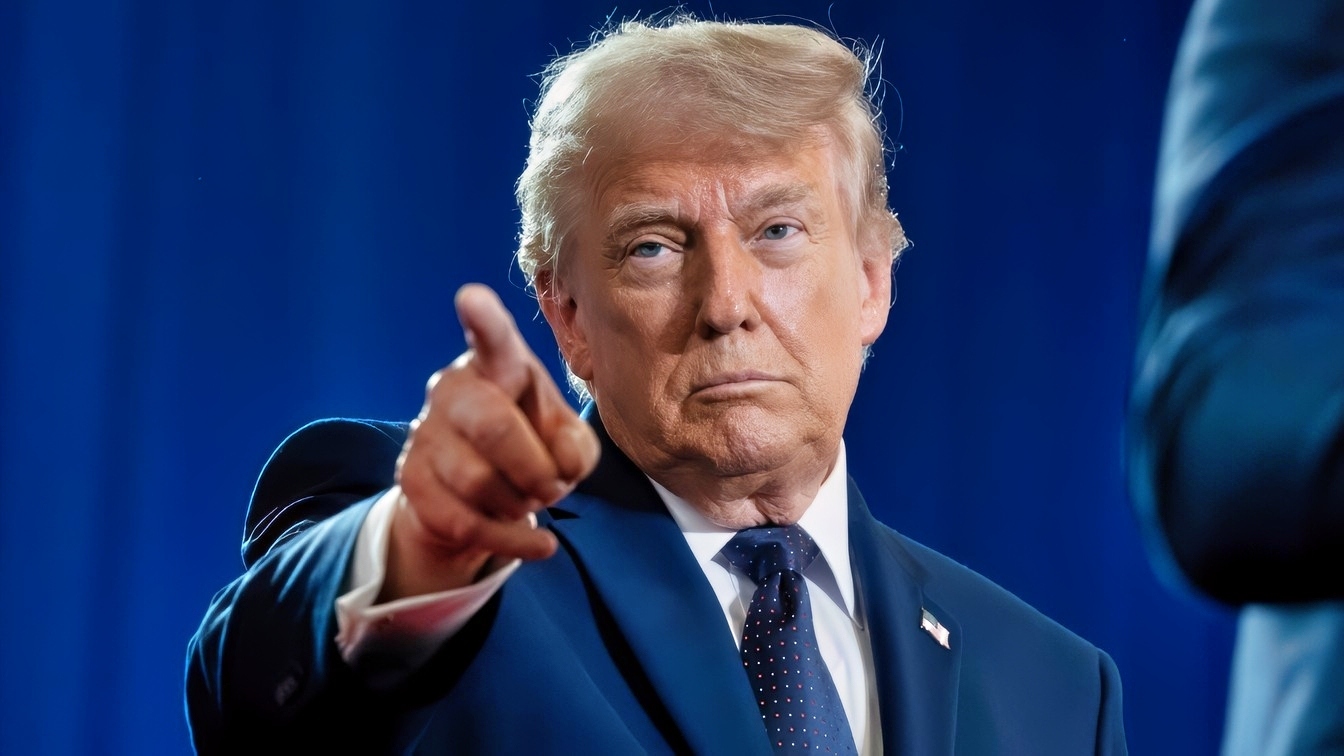
Iran claimed on Wednesday, September 30, that it had received an official response from Washington to its proposal to reopen the Strait of Hormuz and resume peace negotiations.
Tehran did not disclose the contents of Washington’s response, however, which came days after President Donald Trump publicly rejected it.
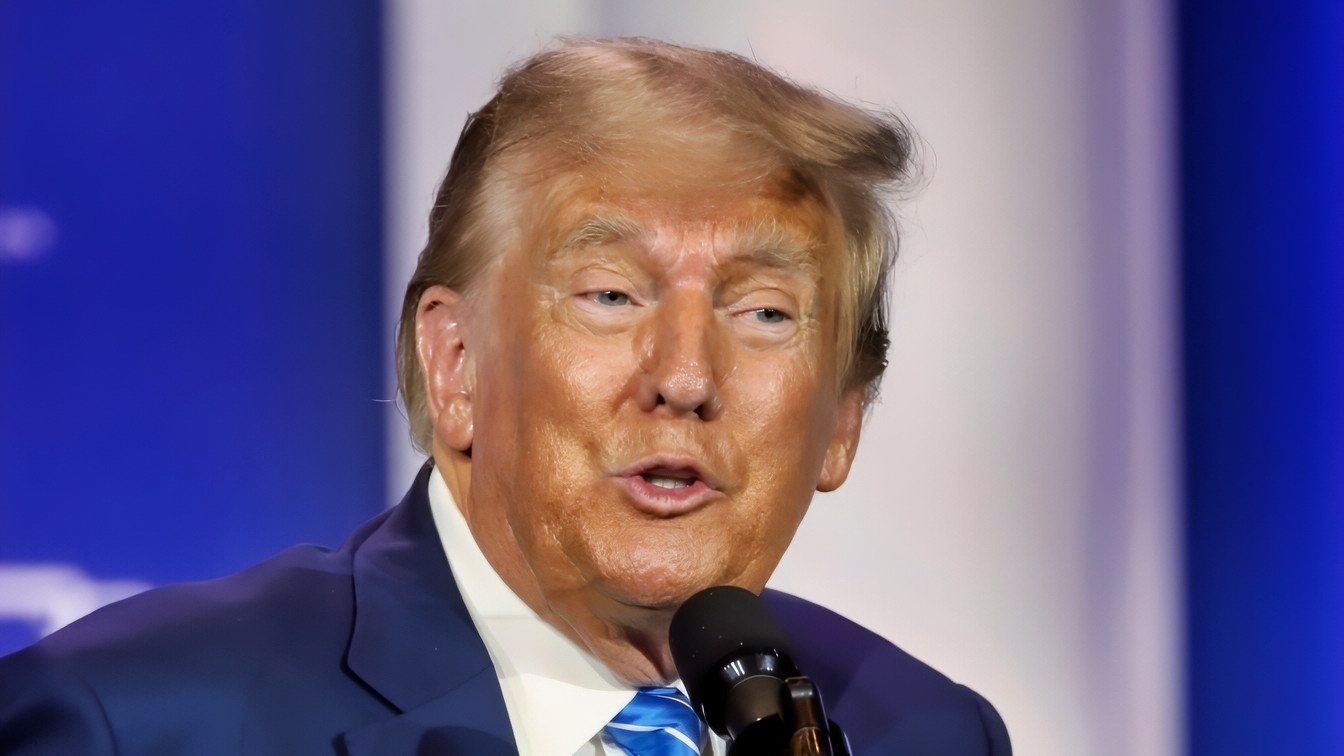
Former President of the United States Donald Trump speaking with attendees at the Republican Jewish Coalition’s 2023 Annual Leadership Summit at the Venetian Convention & Expo Center in Las Vegas, Nevada. By Gage Skidmore.
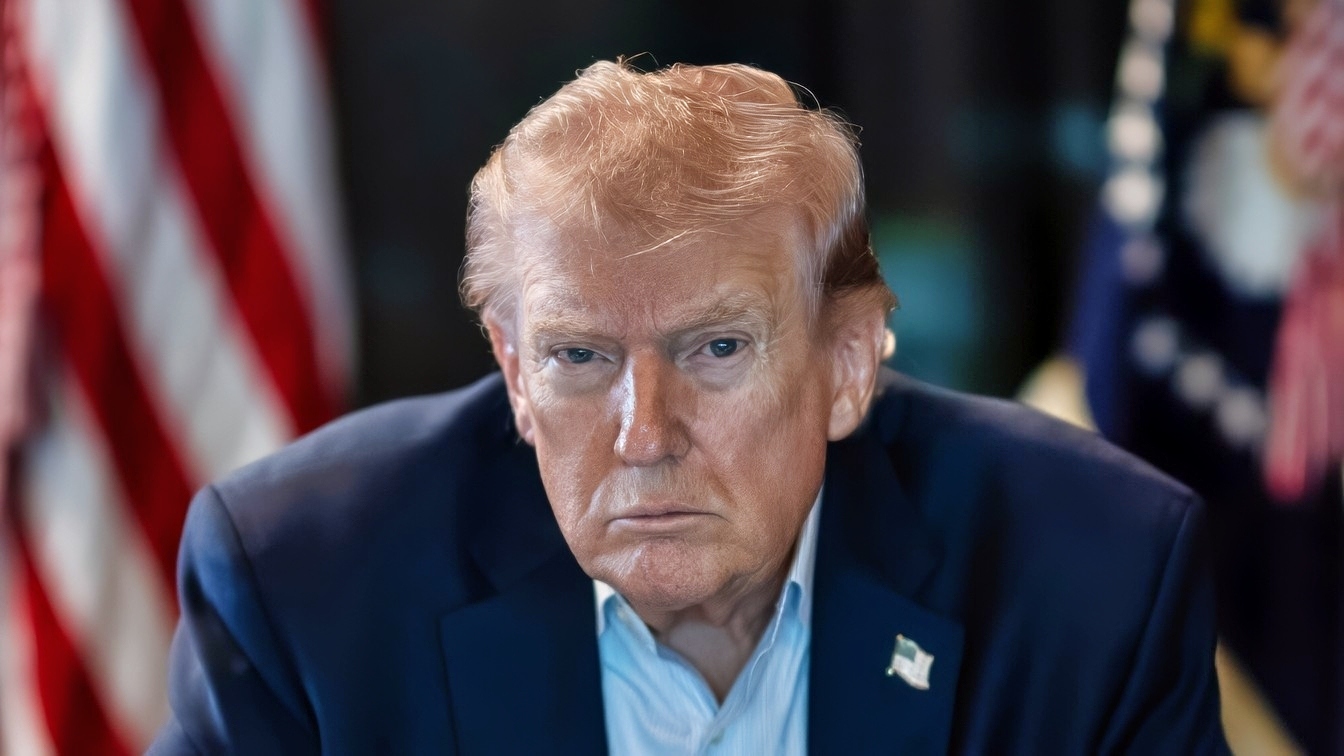
President Donald J. Trump oversees Operation Epic Fury at Mar-a-Lago, Palm Beach, FL, March 1, 2026. (White House photo by Daniel Torok)
Iran’s proposal suggests that the regime in Tehran may be willing to finally come to the table and make a deal with Washington, but with the November 3 midterm elections rapidly approaching, officials in Iran may still be calculating whether it is worth making concessions now or simply waiting until after the American people go to the polls.
After publishing a public letter to American voters encouraging them to oppose the war, and after previous statements from hardline Iranian officials calling for the end of “Trumpism,” could it be the case that Iran is preparing for at least another month of economic fallout in the name of ensuring Republican losses in Congress?
Iran Receives Washington’s Response
Iranian government spokesperson Fatemeh Mohajerani said this week that Foreign Minister Abbas Araghchi had presented a response from the United States to President Masoud Pezeshkian during a Cabinet meeting.
Reuters reported that Qatari mediators delivered Washington’s feedback to Araghchi in Doha on Tuesday, September 29.
A non-Iranian official briefed on the discussions said the disagreement concerned the order in which the two sides would fulfill their commitments.
The news suggests there is something to negotiate, despite Trump’s public rejection of the deal in its previous form.
The official also said that a document circulating among negotiators contained concrete steps related to Iran’s nuclear program, indicating that Iran may be warming to the idea of making concessions on its nuclear program — but no details of those measures have been made public.
It is still also entirely possible that Iran refuses to change course on its nuclear program and hopes that the United States will make that concession instead.
What the Seven-Day Proposal Contains
Araghchi outlined the details of the proposal during his visit to New York City on September 25.
He said that it calls for Washington to lift its naval blockade of Iranian ports and waive sanctions on Iranian oil sales.
The conditions also include the release of frozen Iranian assets and a new regional ceasefire that includes Lebanon.
The deal suggests that those measures could be enacted within four to five days, with Iran opening the Strait of Hormuz on the sixth day, and final agreement negotiations beginning on the seventh day.
The countdown would start once Washington accepts the proposal and would effectively amount to reimplementing the failed June memorandum of understanding.
But Trump is seeking to end Iran’s nuclear program and has repeatedly insisted that a deal will not be made until Iran makes that commitment – and there is no indication that this new proposal contains new concessions from Iran.
The Wall Street Journal also reported that mediators were pressing Tehran to offer nuclear concessions.
Trump Predicts A Post-Midterms Deal
Addressing the United Nations General Assembly in New York, President Donald Trump made it clear that he does not believe a deal will be made until after the midterm elections.
“I have a big decision to make.
Will a deal be made with Iran that lets them rebuild and create a far greater country than it ever was before?” Trump said. “Or do I annihilate the Islamic Republic and do it quickly, never giving them a chance to kill and destroy people and countries again?”
“Do I drive them into Hell with no chance of survival and no hope of future greatness or generations?
But I believe we’ll make a deal right after the election,” he continued.
Trump is calculating that Iran wants to damage the Republicans’ election prospects — and he could be right.
After all, if the Republicans lose control of the House and Senate, Trump loses his ability to govern with the legislature.
That would be a blow to Trump, and for Iran, it would serve as a kind of punishment at the very least.
At best, it could see Democrats working to impeach the president while Iran continues to pile on the pressure in Hormuz.
Another Month May Be Worth the Cost
Election day is less than five weeks away now, and for Iranian leaders willing to absorb further economic damage, waiting could offer leverage — and it could ensure a Trump loss and make the extended conflict more worthwhile for Iran.
But Iran cannot wait forever.
The rial plummeted to a historic low this week – 2.5 million to the dollar.
Inflation is causing immeasurable harm throughout the country, lost oil revenues are crippling the regime’s ability to keep fighting the war, and as all economic indicators worsen, the chances of political upheaval increase.
But for hardliners, five more weeks of pain may simply be worth it.
About the Author: Jack Buckby
Jack Buckby is a British researcher and analyst specializing in defense and national security, based in New York. His work focuses on military capability, procurement, and strategic competition, and he produces and edits analysis for policy and defense audiences. He brings extensive editorial experience, with a career output spanning over 1,000 articles at National Security Journal, and has previously authored books and papers on extremism and deradicalization.


