
Is Trump’s Ukraine Peace Strategy Falling Apart? – President Donald Trump’s plan to ease global energy concerns and end the war with Ukraine, or at least establish a limited ceasefire on energy infrastructure, seems to be falling apart. The president angered European governments and prompted criticism from American lawmakers after he unexpectedly agreed to ease sanctions on Russian diesel exports and demanded that Kyiv stop attacking Russian oil refineries — and now, analysts are questioning whether Washington’s latest efforts to end the war will achieve anything.
The controversy continues as new reports reveal that American officials are privately acknowledging that Russian President Vladimir Putin is unwilling to negotiate an end to the war.
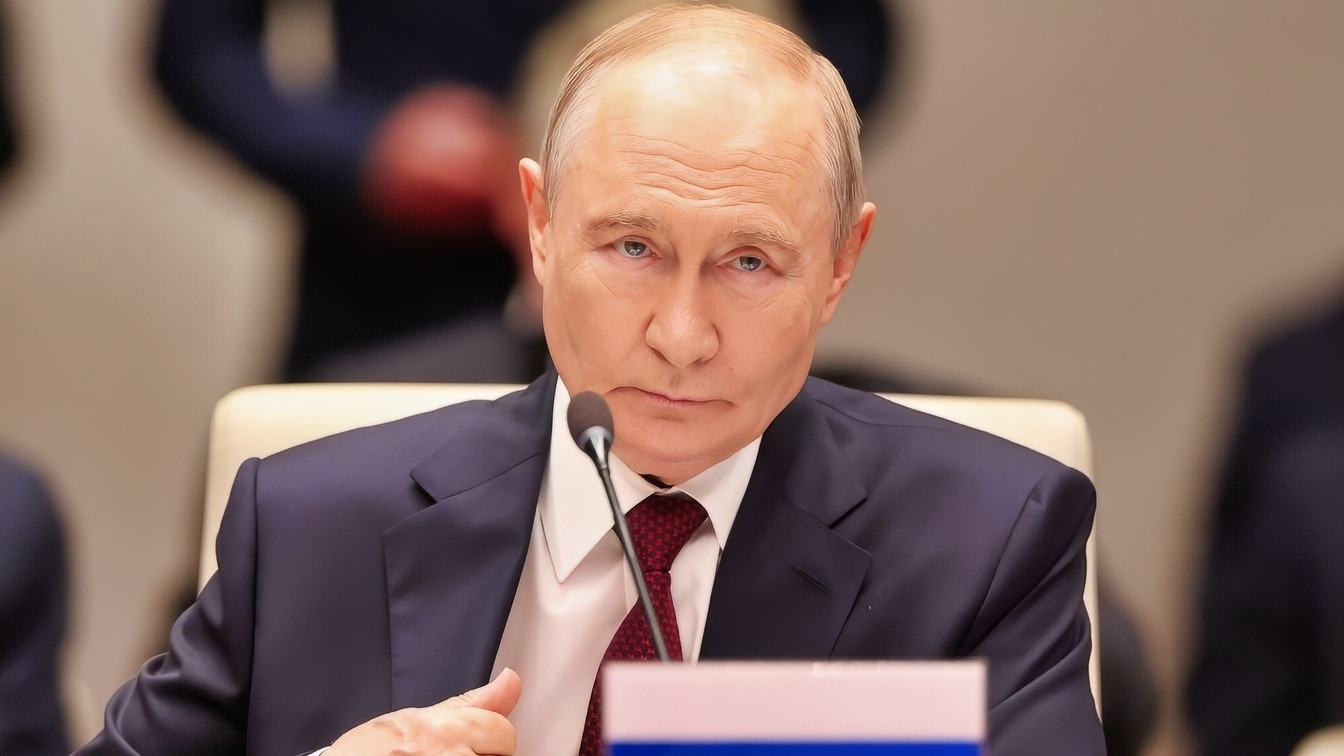
Putin at SCO Conference Creative Commons Image
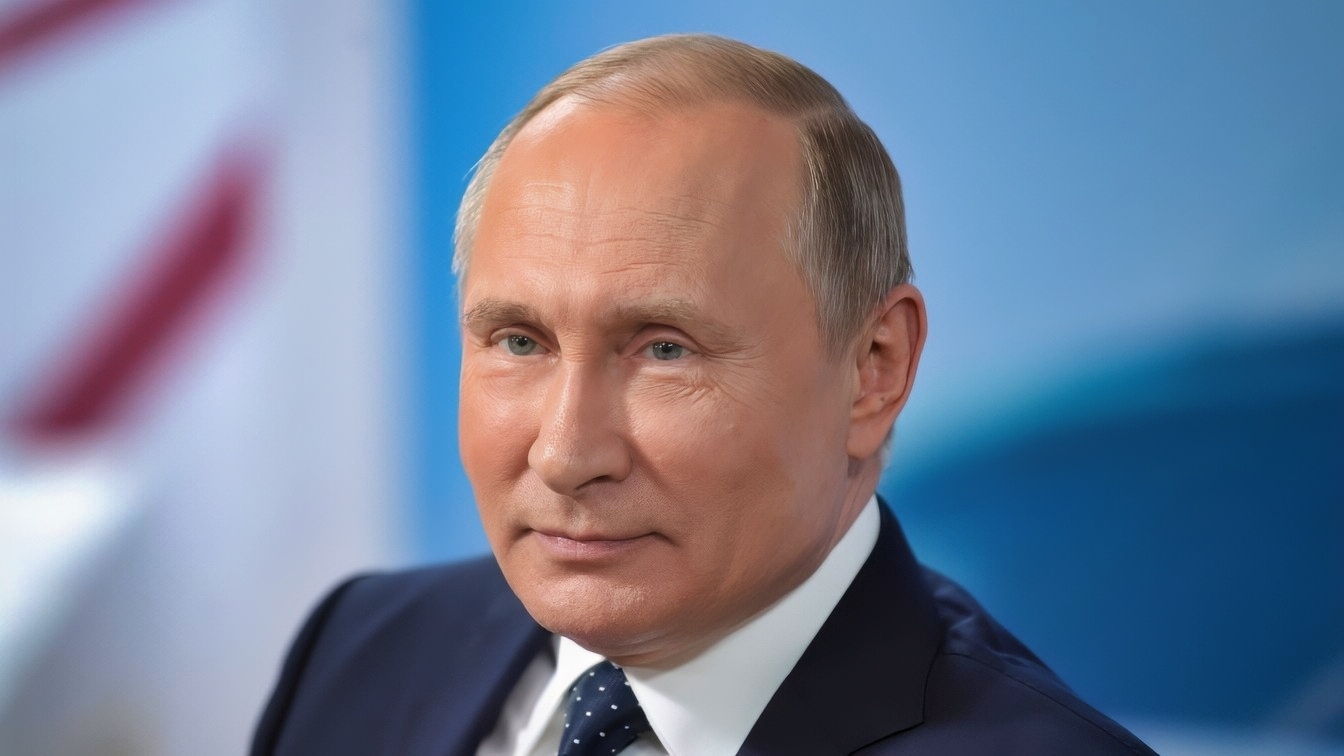
Vladimir Putin In March 2018 Creative Commons Image
On Tuesday, October 13, Russia potentially showed some willingness to engage with Washington and Ukraine on a limited ceasefire, refraining from striking Ukrainian energy facilities for the first time since President Donald Trump unilaterally announced that Russia and Ukraine would stop striking energy sites. While the Kremlin appeared to show some restraint, it has still not formally confirmed that it has accepted the agreement, and Kyiv remains skeptical.
Washington seems to be attempting to secure, or force, concessions from both sides. But there is still no sign that Russia or Ukraine will agree to a broader peace settlement, let alone the president’s proposed limited deal.
Trump’s Envoys Reveal the Strategy
A Reuters investigation published on Monday, October 12, described how American officials see private negotiations with Ukraine and Russia going.
The report says American officials met privately with Ukrainian and European representatives in Miami on Friday, October 9.
The discussions reportedly included President Trump’s special envoy, Steve Witkoff, and his son-in-law, Jared Kushner, who have been leading efforts to end the Russia-Ukraine war.
Three people familiar with the meeting told Reuters that U.S. planners and negotiators expect economic incentives could persuade Putin to resume negotiations and potentially make concessions.
The U.S. representatives also reportedly acknowledged that President Putin was not currently prepared to negotiate a settlement, but they argued that easing restrictions on Russian diesel sales, combined with Ukraine potentially suspending its attacks on Russian refineries, could change Moscow’s calculations over time.
One source also said Washington was trying to show it had made concessions before asking the Kremlin to reciprocate. But Ukraine remains skeptical.
What Ukraine Says
According to the report, Ukrainian officials left the meeting without committing to any new agreement, though they said Kyiv would consider suspending attacks on Russian energy infrastructure if Moscow did the same.
The discussions also reportedly addressed Ukraine’s reconstruction and potential post-war security guarantees, again showing that the Trump administration is seeking a diplomatic agreement and concessions rather than a full victory for Ukraine, which was the last administration’s policy and remains the policy of many supportive European governments.

President Donald Trump poses for a photo with Russian president Vladimir Putin in the Billy Mitchell Room at Joint Base Elmendorf Richardson in Anchorage, Alaska, Friday, August 15, 2025. (Official White House Photo by Daniel Torok)
Why Trump Is Easing Sanctions
President Trump announced on Friday, October 9, that he had made an agreement with the Russian president to release Russian diesel onto American and international markets. According to a statement the president posted on Truth Social, the arrangement would release 300,000 metric tons of diesel immediately, followed by another 500,000 tons in November and then 1 million tons thereafter.
Washington also announced a sanctions waiver that allows Russian diesel exports through April 2027.
The administration believes increasing fuel supplies will help reduce energy prices, particularly in the run-up to the November midterm elections, but energy analysts have widely criticized the deal, arguing it would make little difference.
The proposed volumes represent less than a single day of demand from the American transportation sector and do not actually increase the global supply of diesel.
Will It Change Anything?
Energy analyst Patrick De Haan said on October 13 that the deal has so far failed to produce results, noting that wholesale diesel prices had barely changed.
“Wholesale diesel prices not blinking over Russia/US ‘deal’, wholesale prices up 13-24c/gal, $6/gal diesel may be here to stay for now,” he said, adding that truckers and farmers are “not going to see any relief anytime soon.”
As analysts suggest the deal won’t make much of a difference in the U.S. market, Washington faces criticism that easing sanctions could give Moscow valuable additional revenue after Western governments have spent years trying to restrict Russia’s ability to finance its military operations.
But on Monday, the president defended the agreement, calling it “the right choice for the American people.”
For now, Trump faces criticism over a deal that risks delivering few tangible results for the American people, but it could still be worthwhile if it ultimately sees Russia scale back its demands of Ukraine and increases Moscow’s willingness to make a deal.
Time will tell.
About the Author: Jack Buckby
Jack Buckby is a British researcher and analyst specializing in defense and national security, based in New York. His work focuses on military capability, procurement, and strategic competition, and he produces and edits analysis for policy and defense audiences. He brings extensive editorial experience, with a career output spanning over 1,000 articles at National Security Journal, and has previously authored books and papers on extremism and deradicalization.


