

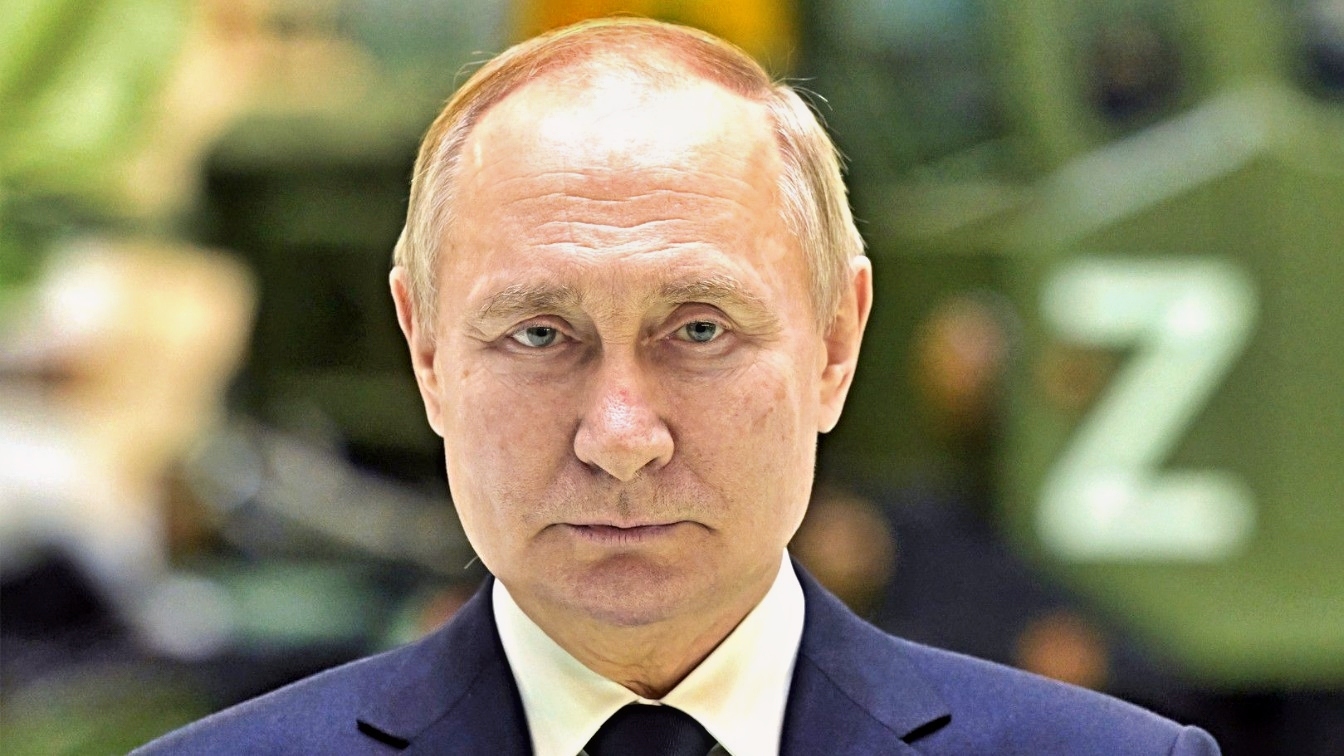
The Ukraine War Isn’t Any Time Soon as Putin Attacks: U.S. President Donald Trump says Russia and Ukraine have agreed not to attack each other’s energy sites, although Moscow has yet to endorse the deal officially. Russia did not target any Ukrainian energy facilities overnight into Tuesday, October 13, for the first time since Trump claimed to have brokered the truce. The Russian assault on other fronts continued, however, with four people killed in Kharkiv and additional attacks reported throughout the country.
Meanwhile, President Zelenskyy reported that Ukraine has stopped attacking Russia’s refineries for two days.
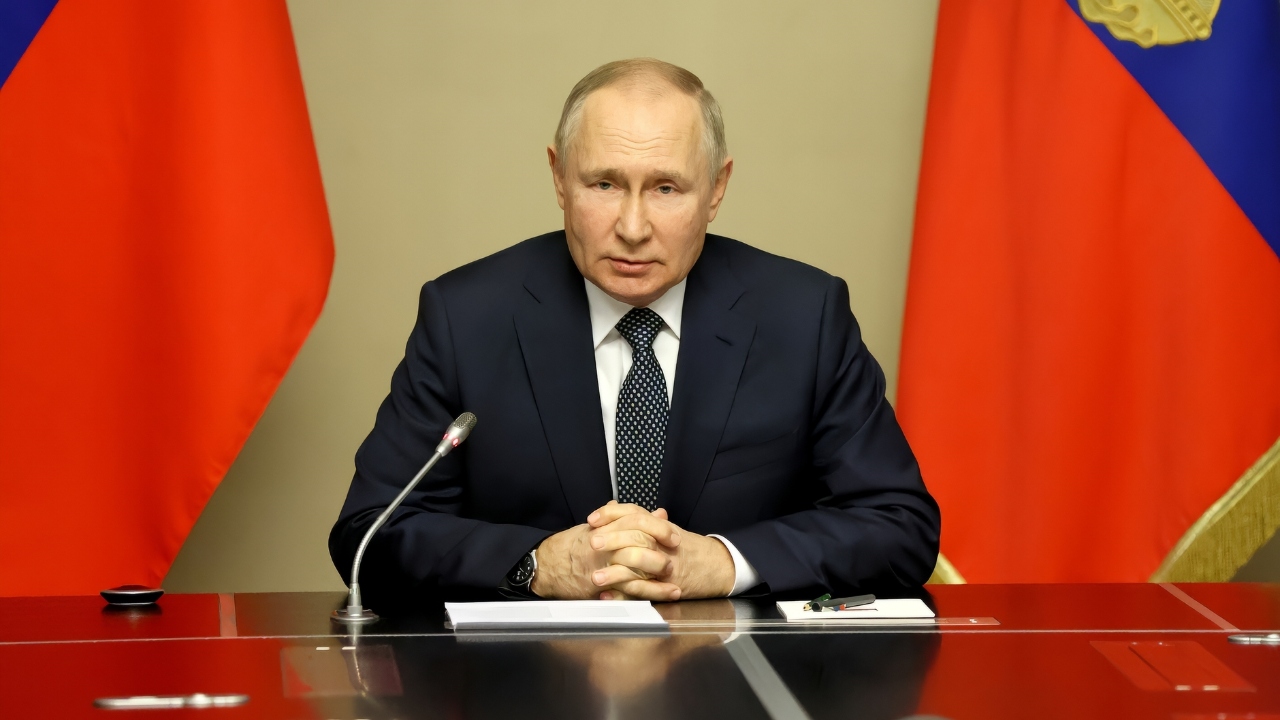
Putin November 2022. Image Credit: Creative Commons.

Putin on Direct Line Back in 2019. Image Credit: Creative Commons.
Trump Announces Ceasefire in Dispute, Despite No Approval From Moscow
On Sunday, Trump announced on Truth Social that a Russia-Ukraine energy ceasefire had taken effect immediately.
“Do not break it!” the president warned both sides.
He did not say how he reached the agreement or how he intended to keep either side from resuming attacks.
When quizzed by reporters on Monday, Trump noted: “They agreed [to the cease-fire]. You know why? Because I said, ‘You agree’ — that’s why. They agreed because I said they agreed, and that thing has to get settled.”
Zelenskyy had publicly said Ukraine was prepared to abide by the terms.
At the Warsaw Security Forum on Monday, Zelenskyy said Ukraine would respect a mutual energy ceasefire if Russia agreed.
He was far less complimentary of the Russian response.
“It was clear that Putin does not read Truth Social,” Zelenskyy said, referring to Russian attacks that began hours after Trump’s announcement.
Russia Hits Gas Facilities And Civilian Buildings
Naftogaz confirmed that a jet-propelled Russian drone had attacked one of its gas facilities in the Kharkiv region overnight Sunday into Monday, starting a fire.
“Critical equipment was damaged in the attack,” acting CEO Sergii Fedorenko said.
Employees had taken cover, and no one was injured at the facility.
The death toll climbed Tuesday, with Associated Press reporting that four people were killed when a civilian building was struck in Kharkiv, and Zelenskyy reporting 41 people injured in the city in a single evening.
Ukrenergo reported additional power outages in four regions on Tuesday, as well as power restrictions to prevent overloading of equipment damaged in earlier attacks.
Zelenskyy said that more than 100 Russian weapons had been fired at Ukraine since Monday evening.
Six Ukrainian power facilities were attacked on Monday, Zelenskyy said.
In addition, he said, Kyiv had not received advance notice from any of its partners that five ballistic missiles had been launched at infrastructure in the capital.
Moscow Offers No Confirmation Despite Pressure From Europe
Russian authorities have shown little interest in confirming the deal.
Kremlin spokesperson Dmitri Peskov said Tuesday that consultations were ongoing, but it was unclear whether an agreement would be reached.
He did not say exactly which Russian officials were in touch.
Russia’s defense ministry said its operations overnight did not target Ukrainian energy facilities.
Peskov has previously suggested that Moscow wanted “long-term peace,” not a temporary truce.
Foreign minister Sergei Lavrov was even more disparaging of Ukraine’s proposal for a 60-day ceasefire.
“I do not think he deserves a respite,” he told reporters.
European officials, including British Prime Minister Andy Burnham, have welcomed the news of a potential deal, but expressed doubts that one even exists.
Prime Minister Andy Burnham told the British Parliament on Monday, “President Zelenskyy has assured me Ukraine would immediately implement it when a start date is confirmed.”
Polish Prime Minister Donald Tusk spoke at the Warsaw Security Forum on Monday. He said Poland expects the EU to impose even tougher sanctions on Russia.
Trump’s Strange Russian Diesel Deal Sparks Outrage and Shock
Trump’s ceasefire announcement followed equally controversial comments on Friday, when he said he had struck a deal to free up Russian diesel supplies for international markets.
The agreement was meant to reduce prices ahead of the November U.S. midterm elections. Washington also relaxed sanctions to permit Russian diesel exports.
“I made the right choice for the American People,” he said on Truth Social, after claiming the EU had paid Moscow $250 billion for energy.
Zelenskyy wasn’t as kind as the EU leaders in his public comments about the deal.
“Gifts to Putin will not bring peace or any benefit to the civilized world. Russia will ‘repay’ the diesel with further terror and perfidy,” Zelenskyy warned, after the agreement was announced on Friday.
About the Author: Georgia Gilholy
Georgia Gilholy is a journalist based in the United Kingdom who has been published in Newsweek, The Times of Israel, and the Spectator. Gilholy writes about international politics, culture, and education.


