
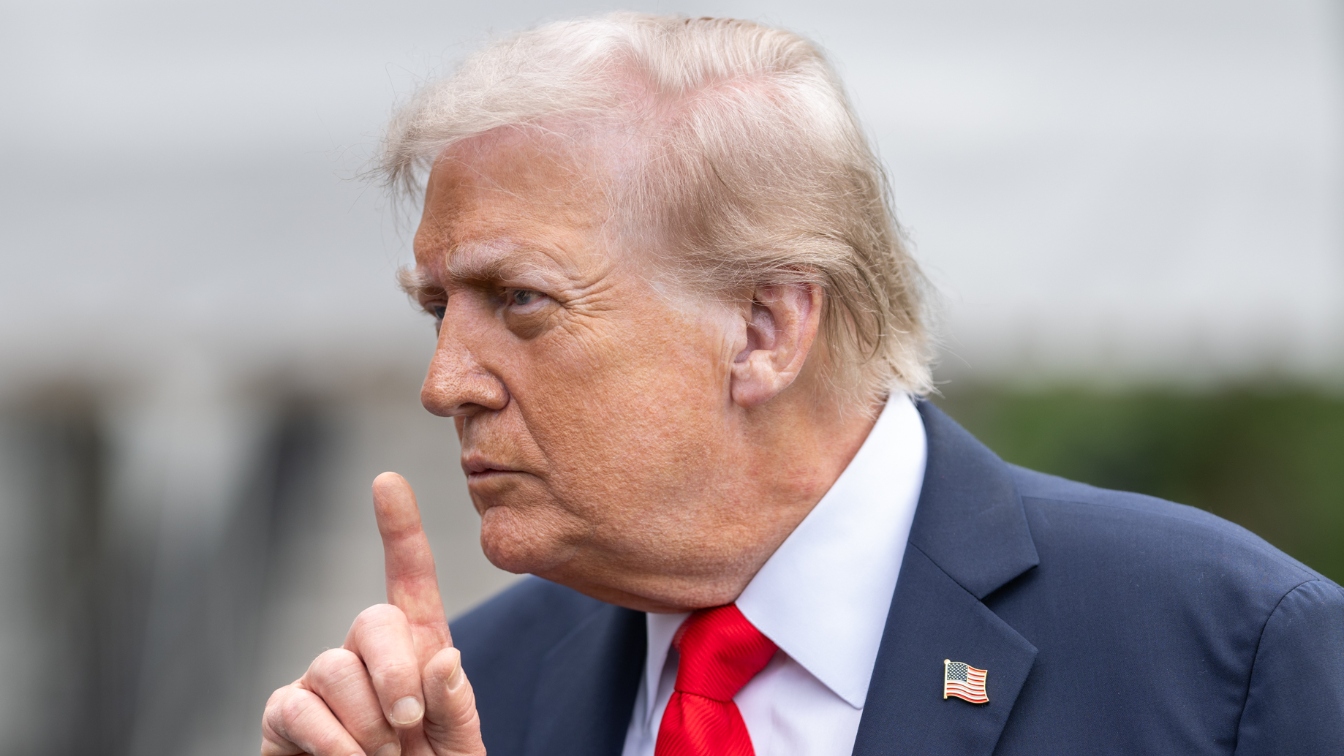
Donald Trump Says He “Might Have Gone Too Far” in Iran War – U.S. President Donald Trump admitted that he “might have gone too far” in the conflict with Iran.
Trump spoke at a rally in the Republican stronghold of Bullhead City, Arizona, as part of an aggressive nationwide campaign ahead of next month’s midterm elections.
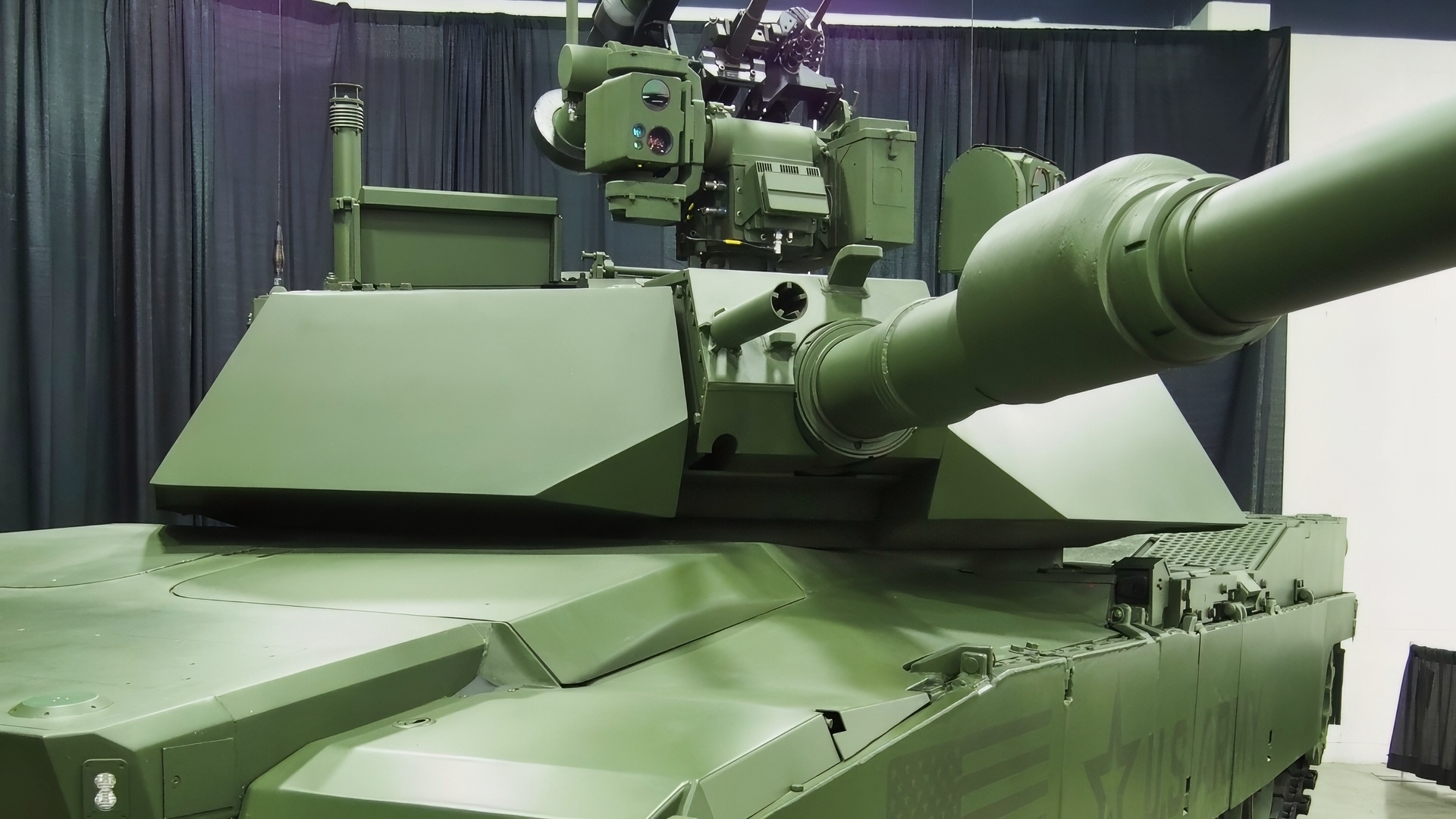
M1E3 Abrams. National Security Journal Photo.

Secretary of the Army, Hon. Dan Driscoll, fires a round from a M1A2 Abrams Tank while visiting Fort Stewart, GA., June 23, 2025. Secretary Driscoll met with Soldiers and leaders from the 3rd Infantry Division implementing transformation in contact initiatives, and had candid conversations with Soldiers about quality of life concerns to help find solutions to scale across the Army. (U.S. Army photo by Sgt. David Resnick)
The President has regularly referenced the Iran war at his campaign stops so far – an issue that many believe to be a cause of rising living costs across the country.
High Praise
Trump was praising the U.S. efforts in the early stages of Operation Epic Fury, where the U.S. and Israel wiped out much of the Iranian leadership, including the slain Supreme Leader Ali Khamenei. His son, Mojtaba Khamenei, succeeded as Iran’s third Supreme Leader, but has not been seen in public since the war began, instead issuing public statements through state media.
On Wednesday, Trump said the effectiveness of the strikes had wiped out key Iranian assets.
“With Iran, we’ve done so well there,” Trump told the audience at Laughlin/Bullhead International Airport. “They’ve got nothing right now. They have no military. Their navy is gone; their air force is gone; their radar is gone; their anti-aircraft [weaponry] is gone,” Trump added.
Leaders Wiped Out
The President then moved on to the Iranian leadership, claiming they were also “gone” because of U.S. military action. “That’s one of the problems,” Trump said. “I might have gone too far. I don’t know who the hell to deal with. Their first level leaders are gone, [so] they pick the second level. Their second level leaders are gone, [so] they pick the third level; half of them are gone.
Trump added that Iran had “made me promise not to take out any more” leaders, and that “nobody wants to be the president of the Islamic Republic of Iran.”
“I probably went a little too far, I’m sorry, because I don’t know who the hell we’re dealing with anymore, but that’s going to end very soon.”
Repeated Rhetoric
Trump previously made similar comments at a rally in Sparrows Point, Maryland, on Tuesday, 6th October.
“Thanks to the men and women of America’s armed forces, dozens of Iran’s terrorist leaders have been blown out of existence and straight through to the gates of hell,” Trump told the audience at Sparrows Point. “As you know, their leaders are gone. Their second group of leaders is gone. And the biggest problem I have is nobody knows who the hell is running the country. Nobody knows. But maybe that’s a good thing.”
While Iran has not responded to Trump’s latest jibe, Foreign Ministry spokesman Esmaeil Baghaei said U.S. officials were very clear about who to speak to in Iran after Vice President J.D. Vance said that it was “not totally clear how their country makes decisions” during negotiations.
“The problem is actually the opposite; it lies in the contradictory positions and mixed messaging from U.S. officials,” Baghaei said.
Proposal Latest
While Trump and Vance may not be clear on who is running Iran, U.S. officials have discussed a possible end to the war with President Masoud Pezeshkian and Foreign Minister Abbas Araqchi.
Last month, Iranian officials presented the Trump administration with a proposal to end the conflict. The deal largely resembles the memorandum of understanding that was signed between the two warring nations earlier this year, but ultimately fell through after the U.S. accused Iran of striking commercial shipping in the Strait of Hormuz.
Trump later told reporters he had rejected the deal, and U.S. Ambassador to the U.N. Mike Waltz told NBC News that the U.S. could not allow Iran “to have access to billions in frozen funds.”
The U.S. sent a response to Tehran – the details of which have not yet been made public. However, on Monday, 12th October, Supreme National Security Council Secretary Mohsen Rezaei said the U.S. response was “insufficient.”
“About two weeks ago, we communicated seven conditions to the Americans, stating explicitly that until these conditions are met, the Strait of Hormuz will not be opened to them, and no negotiations will take place,” Rezaei told state media. “The Americans have now responded. While they have accepted some of our conditions, others remain unresolved.”
He added: “We are no longer in the process of responding to the Americans. They have given their reply, and we consider it insufficient. They must clarify the issues that remain ambiguous.”
About the Author: Shay Bottomley
Shay Bottomley is a British journalist. He has written for the Western Standard, Business Insider, Maidenhead Advertiser, Slough Express, Windsor Express, Berkshire Live and Southend Echo.