
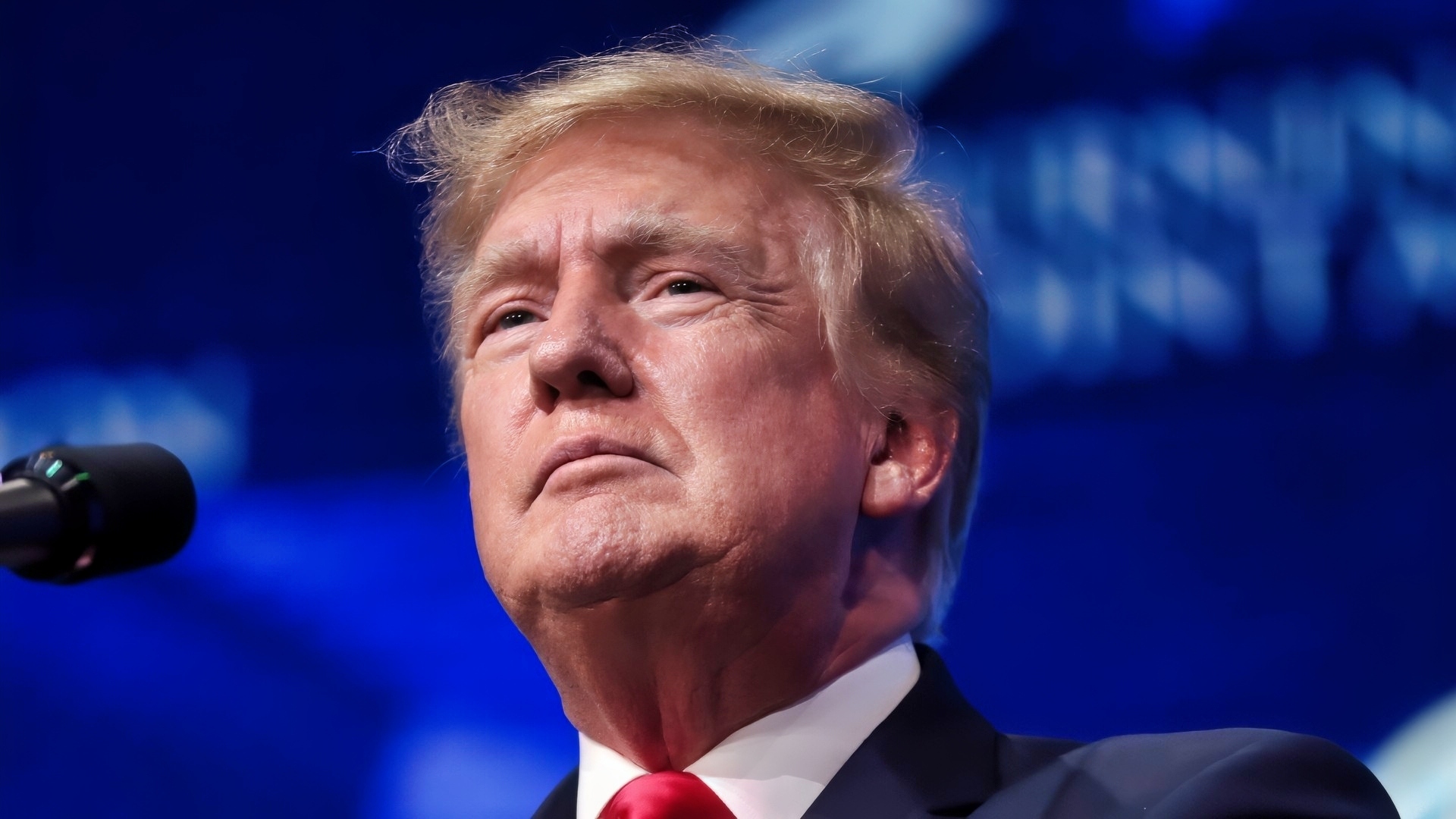
U.S. inflation rose sharply in September as gasoline prices surged. The Consumer Price Index (CPI), which the Bureau of Labor Statistics uses to measure inflation, rose 3.7% year over year, up from 3.4% in August. It comes amid growing pressure on President Donald Trump’s administration to address rising prices before next month’s midterm elections.
Gasoline Drives Costs
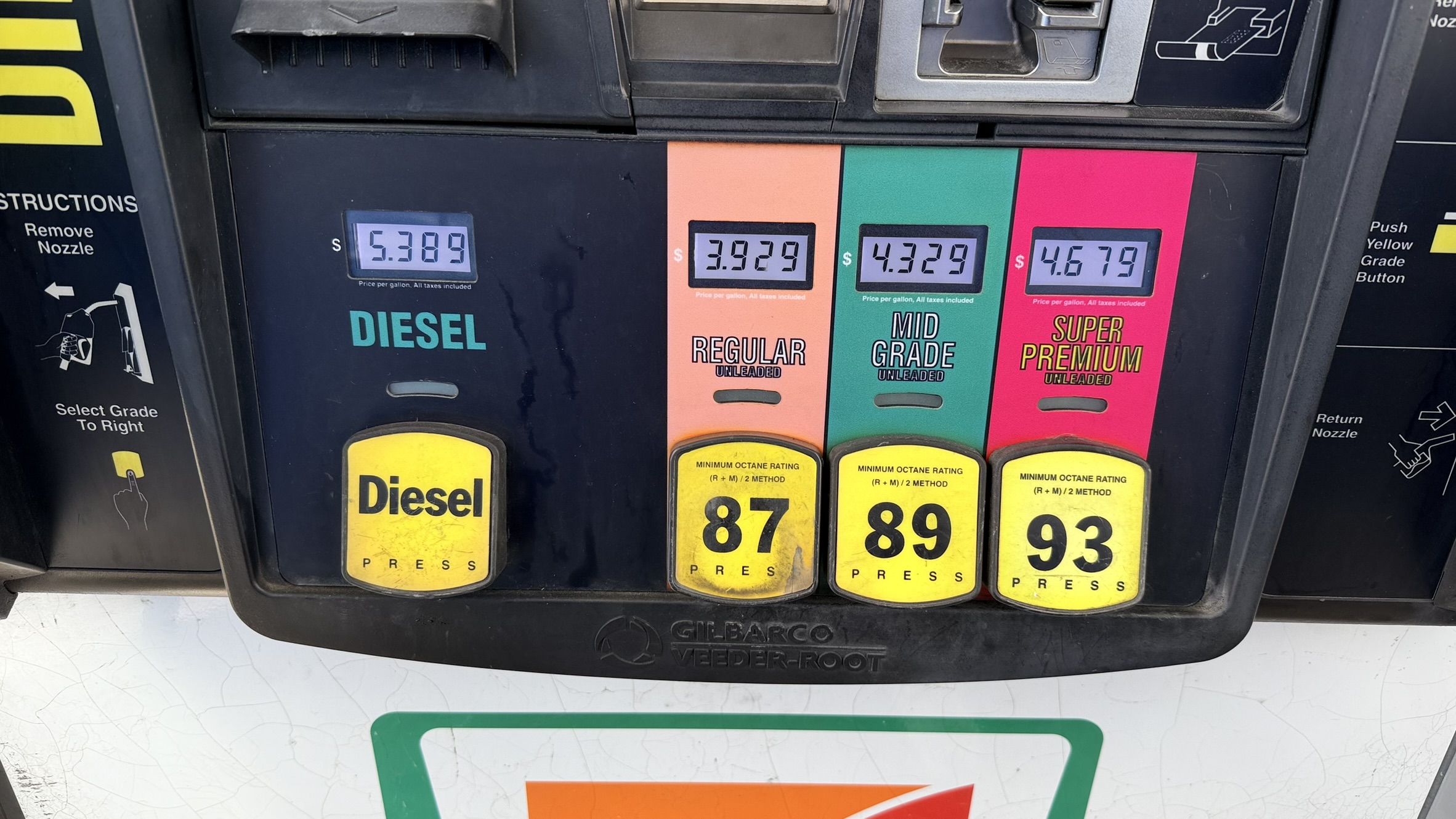
Gas Prices in Davenport, Florida. Image by National Security Journal.
Gasoline drove much of the inflation, with pump prices jumping 9.1% in a single month.
It was responsible for more than half of the overall monthly rise in consumer prices, according to the Bureau of Labor Statistics, with a 0.6% increase in the overall CPI purely as a result of rising gas prices.
The broader energy index rose by 5.2%.
Although oil exports returned to pre-war levels at the end of September, Iran has continued to attack vessels that it deems to be breaching its regulations over transit through the Strait of Hormuz.
Despite U.S. insistence that the strait is safe and open for passage, shipowners remain anxious over risking their vessels and crew amid ongoing Iranian strikes.
Rising insurance costs and freight rates are also a concern, and they have fed into higher gasoline prices even as oil flows return to normal.

Generic Oil Tanker Image. Image Credit: Creative Commons.
Bad News for Trump
The President is under pressure to address rising living costs ahead of next month’s midterm elections. Only 17% of Americans approve of Trump’s efforts on living costs, even though it’s the issue most voters will have at the top of their minds when they cast their ballot.
Rising gasoline prices are one of the few measures of inflation consumers can see for themselves, with a higher fuel bill showing the rising cost of gasoline every time a driver fills up.
While Trump can issue executive orders to allow dyed diesel on public highways, the federal gasoline tax, currently 18.4 cents per gallon, is a much harder problem for the President.
Any change to the federal tax would require Congress’s approval, which is currently in recess ahead of next month’s midterm elections, and it would need to approve any federal suspension before it came into law.
With efforts fully on the campaign trail across the country, a suspension is unlikely to take effect before Tuesday’s vote, 3rd November.
Questions also remain about how much drivers would save, since the gasoline supply chain can absorb tax savings elsewhere.
Moreover, any tax cut would substantially affect the Highway Trust Fund, which funds highways, bridges, and mass transit systems.
Other Explanations
Another less encouraging explanation from the Federal Reserve was that core inflation, which excludes volatile food and energy prices, rose 0.3% in September and 2.6% year over year.
This was above expectations and suggests that more than higher gasoline prices are driving inflation.
The Federal Reserve targets an inflation rate of 2% per year.
According to Reuters, prices rose in several other categories. Software prices were up 28% from this time last year, while toy prices also saw a record rise.
“This means that inflation is broadening out, something that is not a good omen for the Fed and would raise the probability of an increase in rates at the end of the October FOMC (Federal Open Market Committee) meeting,” wrote Raymond James chief economist Eugenio Aleman.
Impact on Interest Rates
The Federal Reserve raised its benchmark interest rate in September to 4% from 3.75%.
This marked the first change to the federal interest rate since December last year, and the first increase since it rose to 5.5% in July 2023.
Generally, a central bank raises interest rates to reduce consumer spending.
When rates are higher, borrowing costs more, reducing demand for major loans for goods such as a car or a house.
Higher rates also benefit savers, as those with cash in the bank can earn a higher return on their savings.
About the Author: Shay Bottomley
Shay Bottomley is a British journalist. He has written for the Western Standard, Business Insider, Maidenhead Advertiser, Slough Express, Windsor Express, Berkshire Live and Southend Echo.