
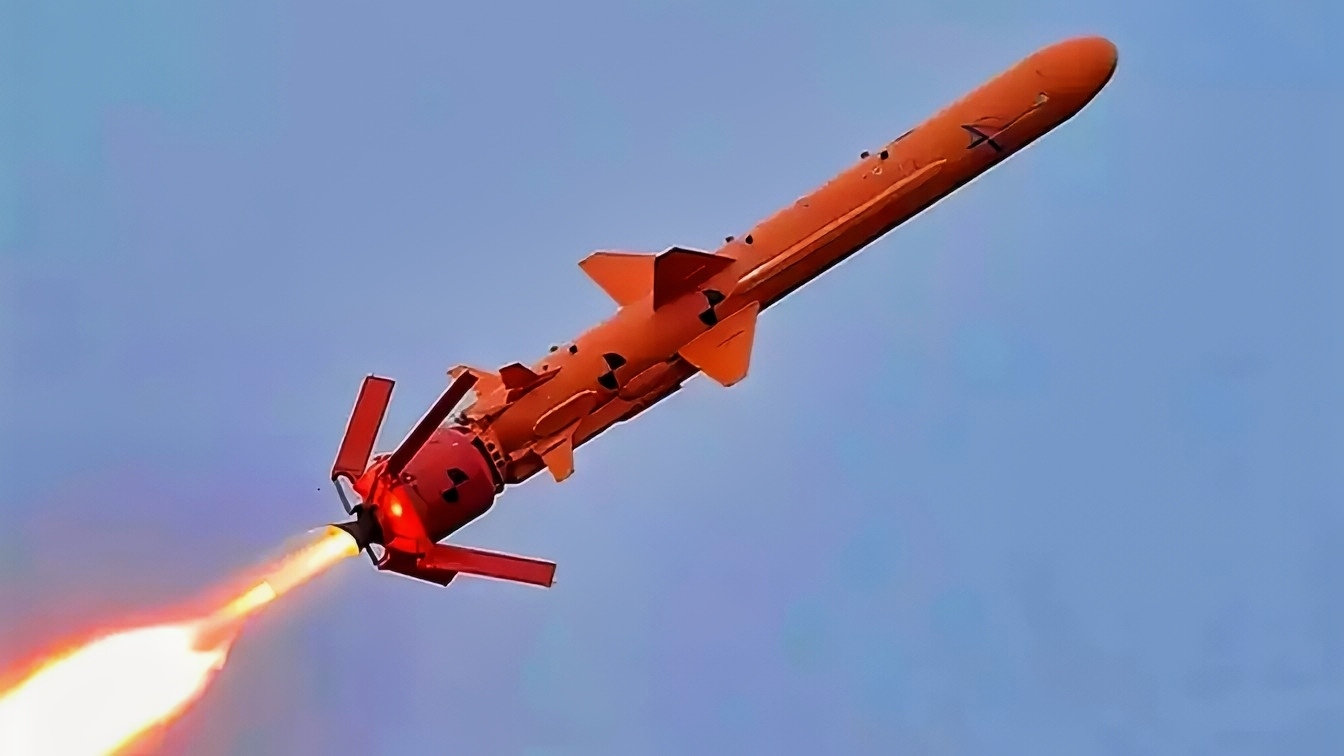
The Energy Ceasefire That Never Was Is Officially Over as Ukraine Strikes Russian Oil Refinery – Ukraine has resumed attacks on Russian oil refineries, marking the end of a short-lived, one-way truce on striking energy facilities.
Ukrainian drones struck the Ryazan oil refinery in the early hours of Thursday, 15th October, days after U.S. President Donald Trump announced an “energy ceasefire” between the two warring nations.

T-90 Tank from Ukraine War. Image Credit: Creative Commons.
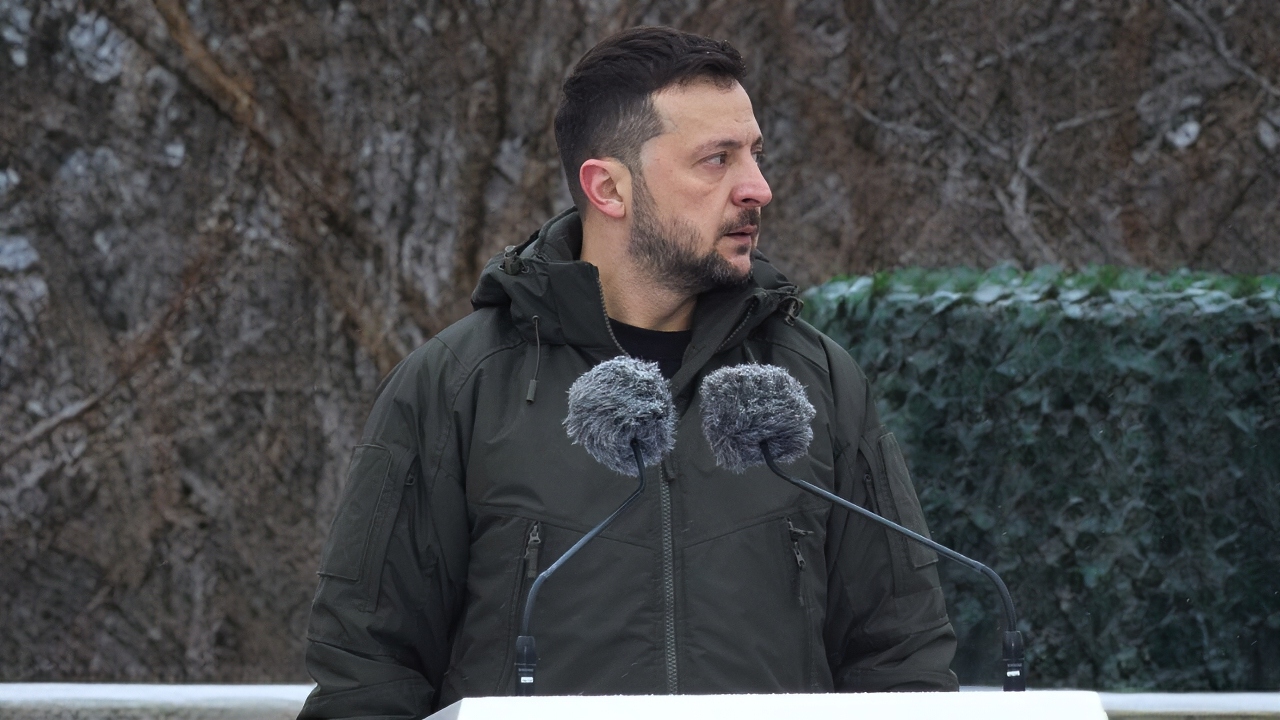
Image Credit: Office the the President, Ukraine.
Kyiv, having learned of the ceasefire through the media, agreed to the ceasefire, which was not observed by Moscow, with six separate Russian strikes across Ukraine within hours of Trump’s Truth Social post.
Refinery Struck
Regional Governor Pavel Malkov confirmed a fire at the Ryazan oil refinery on Thursday morning.
“Our region was subjected to a massive drone attack this morning,” he wrote in a Telegram post. “A fire broke out at an oil refinery. A warehouse and vehicles at another Ryazan enterprise were damaged.”
Malkov said there were no casualties as a result of the drone strikes.
The Ryazan refinery is Russia’s third-largest by processing capacity, producing 17.1 million metric tons of crude oil each year. It’s a key supplier of fuel to Moscow, handling more than 2 million metric tons of gasoline and over 3 million metric tons of diesel annually.
Ryazan was last attacked on Sunday, 6th September, and was forced to suspend operations due to major damage to the refinery’s CDU-6 and CDU-4 units.
Energy Warfare
For much of the past year, Ukraine has targeted critical infrastructure across Russia in a multi-fold strategy to disrupt its aggressor’s war effort. Oil refineries – producing fuel which can be used by the Russian military as well as sold to trading partners – have frequently been targeted during Ukraine’s drone campaign. This impact on supply lines and Russia’s economy is being felt by its citizens, with the drone assaults extending to online retailer warehouses to disrupt everyday Russian life.
Similarly, Russia has bombarded Ukraine for the past four and a half years. Every year since the full-scale invasion began, Russia has targeted Ukrainian energy facilities, prompting power cuts and heating failures across the country during the freezing winter months.
Trump’s Ceasefire
Trump has increasingly voiced frustration with Russia and Ukraine over continued attacks on oil refineries in the face of a worldwide shortage of diesel which, in part, is fueled by the Iran war and Tehran’s ongoing closure of the Strait of Hormuz. Ukrainian President Volodymyr Zelensky agreed to a ceasefire on energy facilities provided his Russian counterpart Vladimir Putin agreed to the same, but the two warring nations have continued to exchange strikes.
With the U.S. President under pressure at home to reduce living costs ahead of next month’s midterm elections, Trump has pushed for a ceasefire on energy infrastructure between Russia and Ukraine – something that was reportedly agreed over the weekend.
“Effective immediately, there is an ENERGY CEASEFIRE in the War between Russia and Ukraine,” Trump wrote on Truth Social on Sunday. “Both parties have agreed. Do not break it!” he added.
Speaking at the Warsaw Security Forum over the past weekend, Zelensky said that his country “immediately supported the idea of an energy ceasefire,” but questioned whether Russia would comply.
“Our offer is honest and clear; we are ready to respect an energy ceasefire if Russia is ready to do the same,” Zelensky added. “We agree if they agree. And we have already shown that we mean it.”
However, the Kremlin remained silent on the issue, offering no comment either way following Trump’s announcement before striking six separate energy facilities on Monday. While Kyiv had refrained from retaliating at Washington’s request, the restriction was lifted just three days after the energy ceasefire was announced.
“The block is out. We’re done,” Zelensky said of the truce in an interview with the Financial Times.
Airfield Struck
Ukrainian drones also struck an airfield in Russia’s Voronezh region in the early hours of Thursday morning, with eyewitness footage showing the strike itself and the subsequent fire. Ukrainian monitoring channels said the airfield was struck by Neptune missiles, damaging six Russian SU-34 fighters, although the claims are yet to be independently verified.
Regional Governor Alexander Gusev confirmed an attack on the region in which air defenses had destroyed 33 drones and “several jet-powered aerial targets,” with damage to several homes and a vehicle due to falling debris. He did not explicitly share details regarding the strike at the military airfield.
About the Author: Shay Bottomley
Shay Bottomley is a British journalist. He has written for the Western Standard, Business Insider, Maidenhead Advertiser, Slough Express, Windsor Express, Berkshire Live and Southend Echo.