

Oil. It’s on everyone’s lips—and for good reason. With Brent Crude futures, a global oil benchmark, just below $117 a barrel—nearly as high as at the start of the war with Iran—concern about costs is understandable. But another worrying factor is not the price. It is the supply.
Oil Reserves Squeezed?
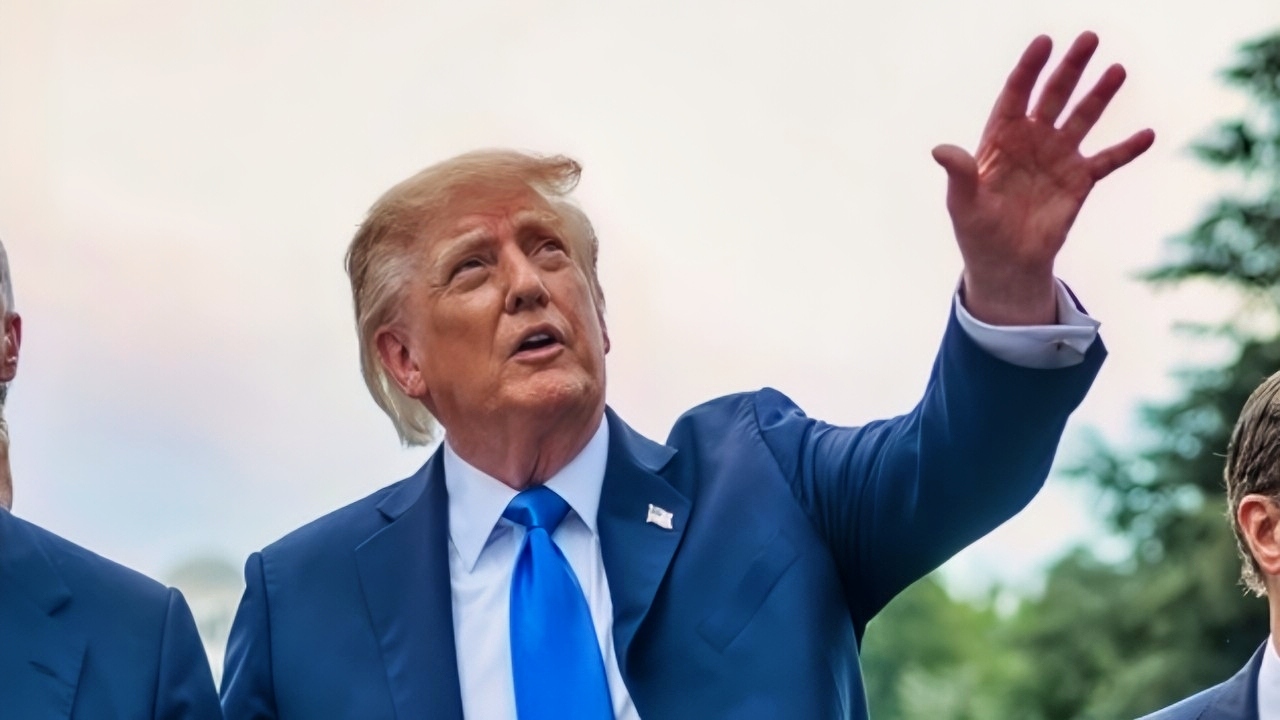
President Donald J. Trump gives U.S. travel executives a tour of the White House grounds after a press conference in the Oval Office, Wednesday, September 2, 2026. (Official White House Photo by Molly Riley)
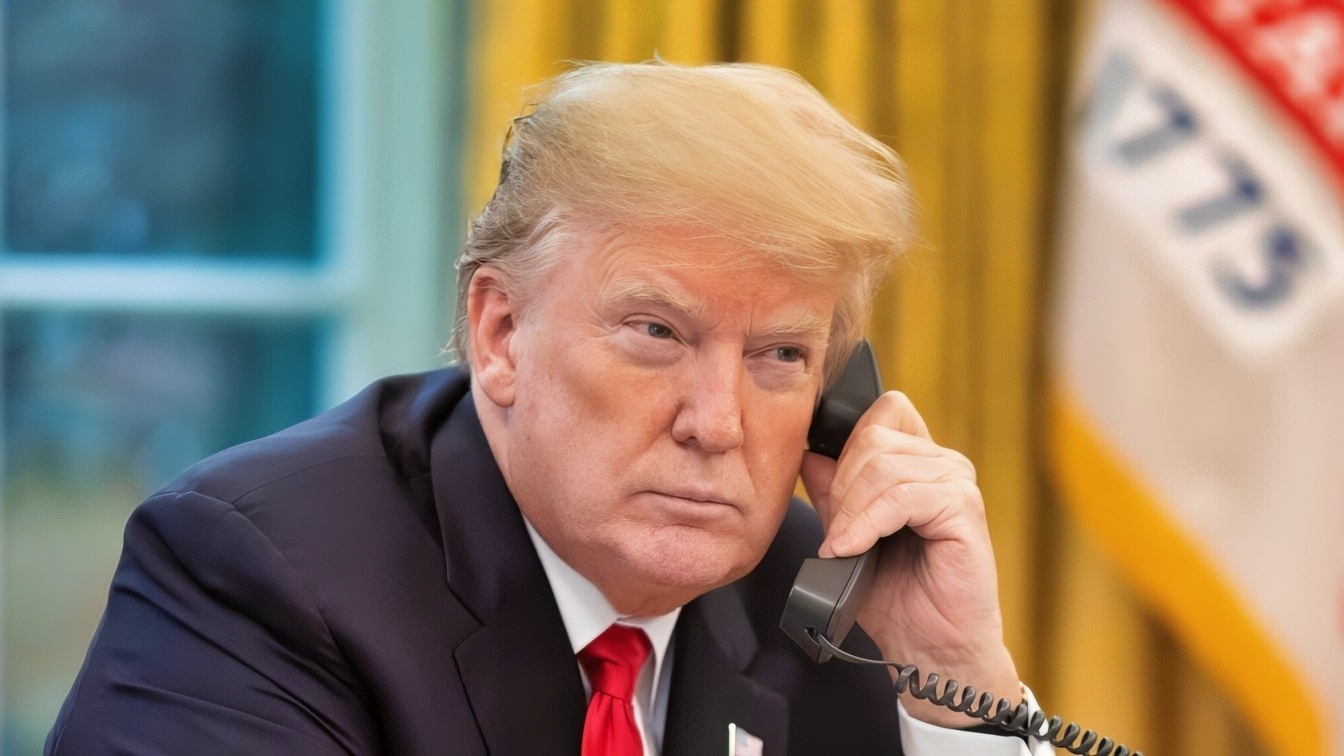
Donald Trump 2018 Oval Office Photo. White House Handout.
While oil has continued to flow out of the Gulf at levels at or above pre-war amounts, it hasn’t been easy for the Middle Eastern countries that extract and refine oil, or for the firms that transport the refined product from the Persian Gulf to the outside world.
According to Kpler, a data intelligence firm, oil flows from the Gulf have returned to pre-war levels — a development Kpler, along with other analysts and pundits, thought would not happen without a peace deal between Tehran and Washington. It has been a remarkable turn of events.
But while it is certainly a boon for Gulf producers and consumers worldwide, it says nothing about the world’s oil reserves.
The prospect of reserves dipping low — and eventually running out — is not difficult to imagine. Just last month, the Houthis, the Tehran-backed rebel group vying for control of all of Yemen, captured territory near the Bab al-Mandeb Strait.
That narrow maritime bottleneck provides access from the Gulf of Aden to the Red Sea and has become an invaluable new corridor for global oil flows
. At Yanbu, the Saudi port on the Red Sea, the Kingdom has diverted a significant percentage of its oil flows. What could happen if the Houthis close the Bab al-Mandeb Strait? What could happen if Iran choked off the Strait of Hormuz from the rest of the world? Strategic oil reserves would be significantly pinched.
The Strategic Petroleum Reserve and the International Energy Agency
The Strategic Petroleum Reserve was established in 1975 after the Arab oil embargo of 1973 to 1974. That ban on oil exports by many Arab-majority nations in the Middle East — and in particular an embargo on the United States — laid down in starkly clear terms a gaping vulnerability of the United States. To mitigate this vulnerability, Congress authorized the holding of up to one billion barrels of oil, a reserve that still stands today. Stored in subterranean salt caves along the Gulf Coast, it is one of the world’s largest oil reserves and the United States’ largest oil refiners conveniently located near the biggest oil refiners in America.
One of the first major drawdowns of the Strategic Petroleum Reserve was in response to the Persian Gulf War in 1991. In tandem with friends and partners, the United States pulled 17.3 million barrels from the reserve to temper the oil price spike caused by the Iraqi invasion of Kuwait.
Another major drawdown occurred in 2005, when Hurricane Katrina damaged and took American refineries offline. The U.S. drew 20.8 million barrels from the reserve. In 2011, the United States, in close cooperation with the International Energy Agency, released 30.6 million barrels due to disruptions caused by the Libyan civil war.
Earlier this year, in March, the International Energy Agency and its 32 members coordinated the release of 400 million barrels of oil from emergency supplies. While this isn’t the first time International Energy Agency members have coordinated significant releases (IEA members released nearly 200 million barrels after Russia’s full-scale invasion of Ukraine in 2022), it was one of the largest oil drawdowns in history.
Today, could the Houthis block the Bab al-Mandeb Strait for good? Could Iran bomb its way to corking up the Strait of Hormuz? It is unlikely, but still not completely impossible. It would be highly consequential, though it is exceedingly unlikely the world would simply run out of oil. Instead, prices would likely rise to astronomical new heights and become so expensive that demand would eventually evaporate.
It would also drastically alter global demand and supply chains, with Asian oil importers likely the first to feel the squeeze. Most oil exported from the Gulf countries went to Asia, including nearby Pakistan and India (the overwhelming majority of Iranian oil exports before the war went to China).
Gulf oil producers would stand to gain if they could find alternative routes for their oil. But buyers would eventually look elsewhere—to Russia, West Africa, the United States, and Latin American oil-producing countries.
The shock is, for now, hypothetical.
But oil reserves are declining, and the consequences could be extremely costly.
About the Author: Caleb Larson
Caleb Larson is an American multiformat journalist based in Berlin, Germany. His work covers the intersection of conflict and society, focusing on American foreign policy and European security. He has reported from Germany, Russia, and the United States. Most recently, he covered the war in Ukraine, reporting extensively on the shifting battle lines in Donbas and the war’s civilian and humanitarian toll. Previously, he worked as a Defense Reporter for POLITICO Europe. You can follow his latest work on X.


