

How The U.S. Is Running Out Of Strategic Oil Options: With the world on the brink of an oil supply crisis and the fighting over the Strait of Hormuz looking like it won’t end any time soon, the United States is rapidly approaching the limits of its primary method of containing the problem. U.S. Strategic Petroleum Reserve inventories fell another 3.1 million barrels last week to 286.6 million barrels, according to Department of Energy data released on Monday, August 31. It is the lowest level since November 1982 and now leaves Washington with substantially less crude than it had before the war with Iran began in February. But importantly, those remaining supplies can’t all be used — and even if they were, it would leave the U.S. more vulnerable than it has been in decades, and in a particularly troubling geopolitical environment.
Meanwhile, Brent crude climbed to around $92 per barrel Tuesday after the United States and Iran exchanged fire for the first time in more than a month, reviving fears that already-restricted Persian Gulf exports could face another setback.
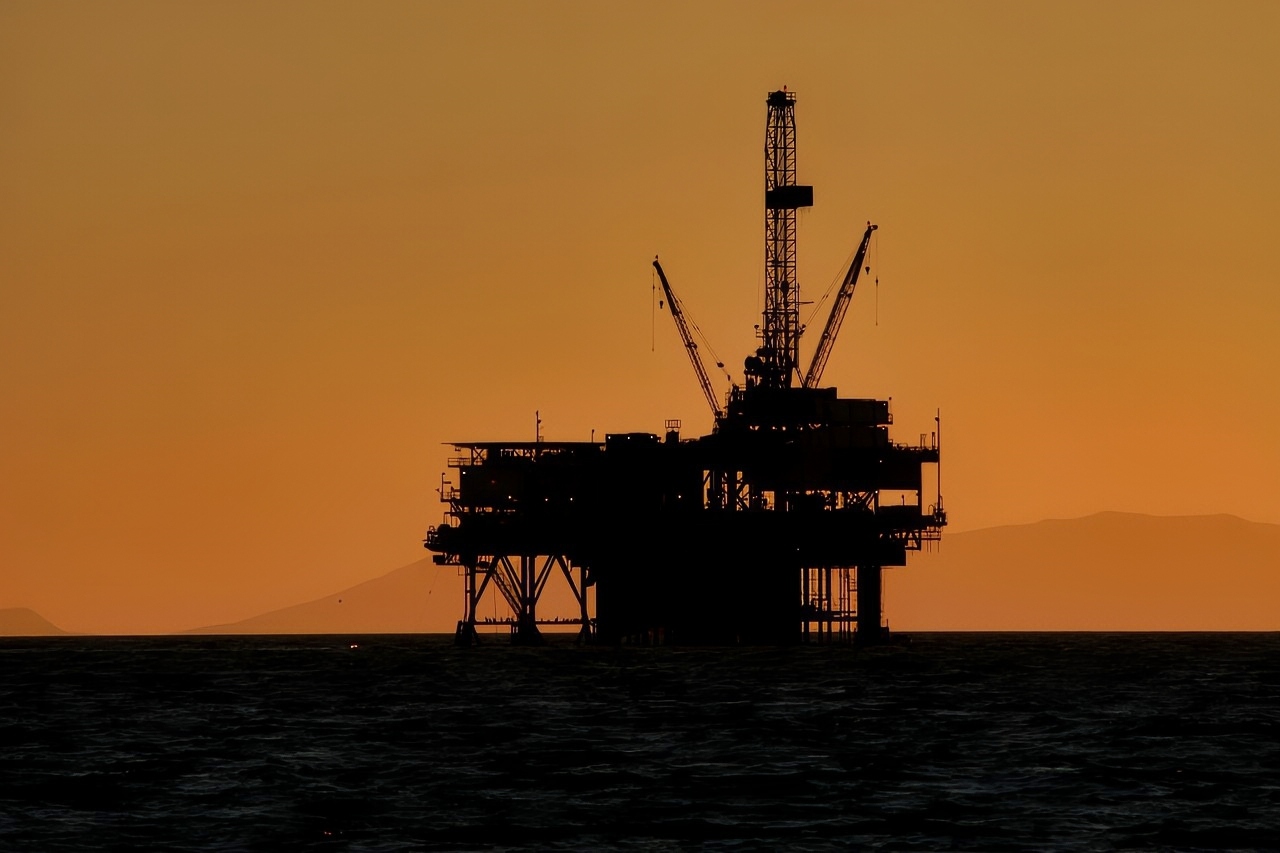
Oil Platform. Image Credit: Creative Commons.

Generic Oil Tanker Image. Image Credit: Creative Commons.
And while President Donald Trump says that a new oil agreement with Venezuela will help fill the reserve, the barrels Washington needs will not arrive quickly enough to solve its immediate problems.
The SPR Is Approaching Its Limit
The SPR hasn’t always existed. It was established after the energy crises of the 1970s to give Washington an emergency supply of crude oil that could be released in the event of severe disruptions. Today, the oil is stored across 60 underground salt caverns at four sites in Louisiana and Texas. Washington began to lean on that reserve during the Biden administration — and despite heavy criticism from President Trump, his administration has also used it to mitigate the damage caused by the war with Iran.
The Department of Energy has released more than 500 million barrels in total since 1985, according to the Government Accountability Office, and nearly 70% of all releases through 2025 have occurred since 2014. That includes the 180 million barrels ordered to be released by President Biden after Russia invaded Ukraine in 2022.
The Iran war, however, now presents a major problem for the United States, with Trump committing 172 million barrels as part of a coordinated 400-million-barrel release by major global players intended to cushion the massive supply disruption caused by the war and ongoing restrictions in the Strait of Hormuz. Those massive withdrawals are now pushing inventories down to a legal threshold — one that cannot be crossed, and means the true amount of crude available to the United States is substantially lower than what’s left on paper.
The First Limit
Under the Energy Policy and Conservation Act, the president can authorize a drawdown of up to 30 million barrels over 60 days when a shortage threatens the economy.
But there’s a catch. That authority cannot be used if the SPR contains fewer than 252.4 million barrels, because below that level Washington loses some flexibility to respond to smaller supply shocks that could arise in the future.
And the remaining releases related to the Iran war could bring inventories close to, or even below, that threshold.
Given the state of the war with Iran and continued disruptions in the Strait of Hormuz, the world generally expects the supply shock to continue and worsen in the coming weeks and months.
The IEA also said in August that 8.3 million barrels per day of Gulf production were lost during July, compared with pre-war levels. Regional exports also fell to roughly 15 million barrels per day, and global inventories have declined by 410 million barrels since the beginning of the war. That poses the first problem for Washington: drawing down more oil would be hugely dangerous, and potentially illegal.
Problem Two: the SPR Is Getting Old
The SPR infrastructure is also aging.
The Government Accountability Office warned in May that its ability to rapidly withdraw and refill crude is already limited because the wells themselves are aging, a problem compounded by maintenance backlogs and ongoing construction at the sites.
Years of drawdowns are adding further strain on the facilities, too, meaning the number of barrels currently underground does not necessarily reflect the amount available to reach the market quickly. Withdrawals take time, and the SPR is struggling to keep up.
It Also Can’t Be Emptied
Should the war in Iran reach critical levels, and the global oil crisis become so severe that the United States needs to continue drawing down its reserves, there’s another catch: Washington cannot actually drain every remaining barrel.
Oil is removed from storage by injecting water into underground salt caverns, forcing the crude oil toward the surface. As inventories fall, rising water levels alter the salt structure in the caverns, thereby affecting their integrity. Rising water levels also damage wells, pumps, and pipes.
The Department of Energy sets the SPR’s absolute physical minimum at around 70 million barrels, but other experts suggest that the safest operating floor is closer to 250 million barrels.
Trump’s Venezuela deal is vital, then — but producers need to move quickly.
About the Author: Jack Buckby
Jack Buckby is a British researcher and analyst specializing in defense and national security, based in New York. His work focuses on military capability, procurement, and strategic competition, producing and editing analysis for policy and defense audiences. He brings extensive editorial experience, with a career output spanning over 1,000 articles at National Security Journal, and has previously authored books and papers on extremism and deradicalization.


