
The U.S. Central Command (CENTCOM) has said that U.S. military forces have helped Gulf countries export more than 1.5 billion barrels of oil since June.
In an announcement shared on social media on Sunday, October 25, CENTCOM said it had helped more than 3,000 commercial vessels transit through the Strait of Hormuz over the past six months.

(Sept. 16, 2023) – The U.S. Air Force F-22 Raptor Demonstration Team performs during the 2023 NAS Oceana Air Show. The NAS Oceana Air Show is a chance for the Navy to give back to the community, showcasing Naval aviation to visitors from across the country and around the world. (U.S. Navy photo by Mass Communication Specialist 2nd Class Megan Wollam)
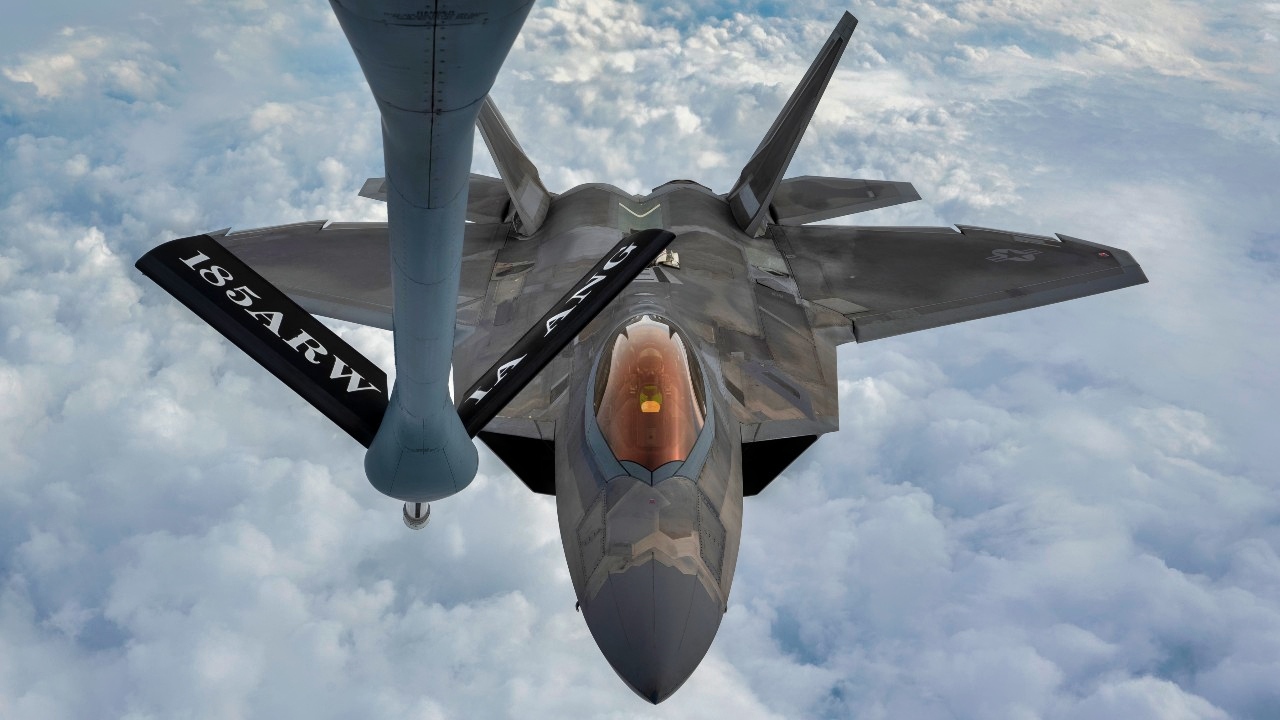
A U.S. Air Force F-22 Raptor approaches the boom of a KC-135 Stratotanker during a refueling mission over the Florida Panhandle, Dec. 14, 2022. Aerial refueling allows pilots to stay airborne for longer periods of time, increasing the mission capabilities individual aircraft can support. (U.S. Air Force photo by Tech. Sgt. Betty R. Chevalier)
It comes as Iran insists the strait remains closed to commercial traffic.
And while that is clearly good news, there is one giant problem for US President Donald Trump: costs aren’t going down, and more bombs could soon be dropped on Iran.
Commanding Commercial Vessels
In addition to the more than 3,000 vessels, CENTCOM said it helped navigate the Strait of Hormuz and that more than 95% passed through without attack from Iran’s Islamic Revolutionary Guard Corps (IRGC). CENTCOM added that this demonstrated that the “United States and regional partners control the international waterway.”
The announcement came as CENTCOM Commander Admiral Brad Cooper visited the region and observed the “current operational environment” aboard a U.S. Army CH-47 Chinook over the Persian Gulf.
“We continue to stand shoulder to shoulder with our Gulf partners and the shipping industry,” said Cooper on Sunday. “This visit underscores our strong commitment to continued freedom of navigation through the Strait of Hormuz.”
Thanking Troops
During the visit, Cooper met with U.S. service members who supported U.S. mine-clearing operations in the Strait of Hormuz earlier this year.
CENTCOM said that Cooper thanked them for their continued commitment and dedication.
“Today, primary transit routes in the Strait of Hormuz remain free and clear of Iranian sea mines thanks to incredible efforts by our people,” Cooper added. “We remain intensely focused on keeping commercial traffic flowing as we work with our teammates in the U.S. interagency, Gulf Cooperation Council, and shipping industry.”
Oil and Iran: Prices Just Won’t Come Down
Oil exports have returned near pre-war levels despite Iran’s insistence that the Strait of Hormuz remains closed. This is partly because exporters are using alternative routes.
Saudi Arabia, for example, has resumed shipping through its East-West oil pipeline.
At the same time, the United Arab Emirates has rerouted oil to its Fujairah export terminal that lies just outside the Strait of Hormuz.
Despite intensified strikes on shipping from Iran in recent weeks, smaller vessels have been able to transit through the Strait of Hormuz with their trackers turned off.
Under cover of darkness and with U.S. Navy support, smaller ships that took routes close to the Omani coast transported cargo from larger vessels that were easier to spot from Iranian territory.
Nevertheless, Tehran’s renewed focus on the international waterway has made it one of the most dangerous months for commercial shipping since the war began.
Despite U.S. optimism, shipowners and captains remain reluctant to risk damage to their vessels and crews, leaving some cargo stranded in the Persian Gulf.
As a result, oil prices have remained high. Brent crude, the global benchmark for oil, has remained above $100 per barrel for much of October.
As of Monday morning, October 26, Brent crude was $115.45 — down 1% from the previous day.
So while oil is flowing, prices aren’t dropping enough to help consumers in the US and around the world.
Little Sign of Peace
Questions remain as to whether the U.S. and Israel will resume strikes on Iran after discussions over a peace deal between Washington and Tehran stalled.
Last month, Iranian officials presented the Trump administration with a proposal to end the conflict.
The deal largely resembles the memorandum of understanding that was signed between the two warring nations earlier this year, but ultimately fell through after the U.S. accused Iran of striking commercial shipping in the Strait of Hormuz.
After rejecting the deal, the U.S. sent a response to Tehran, which Secretary of the Supreme National Security Council Mohsen Rezaei described as “insufficient.”
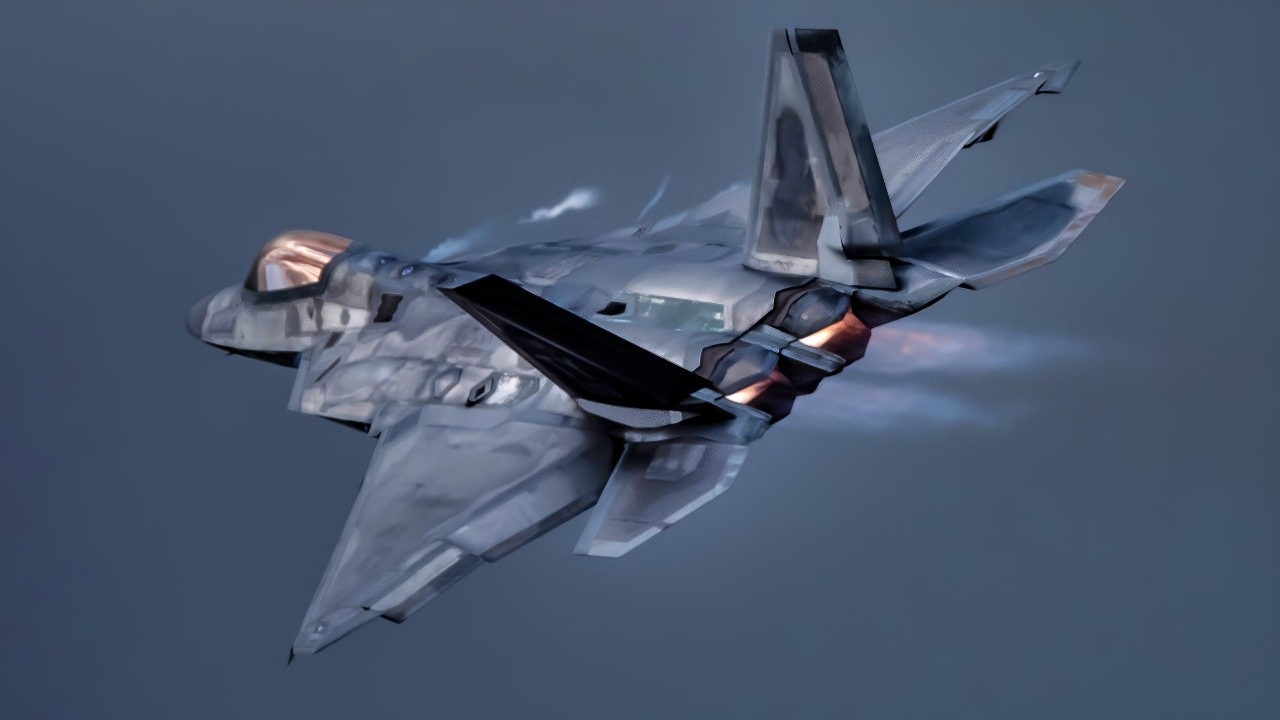
U.S. Air Force Maj. Josh Gunderson, F-22 Raptor Demonstration Team commander and pilot, flies a practice demo at Joint Base Langley-Eustis, Va., Dec. 6, 2019. Representing Air Combat Command, the F-22 Demo Team travels to air shows all across the world showcase the performance and capabilities of the world’s premier 5th-generation fighter. (U.S. Air Force photo by 2nd Lt. Sam Eckholm)
“About two weeks ago, we communicated seven conditions to the Americans, stating explicitly that until these conditions are met, the Strait of Hormuz will not be opened to them, and no negotiations will take place,” Rezaei told state media.
“The Americans have now responded. While they have accepted some of our conditions, others remain unresolved.”
“We are no longer in the process of responding to the Americans. They have replied, and we consider it insufficient. They must clarify the issues that remain ambiguous,” he added.
About the Author: Shay Bottomley
Shay Bottomley is a British journalist. He has written for the Western Standard, Business Insider, Maidenhead Advertiser, Slough Express, Windsor Express, Berkshire Live and Southend Echo.