
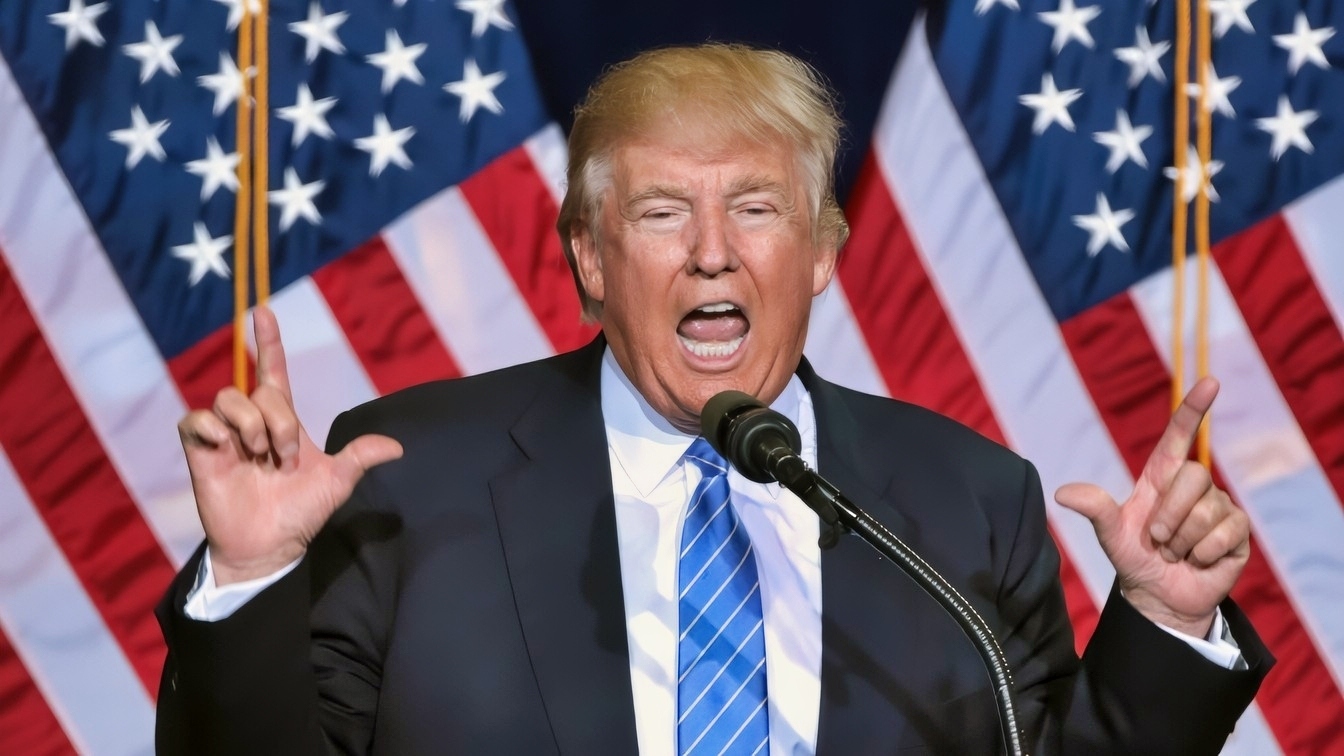
Trump Administration Reportedly Considering Lifting Further Sanctions on Russian Fund – In what would have been unthinkable years ago, U.S. President Donald Trump’s administration is considering lifting sanctions on Russia’s state investment fund as Washington pursues a diesel supply agreement with Moscow and negotiations to end the war in Ukraine.
The Russian Direct Investment Fund has requested removal from U.S. sanctions, according to The New York Times, with a U.S. official telling the publication that the application was being assessed through established procedures as part of efforts to improve relations and end the conflict.
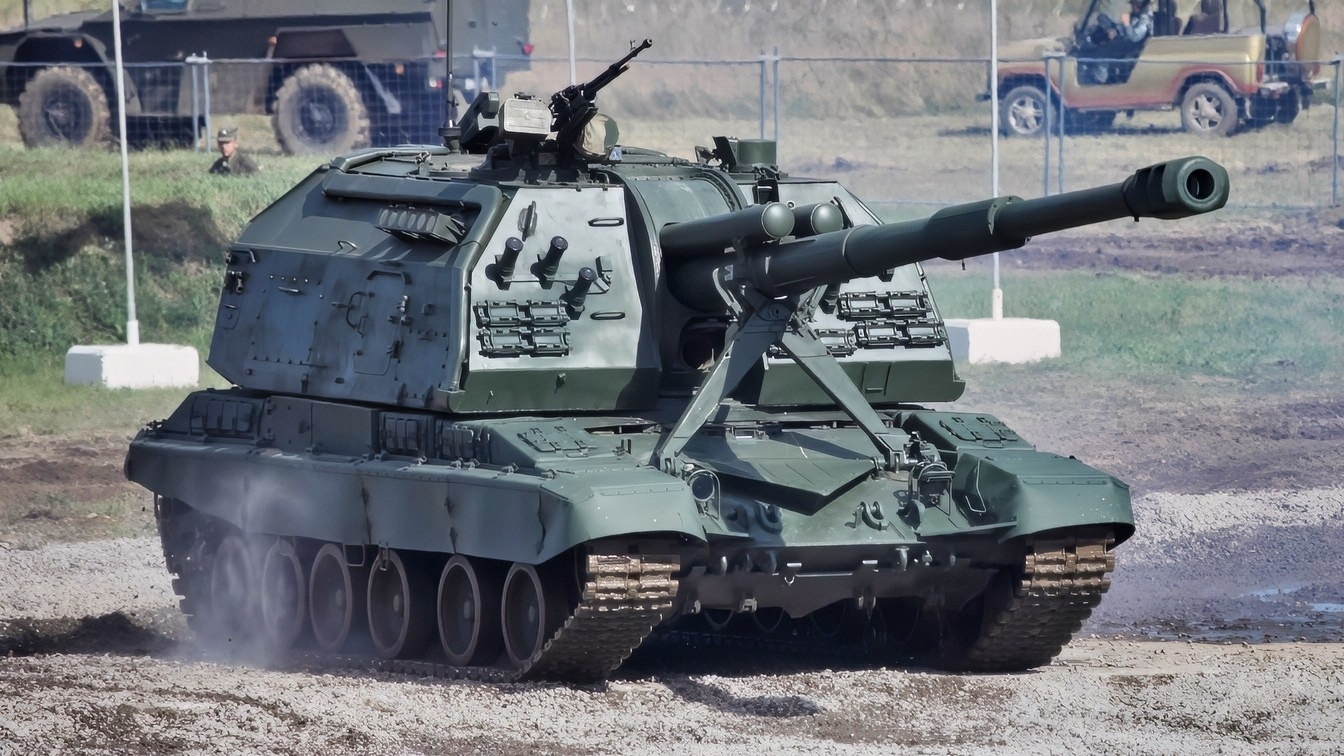
MSTA-S Russian Artillery. Image Credit: Creative Commons.
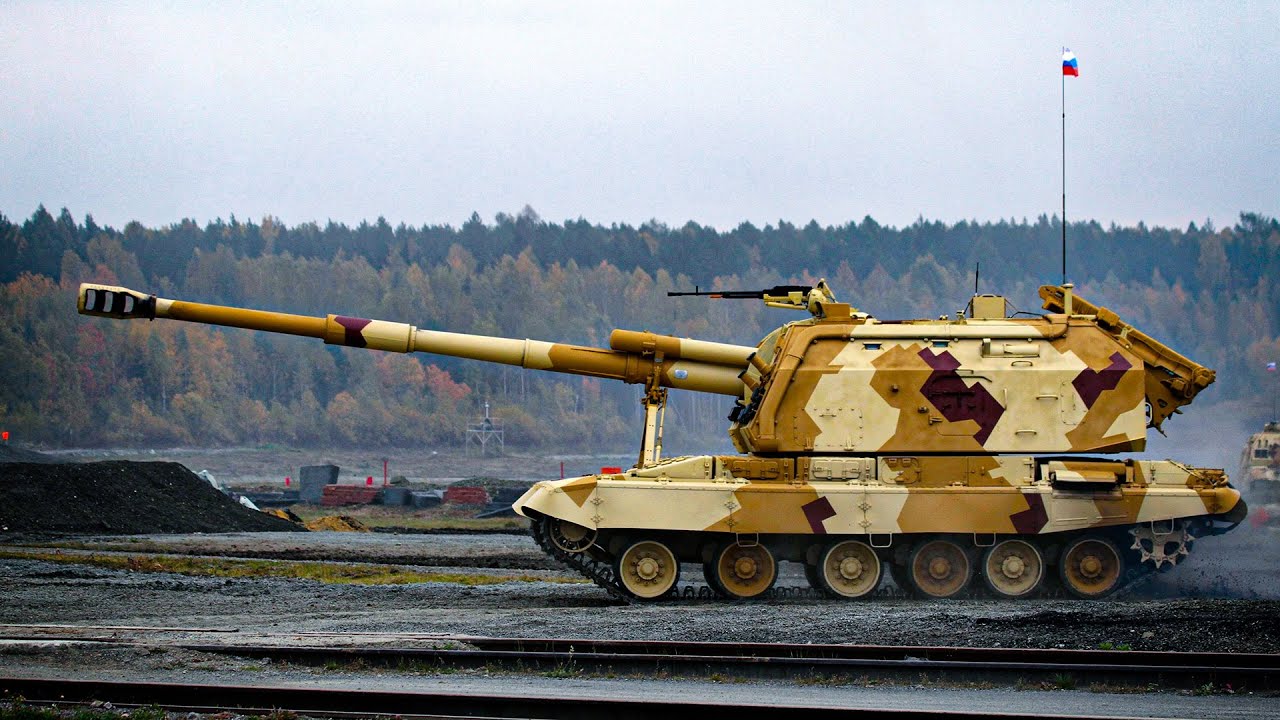
MSTA Russian Artillery Creative Commons Image
No decision to remove the sanctions, which were first imposed in 2022 following Russia’s full-scale invasion of Ukraine, has yet been announced.
Sanctions and the Fund
Shortly after Russia’s full-scale invasion began, President Joe Biden’s administration imposed sanctions on the Russian Direct Investment Fund, describing it as a financial vehicle closely associated with Russian President Vladimir Putin.
Established in 2011, the fund invests alongside foreign partners in Russian companies. Its own account describes its purpose as attracting investment into Russia, placing international financial relationships at the center of its work.
“The unprecedented action we are taking today will significantly limit Russia’s ability to use assets to finance its destabilizing activities, and target the funds Putin and his inner circle depend on to enable his invasion of Ukraine,” said then-Treasury Secretary Janet L. Yellen. “Today, in coordination with partners and allies, we are following through on key commitments to restrict Russia’s access to these valuable resources.”
The sanctions also applied to chief executive officer Kirill Dmitriev, who now serves as the Kremlin’s economic envoy to the Trump administration.
The Diesel Deal
The sanctions request came as Trump agreed to resume Russian diesel supplies. Earlier this month, President Trump announced a deal between Washington and Moscow for Russia to supply more than 300,000 metric tons of diesel to American and global markets, with further releases in the coming months.
Trump’s deal came after diesel reached record highs in September, with the average price per gallon topping $6.53. Diesel is essential to the U.S. economy, used in food production and transportation. Higher costs are passed on to consumers — a major problem for a president facing a frustrated electorate ahead of the midterm elections.
Removing sanctions on the Russian Direct Investment Fund is not part of the deal, and permission to handle diesel transactions has already been resolved, according to the Times, meaning sanctions do not need to be lifted. Instead, the Treasury is following normal processes to assess the fund’s application to remove sanctions; effectively, the fund must prove that the conditions under which the sanctions were imposed no longer apply.
A Business Relationship
Although Trump has largely left the Biden-era sanctions in place, Washington and Moscow have discussed potential business deals in recent months. For the Trump administration, this shows the U.S. is serious about building a new, prosperous relationship with Russia.
Critics, including some Republican lawmakers, disagree. Eric Green, a former Biden administration official and member of the White House’s National Security Council, said lifting sanctions would send a “real strong message that we are relaxing the previous position that we weren’t going to relax the economic sanctions and other costs until there was a settlement in Ukraine.”
War Continues
Despite the U.S.-led efforts, the conflict between Russia and Ukraine continues, with no end in sight.
Special Envoy Steve Witkoff conducted another multi-city tour last week, first meeting Ukrainian President Volodymyr Zelensky and the leaders of Norway and Finland in Oslo on Tuesday, then flying to Moscow the following day. Norwegian Prime Minister Jonas Gahr Støre said the aim was “to put diplomatic efforts on a more constructive path” ahead of the summit.
In what was reportedly a short meeting, Witkoff praised the “humanitarian” Russian President Vladimir Putin before presenting a set of proposals drafted in Oslo. The U.S. proposals reportedly involve Ukraine ceding the Donbas to Russia in exchange for a future security guarantee from NATO.
While optimism remains over potential trilateral talks between the U.S., Russia, and Ukraine after last week’s meetings, the Kremlin remains unconvinced by the latest proposals. “In terms of resolving the Ukraine crisis, there wasn’t much there that was useful,” said Putin’s foreign policy aide, Yuri Ushakov, on Wednesday, October 21.
About the Author: Shay Bottomley
Shay Bottomley is a British journalist. He has written for the Western Standard, Business Insider, Maidenhead Advertiser, Slough Express, Windsor Express, Berkshire Live and Southend Echo.