

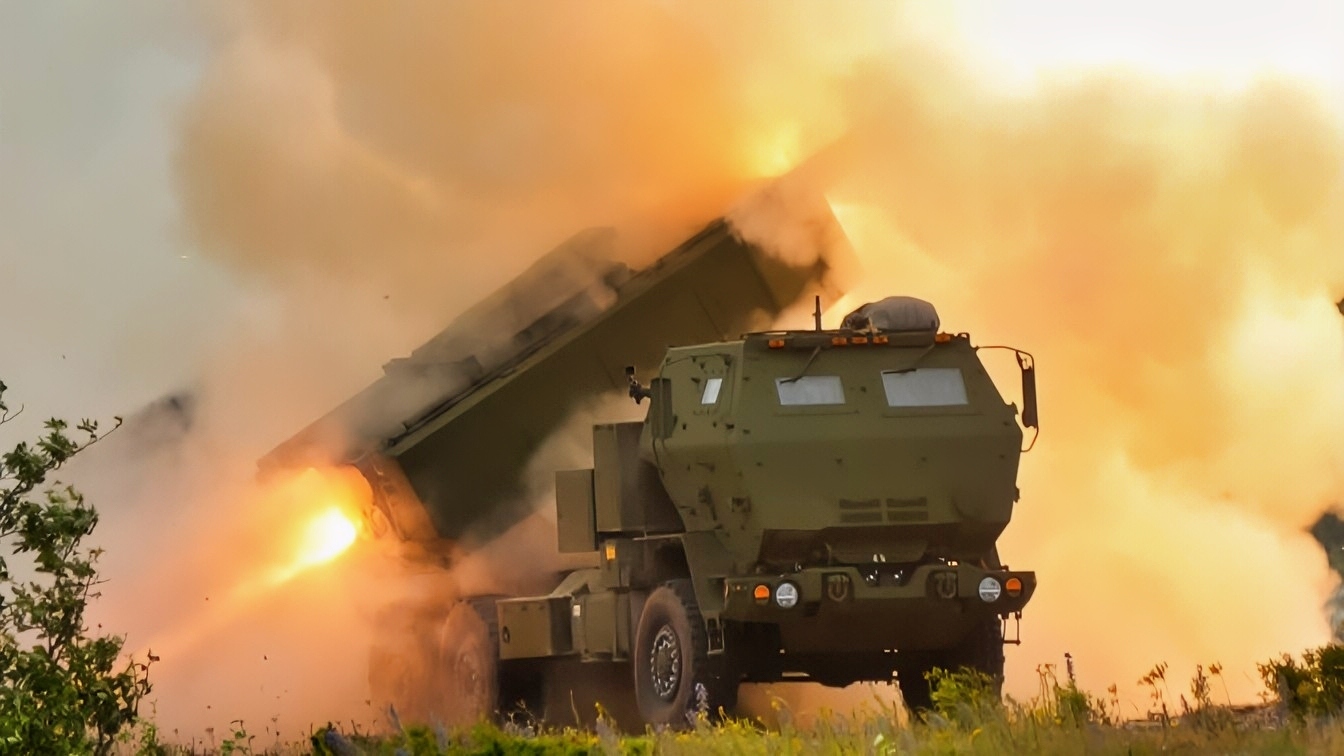
Kyiv has renewed planned power outages after a volley of missiles and drones damaged key water infrastructure.
Ukraine’s grid operator lifted emergency outages in the capital and surrounding area by Wednesday afternoon.
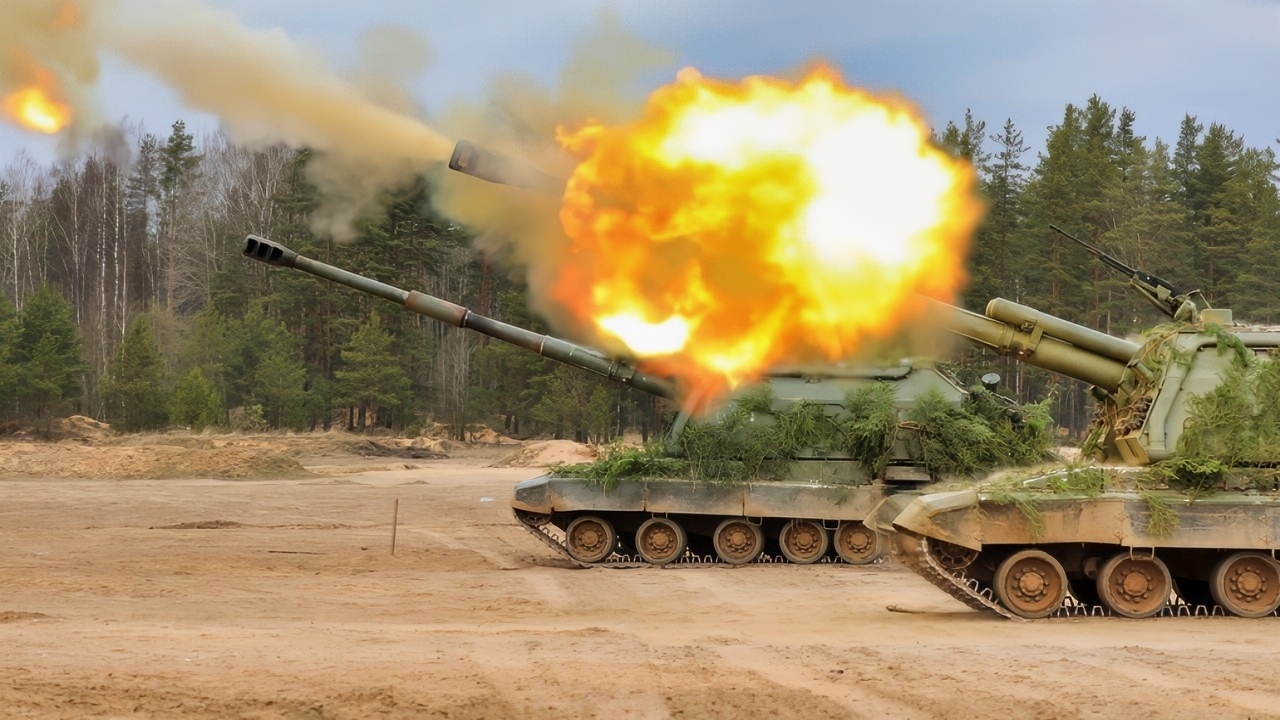
MSTA Artillery Firing Creative Commons Image
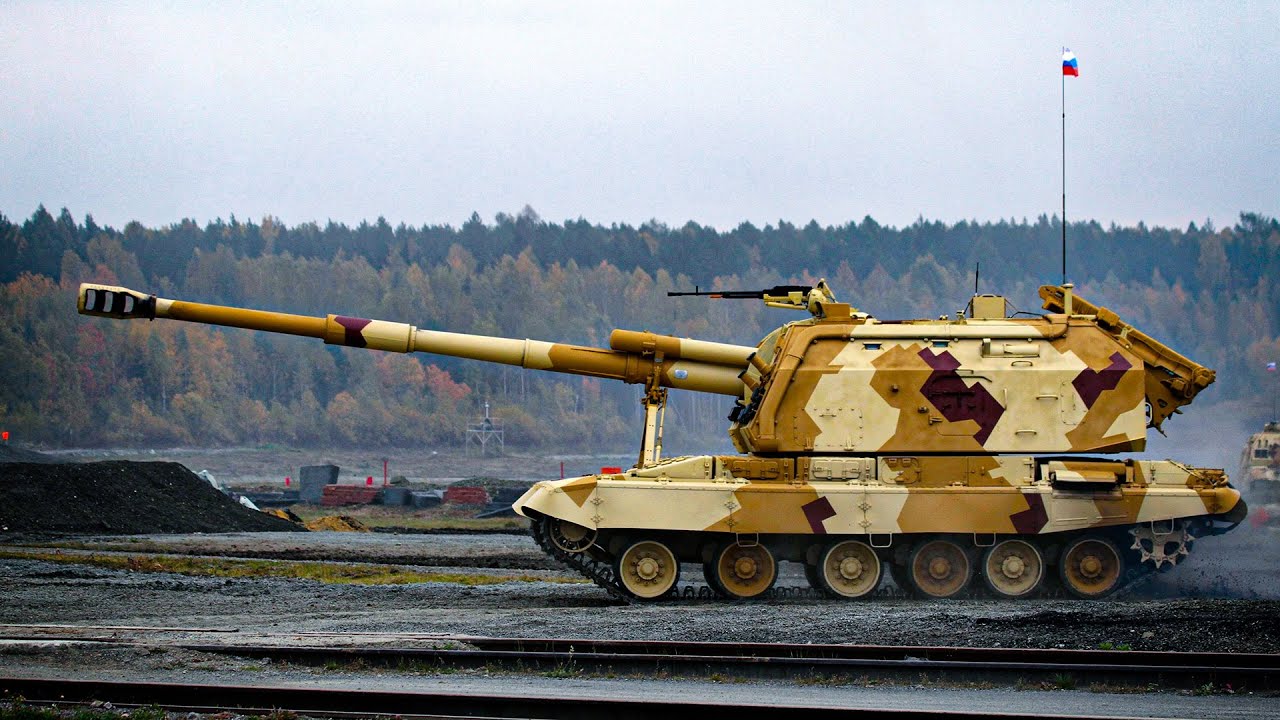
MSTA Russian Artillery Creative Commons Image
It comes just days after a major Russian aerial assault on an underground shelter and aid center in the Zaporizhzhia region.
More than 40 people were reportedly killed in the attack on Monday, with dozens more still thought to be trapped under rubble.
Pressure Too Low
Kyivvodokanal, Kyiv’s water supplier, said water pressure was low on the right bank of the Dnipro River that flows through the city.
Kyiv Mayor Vitali Klitschko said on Tuesday that the city faced an “extremely difficult” power situation as infrastructure damage affected the power supply.
Warm centers have opened in the worst-affected areas, where residents can charge their phones and “have a cup of hot tea.”
Early on Wednesday, DTEK confirmed that planned outages were still paused and workers are repairing damage.
However, later in the day, Ukrenergo, the national grid operator, said the grid had been partially restored, and most areas were back on planned outages.
Emergency outages were put in place in the Kharkiv region, and in the city of Dnipro, more than 200 miles from Kyiv.
Water Service Partially Restored
Workers were seen working overnight after power to the capital’s main water infrastructure was affected by 8.59 a.m.
Kyivvodokanal said it had restored water to the left bank and the Obolonskyi district on the right bank.
However, workers are still attempting to increase the pressure in the network, though the sewage system is functioning fine.
Anatolii, who lives in the Sviatoshynskyi district, said that his power had been restored but not his water. Another resident, Liudmyla, said she had been able to fill five 5-liter bottles.
In areas where there’s no running water, officials said generators will be attached to public water pumps.
Public Transport Partially Suspended
Trams and trolleybuses were suspended on Tuesday evening.
Still, buses have been deployed on some routes, including the No. 6 trolleybus route from the Minskyi neighborhood to Independence Square and the No. 14 from the botanical garden to the central train station.
Officials said buses cannot hold as many people as electric transport.
The metro is operating as usual, with further services dependent on how the grid is working.
Trio of Thermal Plants Offline After Attacks
Ukrenergo said the attack was one of the biggest to hit infrastructure in the country, adding that Russia had attacked energy infrastructure over 20 times in 24 hours.
The Energy Ministry said 10 regions were attacked, with power plants, substations, and combined heat and power plants being targeted.
The Vinnytsia, Zhytomyr and Kharkiv regions were among those most affected.
President Volodymyr Zelenskyy said 289 drones, 17 ballistic missiles, and 59 cruise missiles were launched by Russia overnight on Tuesday, and appealed for assistance to protect the country’s airspace.
Three thermal power plants were knocked offline after missile and drone attacks, DTEK said.
Russia’s Defense Ministry said its forces had attacked power facilities that supplied military factories and the Ukrainian army.
Ukraine’s Energy Minister Denys Shmyhal said Russia had launched three drones toward a vital substation that supplies the Khmelnytskyi Nuclear Power Plant.
He said there was a threat to “nuclear safety across Europe” and added that Ukraine had informed the International Atomic Energy Agency of the incident.
The Energy Ministry said on Wednesday that Ukraine’s nuclear plants were operating at lower capacities but will slowly resume regular levels as workers fix the grid.
Last Winter’s Damage Still Under Investigation
The U.N. commission of inquiry said on October 26 that Russia’s continual attacks on Ukraine’s energy infrastructure were war crimes.
Millions of people were left without heating, water, gas, and electricity for long periods of time last winter as temperatures fell to around -6 degrees Fahrenheit.
Many older adults and others with limited mobility sometimes had to remain in cold homes during air raids for fear of becoming stuck in elevators.
Commission Chair Erik Møse said the attacks had intensified again, raising “serious concerns about the threats to civilians’ lives and health.” A 74-year-old Kyiv woman told investigators, “I lay cold and hungry, without medicine, without anything.”
About the Author: Georgia Gilholy
Georgia Gilholy is a journalist based in the United Kingdom who has been published in Newsweek, The Times of Israel, and the Spectator. Gilholy writes about international politics, culture, and education.


