

It’s not normally necessary for a president, after a midterm election wipeout, to declare that he won’t contest the results.
Bill Clinton didn’t do that after 1994, nor did George W. Bush after 2006, or Barack Obama in 2010, when their parties suffered huge midterm losses.

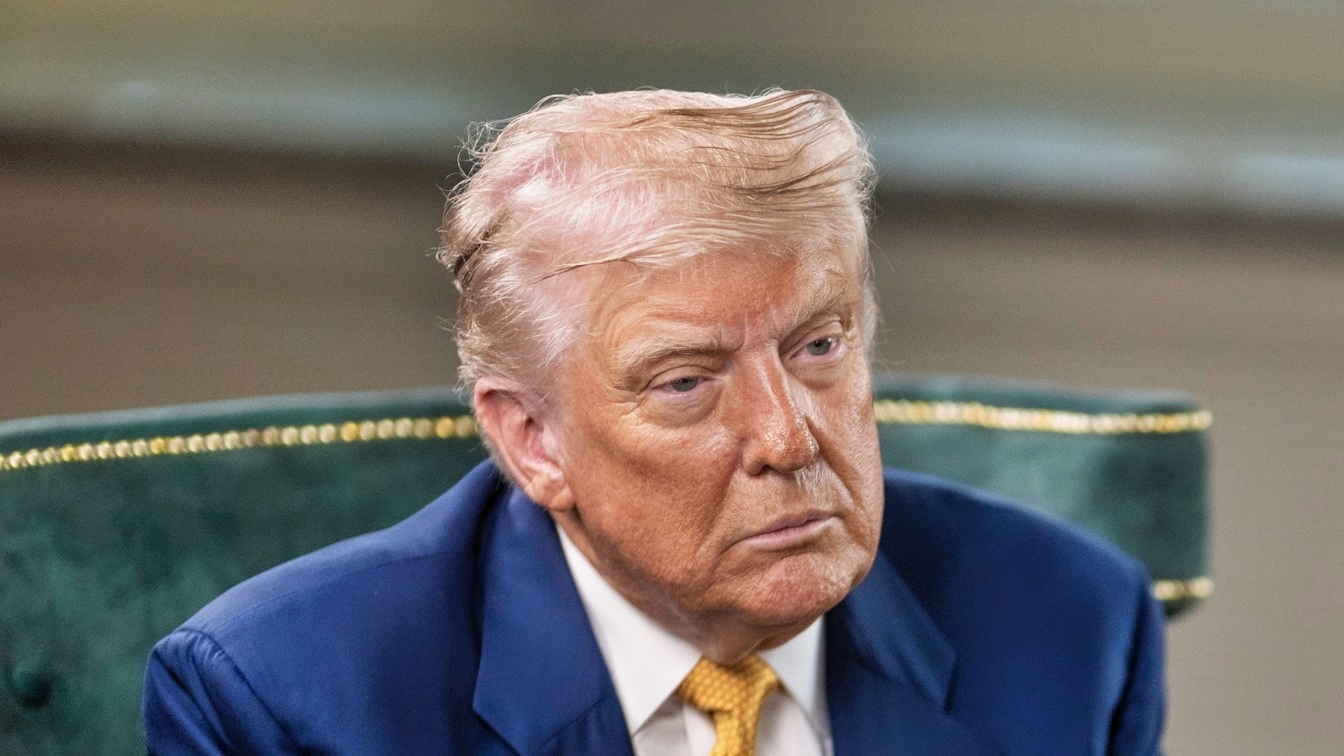
President Donald Trump delivers the Commencement address at the graduation ceremony for the University of Alabama, Thursday, May 1, 2025, at Coleman Coliseum in Tuscaloosa, Alabama. (Official White House Photo by Daniel Torok)
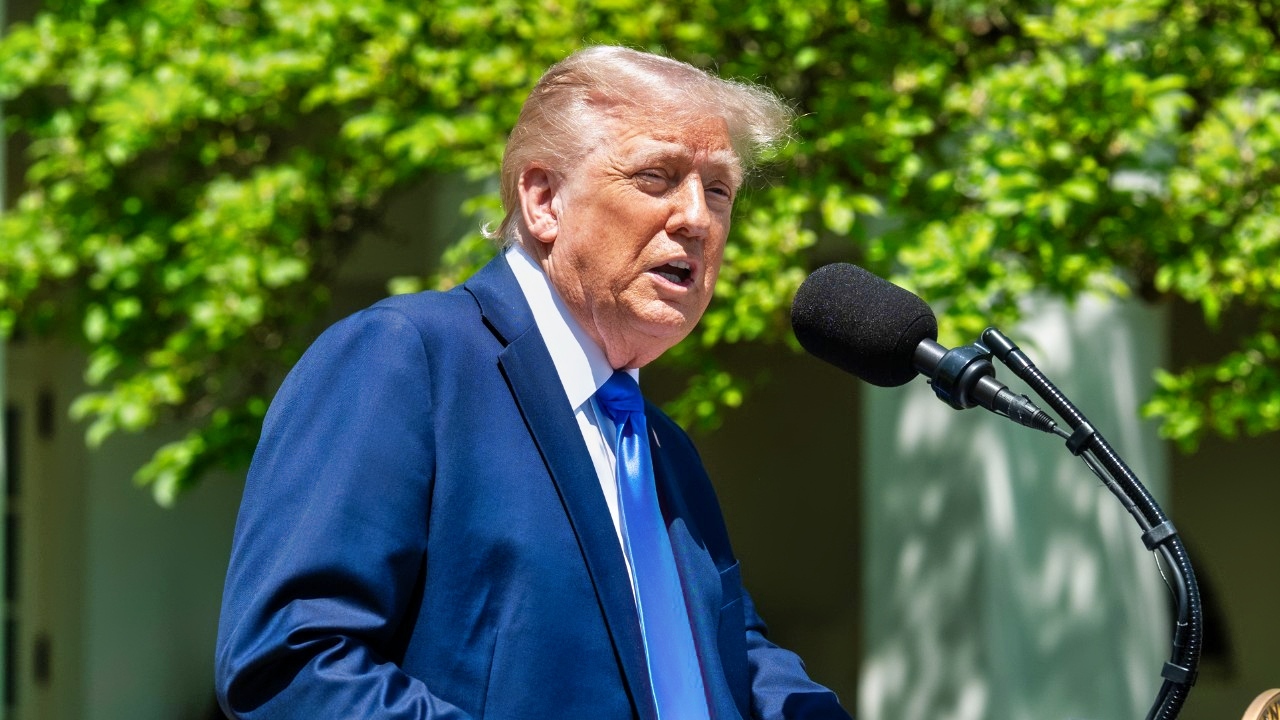
President Donald Trump delivers remarks at a National Day of Prayer event, Thursday, May 1, 2025, in the White House Rose Garden. (Official White House Photo by Joyce N. Boghosian)
But because Donald Trump refused to accept his defeat in the 2020 election, a stance he continues to hold to this day, it’s actually newsworthy for Trump to accept an election defeat.
According to Axios, Trump did just that Tuesday night in an election-night interview with The New York Times.
Trump said he was “absolutely willing” to accept the results, and even vowed to work with the new Democratic majority in Congress.
“We’ll, you know, look forward to working with them,” the president told the newspaper in a phone interview. “We’ll probably work something out.”
Trump has long argued that American elections are rife with voter fraud, cheating, and “rigging,” and spent much of 2026 in a doomed effort to get Congress to pass a tough voter ID law to make such activities by his enemies more difficult.
Trump’s willingness to accept the election results immediately suggests he wasn’t so sincere about those accusations, or that he’s only willing to accept losses when he isn’t on the ballot.
And that was another inconsistency in Trump’s stance.
“On the Ballot”
Throughout the fall campaign, Trump told his base to approach the elections as if he were on the ballot. But then, once the election was over, Trump abruptly reversed himself, writing on Truth Social that “I wasn’t on the Ballot and if I was, we would have won IN A LANDSLIDE!”
Trump made a similar point in an interview with the Times, telling them that “I wasn’t on the ticket, and because I wasn’t on the ticket, we couldn’t get enough people out to vote.”
In fact, several of Trump’s hand-picked candidates, led by Ken Paxton in the Texas Senate race, lost their races on Tuesday.
He had also pushed for Darline Graham, the sister of his late friend and ally, Sen. Lindsey Graham, to both be appointed to the Senate and run for a full term; Graham went on to lose in an upset to Democrat Annie Andrews.
While he acknowledged that voters are unhappy with the Iran war and gas prices, Trump, as usual, had no regrets.
“But I don’t regret that decision at all,” Trump told the Times of Iran. “In fact, you know, that’s a decision that was a very wise decision for the future of the country and the world.”
What Comes Next
As of Wednesday at midday, with some races still to be called, Democrats had 54 Senate seats, compared to 44 for Republicans, while Democrats had won 244 House seats, compared to 151 for Republicans. Democrats also controlled more than half of the governorships in the country, with 28 statehouses, compared to 20 for Republicans.
After Democrats won governorships in Texas, Georgia, Ohio, Iowa, and Nevada, they now control a majority of governorships for the first time in 16 years.
Perhaps most important for 2028, Democrats now control the governor’s mansion in every major 2024 battleground state and in nine of the ten most populous states, except Florida.
And now, Trump enters his last two years in office as a lame duck, with larger-than-expected majorities in both houses of Congress, and committees set to issue subpoenas and pursue investigations of Trump and his allies.
The Times also reported that the losses on Tuesday surprised the president. Trump “vented his frustration at political aides and accused them of giving him bad information about polling in the lead-up to the elections,” the newspaper reported.
However, in the Times interview, Trump also took on a conciliatory tone, although he reminded the Times that he has “total veto power,” something that didn’t come much into play in either of his presidencies up until now.
In his first term, Trump controlled both houses of Congress for two years before losing the House in his first midterms; in his second term, He came into office with control of both houses but has since lost that.
About the Author: Stephen Silver
Stephen Silver is an award-winning journalist, essayist, and film critic, and contributor to the Philadelphia Inquirer, the Jewish Telegraphic Agency, Broad Street Review, and Splice Today. The co-founder of the Philadelphia Film Critics Circle, Stephen lives in suburban Philadelphia with his wife and two sons. For over a decade, Stephen has authored thousands of articles that focus on politics, national security, technology, and the economy. Follow him on X (formerly Twitter) at @StephenSilver, and subscribe to his Substack newsletter.


