

Since summer, Ukraine has been preparing for Russia’s inevitable campaign against energy infrastructure as winter approaches. Unfortunately, that campaign has arrived, and this winter is shaping up to be one of the war’s harshest for Kyiv. In previous years, Ukraine was able to withstand these attacks and rebuild its damaged energy infrastructure faster than Russia could destroy it.
However, with a shortage of air defenses, Russian advances in low-cost strike munitions, and four consecutive years of bombing, the country’s energy grid is facing severe trouble.

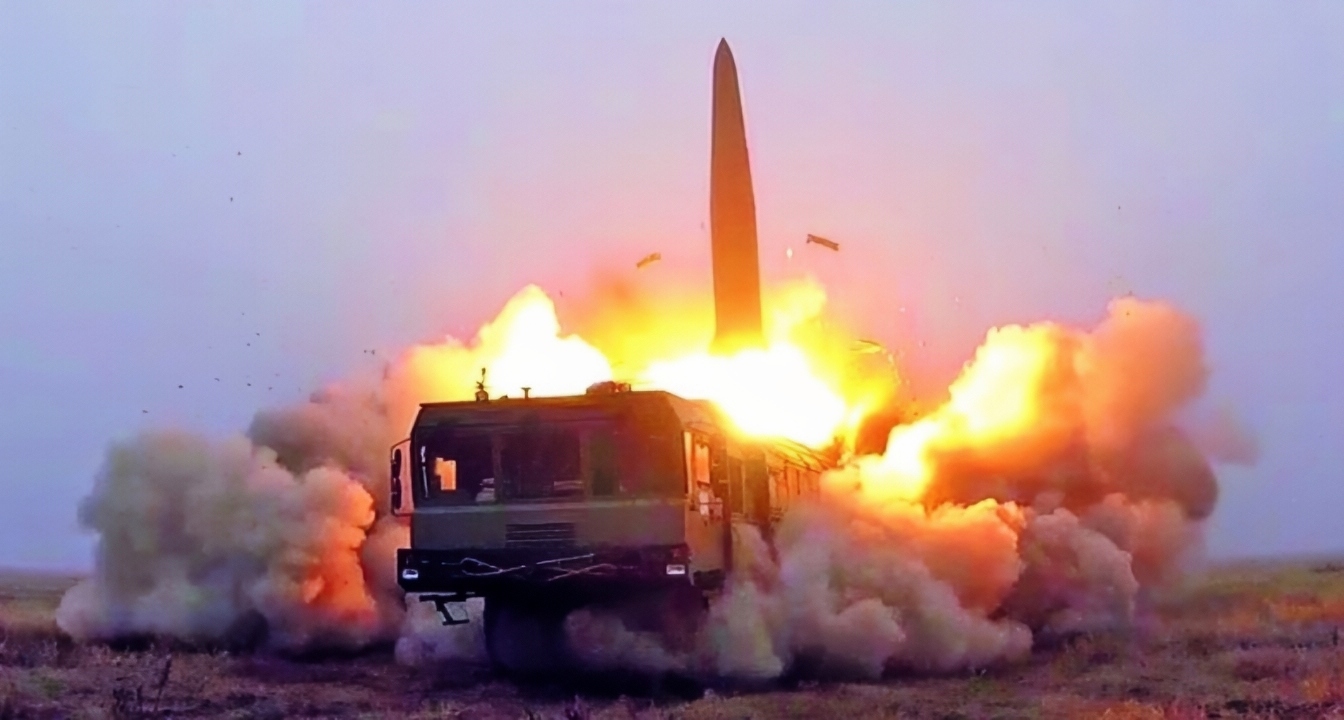
Iskander-M. Image Credit: Creative Commons.
As temperatures drop, millions of civilians throughout Ukraine could find themselves without heating as Russia ramps up its efforts to bring Kyiv to its knees.
Russia’s Attacks Against Ukraine’s Energy Grid
In a recently published report, the United Nations’ Independent International Commission of Inquiry on Ukraine examined the consequences of Russia’s ongoing campaign against Ukraine’s energy infrastructure.
The analysis examined Russia’s attacks since autumn 2022, with a particular focus on 2025–2026. The report found that “Russian authorities committed crimes against humanity through attacks on Ukraine’s energy infrastructure.” The UN reports that the Russians are deliberately targeting critical energy infrastructure and making conditions unbearable for the civilian population.
While international law allows for military strikes against civilian infrastructure in some military contexts, the UN claims that Moscow’s attacks have disproportionately affected Ukraine’s civilian population and constitute a crime against humanity.
Other UN bodies reported similar findings, with the UN human rights monitoring mission stating that the “first two weeks of October were among the deadliest periods” for Ukrainian civilians “in years.”
Meanwhile, Russia has doubled down on its attacks.
In October, Russian news outlet TASS reported that Vladimir Putin approved of the Russian Air Force’s strikes against objects in Ukraine, stating that concentrated strikes against “enemy targets” should continue.
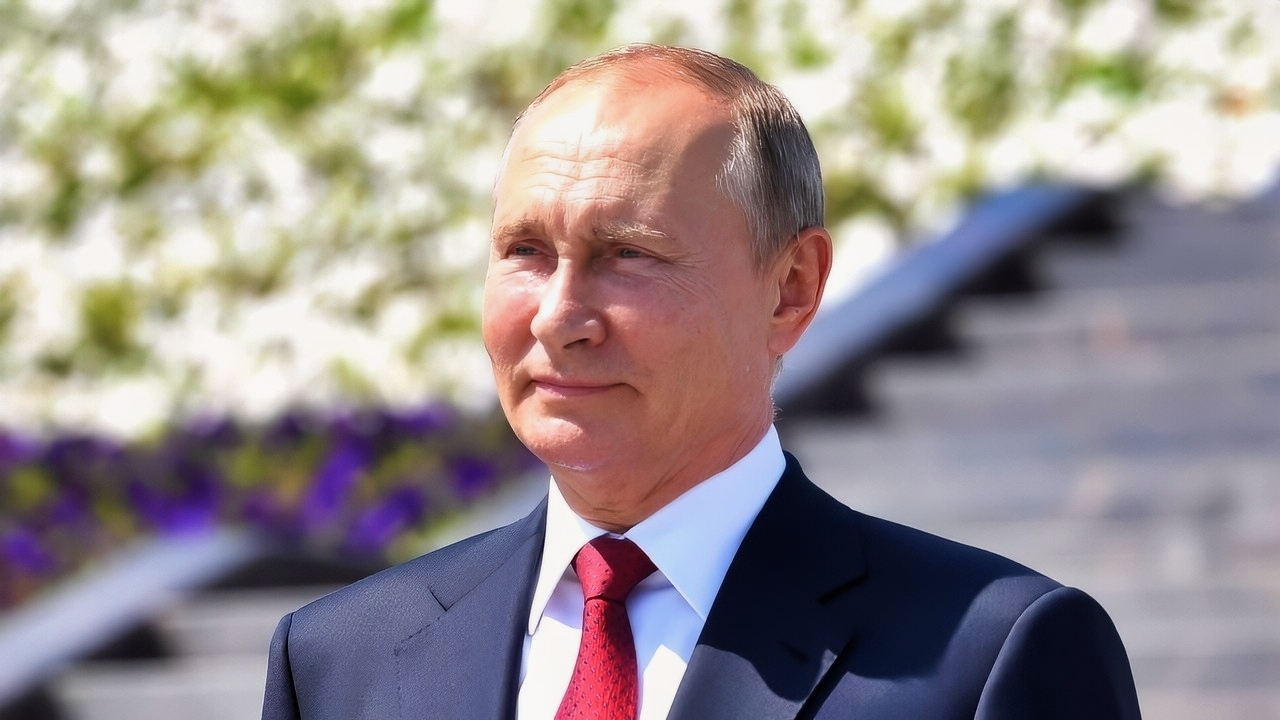
Putin at Award Ceremony Creative Commons Image
Previously, Russian Foreign Minister Sergei Lavrov advised foreign diplomats in Kyiv to leave the country due to prolonged attacks against Ukraine’s capital city.
Since October, Moscow’s attacks against Ukrainian infrastructure have only increased.
According to Reuters, the Russians have ramped up their attacks on energy infrastructure in Ukraine’s western regions, which are usually attacked less frequently due to their greater distance from the front lines.
From October 31 to November 1, Russia launched a massive drone attack, utilizing more than 1,400 strike UAVs to hit energy targets across the country.
Since then, drone and missile attacks have occurred every day, targeting power plants, substations, and energy distribution centers.
How Ukraine Survives Despite the Bombardments
Russia’s constant attacks have strained Ukraine’s energy grid. According to Forbes, Ukraine’s energy-generating capacity was 38 gigawatts.
In January 2026, that number fell to 11 gigawatts of available generating capacity, while demand typically runs around 18 gigawatts.
To address these challenges, Ukrenergo, Ukraine’s national power grid operator, has implemented nationwide scheduled blackouts.
Previously, the IEA noted that Ukrainian engineers and repair crews have typically repaired the country’s energy infrastructure soon after Russia attacks it.
Most of the country’s energy infrastructure was built during the Soviet era and was designed to withstand potential attacks.
Ukrainians have also used decentralized power supplies, such as gas-fired and cogeneration units, renewables, battery storage, and other local energy solutions.
Europe has also previously aided Ukraine by exporting energy from its own grid and donating power generators and other energy equipment.
While Ukraine has survived previous winters, some organizations fear that this winter may be the worst yet as Russian attacks intensify.
According to the U.S. Helsinki Commission, many of Ukraine’s energy sites, even smaller facilities, electricity lines, and transformers are all at risk.
After four years of constant attacks, the country’s major power plants are reaching their breaking point as repair and maintenance costs mount every year.
The commission also notes that Russia has deployed new strike munitions, notably the Geran-4/Geran-5 rocket-powered drones, along with the S8000 Banderol cruise missile.
These budget munitions have saturated Ukraine’s air defenses and allowed Russia to strike its energy facilities without using its costly strategic aviation.
A Long Winter Ahead
To make matters worse, Russia is ramping up its attacks at a time when Ukraine’s air defenses are heavily strained. Since the summer, Ukraine has faced shortages of PAC-3 ballistic missile interceptors for the Patriot air defense system.
President Zelenskyy has been urging the U.S. and its allies to provide more interceptor missiles to Kyiv to bolster its air defenses. President Trump reportedly approved the sale of 500 interceptors to Ukraine.
However, the deal comes with an important caveat, as the missiles are not expected to be delivered until 2030. Meanwhile, Ukraine has been investing in its Freija program, which aims to develop a domestic ballistic missile program with help from multiple European partners.
The program is expected to perform its first interception by the summer of 2027.
With winter on the horizon and energy infrastructure across Ukraine suffering from constant attacks, millions of Ukrainians are preparing for a cold winter.
While the government has spent all year preparing for the cold season, intensified Russian attacks could thwart Kyiv’s preparations.
Humanitarian organizations are also preparing for winter, stocking up on equipment and funds to help Ukraine’s civilian population, which will likely be forced to live without electricity.
About the Author: Isaac Seitz
Isaac Seitz, a Defense Columnist, graduated from Patrick Henry College’s Strategic Intelligence and National Security program. He has also studied Russian at Middlebury Language Schools and has worked as an intelligence Analyst in the private sector.


