

Rubio Says the Iran Conflict Is Unpopular but Necessary: Necessary wars are rarely popular ones. Secretary of State Marco Rubio made that case on Sunday, and he didn’t sugarcoat it. Speaking to reporters in Florida before heading to the G7 foreign ministers’ meeting in Paris, Rubio said President Trump had recognized a real threat in Tehran’s nuclear program and acted to stop it.
As Al Jazeera reported, he went a step further, conceding that confronting threats to the nation’s security “isn’t necessarily popular, but necessary.”
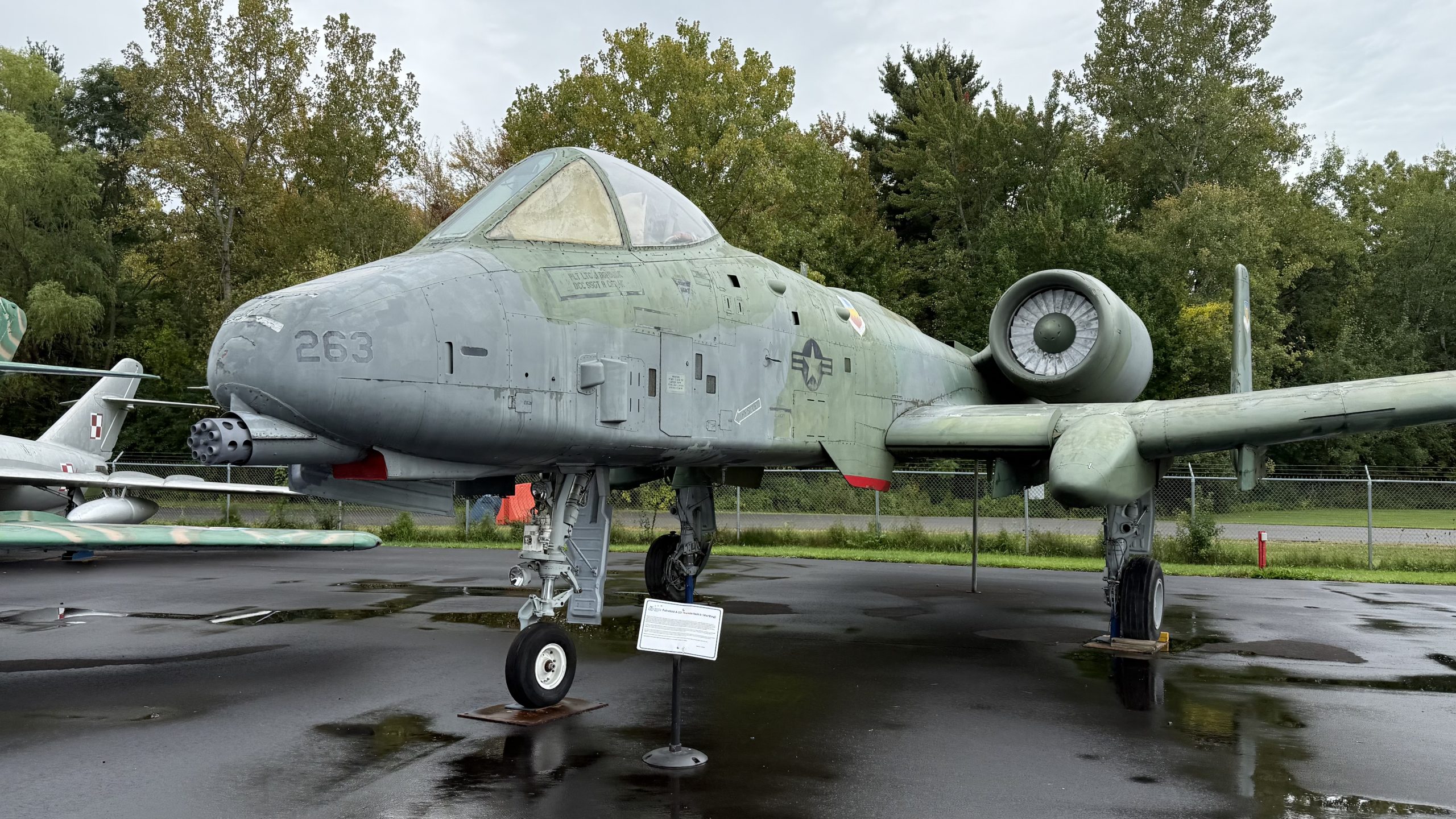
A-10 Warthog. National Security Journal Photo Taken on 9/26/2026.
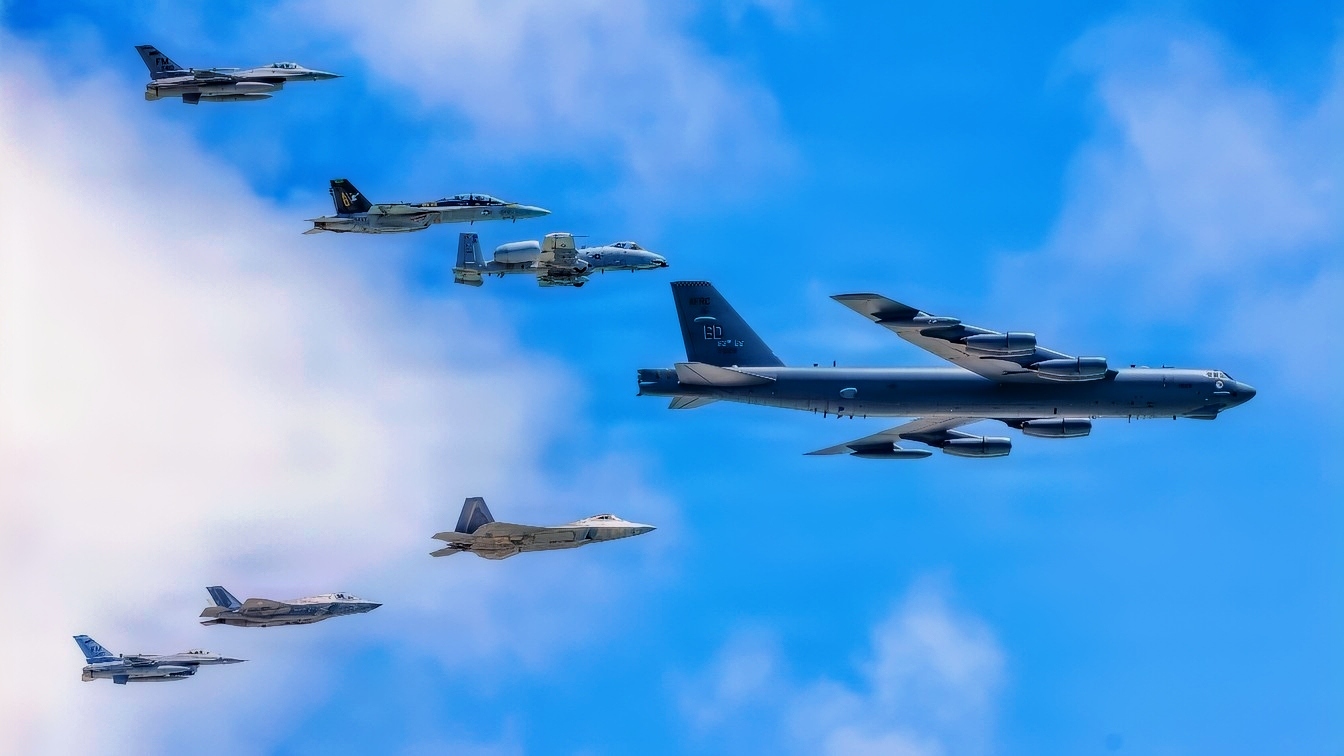
A B-52 Stratofortress leads a formation of a B-1 Lancer, A-10 Warthog, F-16 Fighting Falcon, F-18 Hornet, F-22 Raptor and F-35 Lightning, assigned to Air Combat Command and Global Strike Command, during the Hyundai Air and Sea show at Miami, Florida, May 23, 2026. Each aircraft played a unique role in demonstrating the comprehensive reach of the U.S. Air Force, from legacy bombers to cutting-edge fifth-generation fighters. Known as the Arsenal of Freedom Formation, the event underscored the Air Force’s capability to project force anywhere, anytime, as a key component of national defense. (U.S. Air Force photo by Staff Sgt. Lauren Diaz)
That’s about as candid as a sitting secretary of state gets one week after his party lost both chambers of Congress. Say what you will about the conflict. At least Rubio isn’t pretending the voters loved it.
The Political Bill Came Due At The Midterms
Rubio’s remarks aren’t accidental. Last Wednesday, Vice President JD Vance posted a lengthy statement on X that laid the midterm rout squarely at the war’s feet.
Vance wrote that the reason the GOP lost “is the war.” He then listed four things the party had to do to win those voters back, starting with ending the fighting in Iran and getting serious about inflation.
That’s an unusual move for a vice president. However, it didn’t come out of nowhere. Vance has long been skeptical of Middle East interventions, and the Daily Signal noted that he was part of the delegation that tried to lay the foundation for a peace deal before Tehran refused to give up its nuclear ambitions.
President Trump, for his part, agreed with most of Vance’s read. He acknowledged the war drove gasoline prices up in the short term and that it cost Republicans at the polls. However, he also said he has no regrets about launching it and called it one of his administration’s best decisions.
The Nuclear Angle Is Real
Rubio’s argument on the nuclear question is legitimate. According to International Atomic Energy Agency figures cited by the Associated Press, Iran is sitting on 440.9 kilograms (972 pounds) of uranium enriched to 60 percent purity.
Weapons-grade material sits at roughly 90 percent, and the jump from 60 to 90 percent enrichment is a short technical step. The hard part of the enrichment work is already behind them.
Tehran has always insisted its program is peaceful. However, you don’t need 60 percent enriched uranium to run a power plant. Commercial reactors run on fuel enriched to roughly 3 to 5 percent. For those keeping score at home, that’s a stockpile with no civilian explanation.
Rubio drew this line months ago. In a March interview with Al Jazeera’s Hashem Ahelbarra, he said Iran could pursue civilian nuclear energy, just not in a form that would let it sprint toward a bomb. That position hasn’t moved.
It Takes Two To Tango: Diplomacy Is Stuck in Neutral
So why hasn’t the conflict ended? Because the two sides aren’t close. Rubio said Sunday he wouldn’t describe the talks as close to a breakthrough, and he dismissed Iran’s demands as unrealistic and, in some cases, absurd.
Those demands aren’t small. Tehran wants Washington to end the blockade of its ports, lift sanctions, unfreeze its assets, pay compensation for war damage, and halt hostilities across the region, including Israeli operations in Lebanon.
All of that has to be settled before Iran will seriously discuss its nuclear program. Qatar is carrying proposals back and forth, and Trump is set to meet Qatar’s prime minister at the White House today.
Iranian Foreign Minister Abbas Araghchi tossed the ball back into Washington’s court on Sunday, saying the White House needs to make its own decision.
Meanwhile, the Strait of Hormuz remains a mess. Iran’s Revolutionary Guards claimed in recent days that several tankers caught fire after striking naval mines on what Tehran calls unauthorized routes. Reuters couldn’t independently verify those claims. However, the message to shipping companies was clear enough.
The Trade-Off Between Unpopular And Necessary
U.S. policymakers have made a habit of starting things the American public eventually loses patience with. Iraq and Afghanistan both opened with strong public support and closed with very little. This latest fiasco has burned through that patience in under nine months.
That matters. A war can be necessary on paper and still need public support to sustain it, and the public just spoke up. Democrats will control both chambers come January, and with them, the purse strings.
Rubio is right, however, that popularity isn’t the test of whether a policy is sound. A nuclear-armed Iran would change the security situation for every country in the Gulf and for every American installation in the region.
That threat is real, and anyone who has spent time in that part of the world knows it.
However, Vance is also right that the bill is real, and Americans are paying it at the pump. Trump told CNN that if Tehran signs a strong agreement, the U.S. is unlikely to need to resume strikes. That’s the off-ramp.
The question is whether Iran takes it before Washington runs out of political room to keep the pressure on. And that is doubtful.
They are making maximalist demands; Rubio’s description is apt. They distrust the Trump administration; the hardliners inside the government, who hold the real power, have no interest in making concessions, and they see the US midterms as a sign that Trump, not them, will be forced to make a deal before January.
About the Author: Steve Balestrieri
Steve Balestrieri is a National Security Columnist. He served as a US Army Special Forces NCO and Warrant Officer. In addition to writing on defense, he covers the NFL for PatsFans.com and is a member of the Pro Football Writers of America (PFWA). His work was regularly featured in many military publications.


