

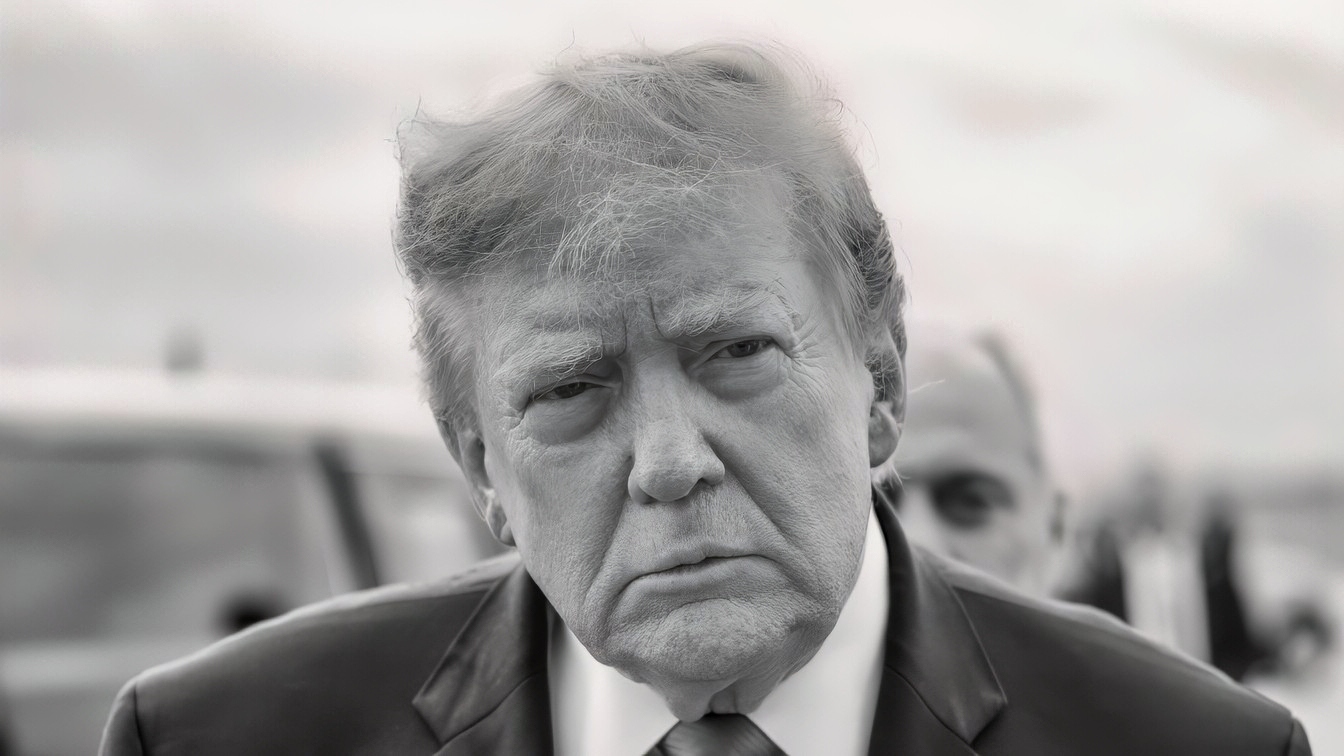
Trump backing off on deportations?: President Donald Trump has sent some mixed signals since the Republicans’ midterm election wipeout six days ago. On the one hand, he announced that Stephen Miller, his longtime aide and a well-known immigration hardliner, has been promoted to White House chief of staff.
On the other hand, the president said in a nationally televised interview this week that his signature deportation policy—one closely associated with Miller—had gone too far. He even suggested he could reach a deal with the incoming Democratic majority in Congress for a more moderate immigration policy.
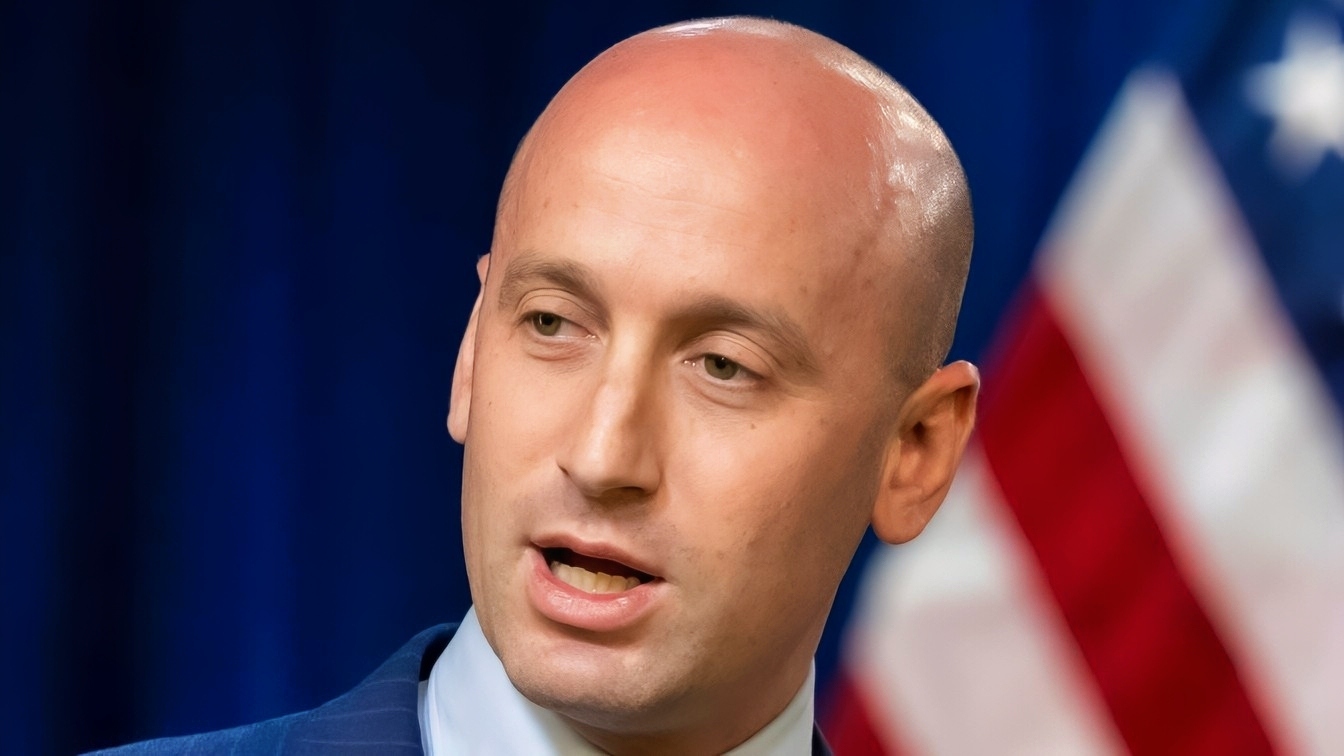
White House Deputy Chief of Staff Stephen Miller speaks to U.S. Immigration and Customs Enforcement (ICE) Special Agents in Charge and Field Operations Directors from around the country at ICE Headquarters in Washington, D.C., May 20, 2025. (DHS photo by Tia Dufour)
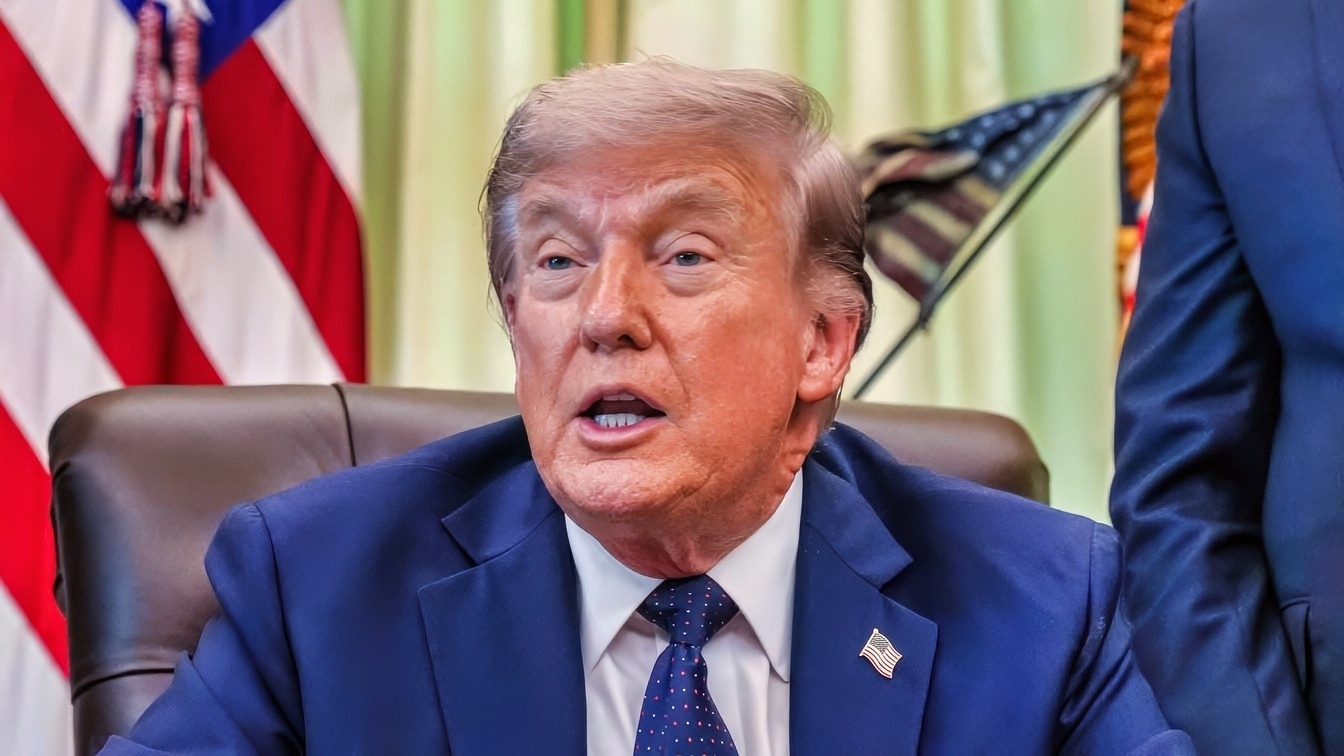
Secretary Marco Rubio attends working-level peace talks with Israel and Lebanon at the White House in Washington, D.C., April 23, 2026. (Official State Department photo by Freddie Everett)
As The Guardian reported, the comments came from Trump’s 60 Minutes interview with Ross Douthat, recorded Friday and aired Sunday night.
What the Policy Was
Trump, at the start of his second term, set a goal of removing large numbers of undocumented immigrants, even launching Operation Metro Surge in Minneapolis to accomplish that goal in that city. However, that policy and others like it led to lots of instances of people who had not committed or been accused of crimes being detained or deported.
Trump praised his own administration for establishing border security and claimed voters gave him “an A+” on that topic.
Analysis like that has been common in anti-Trump circles over the last two years, but in the 60 Minutes interview, the president agreed.
“I get hurt because we also took people that had good jobs, that created one violation, or breaking of the law, and that was that they came into the country illegally,” Trump told Douthat in the interview. He went on to cite “a large part of the country” who thinks that if immigrants work a good job, such as “working in a landscaping company, or working in a hotel,” and pay taxes, they should be allowed to stay.
Could this lead to a bipartisan immigration grand bargain with the Democrats who will control both houses of Congress next year? That sounds more possible than ever.
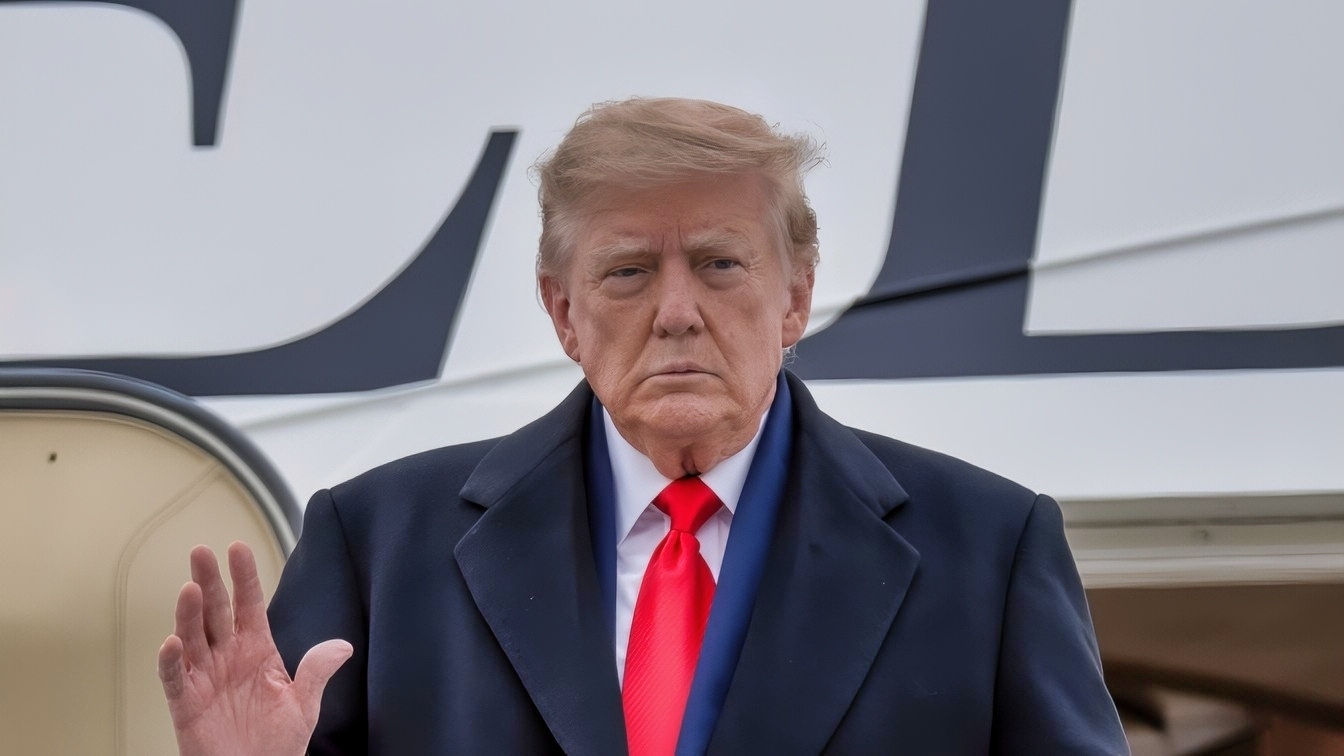
Donald Trump Getting Off Air Force One. Creative Commons Image.
In fact, when Douthat asked him what he might want to work with the Democrats on in 2027, immigration was his first answer.
“I’d love to do something on immigration,” Trump said, surprising his interviewer.
Trump wasn’t very specific about what such a “deal” would entail, except to say that the policy would continue to get “the killers” and other dangerous people out, but would not do so for his proverbial landscapers and hotel workers.
“The deal would be we would work something out,” Trump told Douthat. “And I think it’s something– I think that’s something that’s actually doable.”
A History of Trump and Immigration
What Trump is suggesting is along the lines of what immigration policy looked like when Barack Obama was president, when undocumented immigrants convicted of crimes were regularly deported, while those undocumented but without a criminal record were much less likely to face deportation. And Trump’s initial political rise came about during that same period, when he famously slammed “rapists” coming from Mexico in his announcement speech, and later threatened to ban Muslims from entering the country.
Trump also won his first Republican nomination contest in 2016, by going much more hardline on immigration than his Republican opponents did, especially considering many Republicans at the time were pushing for a bipartisan immigration grand bargain after that was recommended by a GOP post-election “autopsy” after their 2012 election loss.
However, it soon became clear that the Republican base was much more aligned with Trump on the issue, and that was a huge part of his rise. So being an immigration hardliner – especially with the notorious family separation policy, of which Miller was the architect — was a major part of Trump’s political identity in his first term, and again when he ran to return to the White House in 2024.
So if Trump goes back on that, and pursues the sort of policies that Republican politicians advocated prior to his rise, it might happen over Stephen Miller’s dead body, and over the bodies of many of the president’s biggest fans.
But of course, Trump is now a lame duck, with no more elections left to run in or win, so that could give him more political cover than before.
About the Author: Stephen Silver
Stephen Silver is an award-winning journalist, essayist, and film critic, and contributor to the Philadelphia Inquirer, the Jewish Telegraphic Agency, Broad Street Review, and Splice Today. The co-founder of the Philadelphia Film Critics Circle, Stephen lives in suburban Philadelphia with his wife and two sons. For over a decade, Stephen has written thousands of articles on politics, national security, technology, and the economy. Follow him on X (formerly Twitter) at @StephenSilver, and subscribe to his Substack newsletter.


