

Ukraine’s Special Operations Forces (SSO) confirmed they conducted an eight-hour drone attack on Russia’s largest oil refinery in the Siberian city of Omsk, more than 1,550 miles away from the Ukrainian border.
Residents reported explosions, power cuts and fires at the Gazprom Neft refinery. Russian officials confirmed a drone attack, but not whether or not the refinery was struck.
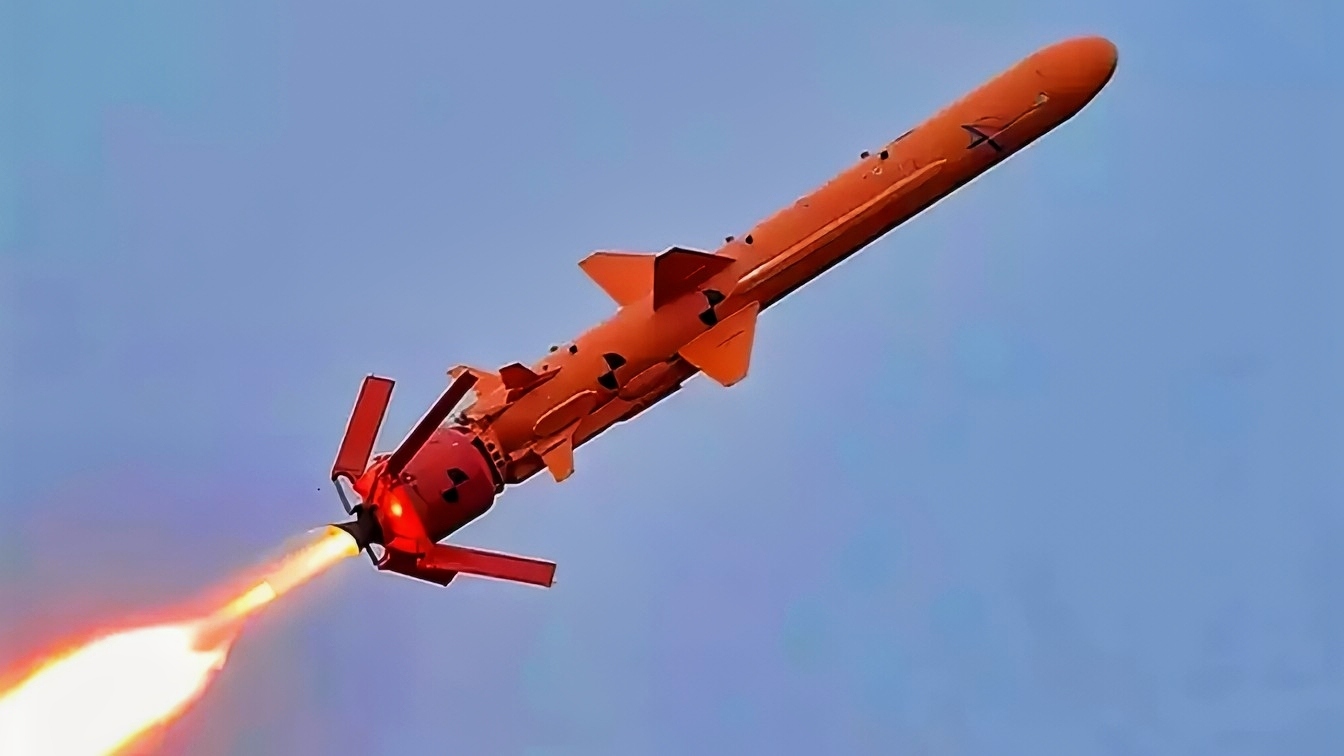
Ukraine Cruise Missile Ministry of Defense Photo
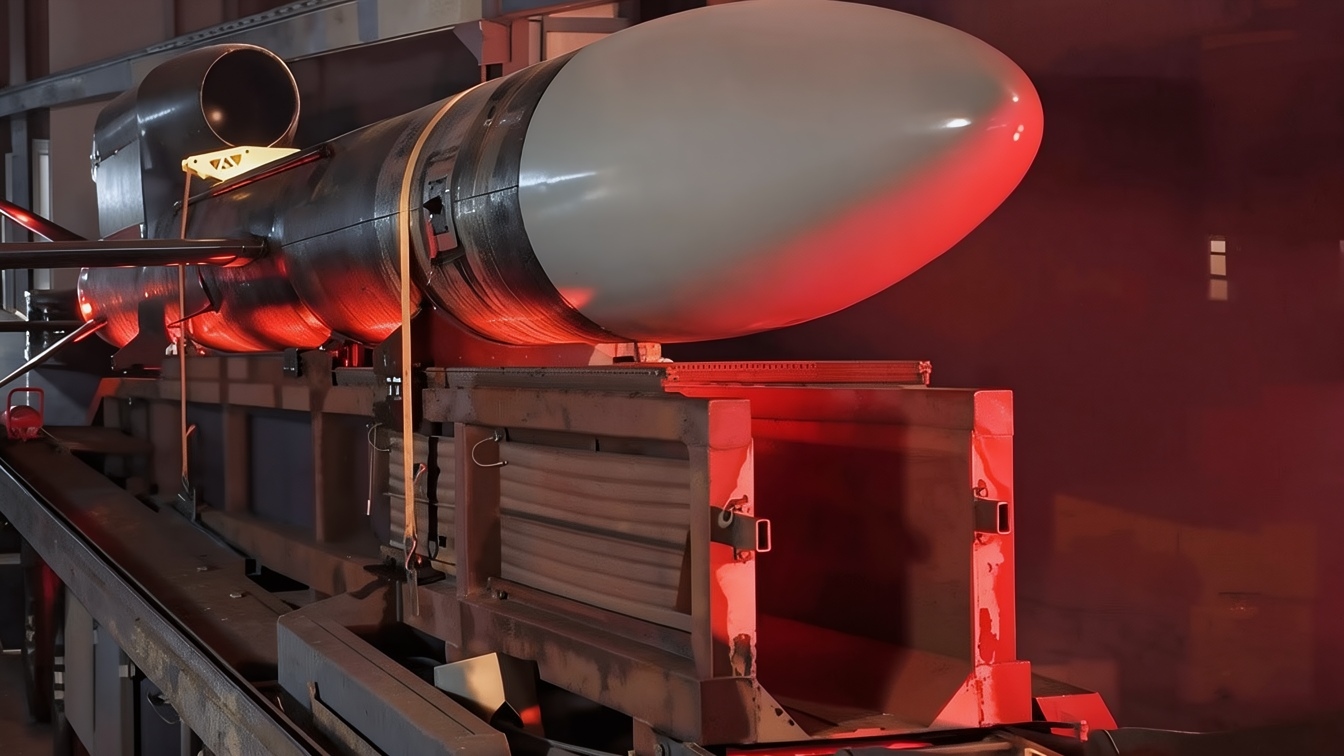
Ukraine Cruise Missile 2026. Image Credit: Creative Commons.
Ukraine’s SSO said the attack was the farthest-reaching drone strike conducted by Ukraine on an oil refinery in Russia, with their drones flying around 1,864 miles to strike the facility.
Drone Alert Sounds for Eight Hours
“Russian Defense Ministry air defense forces are repelling an attack by Ukrainian UAVs on the Omsk region,” the governor wrote on Telegram.
The drone alert began at around 3:40 p.m. local time and lifted at 11:46 p.m.
Flights at Omsk airport were paused temporarily, and mobile phone networks and internet were restricted.
Governor Khotsenko warned locals not to go outside or take pictures of the air defense systems, as emergency crews worked to clear drone wreckage.
Ukrainian monitoring channel Exilenova+ reported explosions and fires at the oil facility.
“Drone activity continues to be observed in the sky over Omsk,” the channel said, adding: “The first explosion was recorded around 1:30 p.m. Kyiv time.”
A video reviewed by independent news outlet Astra shows flames near the facility.
Residents reported power cuts in the Neftyaniki and Amur districts.
Despite confirmation that the attack took place, there has been no confirmation of any damage to the specific oil refining units. The level of damage caused to Omsk remained unclear on Thursday.
Omsk’s 21 Million Capacity
Omsk has Russia’s largest oil refinery, capable of processing more than 21 million metric tons of crude oil each year.
It produces gasoline, diesel, aviation fuel, lubricants, and petrochemicals. It accounts for approximately one-sixth of Russia’s gasoline and diesel production.
Ukraine’s General Staff has previously said the refinery produces a wide range of fuels and petroleum products, including those used by the Russian military.
In 2025, the refinery processed around 23 million metric tons of crude oil, according to Reuters.
Past Attacks
This isn’t the first time the refinery has seen action, having previously been attacked by the Ukrainian military on July 6, causing damage to a main unit for crude oil processing, along with a fire.
President Volodymyr Zelenskyy called the attack “an important achievement for the Armed Forces of Ukraine.”
“Siberia, too, is now within reach of Ukrainian precision strikes,” he added.
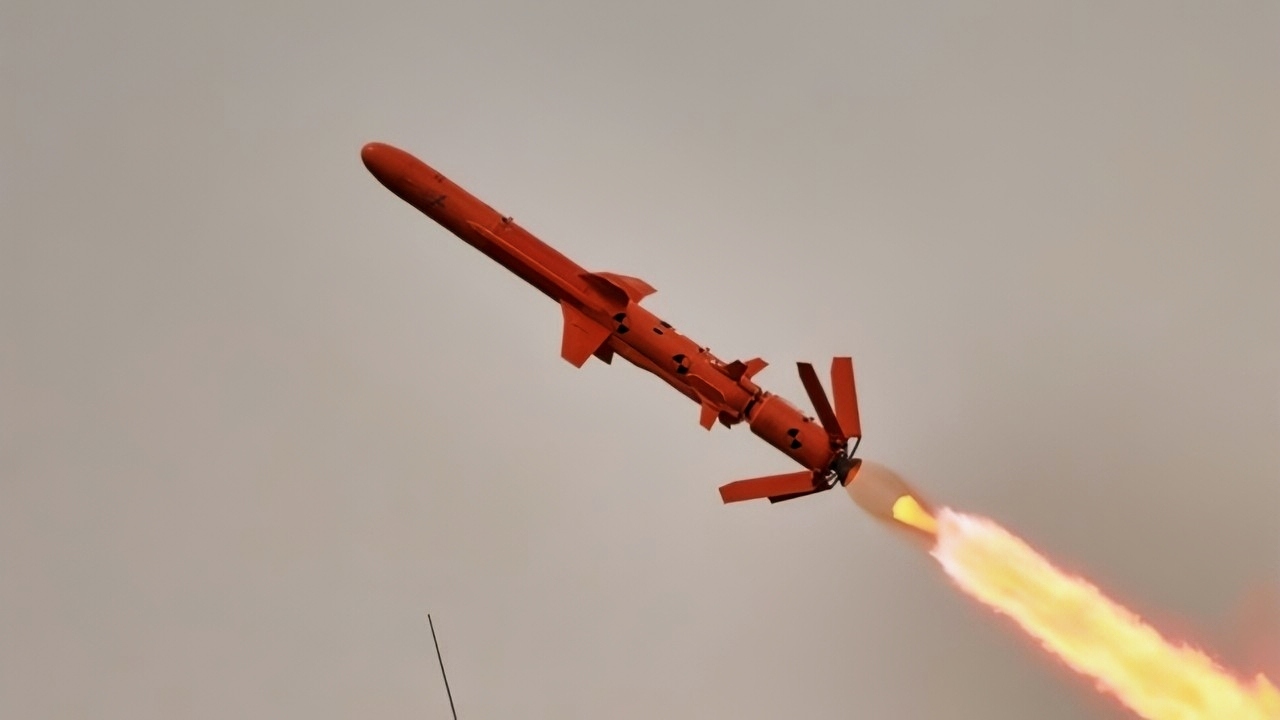
The attack was conducted using upgraded FP-1 drones from Ukraine’s Fire Point. The refinery was targeted on October 8, and a fire was reported at the site.
Energy Sector Attacked
On November 10, two industry sources told Reuters that Ukrainian attacks had hit refineries representing around 30 percent of Russia’s total processing capacity.
Nine of Russia’s 35 large oil refineries had been disrupted or had incidents in the past week.
This does not mean 30 percent of Russia’s processing has been impacted, but the two sources said the actual amount of crude being processed may be down as much as 200,000 metric tons a day.
Russia’s Foreign Minister Sergei Lavrov accused Ukraine of ignoring pleas by President Donald Trump to stop attacking energy facilities.
Zelenskyy said Russia had “refused the de-escalation steps that our partners talked about.”
Peace Deal Still Not on the Cards
The attack on Omsk follows an attack on Russia’s Baltic port of Ust-Luga.
Ukraine’s General Staff claimed the operation damaged five oil tanks, processing and pumping facilities, noting that “Each damaged tank, installation or pier reduces oil revenues to the budget of the aggressor country.”
Talks brokered by the U.S. in Abu Dhabi ended on Wednesday with no peace deal. However, negotiators reached an agreement in principle on a large-scale prisoner swap.
“Some openings and some opportunities,” US envoy Jared Kushner said.
However, Rustem Umerov, a Ukrainian negotiator, said that “significant differences remain.”
While Ukraine has previously signaled a willingness to drop its bid for NATO membership, it refuses to budge on countless other demands.
For example, Russia continues to demand that Kyiv cede swathes of territory in eastern Ukraine.
Not only does Moscow demand occupied territory, but also many miles of land it has failed to occupy since its 2022 full-scale invasion began.
Namely, the populated and industrial so-called “fortress belt” region of the Donetsk Oblast, which is essential to Ukraine’s military strategy.
About the Author: Georgia Gilholy
Georgia Gilholy is a journalist based in the United Kingdom who has been published in Newsweek, The Times of Israel, and the Spectator. Gilholy writes about international politics, culture, and education.


