

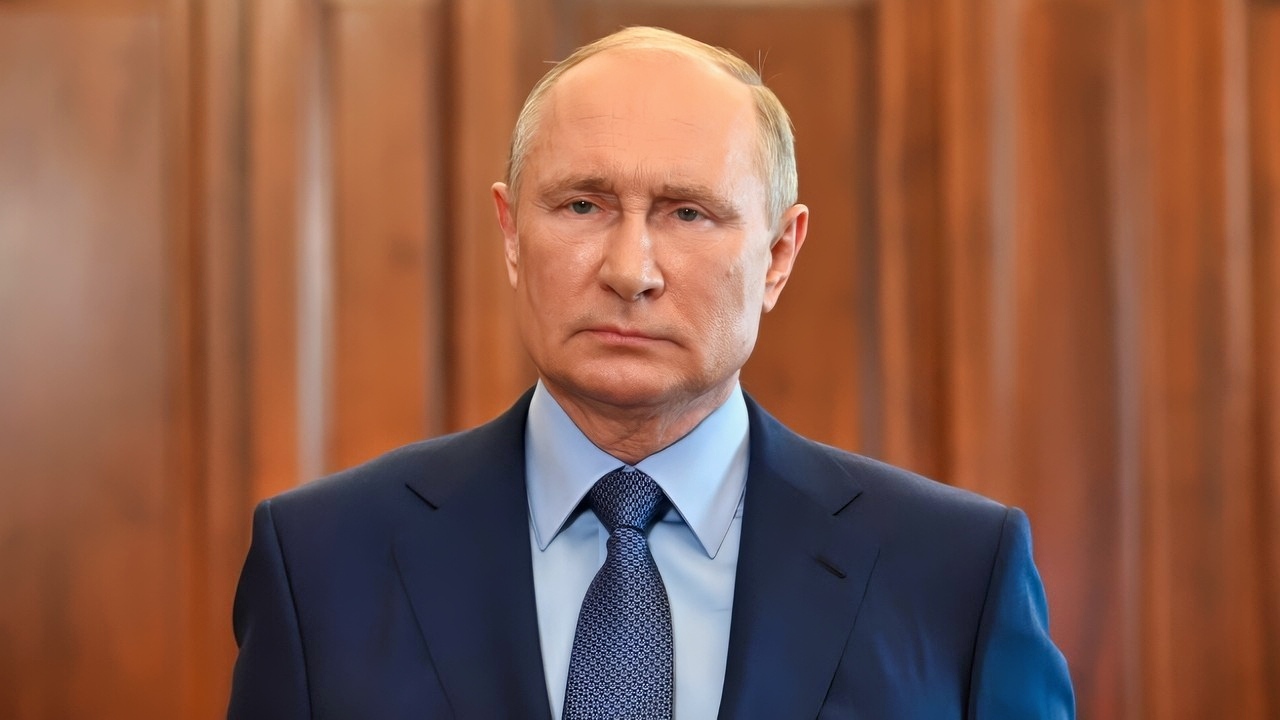
Moscow didn’t even wait for its delegation to get home. Hours after the second day of U.S.-brokered peace talks wrapped up in Abu Dhabi, Russia launched ballistic missiles at Kyiv overnight on Nov. 12. According to the Kyiv Independent, its journalists on the ground reported explosions rocking the capital at around 1 a.m., only a few minutes after Ukraine’s Air Force warned that ballistic missiles were inbound. Less than 30 minutes later, a second series of loud blasts rolled across the northwest part of the city.
The Kyiv City Military Administration reported the following morning that the combined drone and missile attack killed one person and wounded seven others in the capital.
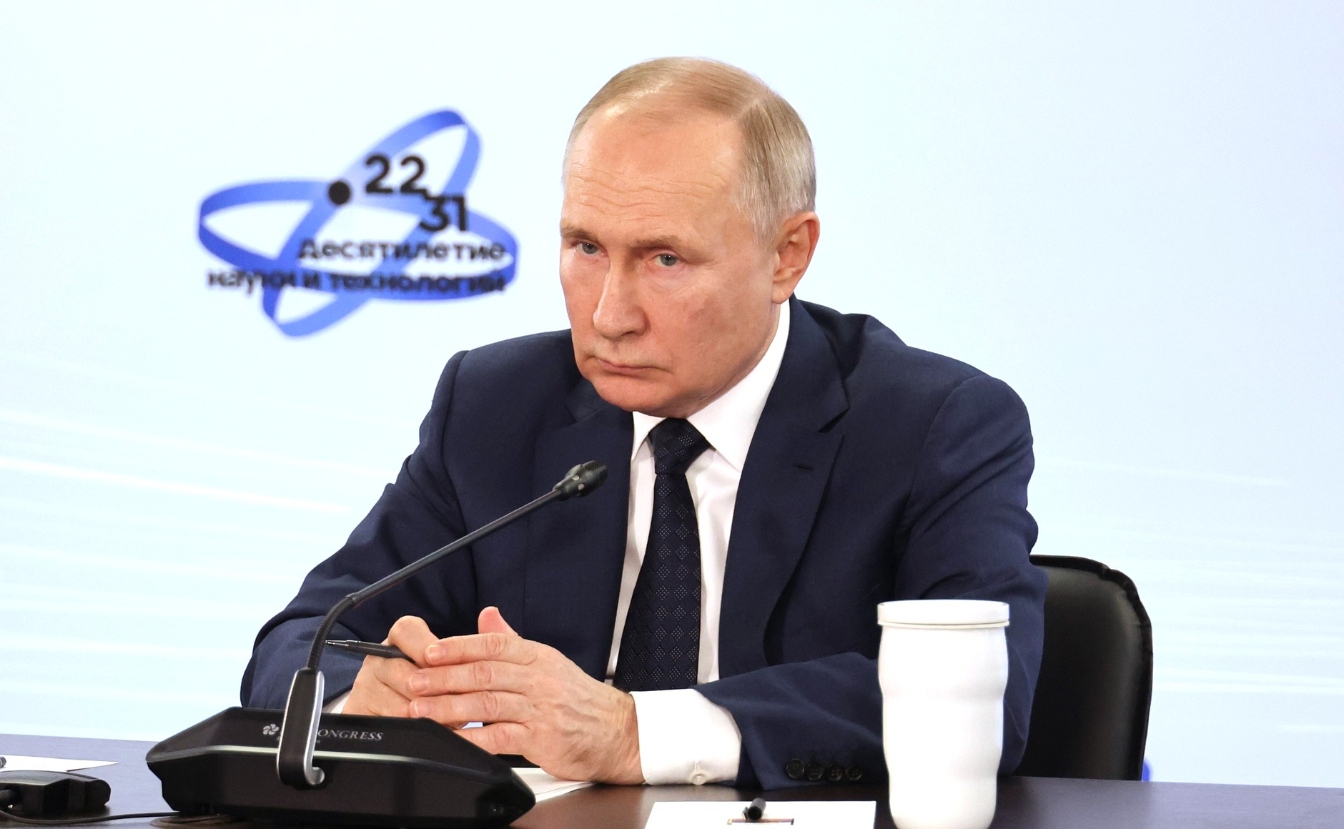
Putin at November 2023 Science Fair Russian Government Photo
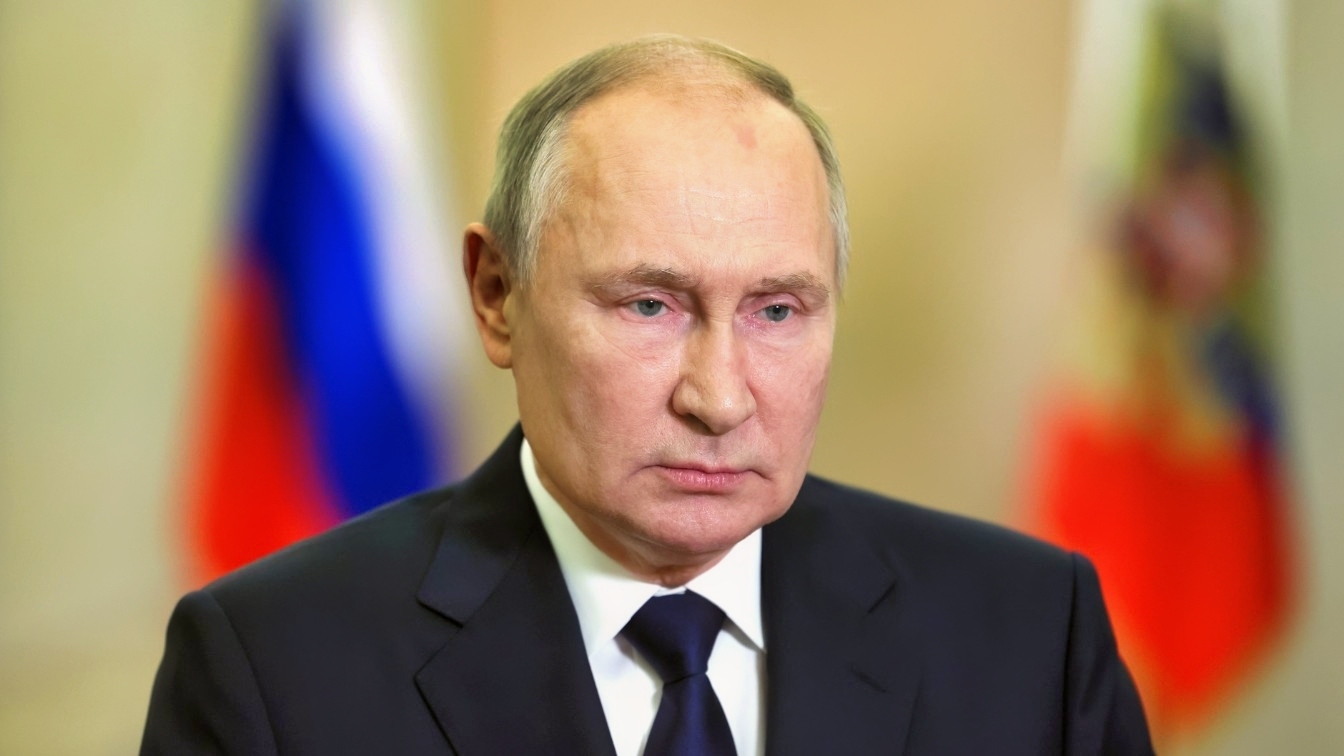
Russian President Putin in 2024 Russian Federation Photo
Nationwide, Russian strikes killed 10 people and injured 40 across Ukraine over the previous 24 hours, hitting power grids, warehouses, and farm facilities from Kharkiv to Zhytomyr.
That’s the Kremlin’s response to a negotiating table. Delivered by Iskander.
Abu Dhabi Produced A Prisoner Swap And Little Else
The Abu Dhabi round was the first trilateral meeting between Ukraine, Russia, and the U.S. since February. U.S. envoys Steve Witkoff and Jared Kushner led the American side, while European national security advisors and NATO and EU officials held separate sessions with the U.S. and Ukrainian delegations.
The headline result was an agreement on a large-scale prisoner exchange. That matters to the family of every Ukrainian POW sitting in a Russian camp tonight.
However, Rustem Umerov, who led Ukraine’s delegation, conceded that significant differences remain between the two sides and that a great deal of hard work still lies ahead.
That’s diplomat-speak for nothing moved on the issues that matter.
Russia’s chief negotiator, Vladimir Medinsky, told Interfax that “every inch of our land will be returned to Russia, one way or another.”
Ukrainian lawmaker David Arakhamia said the Russian team arrived with strict directives from Moscow.
The Kremlin still demands that Ukraine withdraw from the parts of Donbas it holds, accept a ban on NATO membership, and cap the size of its military.
Kyiv has rejected territorial concessions and keeps pushing for an unconditional ceasefire, something Putin keeps swatting away.
Witkoff and Kushner then flew to Moscow to meet Putin, with Kushner saying one goal of the trip was to win the Russian leader’s blessing to bring European representatives into the talks.
They’re due to brief President Volodymyr Zelensky in Dublin afterward.
So, for those keeping score at home, American envoys were in the air headed to Moscow while Russian missiles were in the air headed to Kyiv.
The Timing Is The Message
In my opinion, anyone calling this a coincidence hasn’t been paying attention.
Russia bracketed these talks on both ends.
Overnight on Nov. 6-7, three days before the delegations sat down, Russian ballistic missiles hit Kyiv, injuring at least two people and damaging apartment buildings and a kindergarten in the Solomianskyi district.
Zelensky said at the time that Russia was getting ready for the talks by firing ballistic missiles at Ukraine’s critical infrastructure.
Missiles before the talks. Missiles after them.
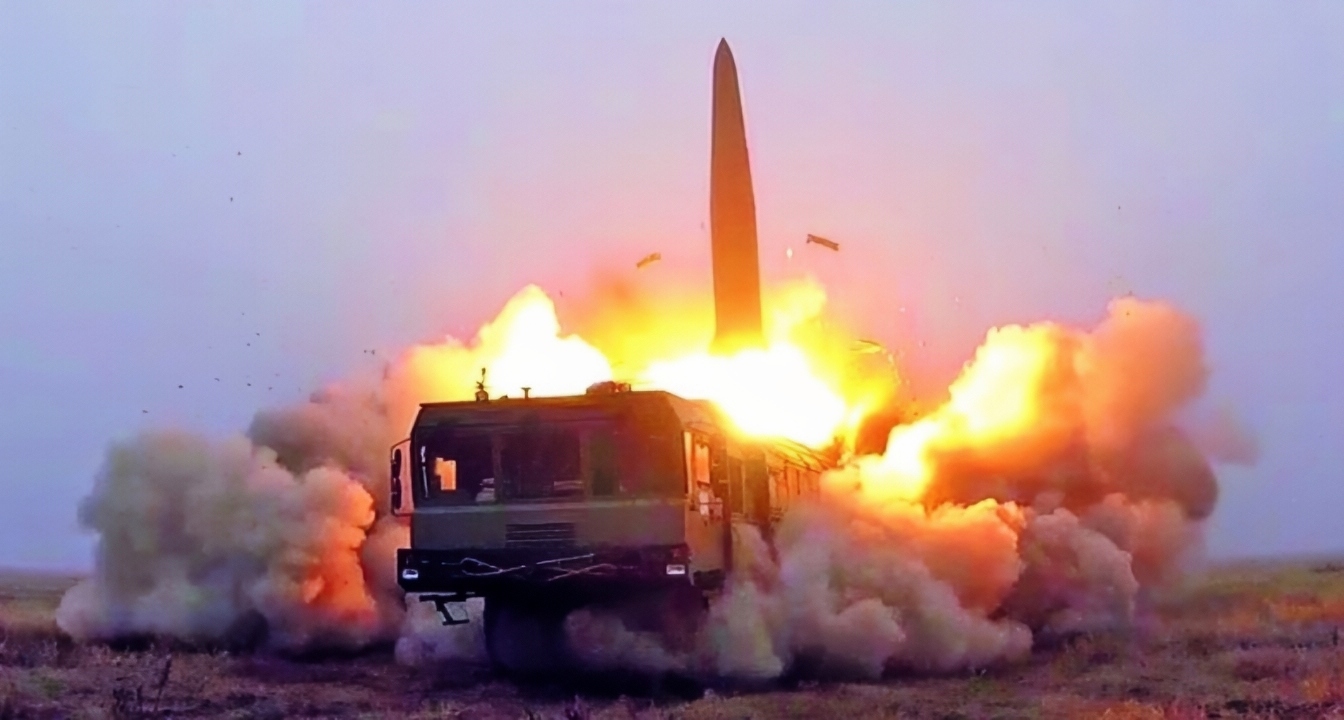
Iskander Missile Attack Creative Commons Image
An adversary’s actions tell you more than his words ever will. Putin’s actions here are easy to read.
He wants Washington to see a Russia negotiating from strength, and he wants Kyiv to understand that sitting down at the table buys it no relief.
The Russian Ministry of Defense claimed its strikes hit a missile factory in Kyiv, a drone assembly workshop, and a rocket fuel plant in the surrounding region.
None of that has been independently verified. The person killed in Kyiv was a civilian.
The Weapons Mix Tells You Plenty
Ukraine’s Air Force said Russia launched Iskander-M missiles, North Korean KN-23s, and S-400 missiles used in a ground-attack role, plus Zircon anti-ship missiles, Gerbera decoys, Banderol/Dan-T munitions, and 123 long-range attack drones, 73 of them jet-powered.
By 8 a.m., air defenses had downed 89 drones, including 51 of the jet-powered variety, along with five Banderol/Dan-T.
Notice what isn’t on that interception list—ballistic missiles.
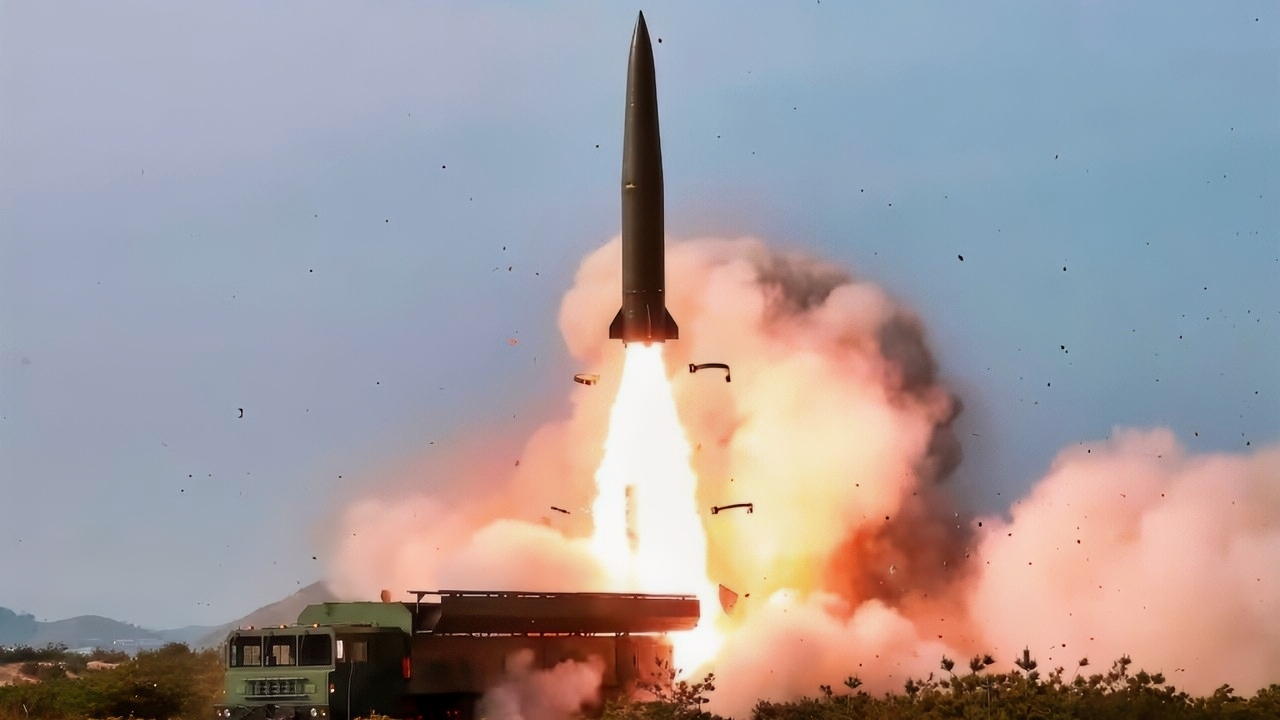
North Korea Missile Test Creative Commons Image
The Iskander-M is a road-mobile, solid-fueled short-range ballistic missile with a range of roughly 500 km. Fired from launch areas a couple hundred kilometers from Kyiv, it leaves civil defense with only minutes of warning, which is exactly what happened overnight.
It’s also designed to maneuver hard in its terminal phase, pulling more than 30 g’s, and carries decoys meant to spoof interceptors.
Only a handful of systems in Ukraine’s inventory, chiefly the Patriot, can reliably engage it. Those interceptors are always in short supply.
The jet-powered drones are the other half of the problem.
Well over half of the 123 drones fired overnight were faster jet variants, making life much harder for the mobile fire teams with heavy machine guns that have done yeoman’s work against slower Shaheds.
Russia’s doctrine is pairing hard-to-stop ballistic missiles with faster drones to saturate Ukrainian air defenses.
Winter Is The Real Target
Russia has hammered Ukraine’s energy and transportation infrastructure since the heating season started, and Nov. 12 was no exception.
More than 160 settlements in Rivne Oblast were left without power, and strikes knocked out electricity in parts of Khmelnytskyi Oblast.
The Kyiv Independent summed up the strategy in a single headline: winter is Russia’s weapon.
Ukraine isn’t sitting still. Hours before the Kyiv strike, Ukrainian drones hit the Omsk oil refinery, Russia’s largest, roughly 2,500 km from Ukraine.
However, trading refinery strikes for power plant strikes doesn’t get anyone closer to a ceasefire.
It just raises the price of winter on both sides of the line.
Where This Leaves The Peace Process
Say what you will about the Trump administration’s approach to these negotiations. President Trump told CBS’s 60 Minutes he believes the war will end soon, and that Ukraine may look different on the map when it does.
Secretary of State Marco Rubio has said any security guarantees for Ukraine must also be acceptable to Moscow.
He said, “It has to be something that Russia agrees to as well for it to work.”
The point is that Russia keeps telling us exactly how it views these talks, and it isn’t using words to do it. A prisoner swap is a humanitarian gesture. A salvo of Iskanders aimed at a capital city hours after the handshakes is a policy statement.
Moscow didn’t wait for its delegation to get home. It rarely does. And what Moscow is showing, through its actions, is that the only acceptable security guarantee it will accept in Ukraine is for them to capitulate to all of their demands. And Washington is trying to force that on Kyiv.
About the Author: Steve Balestrieri
Steve Balestrieri is a National Security Columnist. He served as a US Army Special Forces NCO and Warrant Officer. In addition to writing on defense, he covers the NFL for PatsFans.com and is a member of the Pro Football Writers of America (PFWA). His work was regularly featured in many military publications.


