

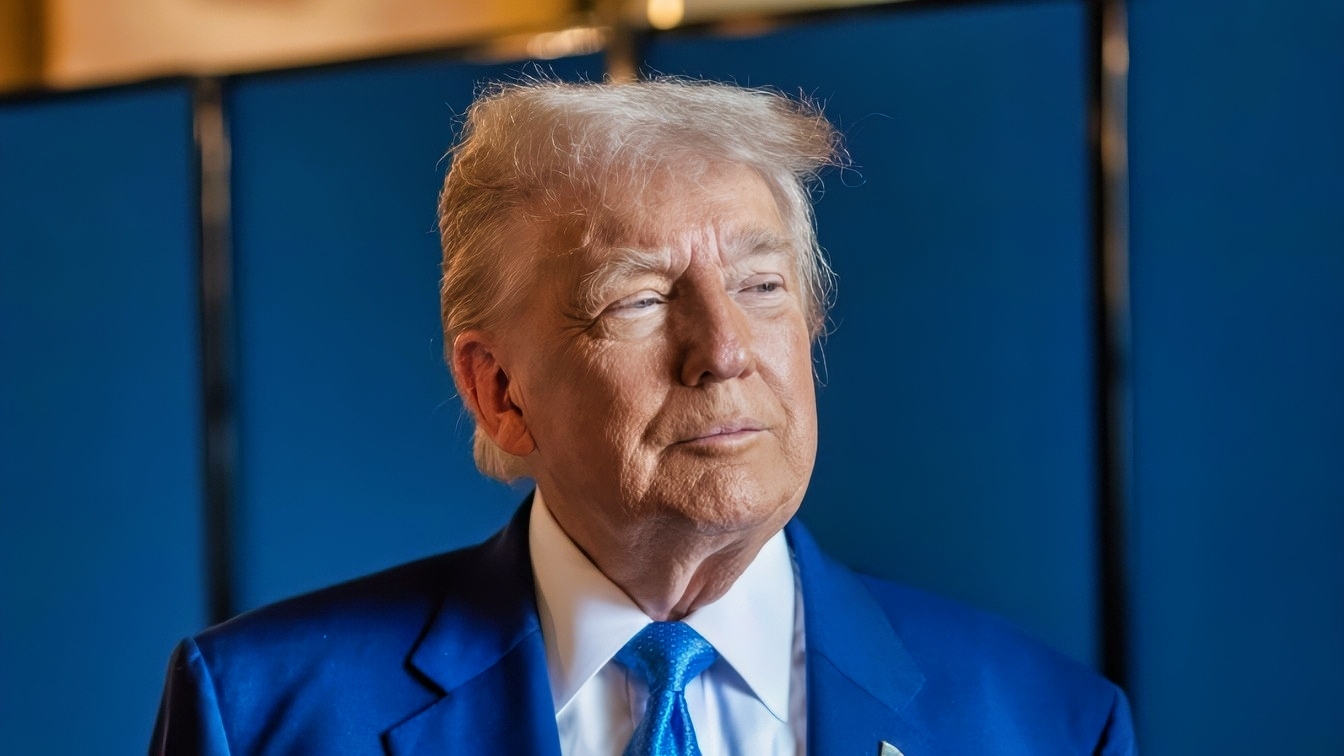
President Donald Trump has declared that the United States no longer needs a negotiated settlement with Iran, despite continued disruptions to international shipping, elevated energy prices, and the absence of a permanent agreement ending the nine-month conflict.
Per Trump’s Truth Social post, the Americans have already won the war, and we control all of Iran’s money.
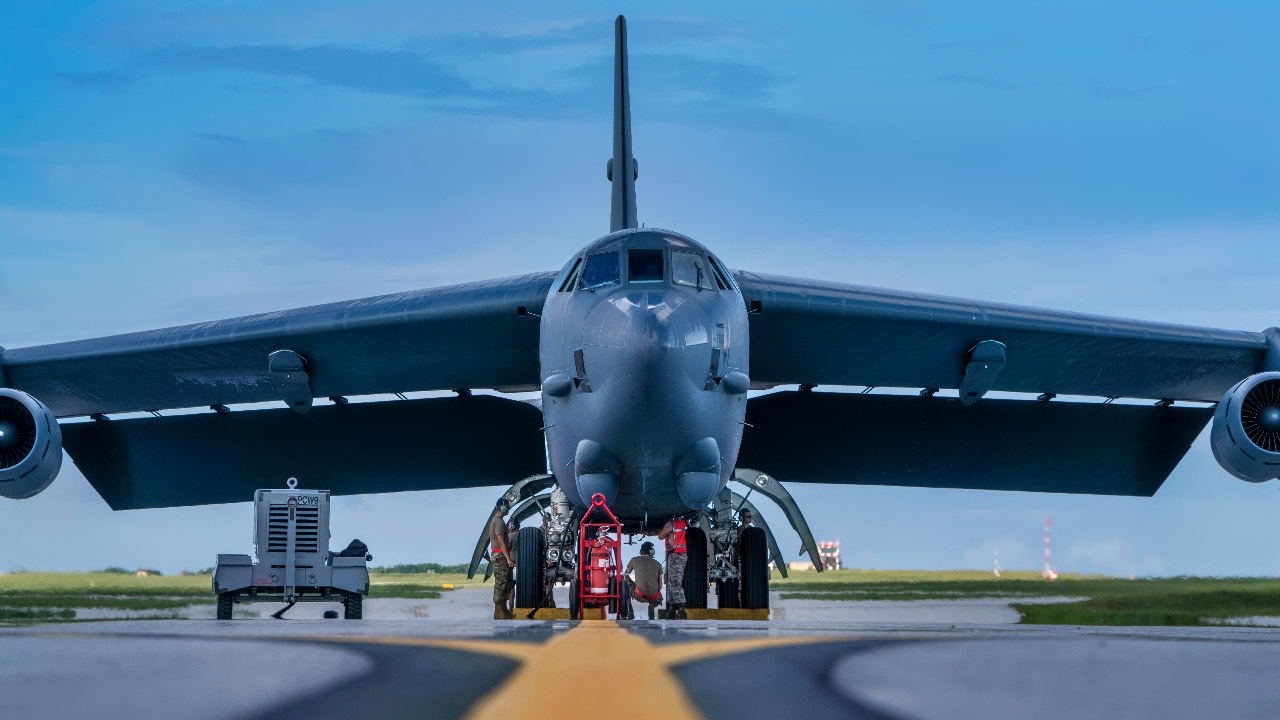
A U.S. Air Force B-52H Stratofortress bomber, deployed from Barksdale Air Force Base, La., lands at Andersen Air Force Base, Guam, July 4, 2020. The B-52 flew the 28-hour mission to demonstrate U.S. Indo-Pacific Command’s commitment to the security and stability of the Indo-Pacific region. (U.S. Air Force photo by Master Sgt. Richard P. Ebensberger)
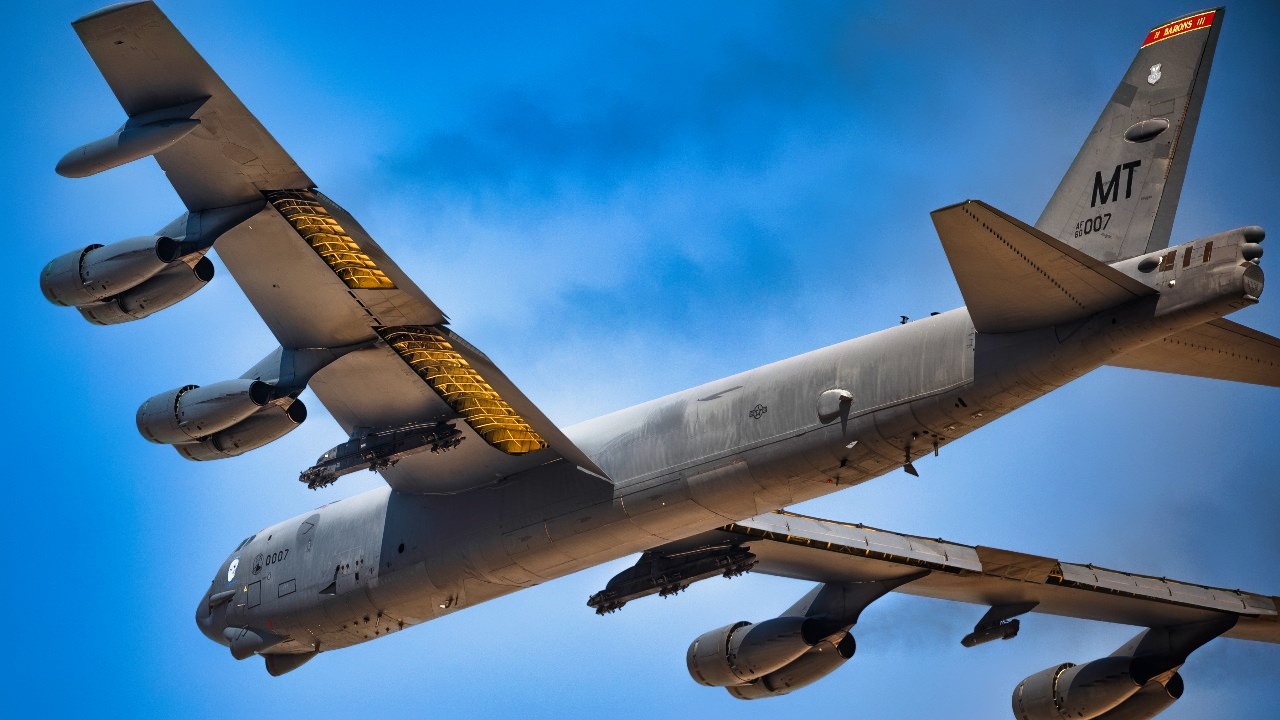
A U.S. Air Force B-52H Stratofortress strategic bomber assigned to the 69th Expeditionary Bomb Squadron flies within the U.S. Central Command area of responsibility, Nov. 15, 2024. The B-52H provides strategic options and flexibility to U.S. and coalition senior leaders with the aircraft’s ability to employ a wide range of weapons with precision and deliver a decisive response to adversaries who threaten peace and security across the region. (U.S. Air Force photo)
Further, Trump apparently thinks that it is only the Islamic Republic of Iran that the Iran War and the associated blockades have economically wounded.
And because the forty-seventh president clearly believes this claim, he has redirected Vice President JD Vance off the Iranian negotiation portfolio.
He has directed him to focus on alleged Democratic Party corruption here in the United States.
The president maintains that the US and its partners have enough economic and military leverage over the Islamic Republic to make further negotiations unnecessary.
Qatar has proven to be an instrumental player in the quest for a negotiated end to the Iran War.
In fact, the president himself acknowledged publicly that the only reason he hasn’t really restarted the bombardment of Iran (or done worse) is because of pressure he’s received from the Gulf Arab states who understandably fear what an Iranian counterattack would look like for them.
Iran has stated it wants the Americans to return to the original Memorandum of Understanding (MOU) and to honor the original tenets of that deal.
Specifically, Tehran wants Trump to terminate the US Navy’s blockade of Iranian ports and to ease the economic sanctions. The Americans also want concessions from Iran on its nuclear capabilities.
Non-Peace-Peace
Two days after the Republican Party was decisively defeated in the Midterm Elections because of the economic consequences of the Trump administration’s unpopular wartime policies, Vice President Vance emerged as the man to lead the American diplomatic efforts.
Trump appeared to be listening to Vance and his fellow doves–including Jared Kushner and Steve Witkoff–more than he had been about getting a relatively peaceful end to the Iran War.
Qatari intermediaries were working alongside Vance to further negotiations, with some reports suggesting that on November 6 Iran was considering nuclear-related proposals from their Qatari interlocutors.
Fundamentally, however, Iran’s demands for a peaceful end to the conflict have not been met.
Iran also wants war reparations, which the US Secretary of State and White House National Security Adviser Marco Rubio has roundly rejected.
Then, of course, the US and Iran have had severe disagreements over the sequencing of the negotiations themselves.
Washington has demanded that nuclear concessions be included in the settlement.
Tehran, however, wants immediate economic relief and security conditions met by Washington before any real negotiations begin over the country’s suspected nuclear weapons program.
The US and Israel launched their war against Iran on February 28, based largely on (unsubstantiated) claims that Iran was just “two weeks away” from getting nuclear weapons that, according to President Trump himself, would have been used to initiate a first strike on Tel Aviv.
Whether anyone in Washington or Tel Aviv believes these claims, the fact is that the president has barely offered any real rationale for why he started the war when he did.
But whenever he has attempted to explain his decision, Trump always fixates on the nuclear weapons potential of Iran.
So, without getting some agreement with Iran about its suspected nuclear weapons, or the country’s alleged uranium stockpile, the chances of getting a true end to the conflict remain low.
Of course, it’s important to parse out reality from whatever Trump thinks is going on.
The Reality
For starters, Trump maintains that we (specifically him as president) control the Strait of Hormuz.
This is completely untrue.
The president has a degree of leverage over the Strait, thanks to the onerous (in terms of cost and strain on maintenance cycles) blockade of Iranian ports that the US Navy maintains.
Iran is still moving refined products out of their territory through alternative means–and Tehran can radically disrupt shipping in the Strait because of its drone and missile swarms.
Yes, shipments of critical energy and other resources are getting out of the Strait.
No, these shipments are not getting out at the consistent level–or at the same cost–they were before the war began.
Given Iran’s proximity to the Strait, and the way in which the Iranian military can disproportionately impose economic costs on private firms doing business in the Strait, the idea that the Americans control the Strait is laughable.
Yet Trump says it constantly, straight-faced.
Around 36 attacks against commercial vessels have occurred across the Persian Gulf, the Strait of Hormuz, and the Gulf of Oman in October.
That was the highest monthly total since the conflict started. The economic consequences remain severe, and there is no sign of an end anytime soon.
Trump’s announcement that he was pulling Vance off negotiations and that he didn’t need to negotiate suggests a few things.
Delusions of Grandeur
First, it shows that Trump can’t get a deal. Second, it highlights how Trump wants to fixate on domestic concerns.
While some have written off his moving of Vance to domestic policy concerns, the fact is that Trump is much more interested in waging partisan war on the Democrats than he is interested in continuing the unpopular Iran War.
Even if he’s not actively negotiating, Trump likely wants to freeze the war where it is and move on.
Whether Trump fully returns to war remains in question. But from a military perspective, the Trump administration is limited in what it can achieve.
Trump knows this.
He might be unwilling to negotiate.
He is not likely to restart hostilities–at least not of his own accord.
Trump will engage in an imperfect economic warfare campaign and a rather leaky blockade.
About the Author: Brandon J. Weichert
Brandon J. Weichert is the Senior National Security Editor. He also manages The Weichert Brief on Substack. Weichert is the co-host of The Mario Nawfal Show on Twitter/X. He is the author of four bestselling national security books, most recently A Disaster of Our Own Making: How the West Lost Ukraine (Encounter Books). His next book, Fortress Americas: A New Monroe Doctrine (Tucker Carlson Books), is due out December 8. Follow him via Twitter/X @WeTheBrandon.


