
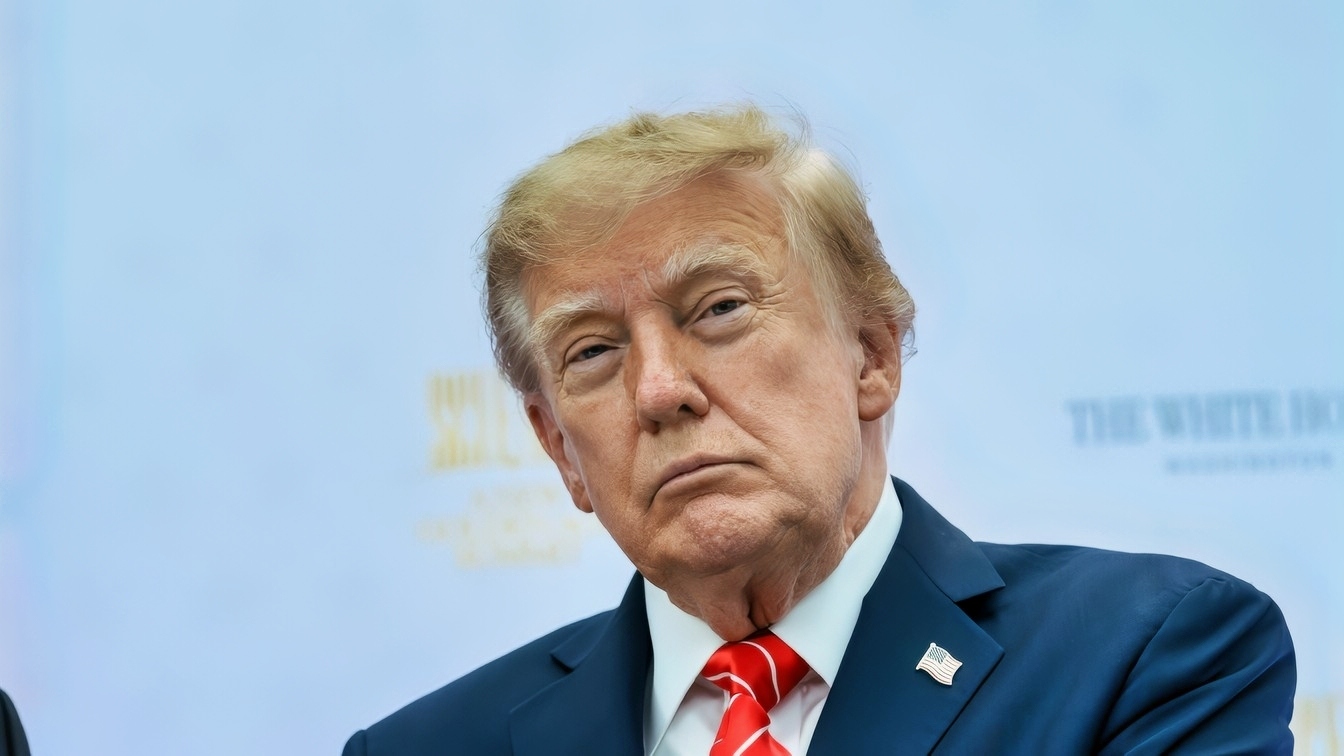
Trump Privately Signals He May Avoid Iran Strikes After All: President Donald Trump has reportedly told his senior advisers that he is considering avoiding further military strikes against Iran unless Tehran or its proxies launch new attacks against American interests and U.S.-linked infrastructure. The discussions, which reportedly took place over recent days, suggest that President Trump is seriously considering maintaining the existing naval blockade and economic sanctions rather than escalating the conflict again.
Reuters reported on Saturday, November 14, that three people familiar with the discussions said that Trump had raised the possibility of refraining from launching new strikes following meetings with national security advisers. The president has not, however, made a final decision, and American forces are still preparing for possible new strikes.
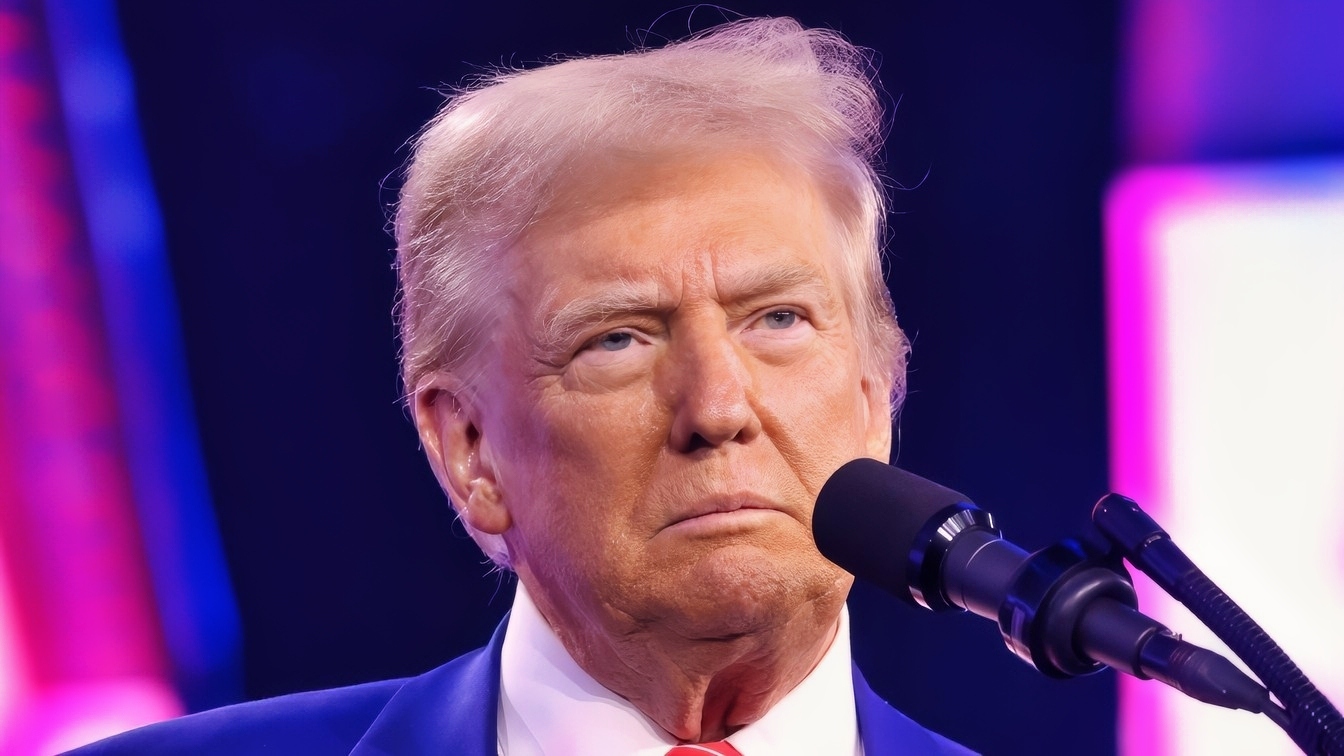
Trump Speaking at Turning Point USA Creative Commons
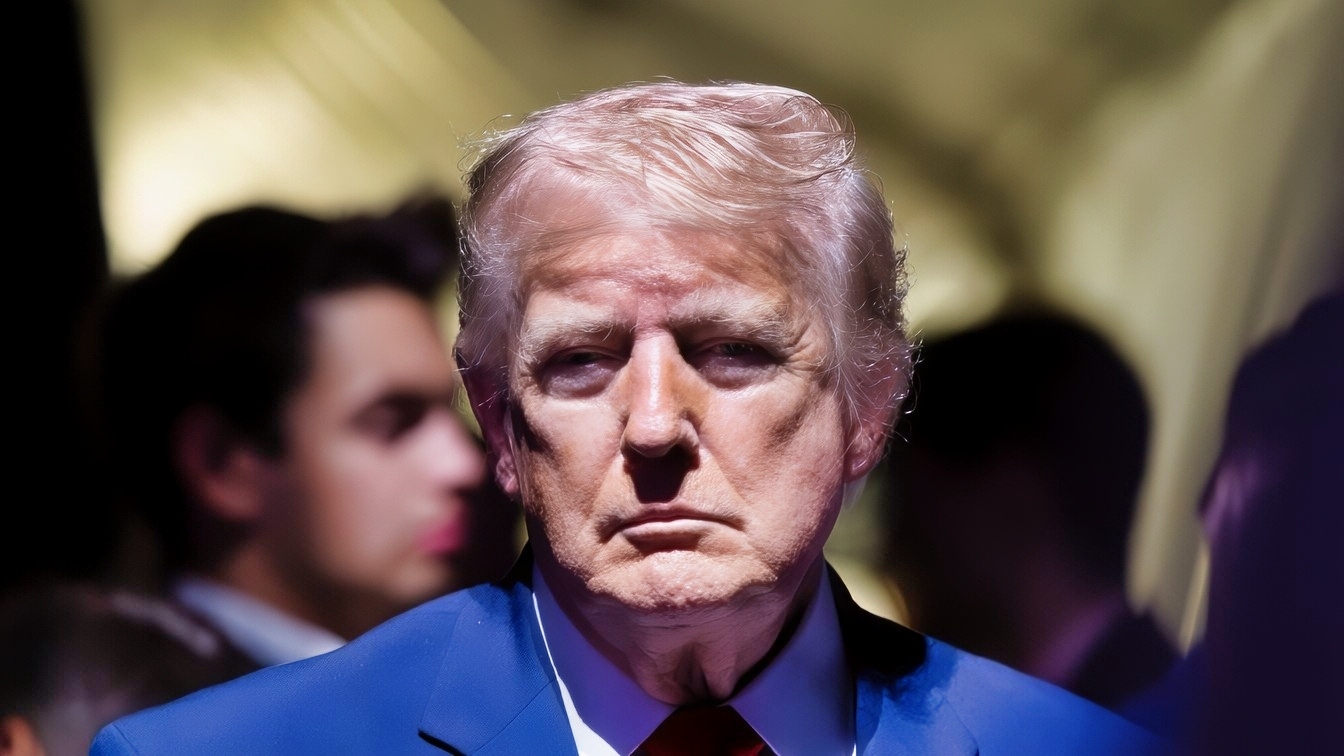
President Donald J. Trump prepares to take the stage at Salute to America on the National Mall in Washington, D.C., July 4, 2026. (U.S. Army photo by Sgt. 1st Class Brittany Primavera)
The revelations come as regional allies continue to urge Washington to avoid another major military confrontation, and as Israel continues to pressure the U.S. to take more aggressive action against Iran. The Trump administration, meanwhile, faces intense domestic pressure to end the conflict as soon as possible, with the new Democratic-controlled Congress set to convene in January.
Trump Considers Holding Off On Strikes
Per reports, President Trump is weighing a new strategy under which American forces would avoid launching additional strikes, but would return to military action if Iran or the Houthis in Yemen launch new attacks themselves. The reported discussions follow several public statements in which the president suggested that renewed military strikes would be unnecessary.
In a press conference at the White House on November 9, President Trump said that Iran had been defeated militarily and explained that neighboring countries had asked him to avoid launching new strikes.
“At this point…taking the military action doesn’t seem to be a very necessary thing. But we’re locked and loaded, ready to go for any reason that changes,” the president said.
“I think it’s going to be ending fairly soon,” he continued.
Then, on Thursday, November 12, the president told broadcaster Stephen A. Smith that he could quickly destroy Iran’s remaining major infrastructure but was respecting requests made by regional partners in the Gulf not to do so.
Those requests now appear to be playing a significant role in his military preparations and calculations.
Saudi Arabia and Turkey Urged Restraint
According to Reuters, Saudi Arabia and Turkey have led the efforts to persuade the U.S. president to avoid a return to large-scale attacks. According to two people familiar with one of the discussions, President Trump told Saudi Crown Prince Mohammed bin Salman on October 31 that he planned to launch new military strikes after the midterm elections. Bin Salman then reportedly urged the president to reconsider his plans and argued that the existing economic sanctions campaign was already causing significant harm to Iran.
Turkish President Recep Tayyip Erdogan also pressed Washington on the same issue.
President Trump has spoken with Erdogan three times since October 28, according to the Turkish president’s office, with a November 7 discussion reportedly focusing on ways to reduce tensions between Tehran and Washington.
But they are not the only governments to have made those appeals. During an interview on Thursday, Trump said that Qatar, Kuwait, Bahrain, and the United Arab Emirates also preferred that the United States avoid further strikes.
Pentagon Prepares Anyway
Despite the president’s recent pivot away from strikes, the United States is maintaining its regional military presence and continues to prepare to resume major strikes if necessary. A third aircraft carrier is still heading toward the Middle East, potentially giving the United States three operational aircraft carriers and strike groups to work with if the Pentagon does decide to launch new attacks. Military planners have also reportedly considered launching new strikes against Iran’s underground nuclear installations that were targeted in previous campaigns. But the likely effectiveness of another bombing campaign on underground installations like Pickaxe Mountain is still uncertain, with the installation buried under more than a hundred meters of rock.
Two U.S. officials told Reuters that intelligence assessments now indicate further strikes would be unlikely to significantly change Tehran’s negotiating demands—and with every strike, Tehran has less to lose.
There are also major concerns about America’s depleted weapons stockpiles, which would be depleted further in the event of new strikes and efforts to defend against Iranian retaliatory strikes.
Iran War Proves Unpopular
President Donald Trump has another reason to avoid launching fresh attacks: the American public and the incoming Democratic-controlled Congress.
The Iran war heavily affected the president’s party’s performance in the November 3 midterm elections, costing President Trump a Republican-controlled Congress that made it possible to pass his legislative agenda.
Facing a flurry of Democratic-led investigations and the possibility of restrictions on funding for the war with Iran, President Trump’s options are now limited, and the chances of a major war with Iran continuing into the new year have been slashed. That leaves Trump with just his economic pressure campaign against Iran.
About the Author: Jack Buckby
Jack Buckby is a British researcher and analyst specializing in defense and national security, based in New York. His work focuses on military capability, procurement, and strategic competition, and he produces and edits analysis for policy and defense audiences. He brings extensive editorial experience, with a career output spanning over 1,000 articles at National Security Journal, and has previously authored books and papers on extremism and deradicalization.


