

Ukrainian forces struck one of Russia’s major oil refineries in Volgograd, as well as a processing facility in Rostov-on-Don, in another round of strikes on Russian oil and gas refining facilities well inside the Russian heartland.
In a social media post, Ukraine’s General Staff confirmed the strikes. “The Volgograd oil refinery is one of the Russian army’s key “fuel stations” in the south. From here, fuel is sent to the front lines and to airfields from which planes take off to carry out strikes against Ukraine,” the General Staff wrote, adding that the refinery “has a capacity of about 15 million metric tons of crude oil per year.”
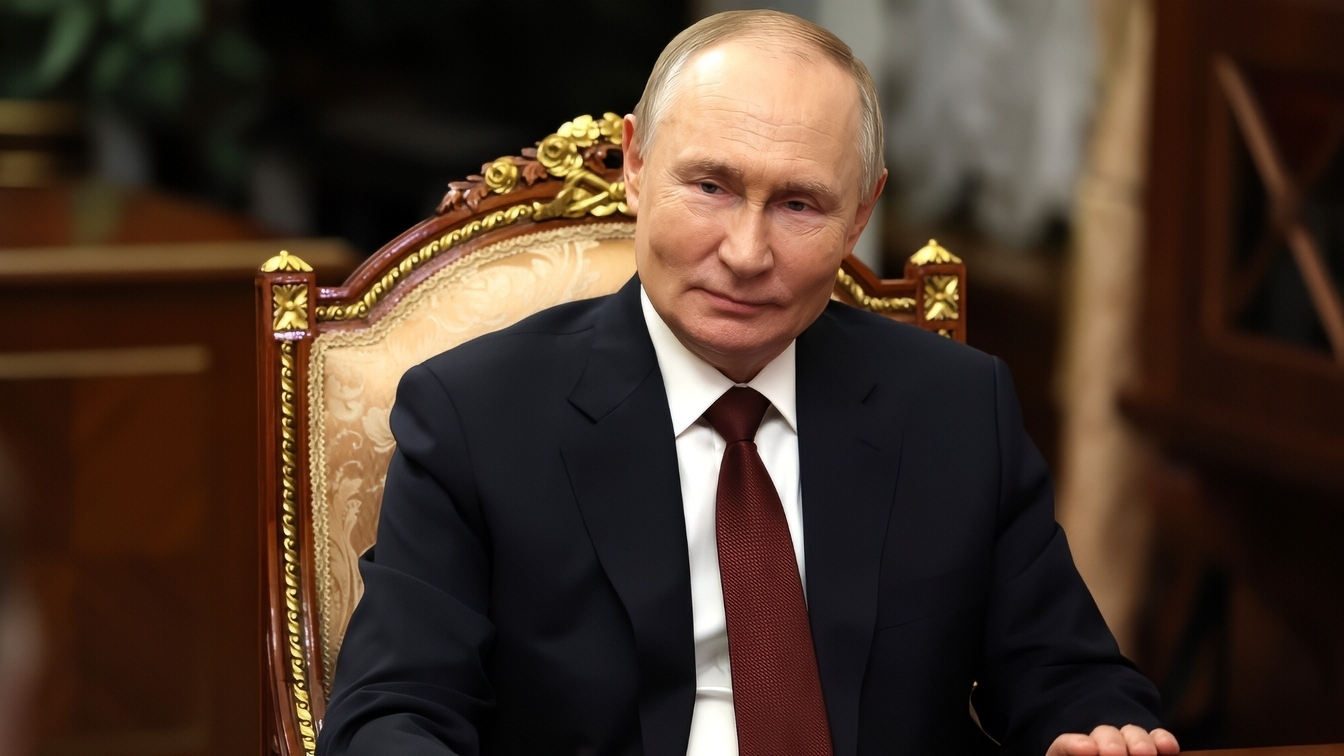
Putin in a Meeting. Russian Federation Photo.
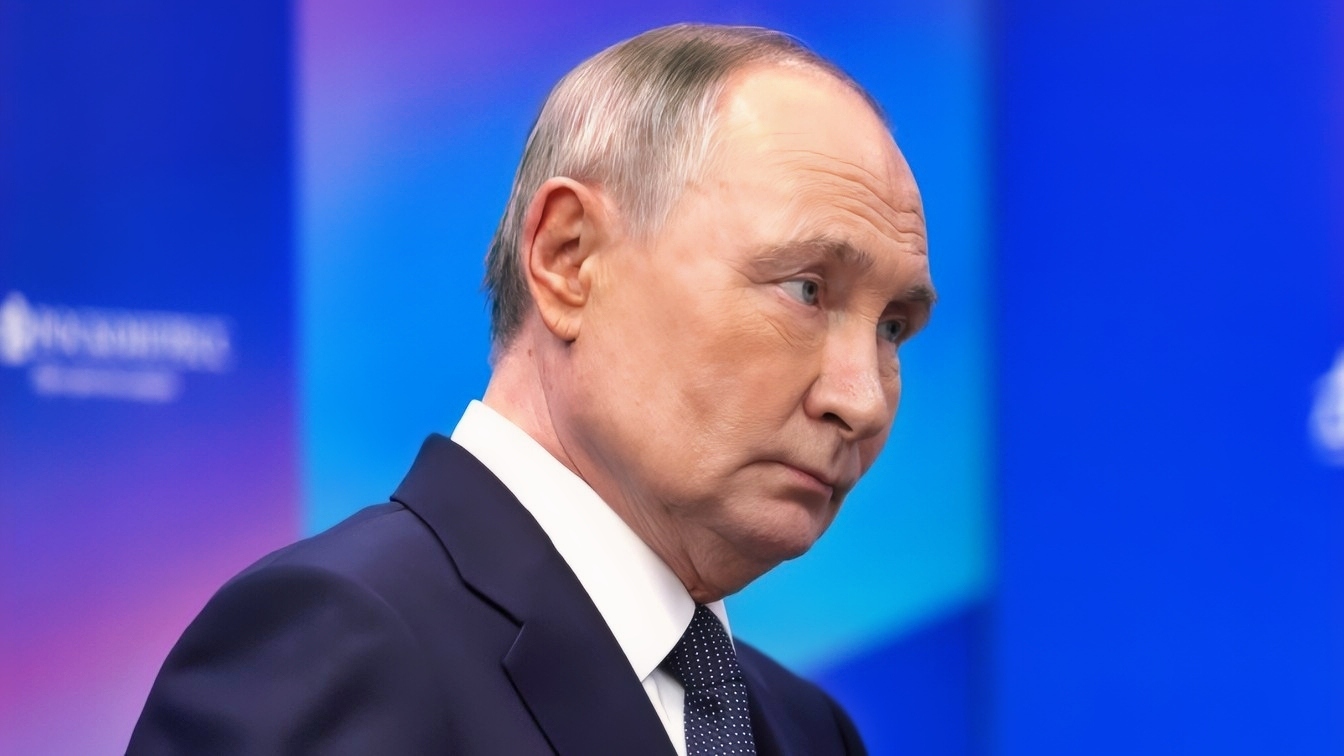
Putin in March of 2025 Russian Federation Photo
The facility, owned by Lukoil, the second-largest oil producer in Russia, was struck previously and suffered damage in early October following Ukrainian strikes.
As a result of the strikes, fuel sales in some of Russia’s regions have been restricted, with Russian authorities rationing sales and forbidding the filling of fuel canisters.
Other, similar restrictions have been instituted in Karelia and Buryatia, two of Russia’s republics, as well as Zabaykalsky Krai and Novosibirsk Oblast.
“Every hour of downtime at such a plant means less diesel for tanks and trucks, less jet fuel for aircraft, and fewer oil rubles with which the aggressor manufactures weapons of mass destruction —rockets, suicide drones, and explosives,” Ukraine’s General Staff wrote.
A Spate of Recent Strikes
The strike comes on the heels of another attack on Russian oil and gas infrastructure earlier this week. On November 11th, Ukraine’s Special Operations Forces, known by its acronym SSO, struck a Russian oil refinery at Omsk, in Siberia.
The refinery, owned by Gazprom, the Russian state-owned firm, is believed to be Russia’s largest in terms of oil output and processes over 21 million metric tons of crude oil per year, turning raw crude into gasoline, diesel, and jet fuel, as well as other petrochemical products.
“The refinery is located nearly 2,500 km from the Ukrainian border. It is the most distant Russian refinery to have been struck by Ukrainian drones,” the SSO explained in a post on their Telegram channel.
It marks the third time that the SSO has struck the refinery. “The Special Operations Forces first struck the Omsk Oil Refinery on July 6. Following that strike, the refinery completely halted oil processing and was taken offline for repairs. The refinery was struck a second time on October 8.”
Ukrainian media reports that since October 30th, Ukrainian forces have struck five of Russia’s largest oil processing facilities, with successful hits on refineries at Omsk, Kirishi, Ryazan, Nizhny Novgorod, and Yaroslavl. An estimated thirty percent of Russia’s oil refining capacity is believed to have been affected by the Ukrainian strikes.
Ukraine’s Long-Range Sanctions
The strikes on Russian refineries at Omsk, Volgograd, and elsewhere throughout Russia underscore how seemingly defenseless Russia is to Kyiv’s strike campaign.
The effort, dubbed Ukraine’s “long-range sanctions” regime by Ukrainian President Volodymyr Zelensky, is aimed squarely at the Kremlin’s coffers and the single largest source of revenue for the Russian state: the export of oil and refined products to international customers abroad.
Being the world’s largest country has been a boon to Russia in the past, allowing the country to swallow up and consume enormous invading armies, from Napoleon to Hitler.
But the country’s current woes are reflective of how difficult it is to defend Russia’s vast skies today from bomb-laden drones and cruise missiles.
The effort has borne fruit.
Earlier this summer, Russian authorities relaxed environmental safety regulations to fuel sold within Russia, a move aimed at getting fuel to Russian consumers faster.
The export of diesel abroad was also temporarily barred, another maneuver aimed at prioritizing Russian domestic drivers.
Despite a temporary two-week halt to strikes secured by American President Donald Trump last week to cool fuel prices ahead of the American midterm elections, the strikes today continue unabated and appear to have taken a significant portion of Russia’s fuel-refining capacity offline.
But Russia, in the meantime, continues to pummel cities and towns across Ukraine and target Ukrainian civilian infrastructure, including power and heating plants, water processing facilities, railroads and trains, residential buildings and bridges, exacting a terrible human toll.
About the Author: Caleb Larson
Caleb Larson is an American multiformat journalist based in Berlin, Germany. His work covers the intersection of conflict and society, focusing on American foreign policy and European security. He has reported from Germany, Russia, and the United States. Most recently, he covered the war in Ukraine, reporting extensively on shifting battle lines in Donbas and writing about the war’s civilian and humanitarian toll. Previously, he worked as a Defense Reporter for POLITICO Europe. You can follow his latest work on X.


