

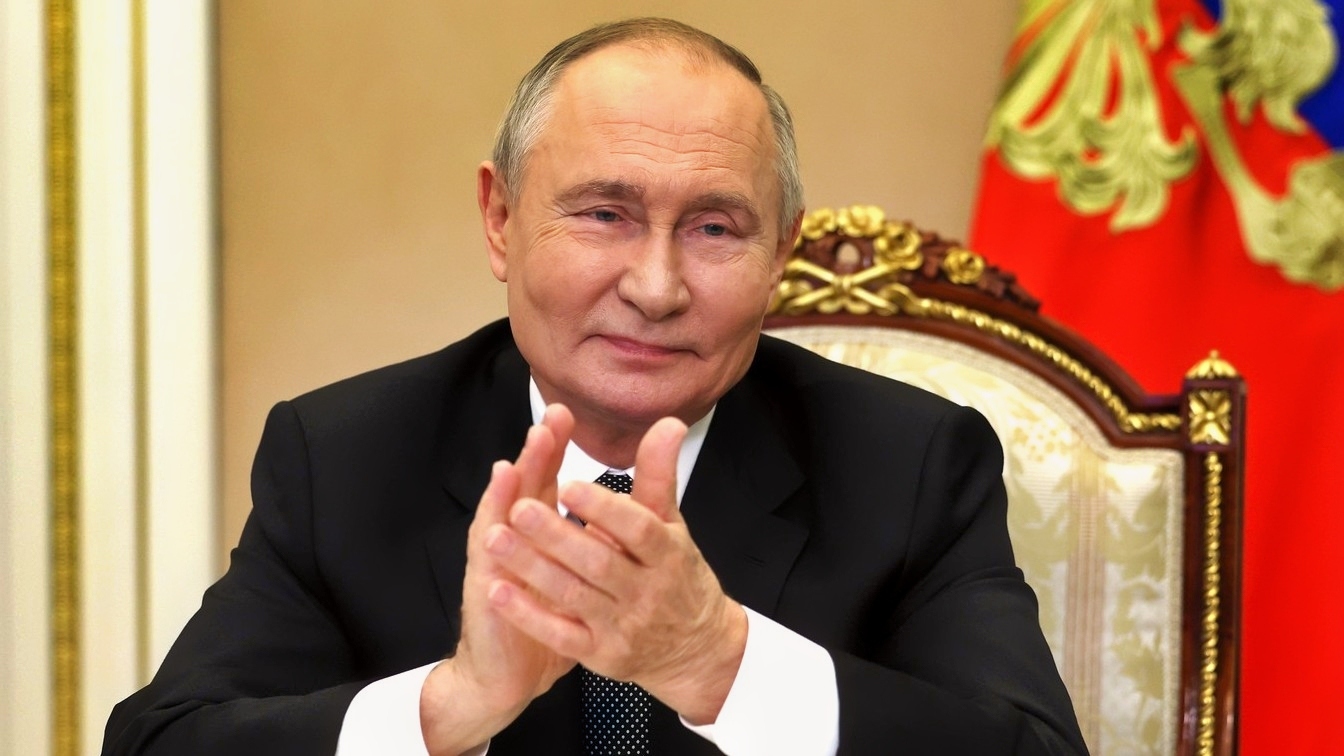
Stymied on the battlefield and suffering enormous losses for little to no gain in Ukraine, the Kremlin hopes to find allies in unlikely places: throughout Europe’s capital cities.
With several important European elections on the horizon, Russian strongman Vladimir Putin is betting that war fatigue among European voters and strong backlash against some of the ruling parties at the heart of Europe’s aid to Ukraine will shift support away from Kyiv as the continent turns inward.
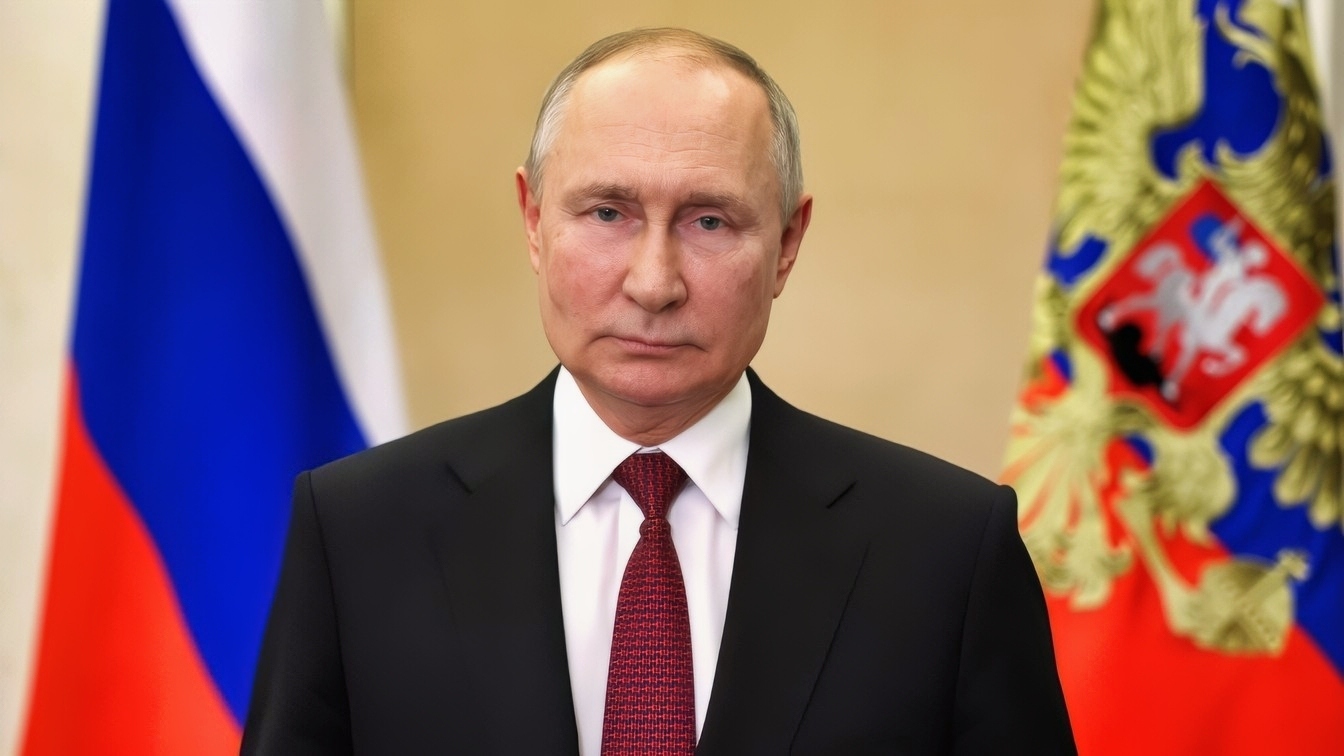
Putin On June 18, 2023 Russian Federation Photo
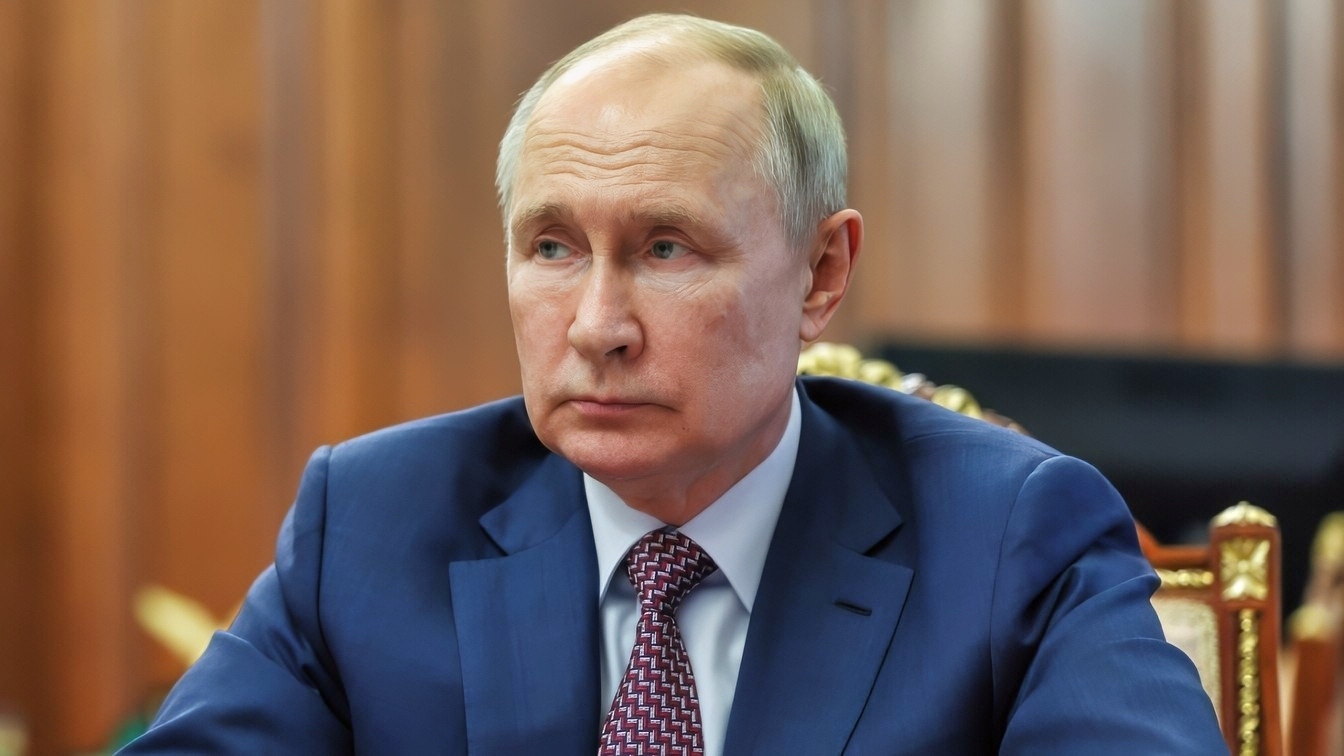
Putin in 2023. Russian Federation Photo.
Peace talks between Kyiv and Moscow, mediated by representatives from Washington and held earlier this week in Abu Dhabi, the capital of the United Arab Emirates, underscored how difficult it would be to forge a peace deal out of the two countries’ incredibly disparate positions.
Overtures to Russia to curb its war aims — that is, the complete subjugation of Ukraine — were seemingly unsuccessful.
But ensconced inside the Kremlin, Putin thinks he can outlast Ukraine’s supporters in Europe, who, unlike him, face precarious election cycles — and this next cycle could be particularly perilous for Ukraine.
Scope of Russian Losses Revealed
A recent breach of Russia’s state statistics agency, Rosstat, by two hacking groups, Ukrainian hacking collective Silent Crow and Cyber Partisans, a Belarusian opposition hacker outfit, uncovered the death certificates and related information of 11 million Russian individuals.
Using the deceased’s place of death and other information, the groups estimate over 410,000 Russian soldiers have been killed in Ukraine, a figure that does not include wounded or missing in action.
The figure is likely incomplete and an undercount, with some experts saying that the true number of Russians killed in Ukraine is closer to half a million.
The numbers are shocking in scope and represent more losses than the Kremlin’s forces have suffered in all wars combined since the end of the Second World War, known in Russia as the Great Patriotic War.
Lavish payments to soldiers in the form of sign-up bonuses and high pay, as well as massive financial aid to the families of killed and wounded, including other benefits like preferential school applications and loan and debt forgiveness, have helped ensure the Kremlin can continue to push soldiers to the front, despite the incredibly high death toll.
And it has been a tough year for the Russian soldier.
This year is on track to be the deadliest of the war for Russia, and its war aims are no nearer for it.
The attempted Russian encirclement of Ukraine’s fortress belt of towns and cities in the east largely failed, thanks to improvements in Ukrainian drone technology and targeting strategies.
Pivoting to the home front, Moscow has pummelled Ukrainian civilian infrastructure in response, targeting trains and train stations, bridges, residential buildings, water treatment facilities, as well as electricity and heat substations, part of a larger attempt to force Kyiv to sue for peace despite gaining momentum on the battlefield.
Upcoming Elections
Europe’s governing coalitions face stiff voter unrest.
Upset by the cost of fuel, rising cost of living, low economic growth, and tensions with migration to Europe, voters are taking out their anger in the streets — and likely at the ballot box.

Tu-160 Bomber Russian Air Force. Image Credit: Russian State Media.
Sympathy toward Russia from both the far-left and far-right is reflective of the trend, and is in stark opposition to the stance toward Russia forged in the years since Moscow’s 2022 full-scale invasion of Ukraine.
In Germany, the Alternative for Germany, a quickly rising far-right party, is polling far ahead of its competitors and has advocated purchasing Russian fuel again, which would mark a stark reversal of Europe’s effort to wean itself off of Russian energy.
In France, Marine Le Pen, the leading populist candidate, stands a good chance of becoming France’s next president after elections in spring.
She has promised to cut French aid to Ukraine.
And elements on the left and right in Italy, which will have elections next year, include voices that would like to end their country’s support for Ukraine.
But Russia cannot continue forever either. Recent reporting shows that local authorities in Russia are running out of the cash that has enticed so many to volunteer to fight in Ukraine.
Payments to the families of the dead have contracted as a result. For now, at least, Europe remains committed to supporting Ukraine — but the next election cycle on the continent could prove to be brutal for Kyiv.
About the Author: Caleb Larson
Caleb Larson is an American multiformat journalist based in Berlin, Germany. His work covers the intersection of conflict and society, focusing on American foreign policy and European security. He has reported from Germany, Russia, and the United States. Most recently, he covered the war in Ukraine, reporting extensively on shifting battle lines in Donbas and writing about the war’s civilian and humanitarian toll. Previously, he worked as a Defense Reporter for POLITICO Europe. You can follow his latest work on X.


