
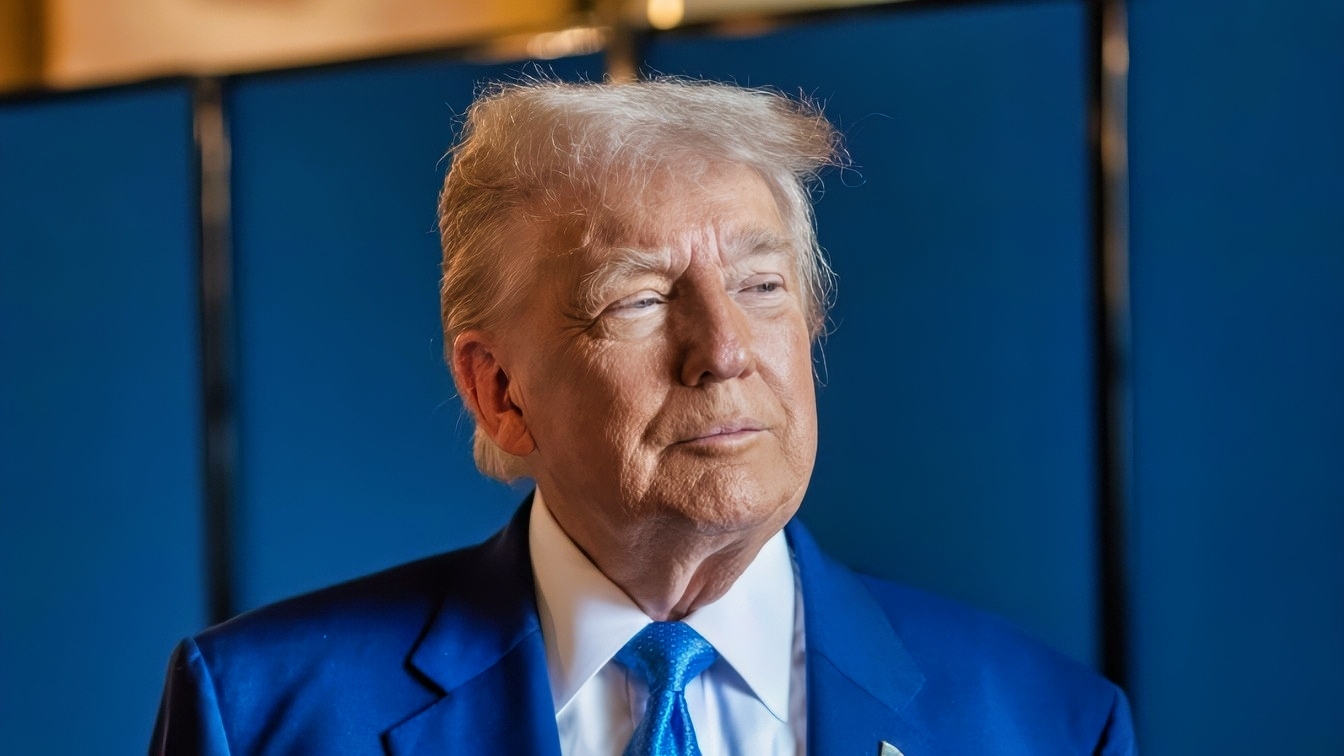
President Donald Trump’s approval rating is at an all-time low, with a new Reuters/Ipsos survey finding that just 32% of Americans approve of his performance in office.
The findings come just two weeks after the Republicans suffered historic defeats in the November 3 midterm elections, leaving the Trump administration facing two years of Democratic-led investigations and gridlock in Congress.
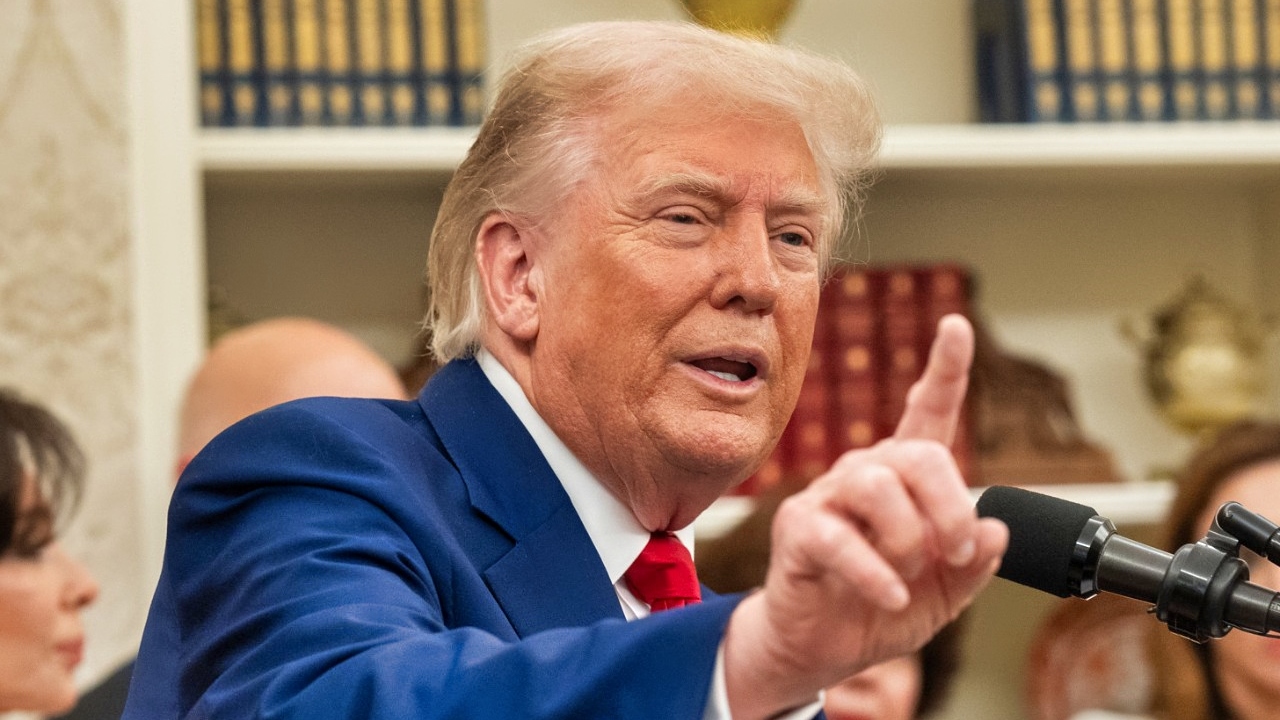
Donald Trump Pointing in Speech. Image Credit: White House.

President Donald Trump attends an event celebrating the 2025 NCAA Division 1 Men’s Basketball Champion Florida Gators, Wednesday, May 21, 2025, in the East Room of the White House. (Official White House Photo by Daniel Torok)
The latest polling also suggests that Democrats face problems of their own, however, with Senate Democratic Leader Chuck Schumer losing support among members of his own party ahead of a leadership challenge from Senator Chris Van Hollen of Maryland.
The Democrats, it seems, may be preparing for a new generation of leadership—and they have work ahead of them to secure the trust of the public, which largely rejected the Republicans rather than embracing the Democrats.
Trump’s Approval Ratings Remain Very Low
According to the Reuters/Ipsos survey, conducted between November 13 and 16, just 32% of American adults approve of President Trump’s performance in office, compared with 66% who disapprove. Trump’s approval rating has been stuck at 32% across four consecutive Reuters/Ipsos polls, following a record low of 31% in mid-October.
The latest survey asked 1,521 American adults nationwide about the president’s performance.
It has a margin of error of about three percentage points, meaning the president’s current approval ratings are effectively as low as they were when they reached historic lows in October.
President Trump, however, continues to enjoy substantial support among Republican Party voters, with Reuters reporting that 75% of Republicans have a favorable opinion of the president.
In comparison, 77% say that they also view Vice President JD Vance favorably.
The figures suggest that, despite the president’s poor standing nationally, his position within his own party is still strong.
However, the sweeping victories the Democrats saw on November 3, along with data showing that Republican voters turned out and voted Democrat rather than simply staying home, mean the president can no longer mobilize voters in quite the same way he used to.
And he won’t ever need to again, as he prepares to leave office in January 2029.
Americans Oppose the War
The war with Iran appears to be one of the major factors behind the president’s declining popularity, and that was also true during the midterm election campaign.
The latest survey from Reuters/Ipsos found that just 31% of Americans support the war with Iran, noting that it has contributed significantly to rising energy prices and other economic pressures.
Separate polling published by the Institute for Global Affairs on November 9 tells a similar story, showing that Americans are growing increasingly concerned about the financial consequences of the war.
That survey, which YouGov conducted between October 29 and November 2, found that 56% of respondents believe Washington should prioritize preventing further price increases over anything else.
The data suggest that Americans care more about prices than they do about achieving President Trump’s objectives in Iran, which include ending the nation’s nuclear program or, as Vice President JD Vance puts it, securing “meaningful” restrictions on its uranium enrichment activity.
Do Democrats Still Want Schumer?
While Republicans struggle with President Trump’s declining national popularity, which will ultimately play into the 2028 presidential election and determine how easy the Republicans may find that campaign, the Democrats are confronting their own leadership issues.
The Reuters/Ipsos poll released this week showed that just 34% of Democrats view Senate Democratic Leader Chuck Schumer favorably, compared with 43% who view him unfavorably.
The figures constitute a significant deterioration since February, when 38% of Democrats viewed Schumer favorably, and 37% viewed him unfavorably.
House Democratic Leader Hakeem Jeffries performed better than heavyweight Schumer, with 40% of Democrats expressing a favorable view of the politician, and 29% expressing an unfavorable view.
The findings also come as Schumer faces a challenge from Senator Chris Van Hollen, who announced this month that he is seeking to replace Schumer as the party’s Senate leader.
What Happens Now?
The Democrats are set to take control of both chambers of Congress in January, giving the party an enormous — but not insurmountable — amount of power.
The Democrats will be able to investigate the president and his business interests and issue subpoenas.
While the two chambers can technically pass legislation, President Donald Trump will also have the power to veto it.
The latest polling also suggests that Democrats wouldn’t have a full mandate to legislate on some of the most contentious political issues.
A November Economist/YouGov poll found that 43% of Americans still consider the Democrats too extreme, suggesting that rejecting Republicans in the midterms does not necessarily mean that Americans embraced the Democrats’ most extreme policy positions.
About the Author: Jack Buckby
Jack Buckby is a British researcher and analyst specializing in defense and national security, based in New York. His work focuses on military capability, procurement, and strategic competition, and he produces and edits analysis for policy and defense audiences. He brings extensive editorial experience, with a career output spanning over 1,000 articles at National Security Journal, and has previously authored books and papers on extremism and deradicalization.


