

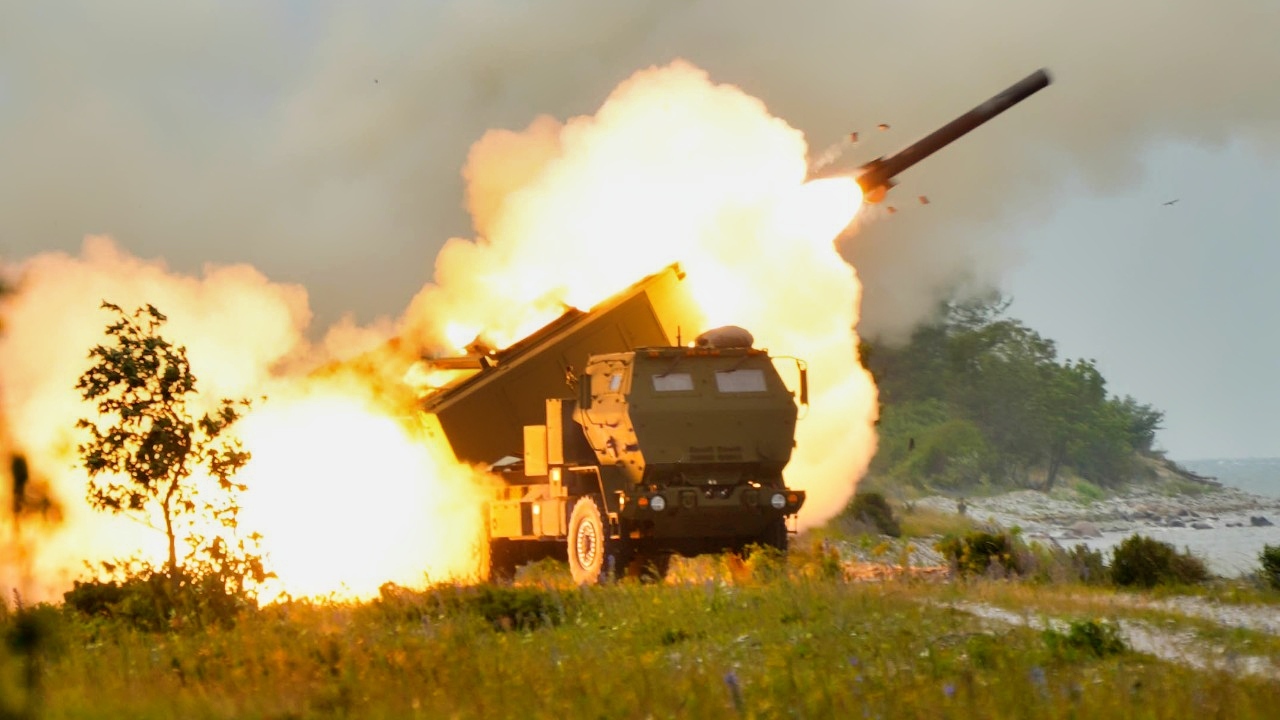
On Tuesday morning, Ukraine launched a massive strike against the Kerch Bridge, connecting Russian-occupied Crimea with Russia’s Krasnodar Oblast.
The attack comprised UAVs, cruise missiles, and naval drones, all aimed at overwhelming Russia’s air defenses around the bridge.
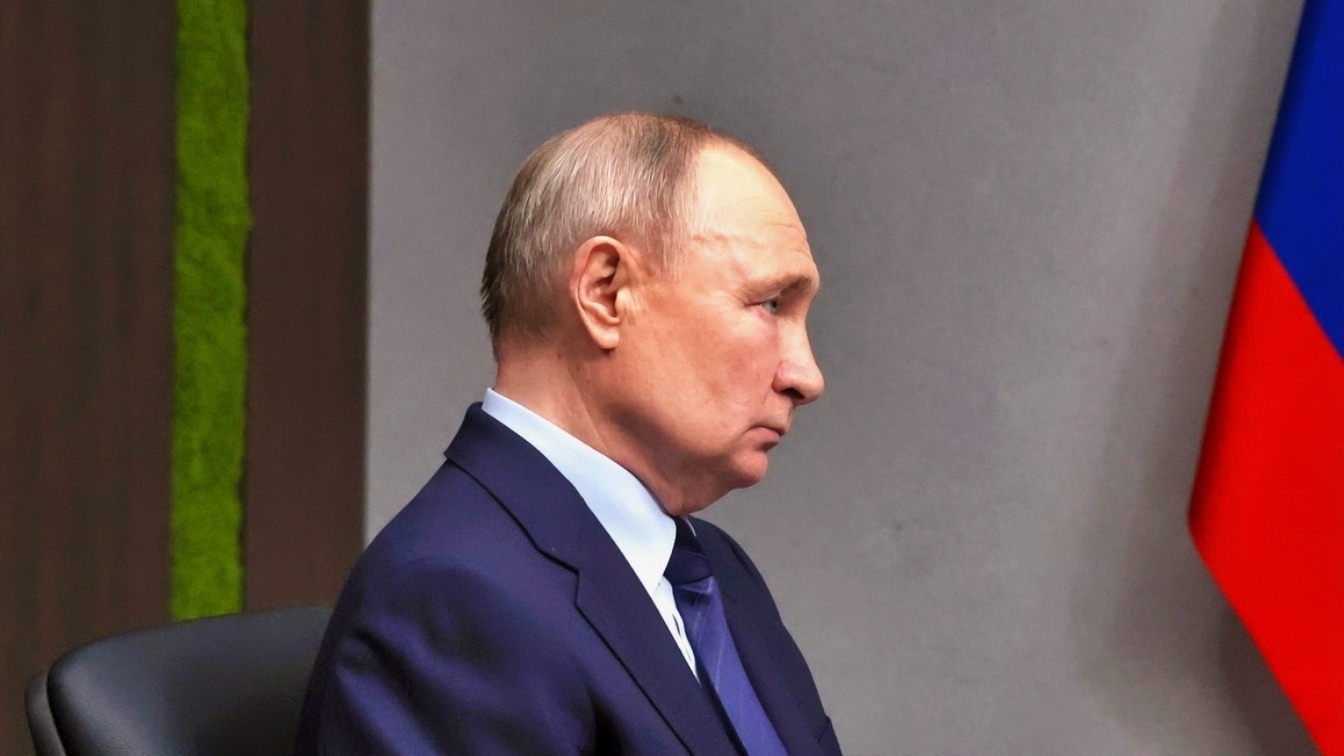
Putin Meeting with Staff Russian Federation Creation Commons Photo
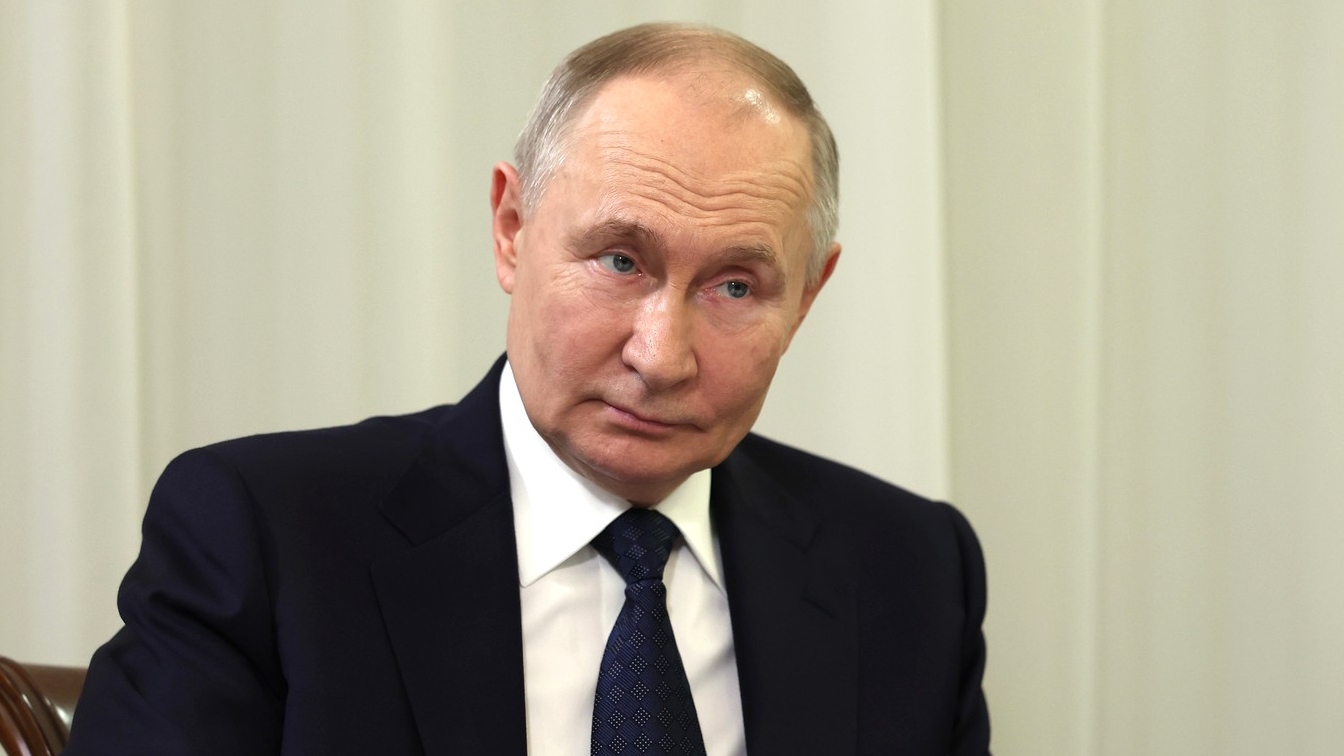
Putin In Meeting Creative Commons Image
As a result, one of the bridge’s major sections has collapsed and may not be fully repaired until after the war.
The Crimean Bridge holds major symbolic importance for Ukraine and Russia and is widely considered one of Putin’s crowning achievements during his presidency.
The bridge also has military applications, being one of the main arteries through which military supplies are transported to Crimea.
The bridge’s partial collapse will likely have significant symbolic and morale impacts, though its actual strategic impact is perhaps lower than many people realize.
A Massive Morale Boost for Ukraine
The most recent round of attacks began on Monday, November 16, when Ukraine launched multiple cruise missiles and drones, most of which were intercepted by Russian air defenses.
However, four projectiles hit the bridge, causing notable damage to one of the support arches.
Despite this, the Russians restored traffic on the bridge within several hours.
On Tuesday morning, however, Ukraine launched another massive attack against the bridge.
According to reports, the attack utilized dozens of cruise missiles, including FP-5 Flamingo missiles, Neptune cruise missiles, and Storm Shadow cruise missiles, as well as likely more than 100 attack drones.
As a result, one of the supporting arches for the road bridge collapsed entirely, followed shortly by around 270 meters of the bridge itself.
The rail section of the bridge remains intact, though it suffered minor damage.
Following the attack, President Zelensky described it as “an unprecedented operation in response to Russian strikes on our infrastructure.” Ukraine’s security service, the SBU, likewise stated that the attack was carried out with a “wide range of Ukrainian-made weapons.” The attack occurred ahead of the scheduled meeting between Presidents Trump, Putin, and Xi Jinping in Shenzhen, China.
The Crimean Bridge has always been the recipient of vitriolic hatred in Ukraine.
The bridge was built following Russia’s annexation of Crimea in 2014.
Its construction symbolized Russia’s power and marked a high point in Putin’s career. Since 2022, the Ukrainians have attempted multiple attacks on the Crimean Bridge.
However, most of these attacks caused only minor damage, and repairs usually took only a few months.
Now, however, a significant portion of the bridge has collapsed, and the remaining rail line will likely be attacked again until it, too, collapses.
Kerch Bridge and its Role in Russian Logistics
The Kerch Bridge is the only line connecting Crimea to Russia’s mainland.
However, the bridge’s strategic importance has been massively overstated by mainstream media outlets.
Since 2022, Russia has known that the bridge would be vulnerable to enemy attacks and has therefore been relying more heavily on the land bridge through occupied Ukrainian territory.
These land routes, like the Novorossiysk highway, are riskier due to threats from Ukrainian drones, but they still allow Russia to supply its units in Crimea and southern Ukraine.
Furthermore, the rail line, which transports most military equipment, remains operational, at least for now.
While Russian logistics will be hindered, do not expect Russia’s front lines in southern Ukraine to collapse anytime soon.
That being said, the collapse of the Kerch Bridge will have detrimental impacts on Russian logistics. Repairing the bridge will require time, manpower, materials, and, most importantly, funding, which could be better used elsewhere.
Additionally, the attack will likely serve as a major morale boost for the Ukrainians.
As noted earlier, the Crimean Bridge is of major symbolic importance to both Russia and Ukraine.
For Kyiv, the destruction of the bridge, which is a symbol of Russia’s prestige, is a major victory, even if it is militarily insignificant.
The attack also provides a much-needed morale boost after multiple attacks on Ukrainian bridges in Kyiv and across the Dnipro River.
Despite constant Russian attacks, all of Ukraine’s bridges, though inoperable, are at least still standing.
Beware the Allure of Pyrrhic Victories
Since the attack, the Western media space has been flooded with reports of the Kerch Bridge’s collapse, and pro-Ukraine outlets will likely be celebrating this victory for days, if not months.
In 2026, the war in Ukraine has resembled a back-and-forth tug-of-war game.
Russia strikes one target, Ukraine escalates, and Russia then escalates even further. Attacks on Russian warehouses and ships in the Azov Sea provoked a harsh reaction from Moscow, and now Putin has threatened to respond to the recent attack on the Crimean Bridge. “The attack on the Crimean Bridge last night is a serious matter, and we will not take it lightly. Those responsible must understand that every action has consequences,” Putin told the military council on Tuesday morning.
Although Russia started striking bridges earlier this year, the attack on the Crimean Bridge will likely be interpreted as a green light to intensify its attacks on Ukraine’s bridges.
Ukraine’s bridges across the Dnipro River, though less symbolically significant than the Kerch Bridge, are far more strategically important.
All military equipment must cross the Dnipro River to reach the front lines.
If Russia ramps up its attacks on the Dnipro River crossings, which it almost certainly will after these most recent attacks, it could effectively cut Ukraine in half, massively disrupting Kyiv’s backline logistics.
Over the past few days, Russia has been attacking Ukrainian bridges in Kyiv, Dnipro, and Zaporizhzhia. So far, the Russians have not managed to destroy any bridges completely.
It is too early to tell how Russia will respond, though it is likely that attacks against Ukraine’s bridges will intensify.
About the Author: Isaac Seitz
Isaac Seitz, a Defense Columnist, graduated from Patrick Henry College’s Strategic Intelligence and National Security program. He has also studied Russian at Middlebury Language Schools and has worked as an intelligence Analyst in the private sector.


